van Koppen Arianne, Verschuren Lars, van den Hoek Anita M, Verheij Joanne, Morrison Martine C, Li Kelvin, Nagabukuro Hiroshi, Costessi Adalberto, Caspers Martien P M, van den Broek Tim J, Sagartz John, Kluft Cornelis, Beysen Carine, Emson Claire, van Gool Alain J, Goldschmeding Roel, Stoop Reinout, Bobeldijk-Pastorova Ivana, Turner Scott M, Hanauer Guido, Hanemaaijer Roeland
Department of Metabolic Health Research, TNO, Leiden, The Netherlands.
University Medical Center Utrecht, Utrecht, The Netherlands.
Cell Mol Gastroenterol Hepatol. 2017 Oct 14;5(1):83-98.e10. doi: 10.1016/j.jcmgh.2017.10.001. eCollection 2018.
BACKGROUND & AIMS: The incidence of nonalcoholic steatohepatitis (NASH) is increasing. The pathophysiological mechanisms of NASH and the sequence of events leading to hepatic fibrosis are incompletely understood. The aim of this study was to gain insight into the dynamics of key molecular processes involved in NASH and to rank early markers for hepatic fibrosis.
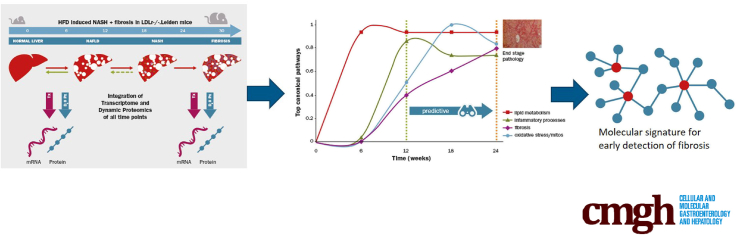
A time-course study in low-density lipoprotein-receptor knockout. Leiden mice on a high-fat diet was performed to identify the temporal dynamics of key processes contributing to NASH and fibrosis. An integrative systems biology approach was used to elucidate candidate markers linked to the active fibrosis process by combining transcriptomics, dynamic proteomics, and histopathology. The translational value of these findings were confirmed using human NASH data sets.
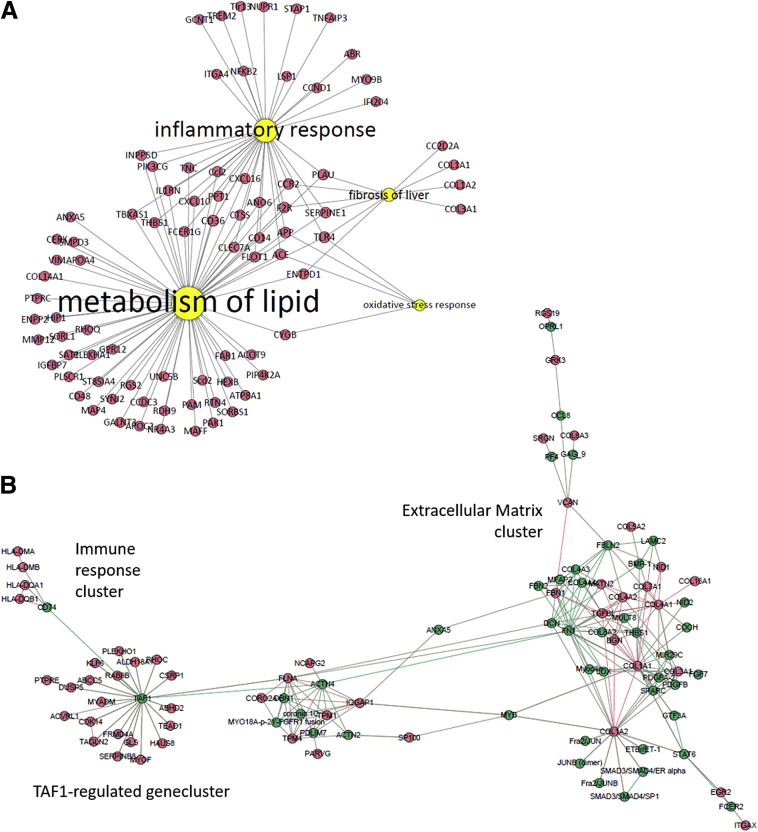
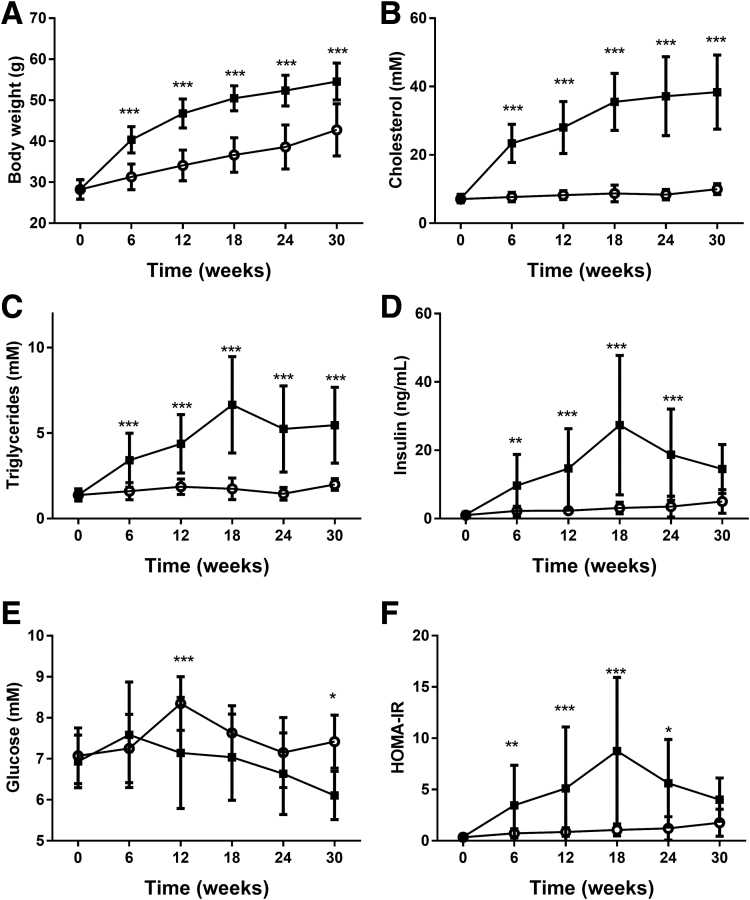
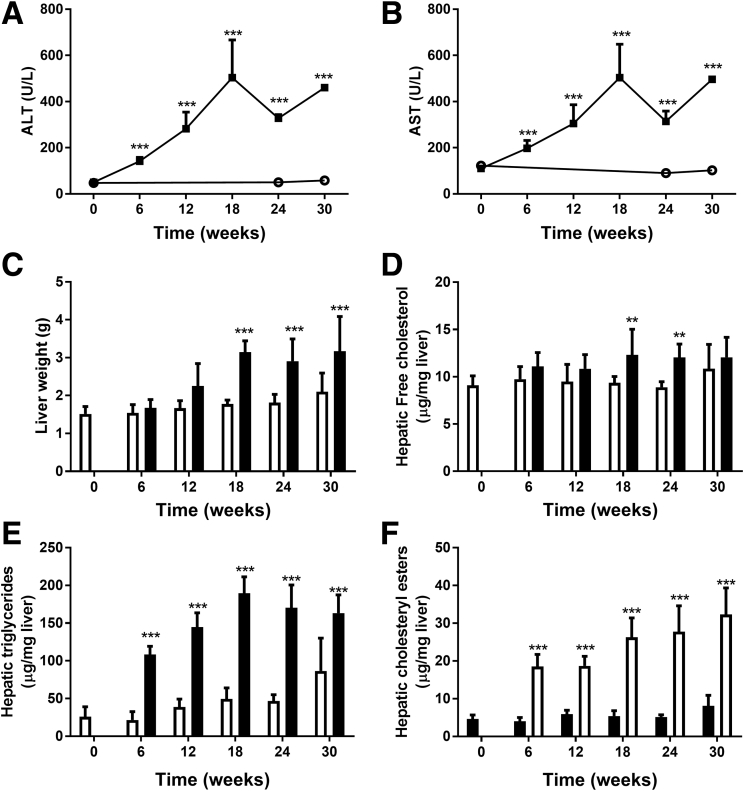
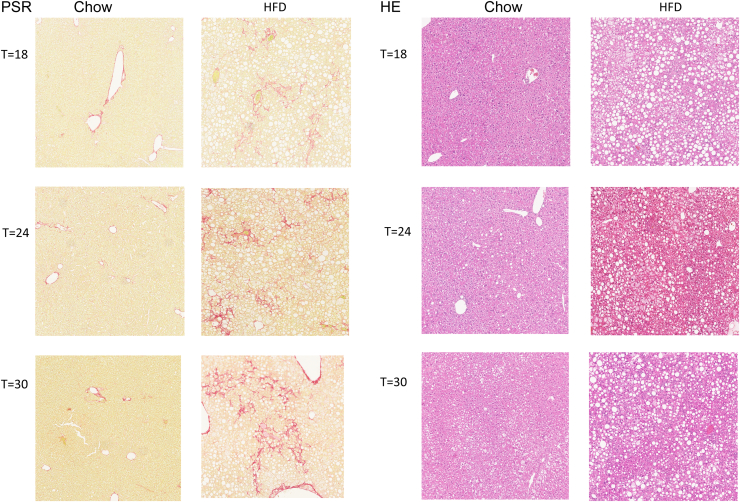
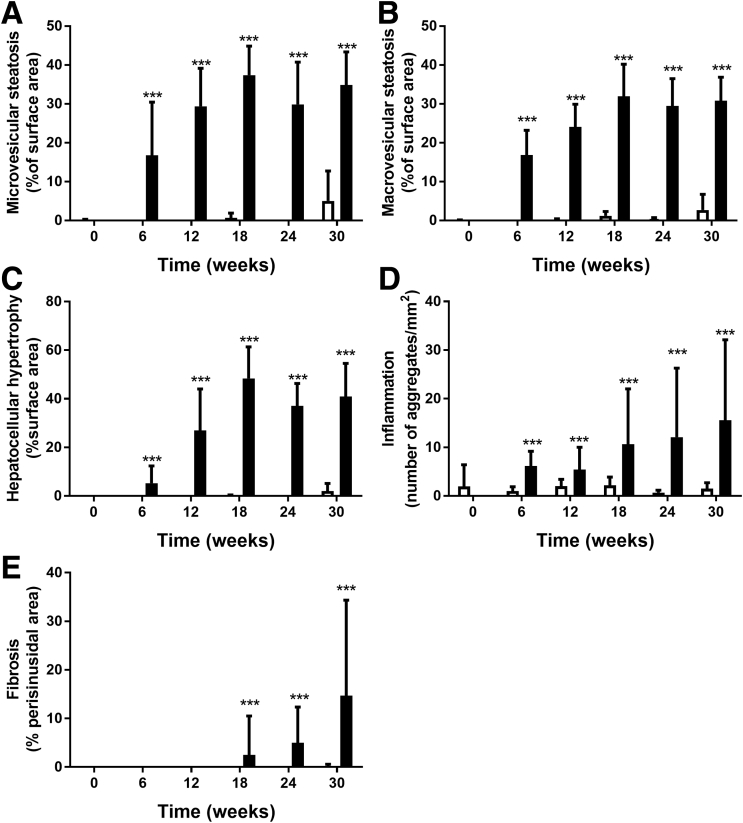
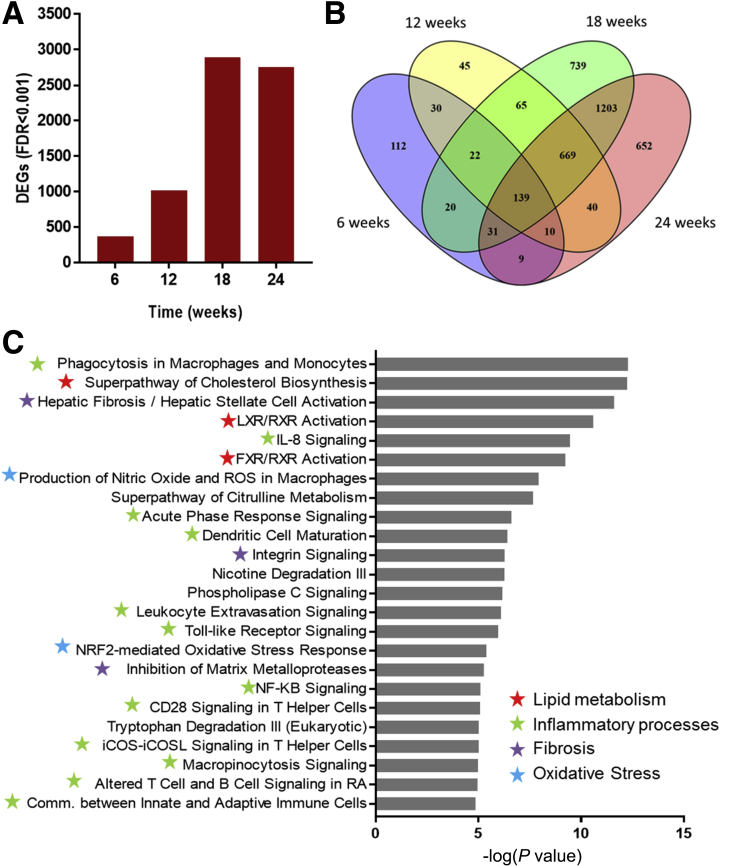
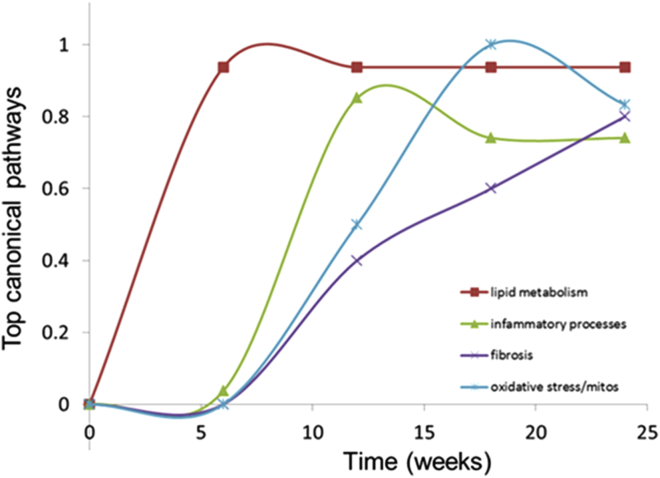
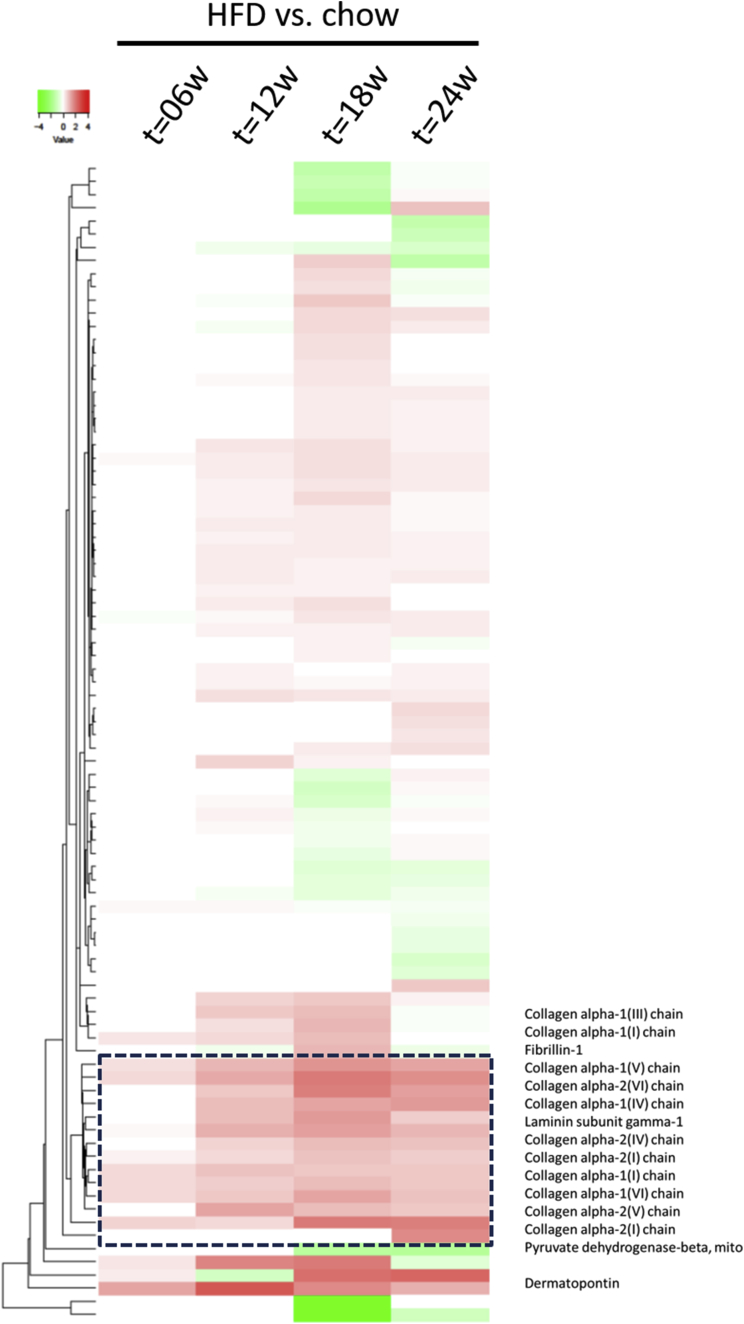
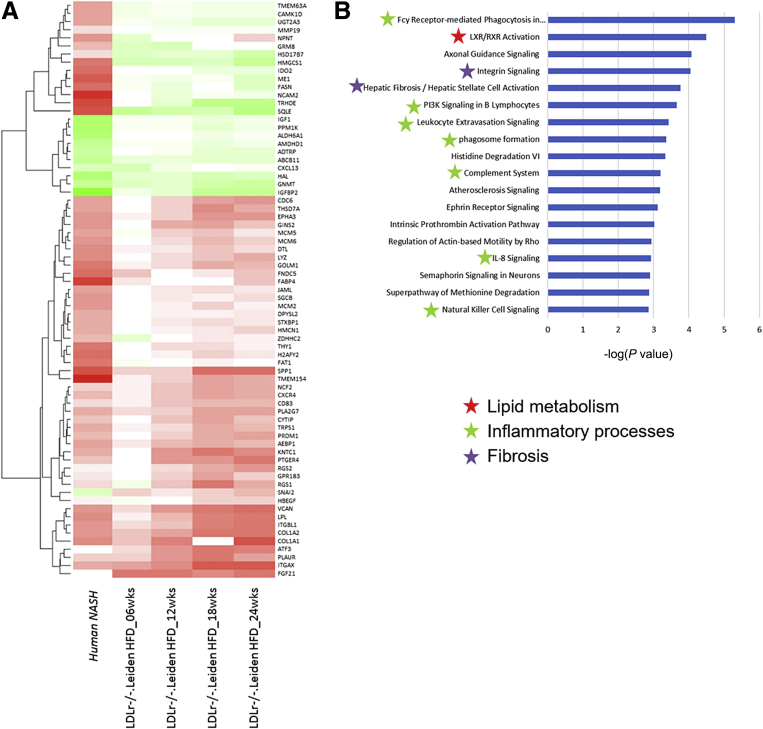
High-fat-diet feeding resulted in obesity, hyperlipidemia, insulin resistance, and NASH with fibrosis in a time-dependent manner. Temporal dynamics of key molecular processes involved in the development of NASH were identified, including lipid metabolism, inflammation, oxidative stress, and fibrosis. A data-integrative approach enabled identification of the active fibrotic process preceding histopathologic detection using a novel molecular fibrosis signature. Human studies were used to identify overlap of genes and processes and to perform a network biology-based prioritization to rank top candidate markers representing the early manifestation of fibrosis.
An early predictive molecular signature was identified that marked the active profibrotic process before histopathologic fibrosis becomes manifest. Early detection of the onset of NASH and fibrosis enables identification of novel blood-based biomarkers to stratify patients at risk, development of new therapeutics, and help shorten (pre)clinical experimental time frames.
非酒精性脂肪性肝炎(NASH)的发病率正在上升。NASH的病理生理机制以及导致肝纤维化的一系列事件尚未完全明确。本研究旨在深入了解NASH相关关键分子过程的动态变化,并对肝纤维化的早期标志物进行排序。
对低密度脂蛋白受体敲除的莱顿小鼠进行高脂饮食的时间进程研究,以确定导致NASH和纤维化的关键过程的时间动态变化。采用整合系统生物学方法,通过结合转录组学、动态蛋白质组学和组织病理学来阐明与活跃纤维化过程相关的候选标志物。利用人类NASH数据集证实了这些发现的转化价值。
高脂饮食以时间依赖性方式导致肥胖、高脂血症、胰岛素抵抗以及伴有纤维化的NASH。确定了NASH发展过程中关键分子过程的时间动态变化,包括脂质代谢、炎症、氧化应激和纤维化。一种数据整合方法能够使用一种新的分子纤维化特征在组织病理学检测之前识别活跃的纤维化过程。人类研究用于确定基因和过程的重叠,并基于网络生物学进行优先级排序,以对代表纤维化早期表现的顶级候选标志物进行排名。
确定了一种早期预测分子特征,该特征在组织病理学纤维化显现之前就标记了活跃的促纤维化过程。NASH和纤维化发病的早期检测能够识别新的基于血液的生物标志物,以对有风险的患者进行分层,开发新的治疗方法,并有助于缩短(临床前)临床试验时间框架。