
一组大学生的自行耳部清洁行为及其耳部受伤和耳部相关症状的风险
Self-ear cleaning practices and the associated risk of ear injuries and ear-related symptoms in a group of university students.
作者信息
Khan Nasim Banu, Thaver Sivashnee, Govender Samantha Marlene
机构信息
Discipline of Audiology, School of Health Sciences, University of KwaZulu-Natal, Durban, South Africa.
出版信息
J Public Health Afr. 2017 Dec 31;8(2):555. doi: 10.4081/jphia.2017.555.
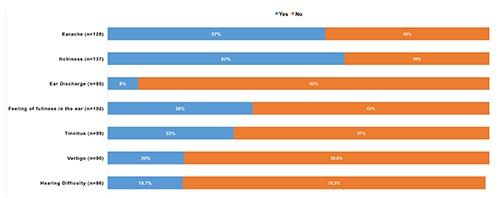
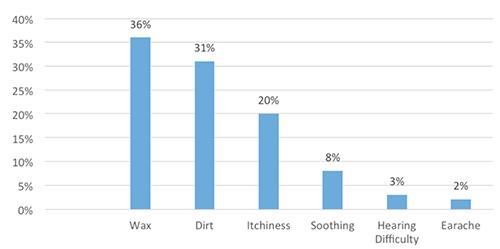
Self-ear cleaning is the insertion of objects into the ear canal to clean it, a widespread practice that has the potential to compromise its integrity as a natural, selfcleansing mechanism, and a risk factor for possible injuries. The practice is common among young adults and highest in university than any other graduates. This study aimed to determine the self-ear cleaning practices and associated risk of injury and related symptoms in undergraduate students at KwaZulu-Natal University. The descriptive survey utilized a self-administered questionnaire. Of the 206 participants that responded, 98% engaged in self-ear cleaning, with 75% indicating that it was beneficial. The commonest method (79.6%) being the use of cotton buds, with an associated injury rate of 2.4%. There was no statistically significant associations between those who used or did not use cotton buds and the symptoms experienced. The complications indicate that self-ear cleaning does pose a risk for injury, necessitating more community information and education.
自行掏耳是指将物体插入耳道进行清洁,这种普遍做法有可能损害耳道作为自然自洁机制的完整性,也是造成可能受伤的一个风险因素。这种做法在年轻人中很常见,在大学生中最为普遍,高于其他任何毕业生群体。本研究旨在确定夸祖鲁 - 纳塔尔大学本科生的自行掏耳行为、相关受伤风险及相关症状。该描述性调查采用了自填式问卷。在206名回复者中,98%的人有自行掏耳行为,其中75%的人表示掏耳有益。最常用的方法(79.6%)是使用棉签,相关受伤率为2.4%。使用或未使用棉签的人与所经历的症状之间没有统计学上的显著关联。这些并发症表明自行掏耳确实存在受伤风险,因此需要更多的社区宣传和教育。



 Zotero 插件