Tempas Christopher D, Morris Tobias W, Wisman David L, Le Duy, Din Naseem U, Williams Christopher G, Wang Miao, Polezhaev Alexander V, Rahman Talat S, Caulton Kenneth G, Tait Steven L
Department of Chemistry , Indiana University , Bloomington , IN 47401 , USA . Email:
NAVSEA Crane , Crane , IN 47522 , USA.
Chem Sci. 2018 Jan 4;9(6):1674-1685. doi: 10.1039/c7sc04752e. eCollection 2018 Feb 14.
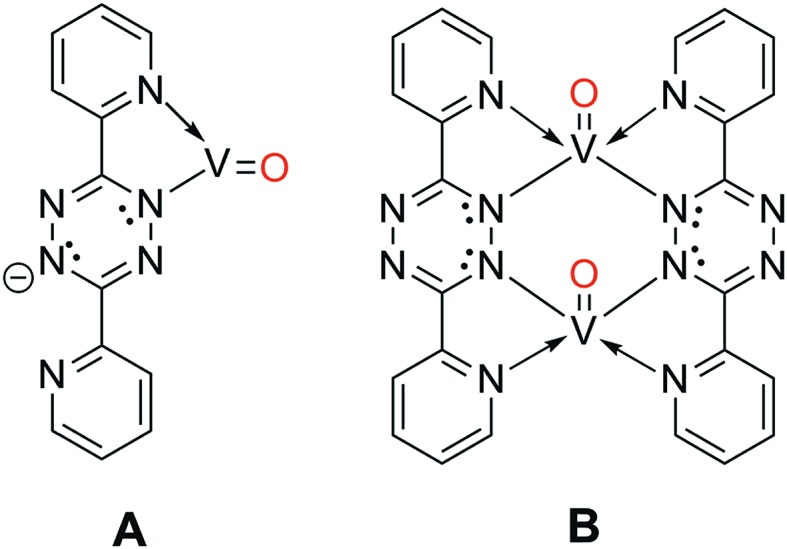
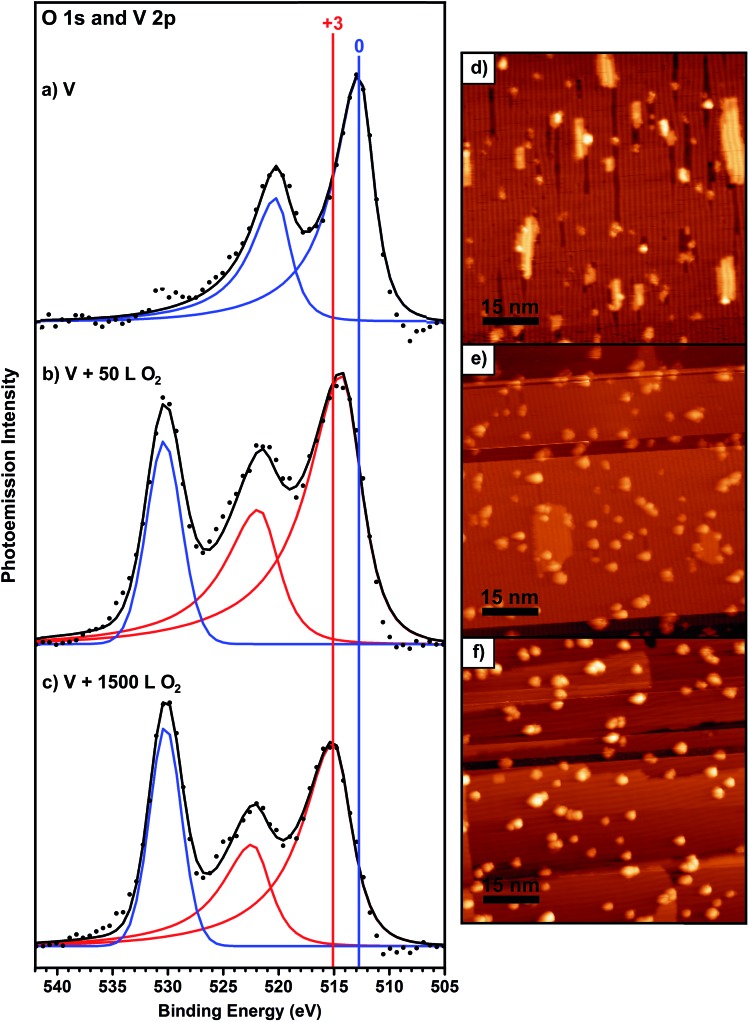
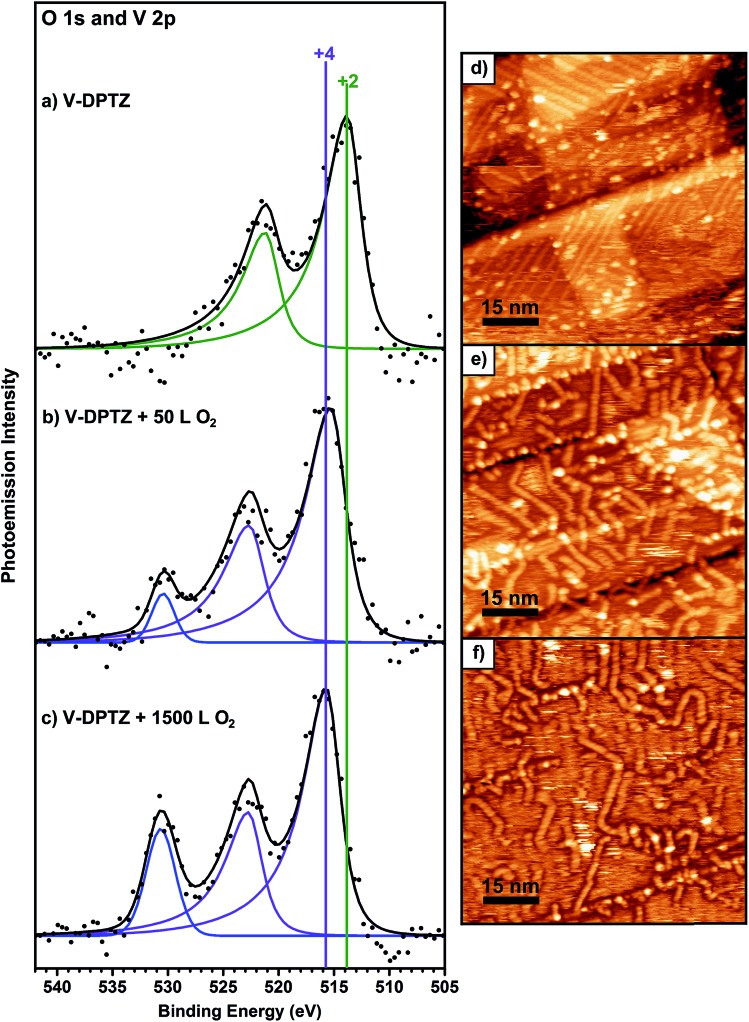
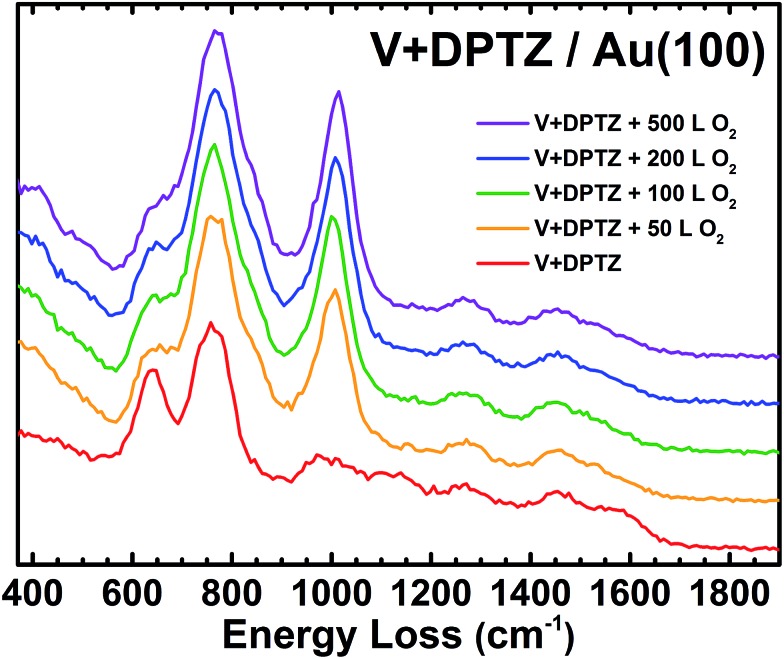
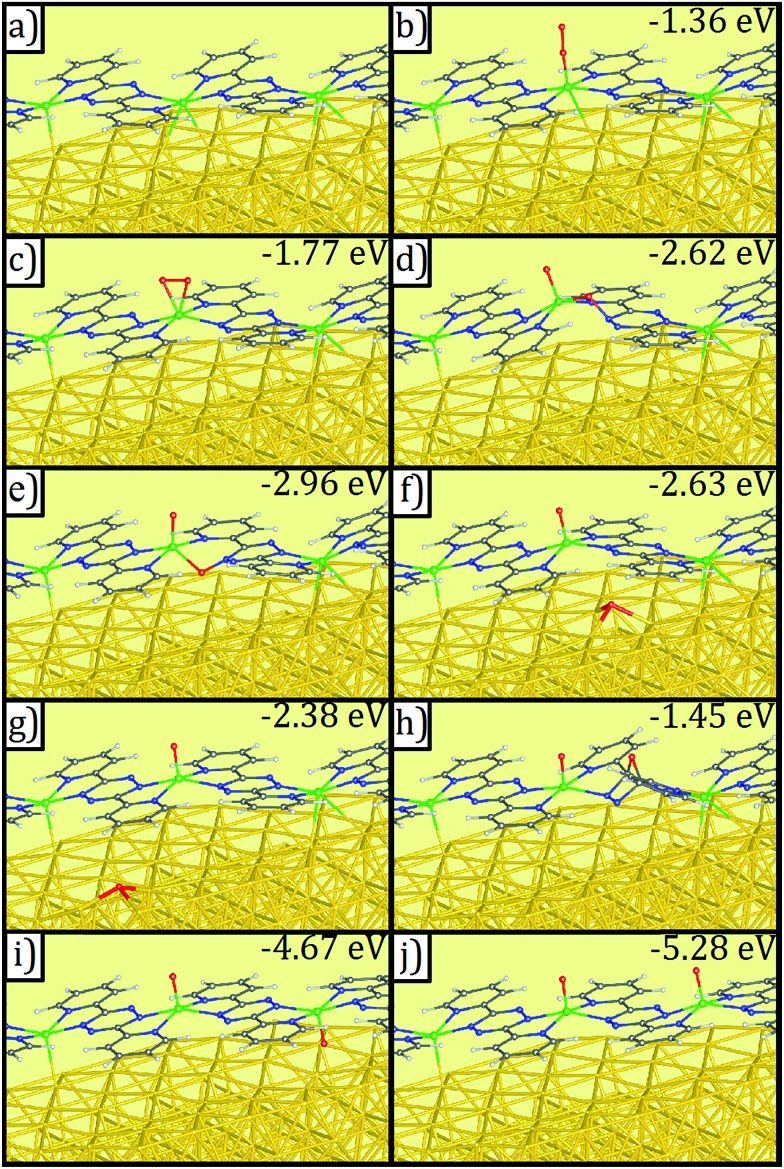
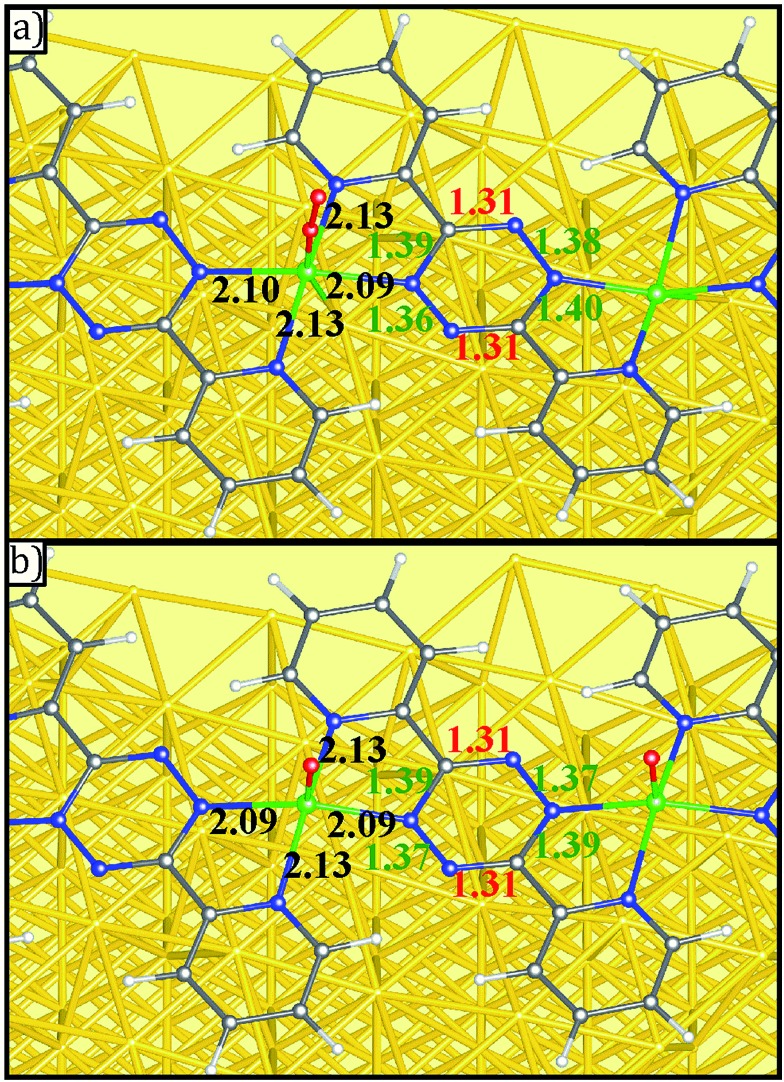
Metal-organic coordination networks at surfaces, formed by on-surface redox assembly, are of interest for designing specific and selective chemical function at surfaces for heterogeneous catalysts and other applications. The chemical reactivity of single-site transition metals in on-surface coordination networks, which is essential to these applications, has not previously been fully characterized. Here, we demonstrate with a surface-supported, single-site V system that not only are these sites active toward dioxygen activation, but the products of that reaction show much higher selectivity than traditional vanadium nanoparticles, leading to only one V-oxo product. We have studied the chemical reactivity of one-dimensional metal-organic vanadium - 3,6-di(2-pyridyl)-1,2,4,5-tetrazine (DPTZ) chains with O. The electron-rich chains self-assemble through an on-surface redox process on the Au(100) surface and are characterized by X-ray photoelectron spectroscopy, scanning tunneling microscopy, high-resolution electron energy loss spectroscopy, and density functional theory. Reaction of V-DPTZ chains with O causes an increase in V oxidation state from V to V, resulting in a single strongly bonded (DPTZ)VO product and spillover of O to the Au surface. DFT calculations confirm these products and also suggest new candidate intermediate states, providing mechanistic insight into this on-surface reaction. In contrast, the oxidation of ligand-free V is less complete and results in multiple oxygen-bound products. This demonstrates the high chemical selectivity of single-site metal centers in metal-ligand complexes at surfaces compared to metal nanoislands.
通过表面氧化还原组装形成的表面金属有机配位网络,对于在异质催化剂及其他应用的表面设计特定且选择性的化学功能具有重要意义。表面配位网络中单核过渡金属的化学反应活性对这些应用至关重要,但此前尚未得到充分表征。在此,我们通过一个表面支撑的单核钒体系证明,这些位点不仅对双氧活化具有活性,而且该反应的产物比传统钒纳米颗粒表现出更高的选择性,仅生成一种钒氧产物。我们研究了一维金属有机钒-3,6-二(2-吡啶基)-1,2,4,5-四嗪(DPTZ)链与O的化学反应活性。富电子链通过在Au(100)表面的表面氧化还原过程自组装,并通过X射线光电子能谱、扫描隧道显微镜、高分辨率电子能量损失谱和密度泛函理论进行表征。V-DPTZ链与O的反应导致钒的氧化态从V升高到V,生成单一的强键合(DPTZ)VO产物,并使O溢流到Au表面。DFT计算证实了这些产物,并提出了新的候选中间态,为该表面反应提供了机理见解。相比之下,无配体钒的氧化不太完全,会生成多种氧结合产物。这表明与金属纳米岛相比,表面金属-配体配合物中单核金属中心具有高化学选择性。