
小檗碱抑制幽门螺杆菌:通过探测脲酶活性位点及其成熟过程阐明特定机制。
Coptisine-induced inhibition of Helicobacter pylori: elucidation of specific mechanisms by probing urease active site and its maturation process.
机构信息
a Guangdong Provincial Key Laboratory of New Drug Development and Research of Chinese Medicine, Mathematical Engineering Academy of Chinese Medicine , Guangzhou University of Chinese Medicine , Guangzhou , P. R. China.
b School of Pharmaceutical Sciences , Guangzhou University of Chinese Medicine , Guangzhou , P. R. China.
出版信息
J Enzyme Inhib Med Chem. 2018 Dec;33(1):1362-1375. doi: 10.1080/14756366.2018.1501044.
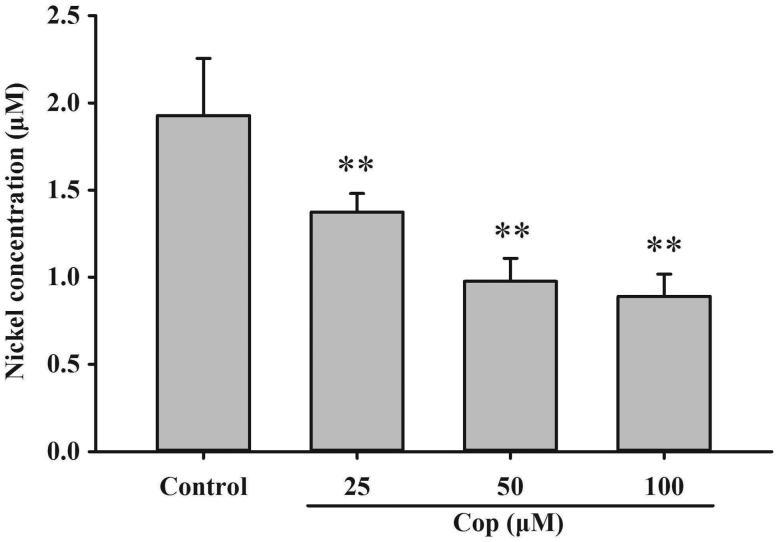
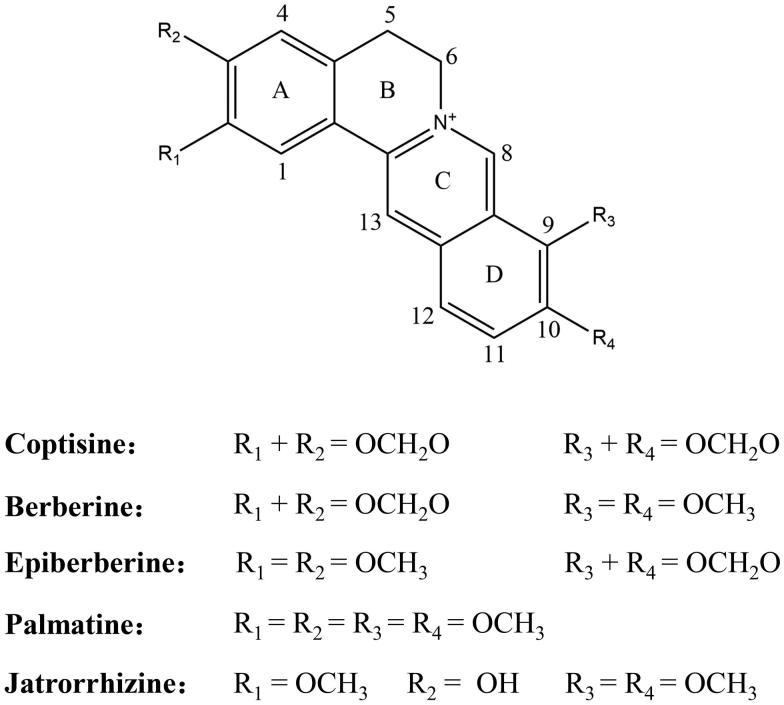
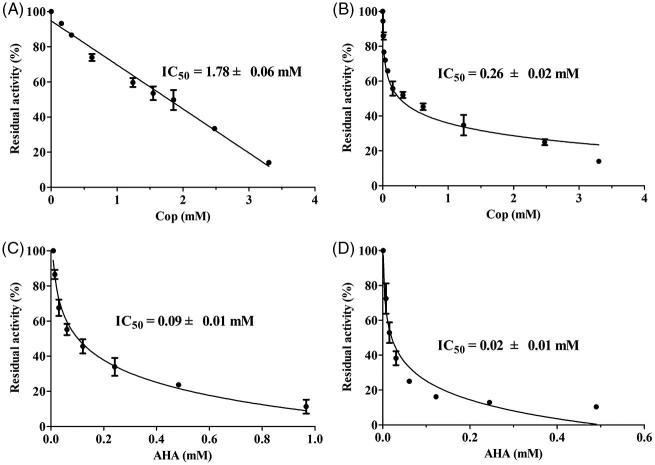
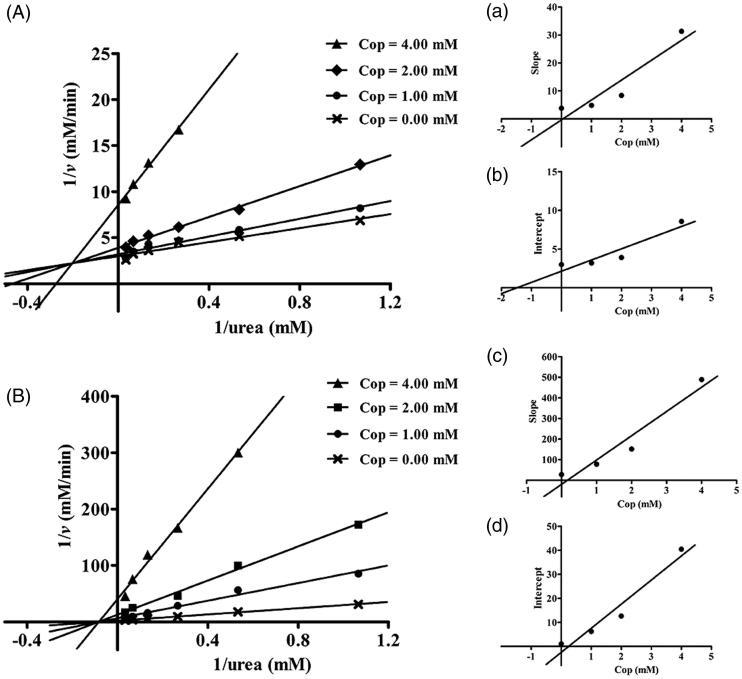
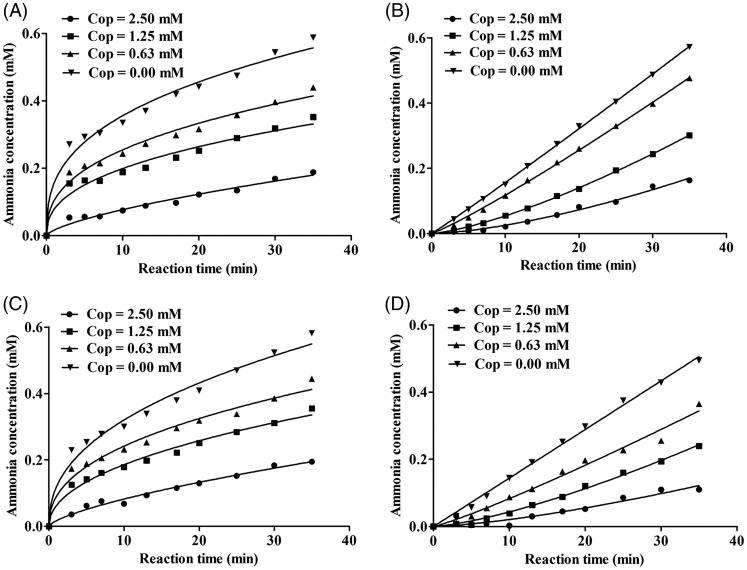
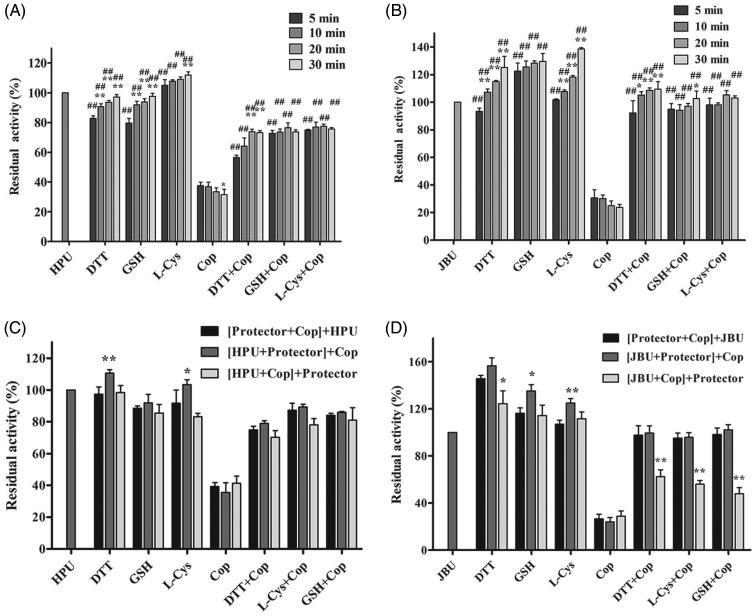
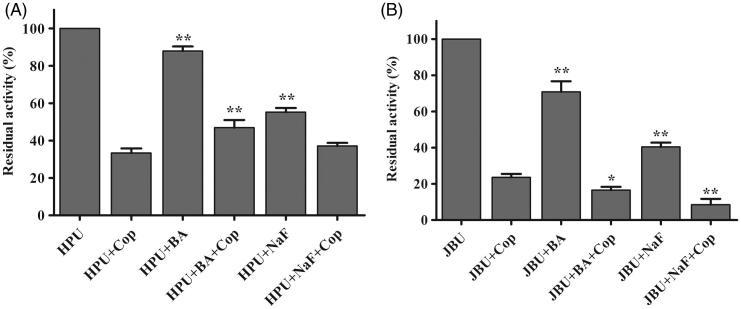
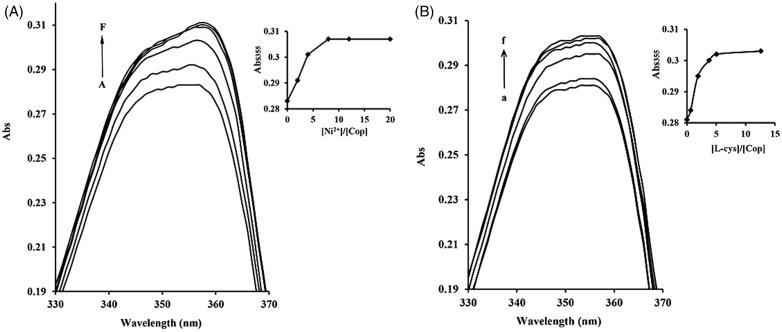
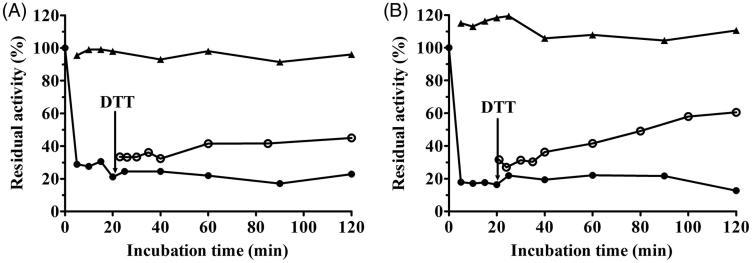
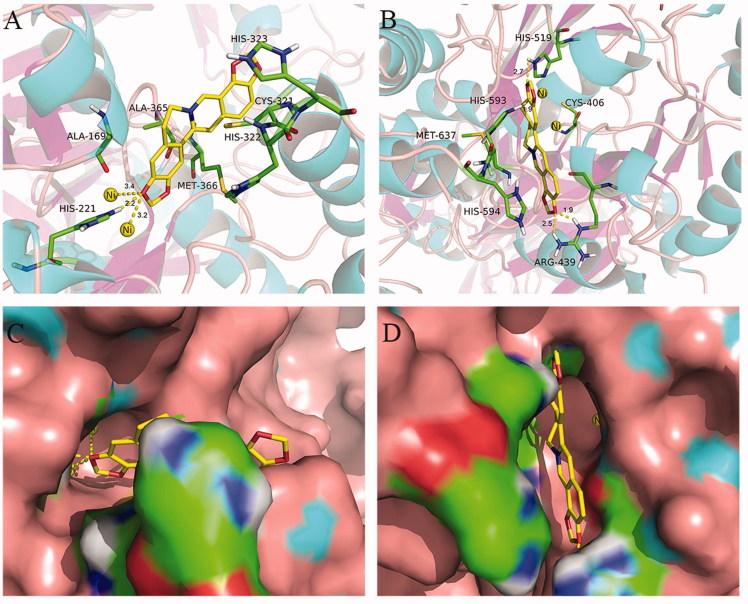
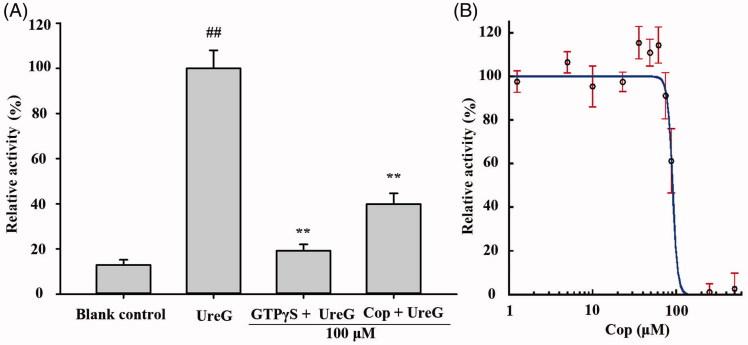
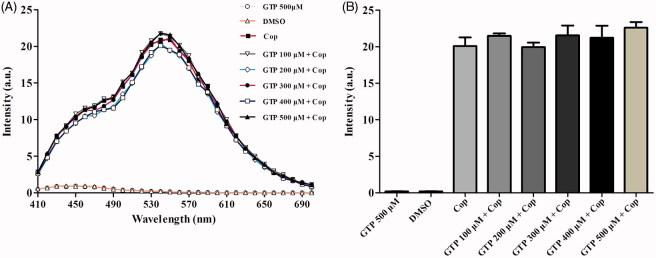
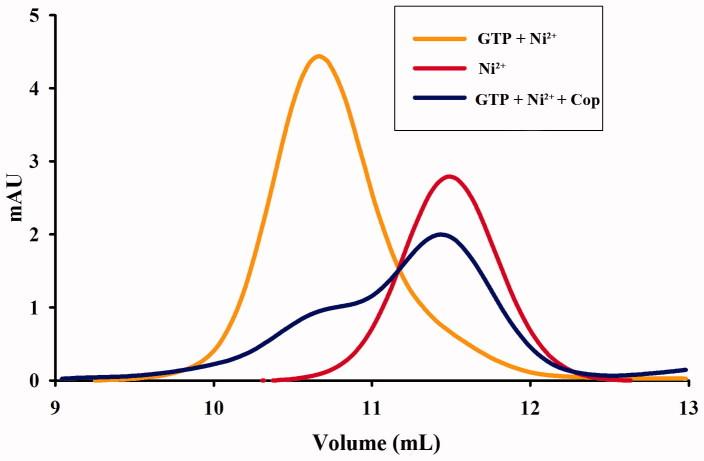
In this study, we examined the anti-Helicobactor pylori effects of the main protoberberine-type alkaloids in Rhizoma Coptidis. Coptisine exerted varying antibacterial and bactericidal effects against three standard H. pylori strains and eleven clinical isolates, including four drug-resistant strains, with minimum inhibitory concentrations ranging from 25 to 50 μg/mL and minimal bactericidal concentrations ranging from 37.5 to 125 μg/mL. Coptisine's anti-H. pylori effects derived from specific inhibition of urease in vivo. In vitro, coptisine inactivated urease in a concentration-dependent manner through slow-binding inhibition and involved binding to the urease active site sulfhydryl group. Coptisine inhibition of H. pylori urease (HPU) was mixed type, while inhibition of jack bean urease was non-competitive. Importantly, coptisine also inhibited HPU by binding to its nickel metallocentre. Besides, coptisine interfered with urease maturation by inhibiting activity of prototypical urease accessory protein UreG and formation of UreG dimers and by promoting dissociation of nickel from UreG dimers. These findings demonstrate that coptisine inhibits urease activity by targeting its active site and inhibiting its maturation, thereby effectively inhibiting H. pylori. Coptisine may thus be an effective anti-H. pylori agent.
在这项研究中,我们研究了黄连中主要原小檗碱型生物碱对幽门螺杆菌的抗作用。小檗碱对三种标准幽门螺杆菌菌株和十一种临床分离株(包括四种耐药菌株)表现出不同的抗菌和杀菌作用,最小抑菌浓度范围为 25 至 50μg/ml,最小杀菌浓度范围为 37.5 至 125μg/ml。小檗碱的抗幽门螺杆菌作用源于对体内脲酶的特异性抑制。在体外,小檗碱通过缓慢结合抑制以浓度依赖的方式使脲酶失活,并涉及与脲酶活性位点巯基的结合。小檗碱对幽门螺杆菌脲酶(HPU)的抑制为混合类型,而对豇豆脲酶的抑制为非竞争性。重要的是,小檗碱还通过与镍金属中心结合来抑制 HPU。此外,小檗碱通过抑制典型的脲酶辅助蛋白 UreG 的活性和 UreG 二聚体的形成以及促进镍从 UreG 二聚体中的解离来干扰脲酶的成熟。这些发现表明,小檗碱通过靶向其活性位点和抑制其成熟来抑制脲酶活性,从而有效地抑制幽门螺杆菌。小檗碱可能因此成为一种有效的抗幽门螺杆菌药物。
 Zotero 插件