Transplantation Research Center, Renal Division, Brigham and Women's Hospital, Harvard Medical School, Boston, MA 02115, USA.
Renal Division, Brigham and Women's Hospital, Harvard Medical School, Boston, MA 02115, USA.
EBioMedicine. 2018 Dec;38:79-88. doi: 10.1016/j.ebiom.2018.11.030. Epub 2018 Nov 27.
Nanomedicine offers an excellent opportunity to tackle treatment-refractory malignancies by enhancing the delivery of therapeutics to the tumor site. High endothelial venules (HEVs) are found primarily in lymph nodes or formed de novo in peripheral tissues during inflammatory responses. They express peripheral node addressin (PNAd), which is recognized by the monoclonal antibody MECA79.
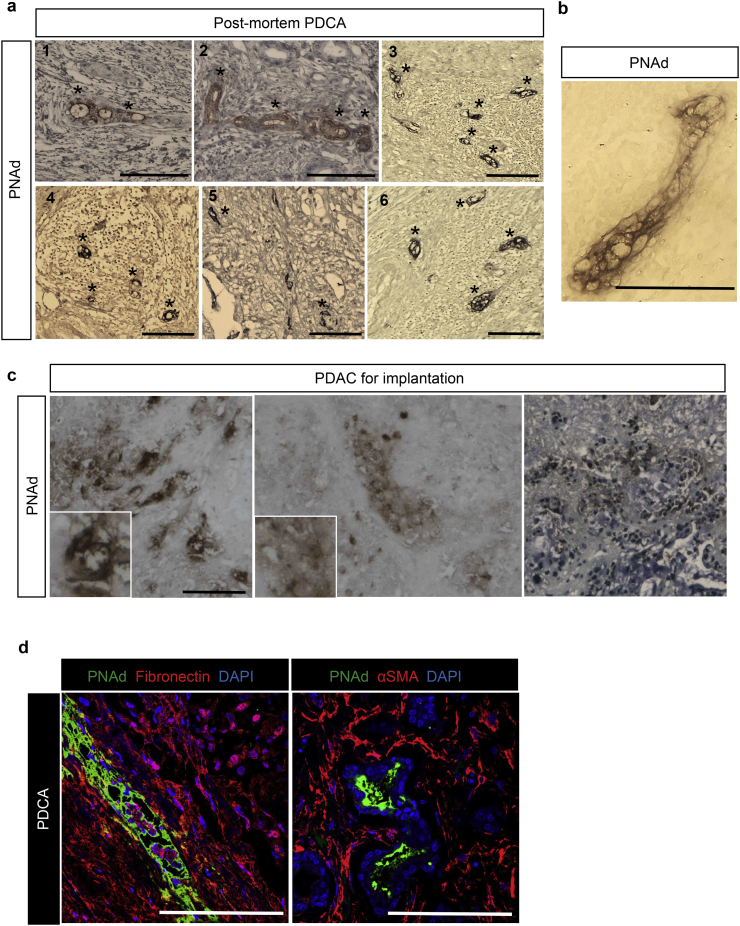
Here, we demonstrated that HEVs form de novo in human pancreatic ductal adenocarcinoma (PDAC). We engineered MECA79 coated nanoparticles (MECA79-NPs) that recognize these ectopic HEVs in PDAC.
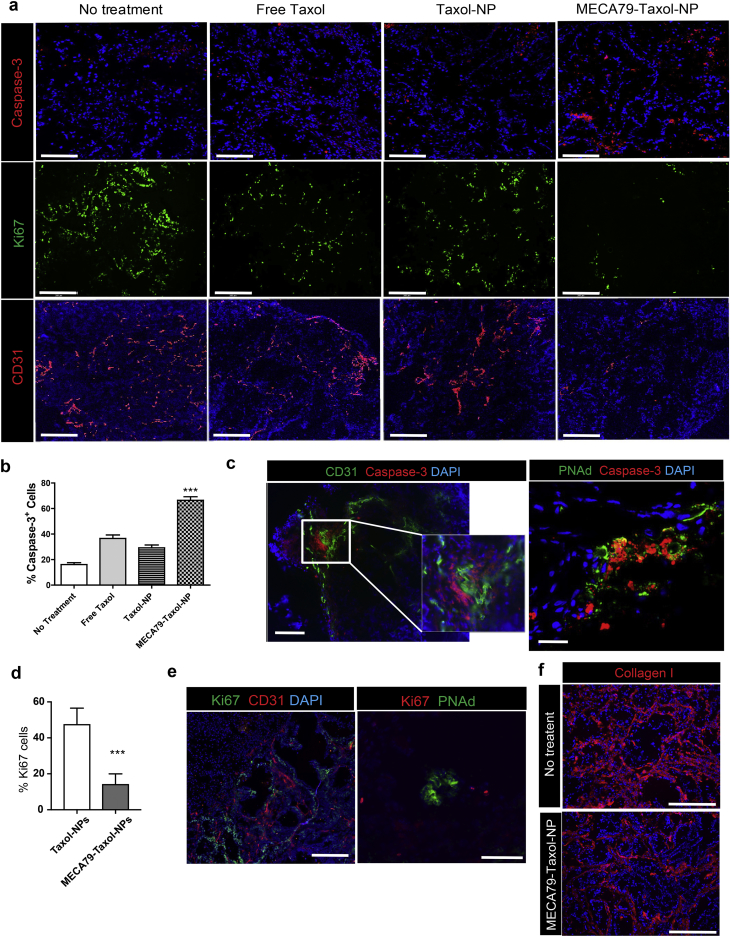
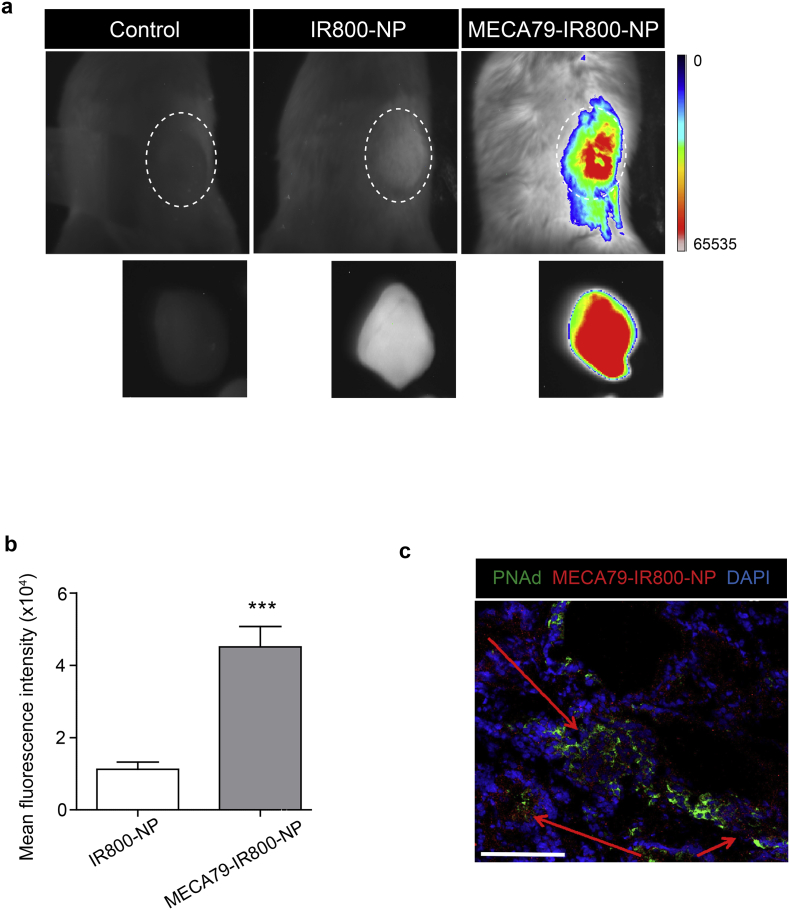
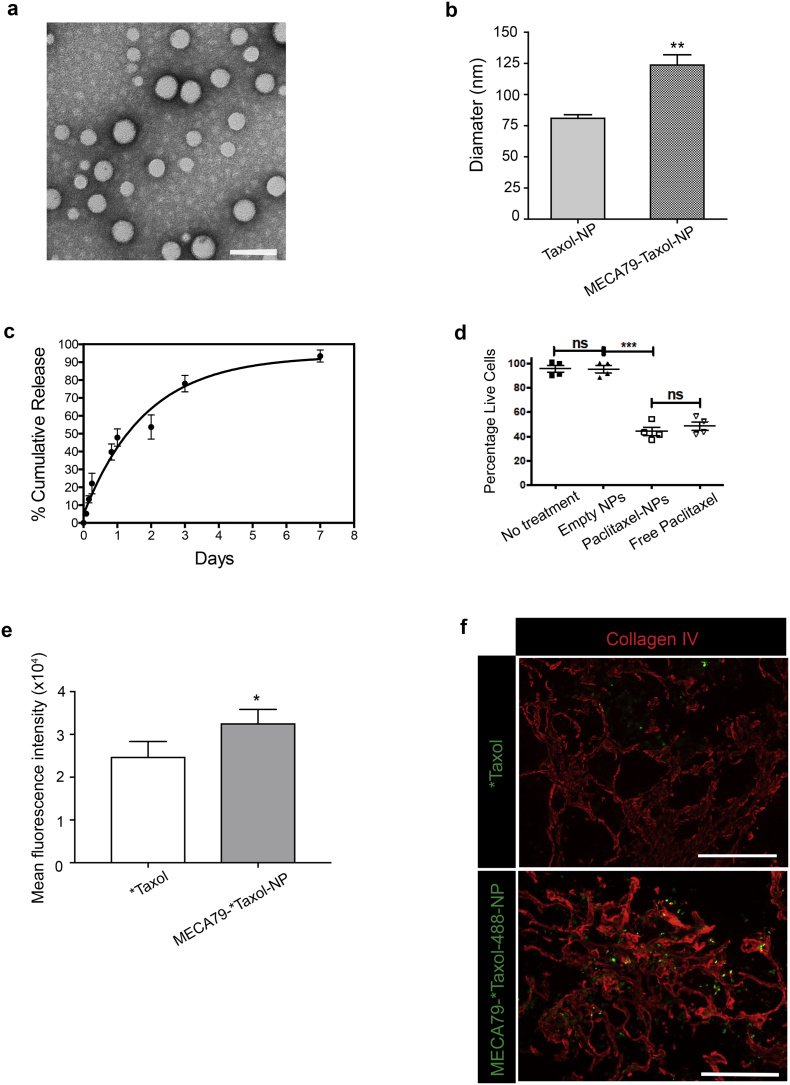
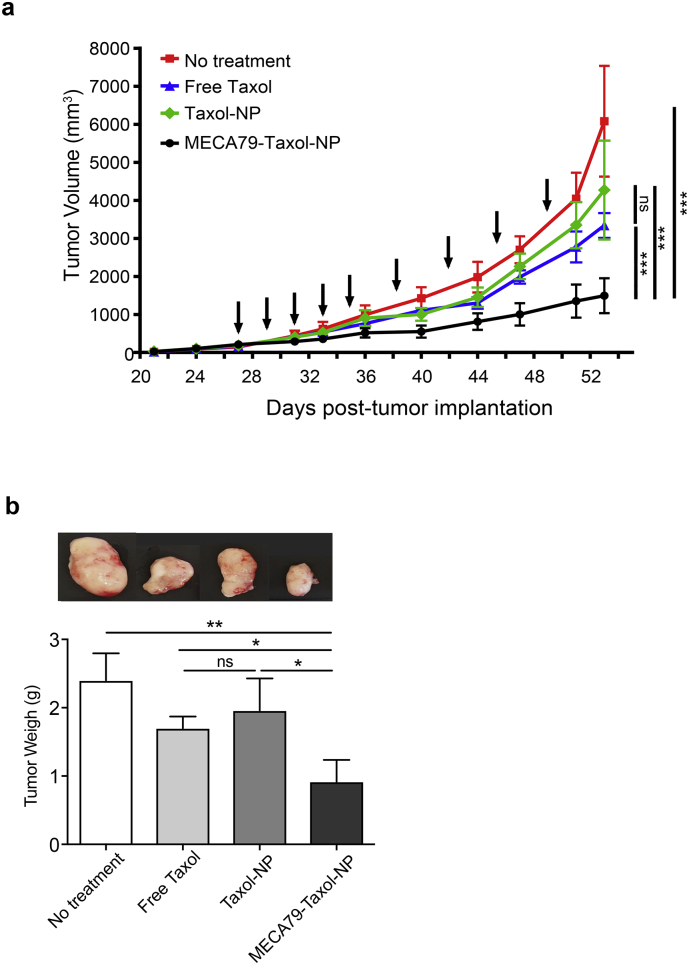
The trafficking of MECA79-NPs following intravenous delivery to human PDAC implanted in a humanized mouse model was more robust than non-conjugated NPs. Treatment with MECA79-Taxol-NPs augmented the delivery of Paclitaxel (Taxol) to the tumor site and significantly reduced the tumor size. This effect was associated with a higher apoptosis rate of PDAC cells and reduced vascularization within the tumor.
Targeting the HEVs of PDAC using MECA79-NPs could lay the ground for the localized delivery of a wide variety of drugs including chemotherapeutic agents. FUND: National Institutes of Health (NIH) grants: T32-EB016652 (B·B.), NIH Cancer Core Grant CA034196 (L.D.S.), National Institute of Allergy and Infectious Diseases grants R01-AI126596 and R01-HL141815 (R.A.).
纳米医学为解决治疗抵抗性恶性肿瘤提供了极好的机会,通过增强治疗剂向肿瘤部位的递送。高内皮小静脉 (HEV) 主要存在于淋巴结中,或在炎症反应期间在周围组织中重新形成。它们表达外周节点地址素 (PNAd),这被单克隆抗体 MECA79 识别。
在这里,我们证明 HEV 在人胰腺导管腺癌 (PDAC) 中重新形成。我们设计了 MECA79 涂层的纳米颗粒 (MECA79-NPs),这些纳米颗粒可识别 PDAC 中的这些异位 HEV。
在人源化小鼠模型中植入人 PDAC 后,静脉内递送 MECA79-NPs 后的纳米颗粒的转运比非缀合的 NPs 更强大。用 MECA79-Taxol-NPs 治疗增强了紫杉醇 (Taxol) 向肿瘤部位的递送,并显著减小了肿瘤大小。这种效果与 PDAC 细胞的凋亡率更高和肿瘤内血管生成减少有关。
使用 MECA79-NPs 靶向 PDAC 的 HEV 可以为包括化疗药物在内的各种药物的局部递送奠定基础。
美国国立卫生研究院 (NIH) 拨款:T32-EB016652 (B·B.)、NIH 癌症核心拨款 CA034196 (L.D.S.)、美国国立过敏和传染病研究所拨款 R01-AI126596 和 R01-HL141815 (R.A.)。