Zubrik Anton, Matik Marek, Lovás Michal, Danková Zuzana, Kaňuchová Mária, Hredzák Slavomír, Briančin Jaroslav, Šepelák Vladimír
Institute of Geotechnics, Slovak Academy of Sciences, Watsonova 45, SK-04001 Košice, Slovakia.
Faculty of Mining, Ecology, Process Control and Geotechnologies, Technical University of Košice, Letná 9, SK-04200 Košice, Slovakia.
Nanomaterials (Basel). 2019 Jan 16;9(1):100. doi: 10.3390/nano9010100.
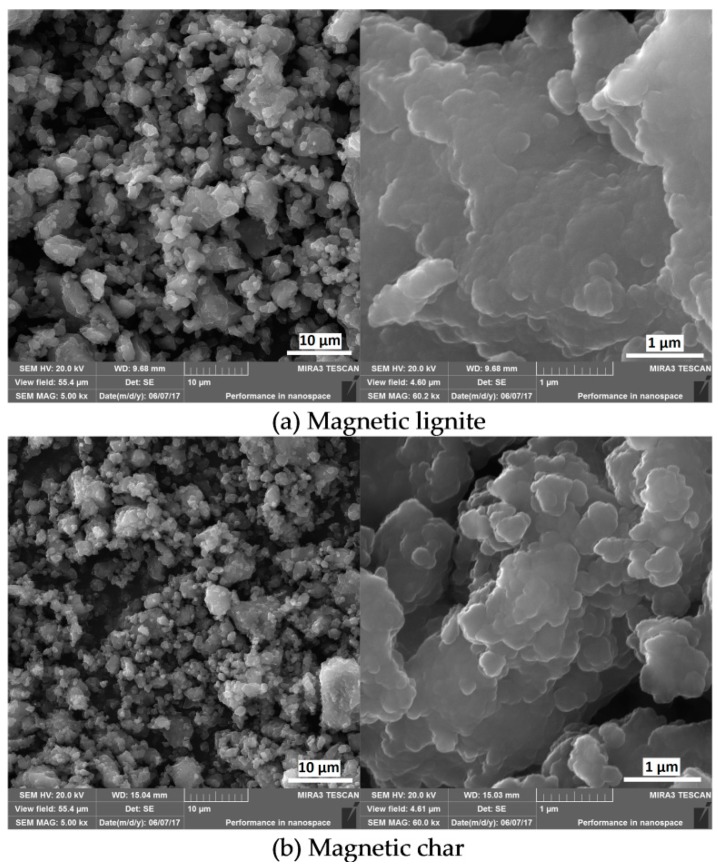
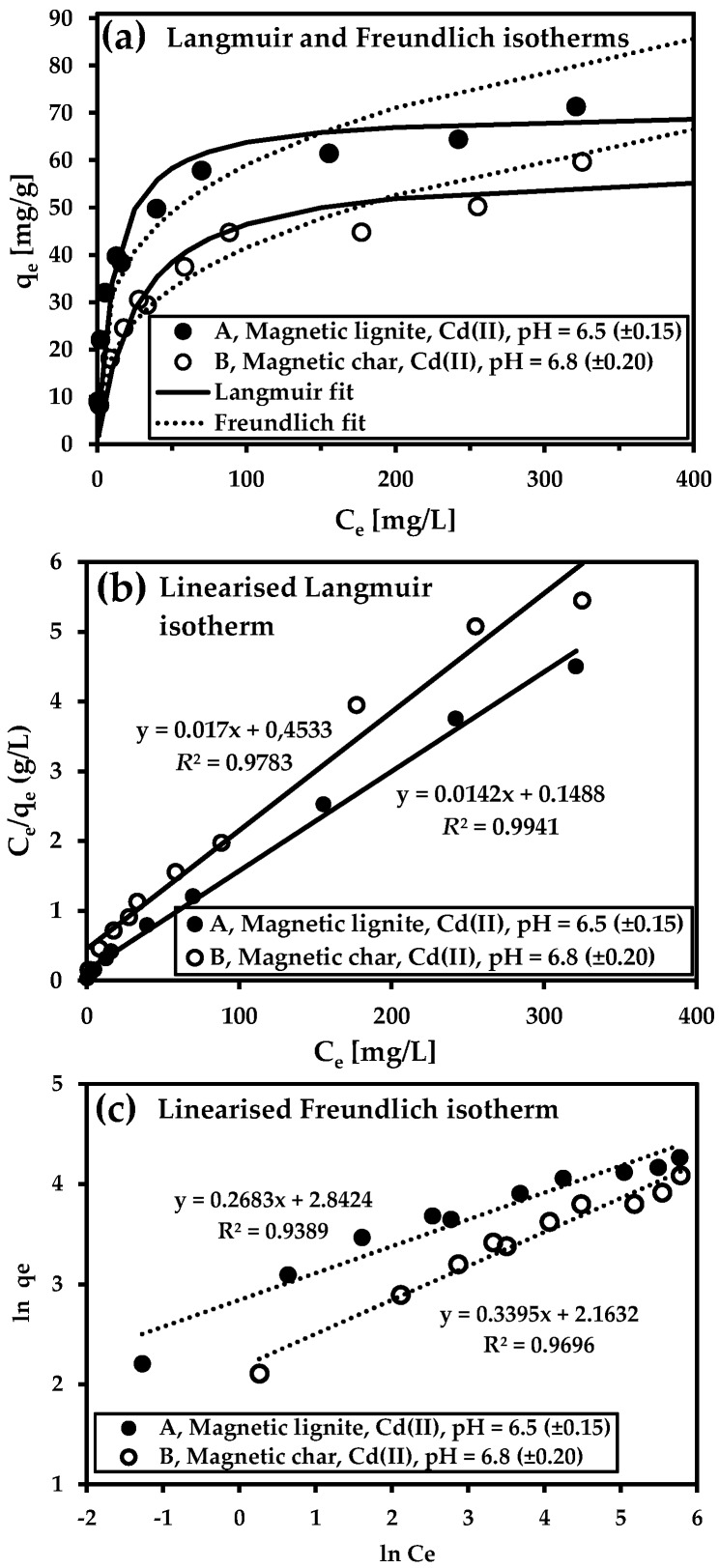
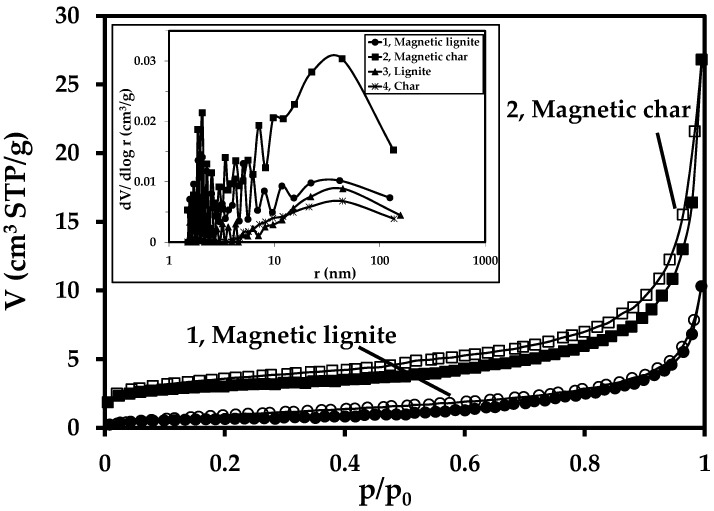
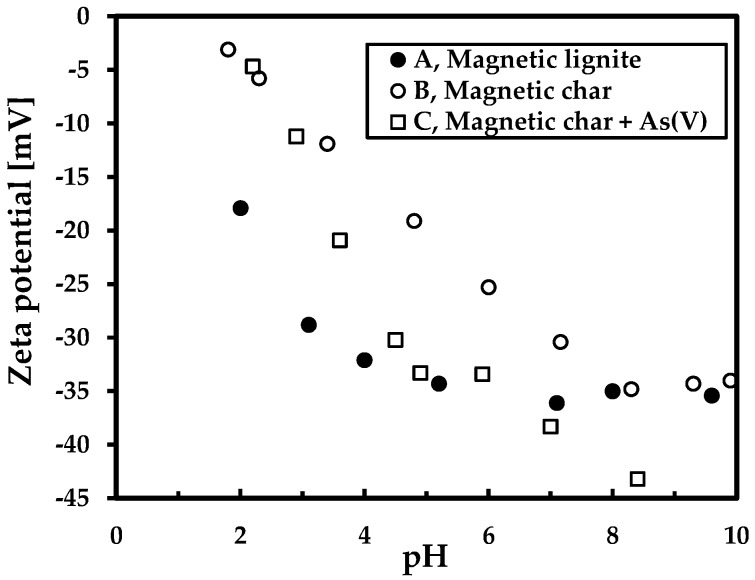
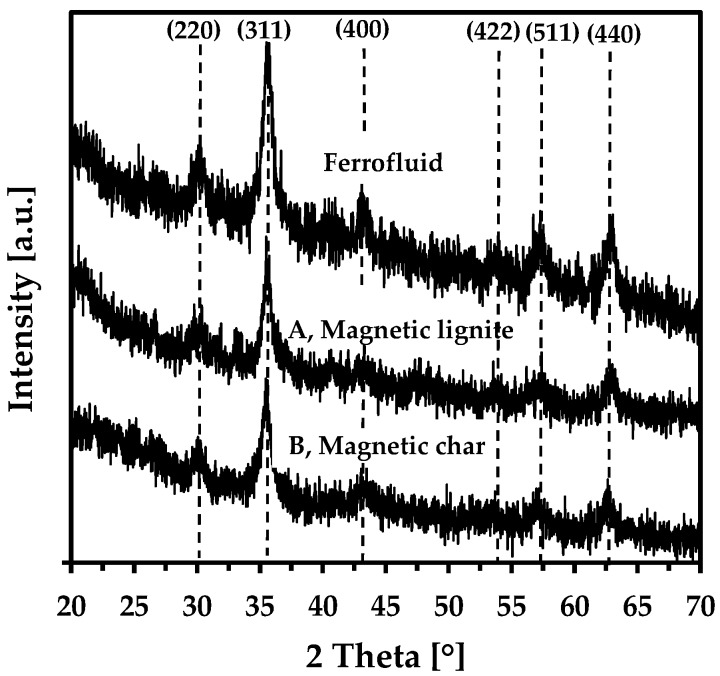
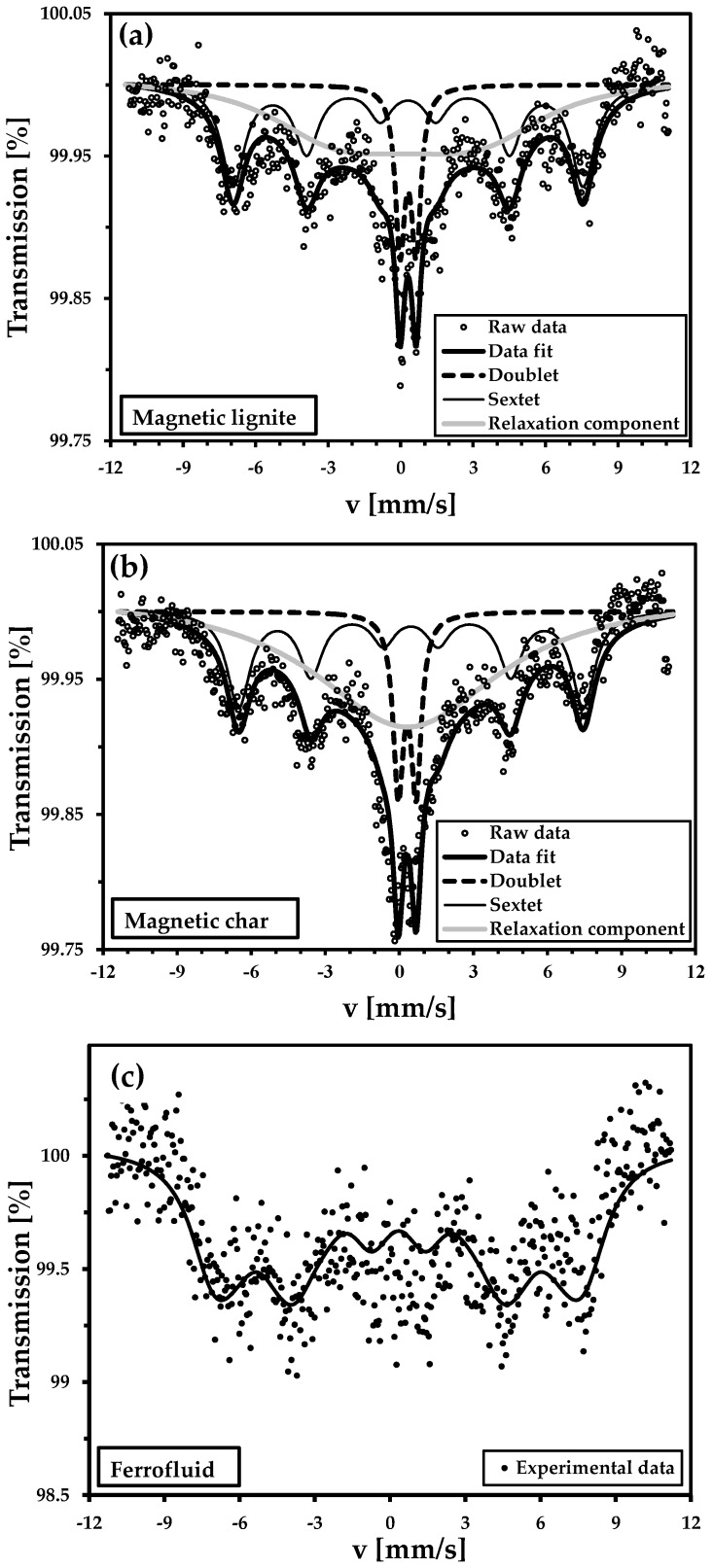
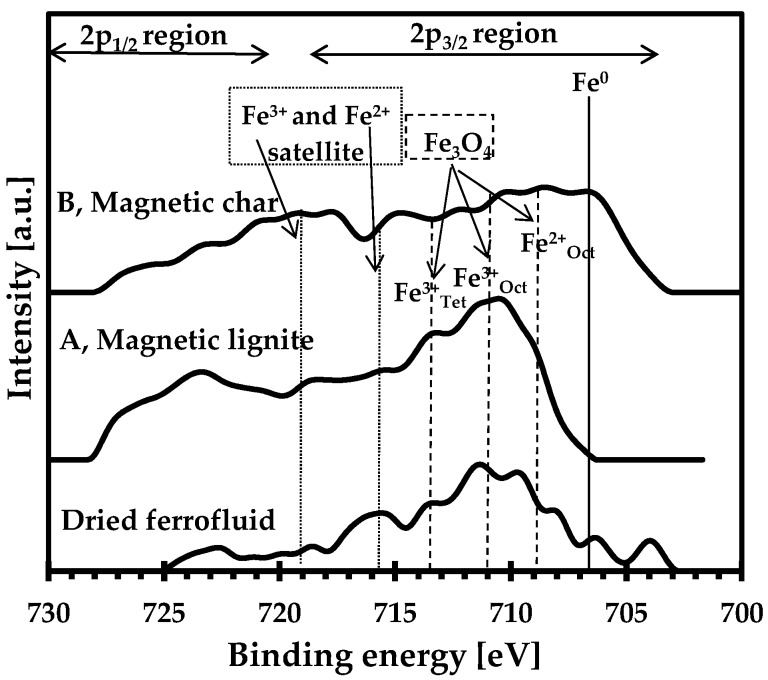
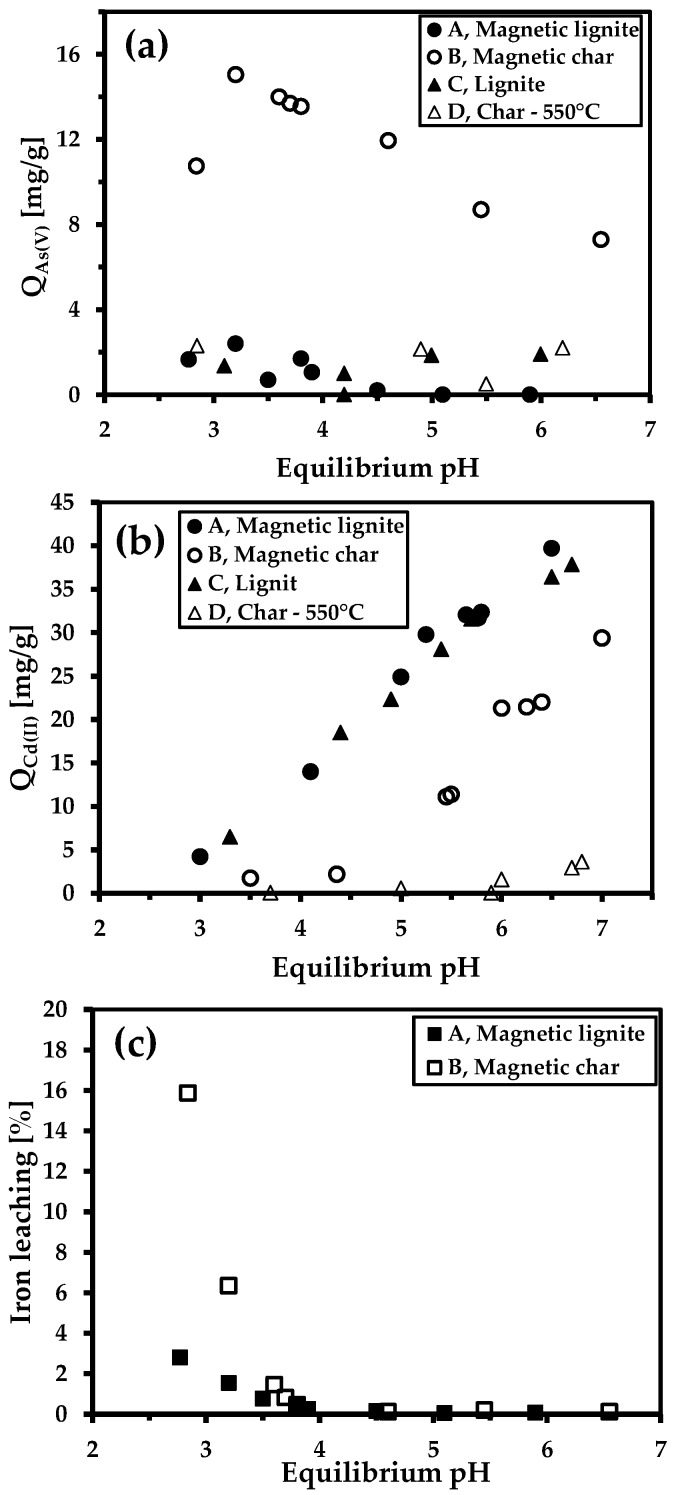
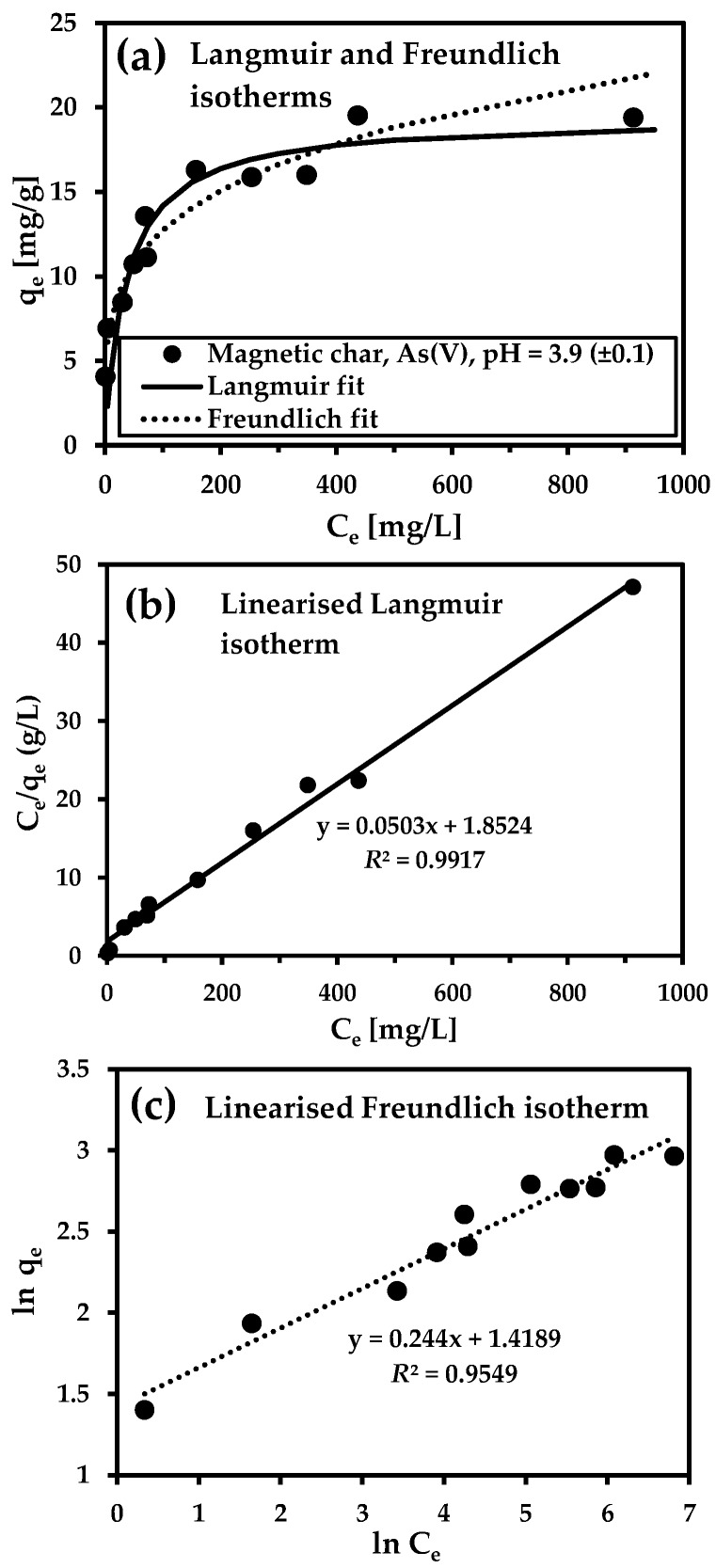
The continued decrease in water quality requires new advances in the treatment of wastewater, including the preparation of novel, effective, environmentally friendly, and affordable sorbents of toxic pollutants. We introduce a simple non-conventional mechanochemical synthesis of magnetically responsive materials. Magnetic lignite and magnetic char were prepared by high-energy ball co-milling from either raw Slovak lignite or coal-based char together with a ferrofluid. The products were characterised by X-ray diffraction, electron microscopy, Fe Mössbauer spectroscopy, X-ray photoelectron spectroscopy (XPS), volumetric magnetic susceptibility, and low-temperature nitrogen adsorption, and both magnetic carbons were comparatively tested as potential sorbents of As(V) oxyanions and Cd(II) cations in aqueous solutions. The magnetic char was an excellent sorbent of As(V) oxyanions ( = 19.9 mg/g at pH 3.9), whereas the magnetic lignite was less effective. The different sorption properties towards arsenic anions may have been due to different oxidation states of iron on the surfaces of the two magnetic composites (determined by XPS), although the overall state of iron monitored by Mössbauer spectroscopy was similar for both samples. Both magnetic composites were effective sorbents for removing Cd(II) cations ( (magnetic lignite) = 70.4 mg/g at pH 6.5; (magnetic char) = 58.8 mg/g at pH 6.8).
水质的持续下降要求废水处理取得新进展,包括制备新型、高效、环保且经济实惠的有毒污染物吸附剂。我们介绍了一种简单的非传统机械化学合成磁响应材料的方法。通过高能球磨,将斯洛伐克原煤或煤基炭与铁磁流体一起制备出磁性褐煤和磁性炭。通过X射线衍射、电子显微镜、Fe穆斯堡尔光谱、X射线光电子能谱(XPS)、体积磁化率和低温氮吸附对产物进行了表征,并对两种磁性碳作为水溶液中As(V)含氧阴离子和Cd(II)阳离子的潜在吸附剂进行了对比测试。磁性炭是As(V)含氧阴离子的优良吸附剂(在pH 3.9时 = 19.9 mg/g),而磁性褐煤的效果较差。两种磁性复合材料对砷阴离子的吸附性能不同,可能是由于两种磁性复合材料表面铁的氧化态不同(由XPS测定),尽管通过穆斯堡尔光谱监测的两种样品中铁的整体状态相似。两种磁性复合材料都是去除Cd(II)阳离子的有效吸附剂(磁性褐煤在pH 6.5时 = 70.4 mg/g;磁性炭在pH 6.8时 = 58.8 mg/g)。