Department of Physiology, College of Medicine, National Cheng Kung University, Tainan, Taiwan; Department and Graduate Institute of Aquaculture, National Kaohsiung Marine University, Kaohsiung, Taiwan.
Department of Physiology, College of Medicine, National Cheng Kung University, Tainan, Taiwan; Department of Biomedical Sciences, Chang Gung University, Taoyuan, Taiwan.
EBioMedicine. 2019 Mar;41:299-309. doi: 10.1016/j.ebiom.2019.02.059. Epub 2019 Mar 7.
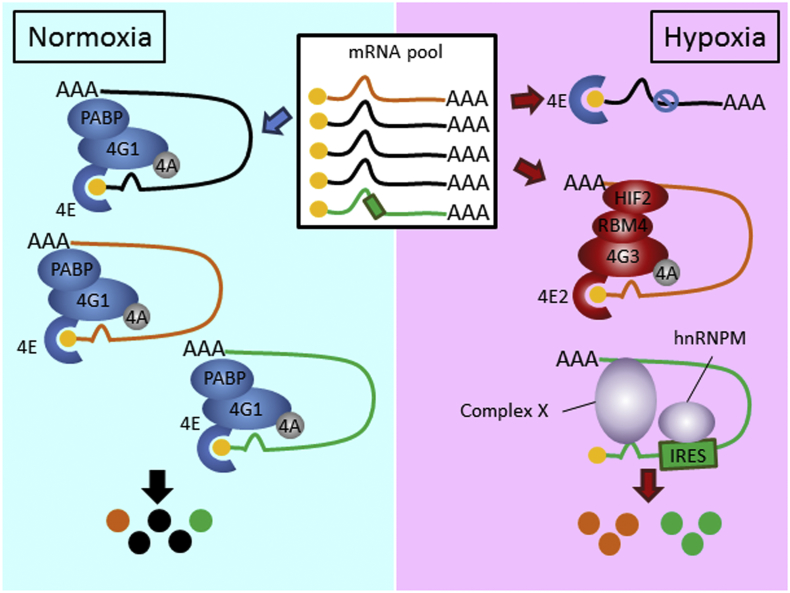
Hypoxia suppresses global protein production, yet certain essential proteins are translated through alternative pathways to survive under hypoxic stress. Translation via the internal ribosome entry site (IRES) is a means to produce proteins under stress conditions such as hypoxia; however, the underlying mechanism remains largely uncharacterized.
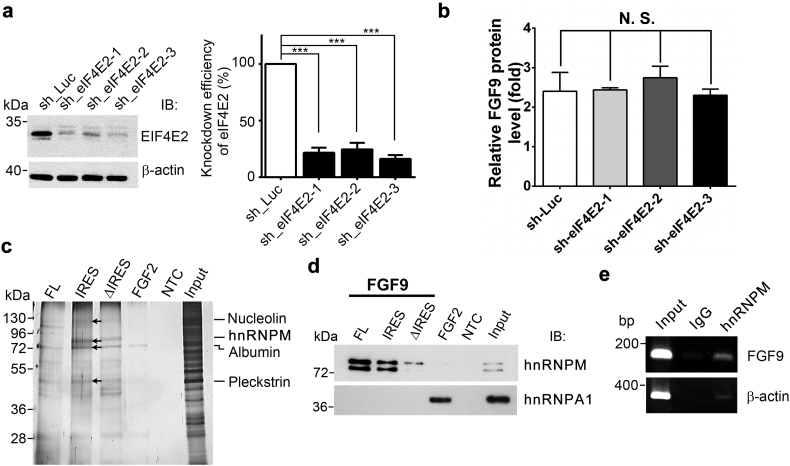
Proteomic and bioinformatic analyses were employed to identify hnRNPM as an IRES interacting factor. Clinical specimens and mouse model of tumorigenesis were used for determining the expression and correlation of hnRNPM and its target gene. Transcriptomic and translatomic analyses were performed to profile target genes regulated by hnRNPM.
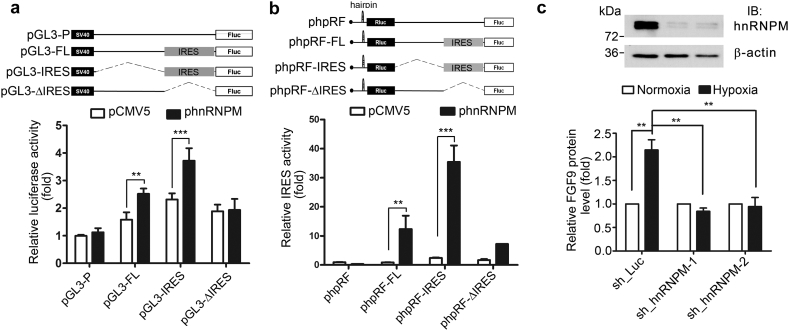
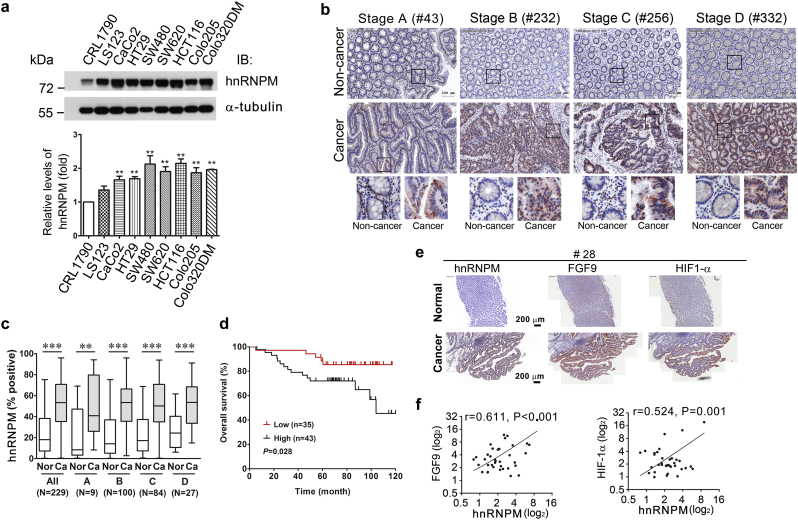
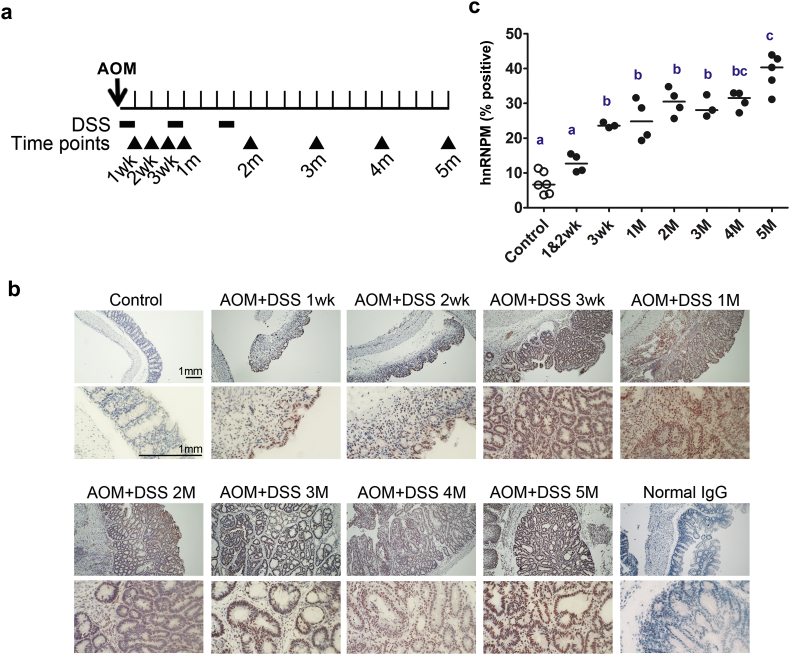
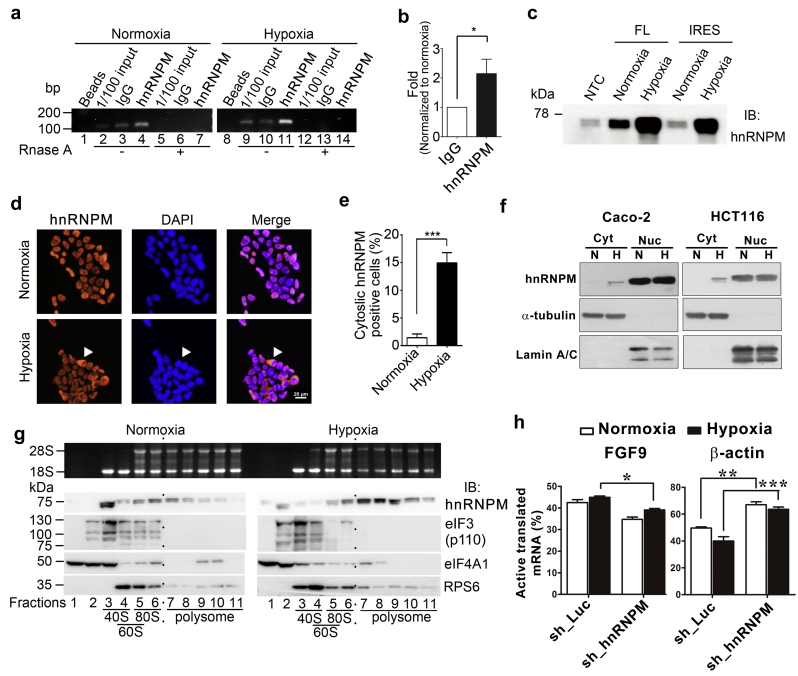
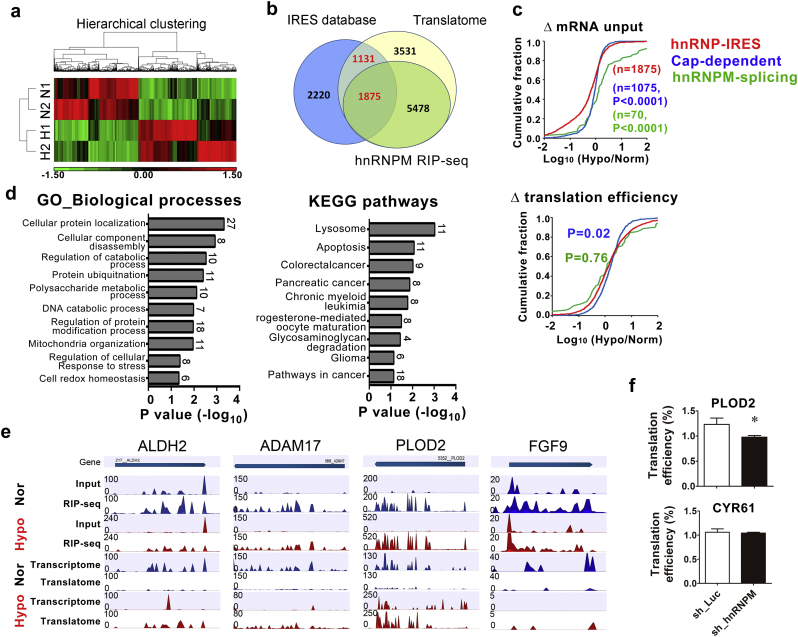
Hypoxia increases cytosolic hnRNPM binding onto its target mRNAs and promotes translation initiation. Clinical colon cancer specimens and mouse carcinogenesis model showed that hnRNPM is elevated during the development of colorectal cancer, and is associated with poor prognosis. Genome-wide transcriptomics and translatomics analyses revealed a unique set of hnRNPM-targeted genes involved in metabolic processes and cancer neoplasia are selectively translated under hypoxia.
These data highlight the critical role of hnRNPM-IRES-mediated translation in transforming hypoxia-induced proteome toward malignancy. FUND: This work was supported by the Ministry of Science and Technology, Taiwan (MOST 104-2320-B-006-042 to HSS and MOST 105-2628-B-001-MY3 to TMC).
缺氧抑制了全球蛋白质的产生,但某些必需蛋白通过替代途径被翻译,以在缺氧应激下存活。通过内部核糖体进入位点(IRES)进行翻译是在缺氧等应激条件下产生蛋白质的一种手段;然而,其潜在机制在很大程度上仍未被描述。
采用蛋白质组学和生物信息学分析鉴定 hnRNPM 作为 IRES 相互作用因子。临床标本和肿瘤发生的小鼠模型用于确定 hnRNPM 及其靶基因的表达和相关性。进行转录组学和转位分析以描绘受 hnRNPM 调控的靶基因。
缺氧增加了细胞质 hnRNPM 与其靶 mRNA 的结合,并促进翻译起始。临床结肠癌标本和小鼠致癌模型表明,hnRNPM 在结直肠癌的发展过程中升高,并与预后不良相关。全基因组转录组学和转位分析揭示了一组独特的 hnRNPM 靶向基因,这些基因参与代谢过程和癌症发生,在缺氧下被选择性翻译。
这些数据突出了 hnRNPM-IRES 介导的翻译在将缺氧诱导的蛋白质组转化为恶性肿瘤方面的关键作用。
本工作得到台湾科技部(MOST 104-2320-B-006-042 给 HSS 和 MOST 105-2628-B-001-MY3 给 TMC)的支持。