Khodashenas Mohammadreza, Baghdadi Golnaz, Towhidkhah Farzad
Department of Biomedical Engineering, Amirkabir University of Technology, Tehran, Iran.
J Math Neurosci. 2019 May 31;9(1):4. doi: 10.1186/s13408-019-0072-5.
Trigeminal neuralgia (TN) is a severe neuropathic pain, which has an electric shock-like characteristic. There are some common treatments for this pain such as medicine, microvascular decompression or radio frequency. In this regard, transcranial direct current stimulation (tDCS) is another therapeutic method to reduce pain, which has been recently attracting the therapists' attention. The positive effect of tDCS on TN was shown in many previous studies. However, the mechanism of the tDCS effect has remained unclear.
This study aims to model the neuronal behavior of the main known regions of the brain participating in TN pathways to study the effect of transcranial direct current stimulation.
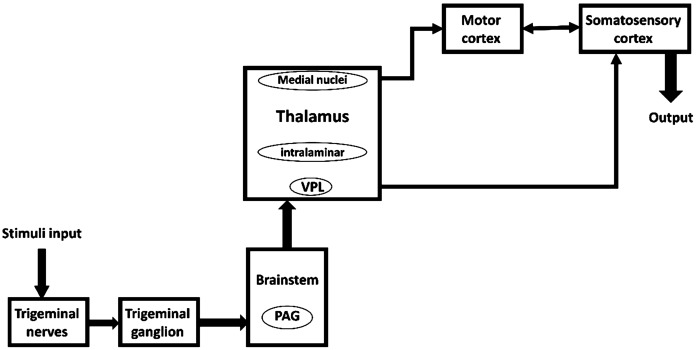
The proposed model consists of several blocks: (1) trigeminal nerve, (2) trigeminal ganglion, (3) PAG (periaqueductal gray in the brainstem), (4) thalamus, (5) motor cortex (M1) and (6) somatosensory cortex (S1). Each of these components is represented by a modified Hodgkin-Huxley (HH) model. The modification of the HH model was done based on some neurological facts of pain sodium channels. The input of the model involves any stimuli to the 'trigeminal nerve,' which cause the pain, and the output is the activity of the somatosensory cortex. An external current, which is considered as an electrical current, was applied to the motor cortex block of the model.
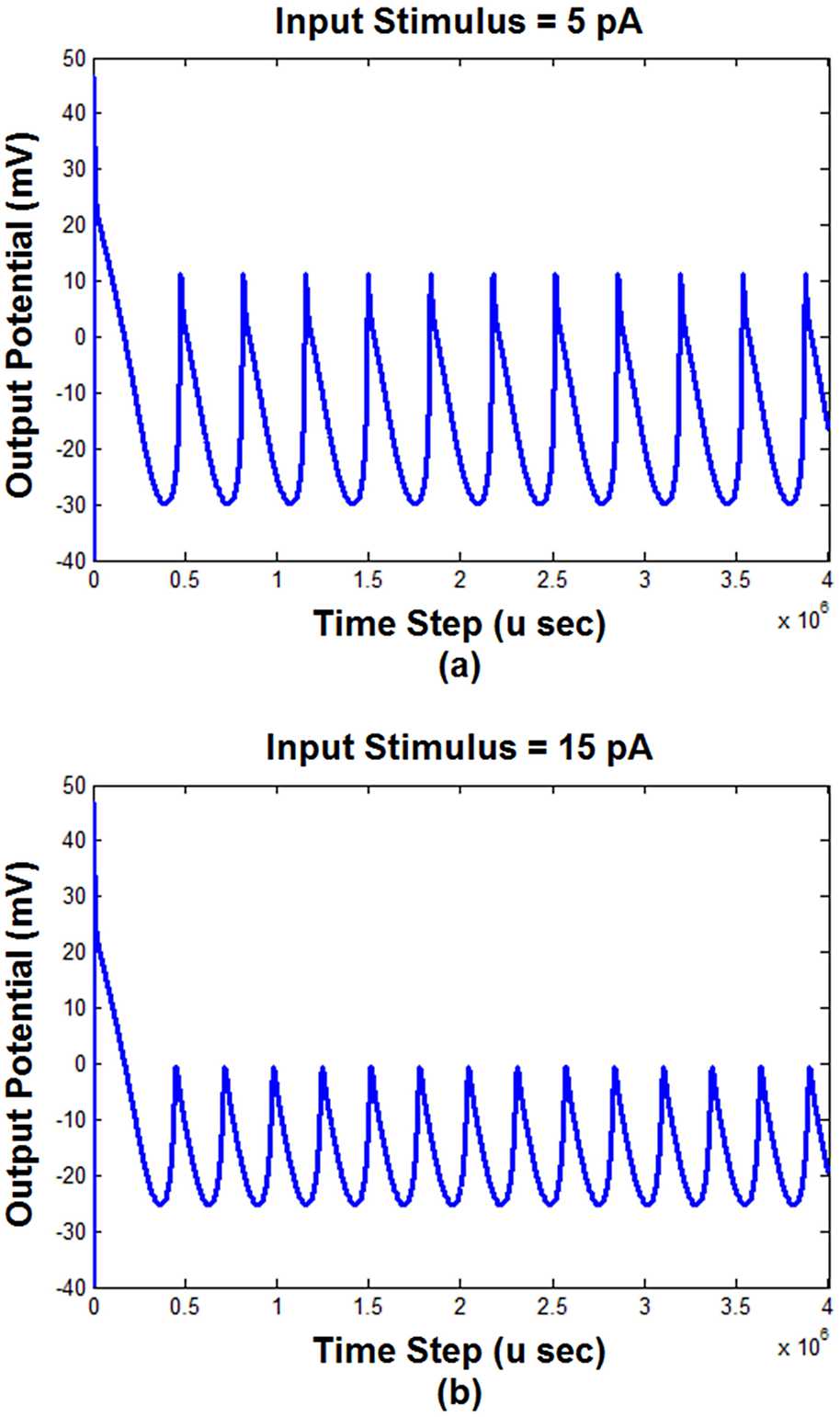
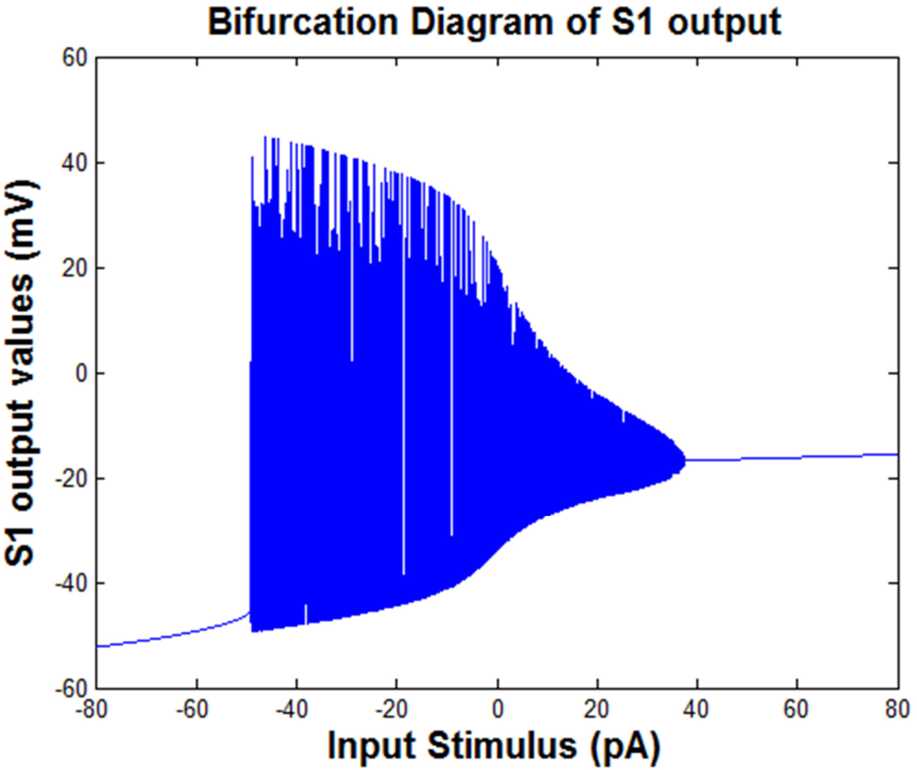
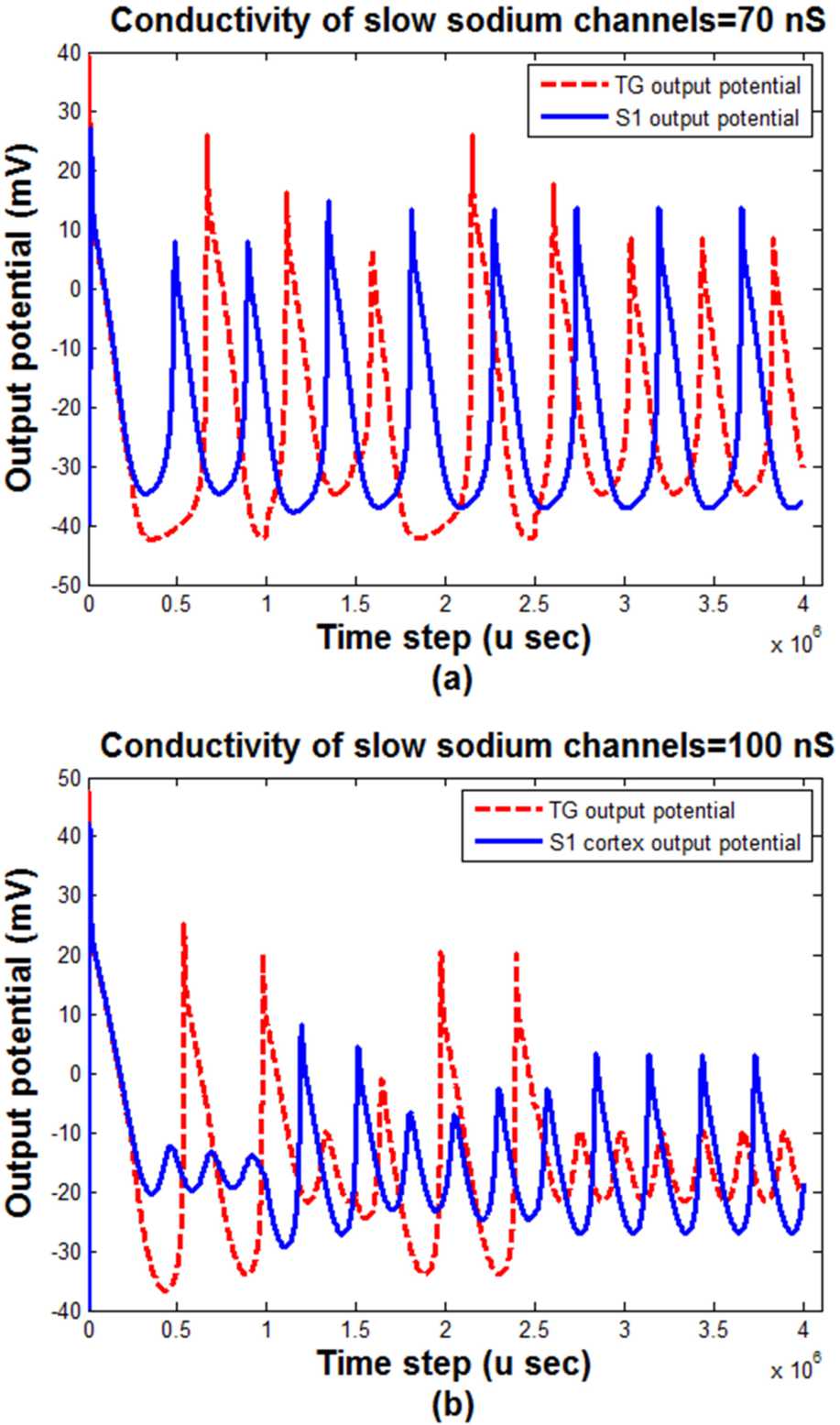
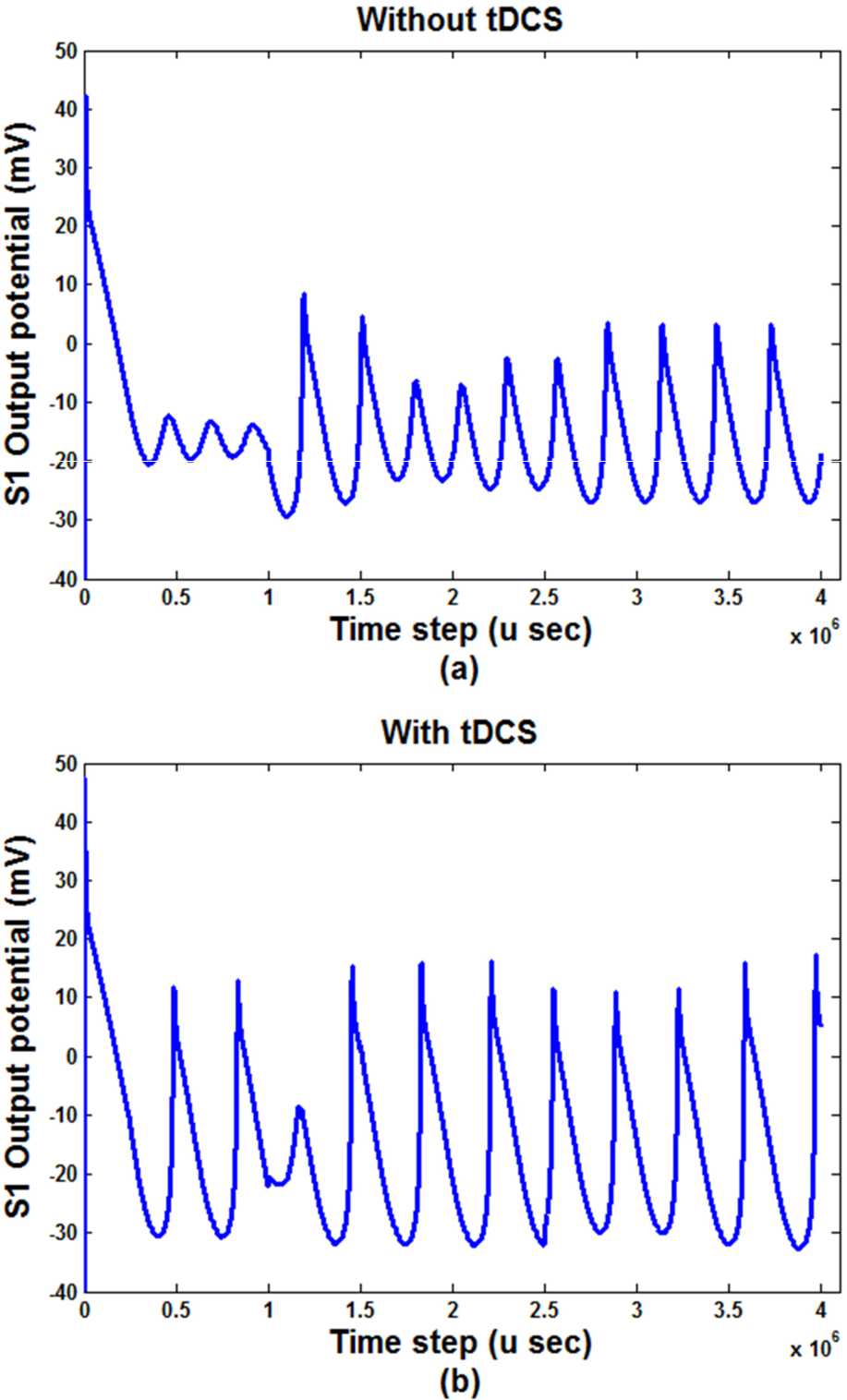
The results showed that by decreasing the conductivity of the slow sodium channels (pain channels) and applying tDCS over the M1, the activity of the somatosensory cortex would be reduced. This reduction can cause pain relief.
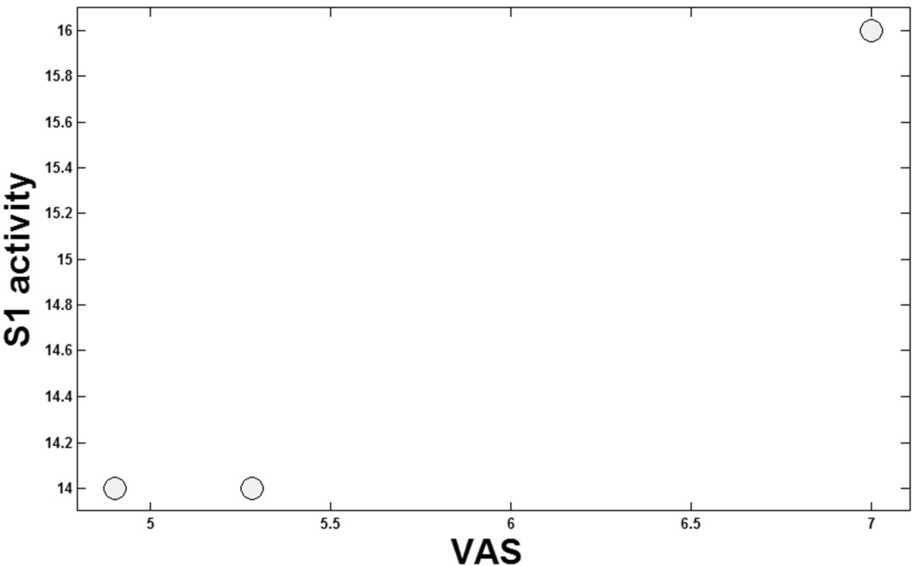
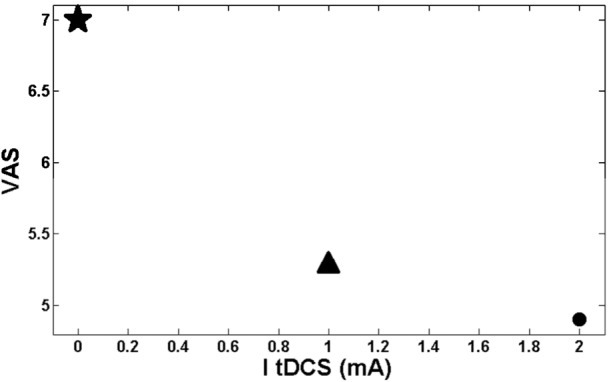
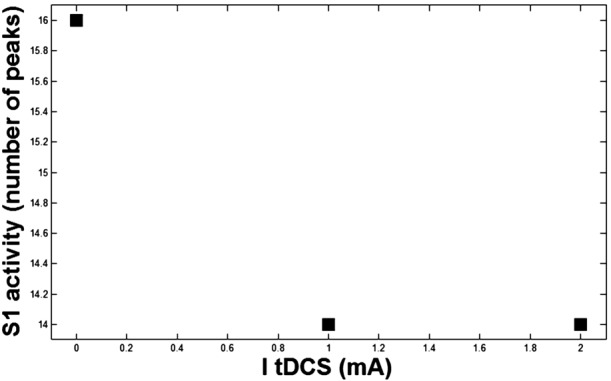
The proposed model provided some possible suggestions about the relationship between the effects of tDCS and associated components in TN, and also the relationship between the pain measurement index, somatosensory cortex activity, and the strength of tDCS.
三叉神经痛(TN)是一种严重的神经性疼痛,具有电击样特征。针对这种疼痛有一些常见的治疗方法,如药物治疗、微血管减压术或射频治疗。在这方面,经颅直流电刺激(tDCS)是另一种减轻疼痛的治疗方法,最近引起了治疗师的关注。以往许多研究表明tDCS对TN有积极作用。然而,tDCS作用的机制仍不清楚。
本研究旨在对参与TN通路的大脑主要已知区域的神经元行为进行建模,以研究经颅直流电刺激的效果。
所提出的模型由几个模块组成:(1)三叉神经,(2)三叉神经节,(3)中脑导水管周围灰质(PAG),(4)丘脑,(5)运动皮层(M1)和(6)体感皮层(S1)。这些组件中的每一个都由一个修改后的霍奇金-赫胥黎(HH)模型表示。HH模型的修改是基于疼痛钠通道的一些神经学事实进行的。模型的输入涉及对“三叉神经”的任何引起疼痛的刺激,输出是体感皮层的活动。将一个被视为电流的外部电流施加到模型的运动皮层模块上。
结果表明,通过降低慢钠通道(疼痛通道)的电导率并在M1上施加tDCS,体感皮层的活动会降低。这种降低可导致疼痛缓解。
所提出的模型为tDCS的作用与TN中相关组件之间的关系,以及疼痛测量指标、体感皮层活动和tDCS强度之间的关系提供了一些可能的建议。