Department of Molecular, Cellular and Biomedical Sciences, Sophie Davis School of Biomedical Education, City University of New York School of Medicine, New York, NY, United States.
Department of Biological and Chemical Sciences, New York Institute of Technology, NY 10023, United States.
Biochem Pharmacol. 2020 Jun;176:113857. doi: 10.1016/j.bcp.2020.113857. Epub 2020 Feb 14.
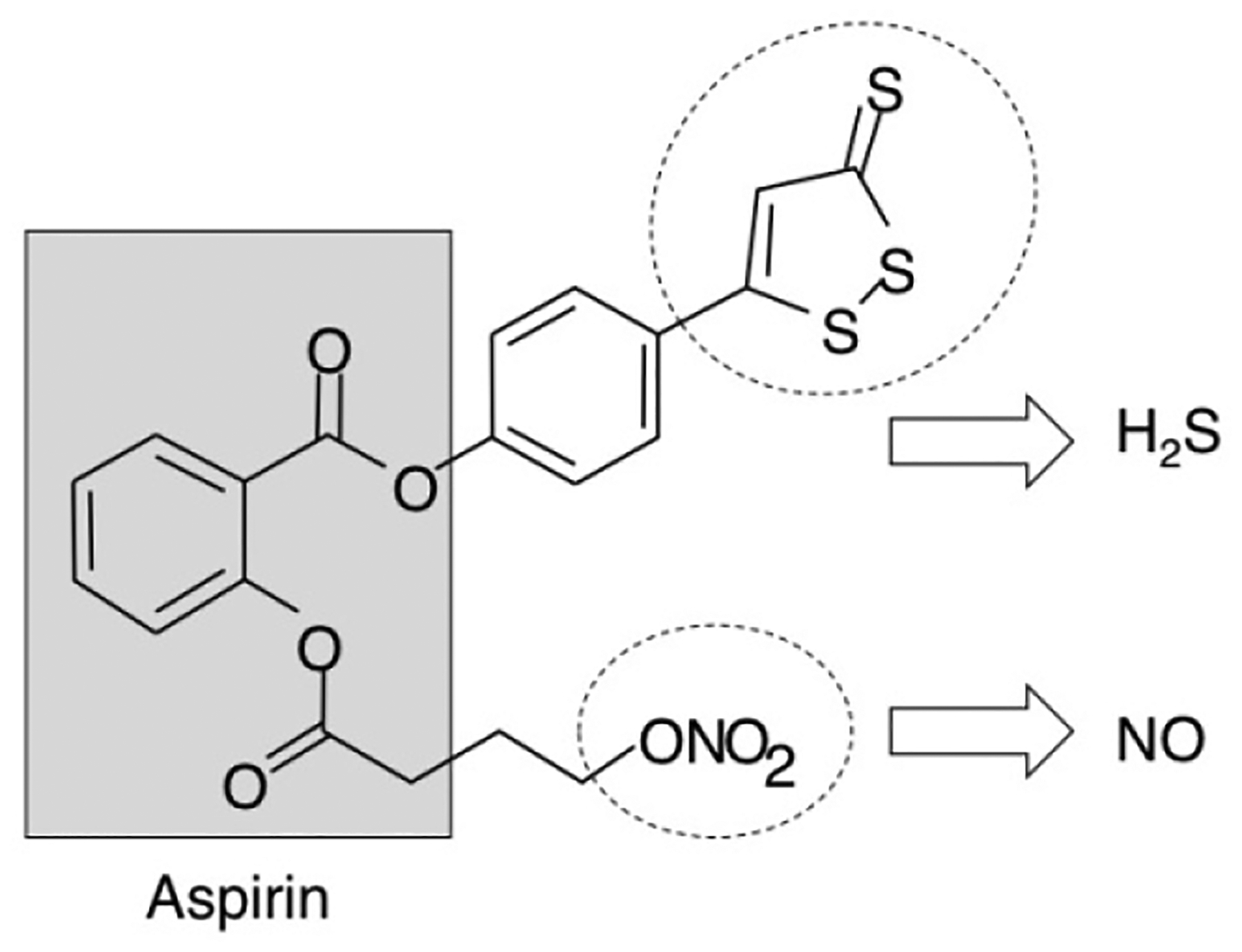
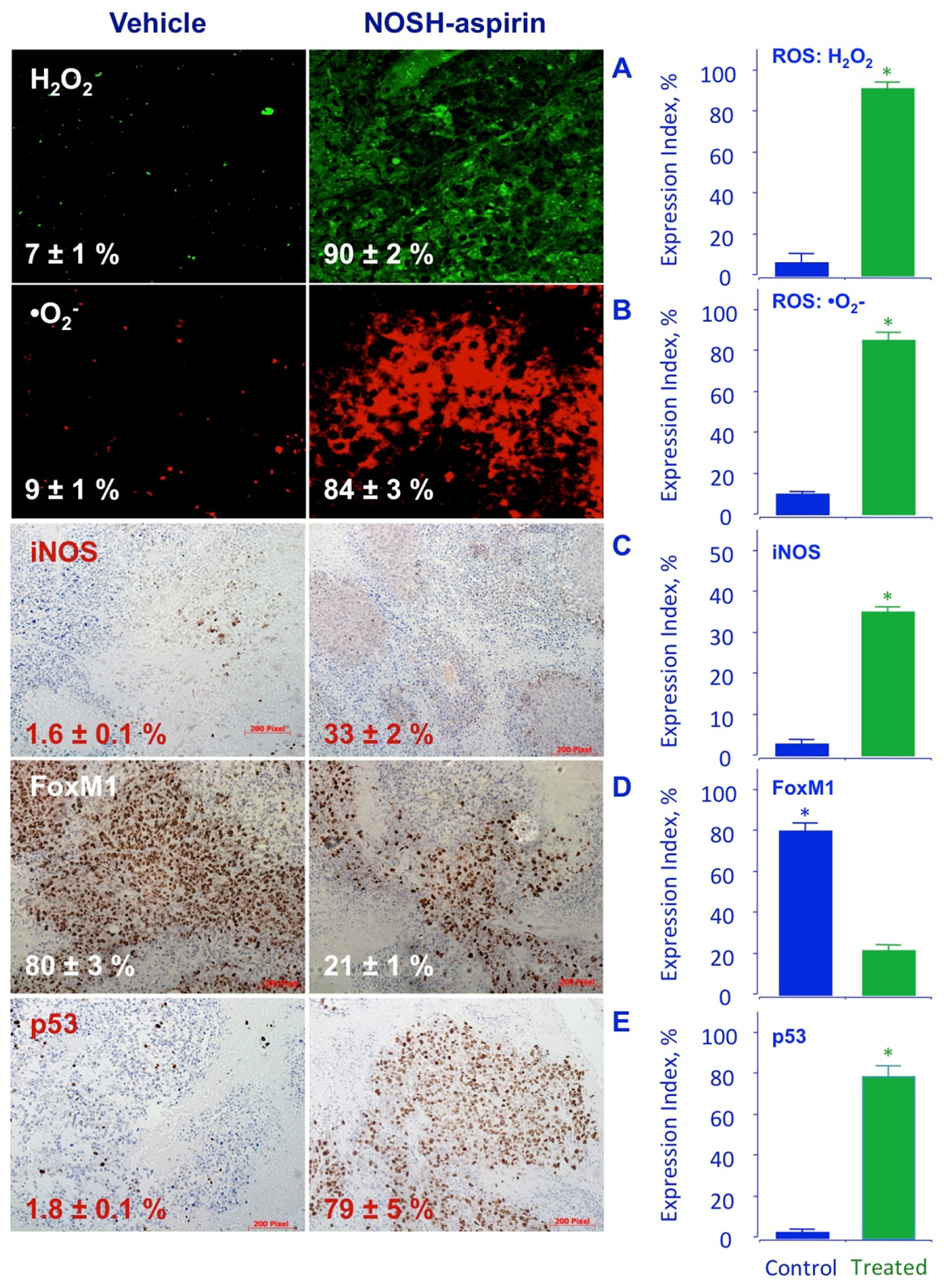
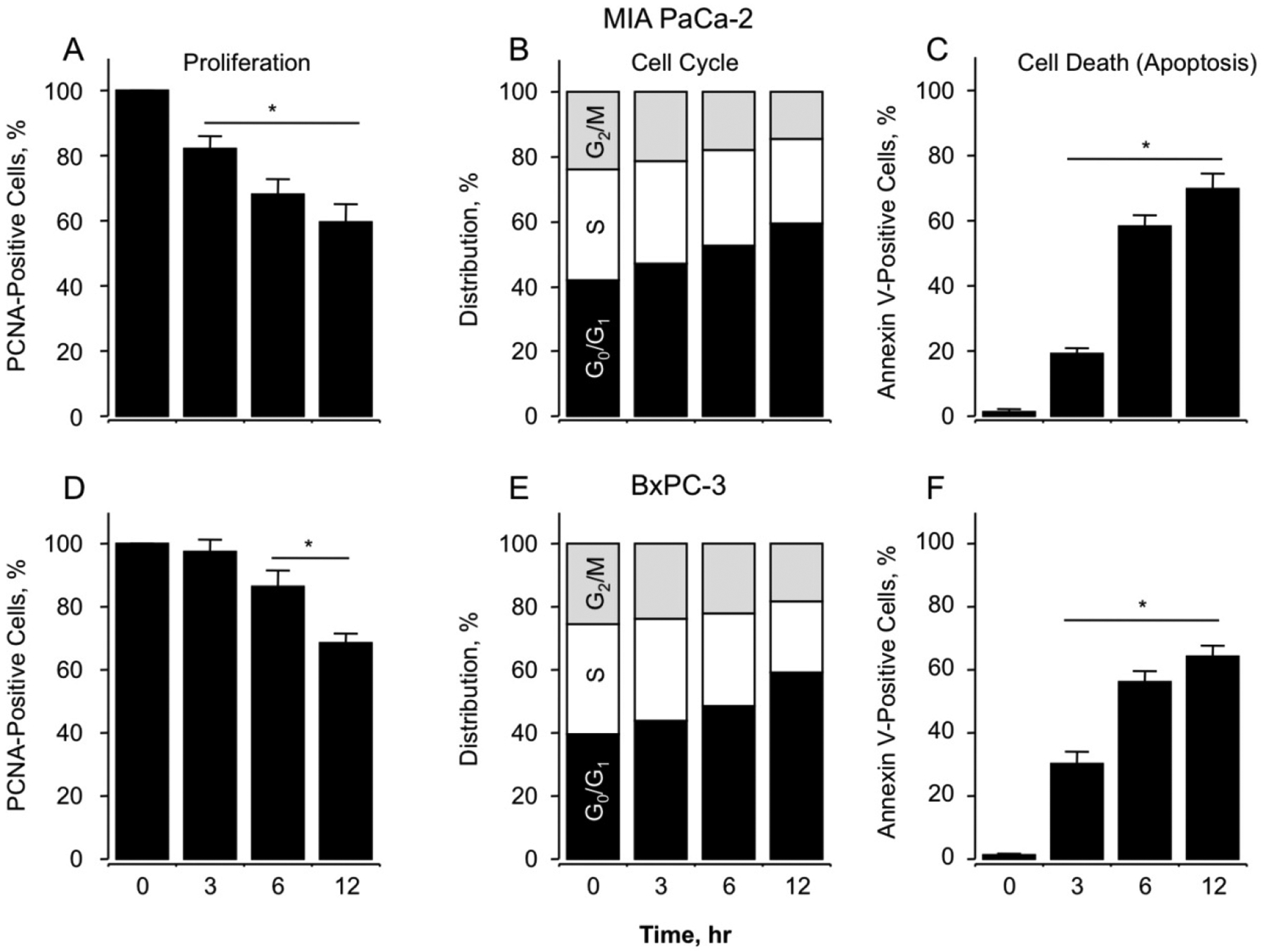
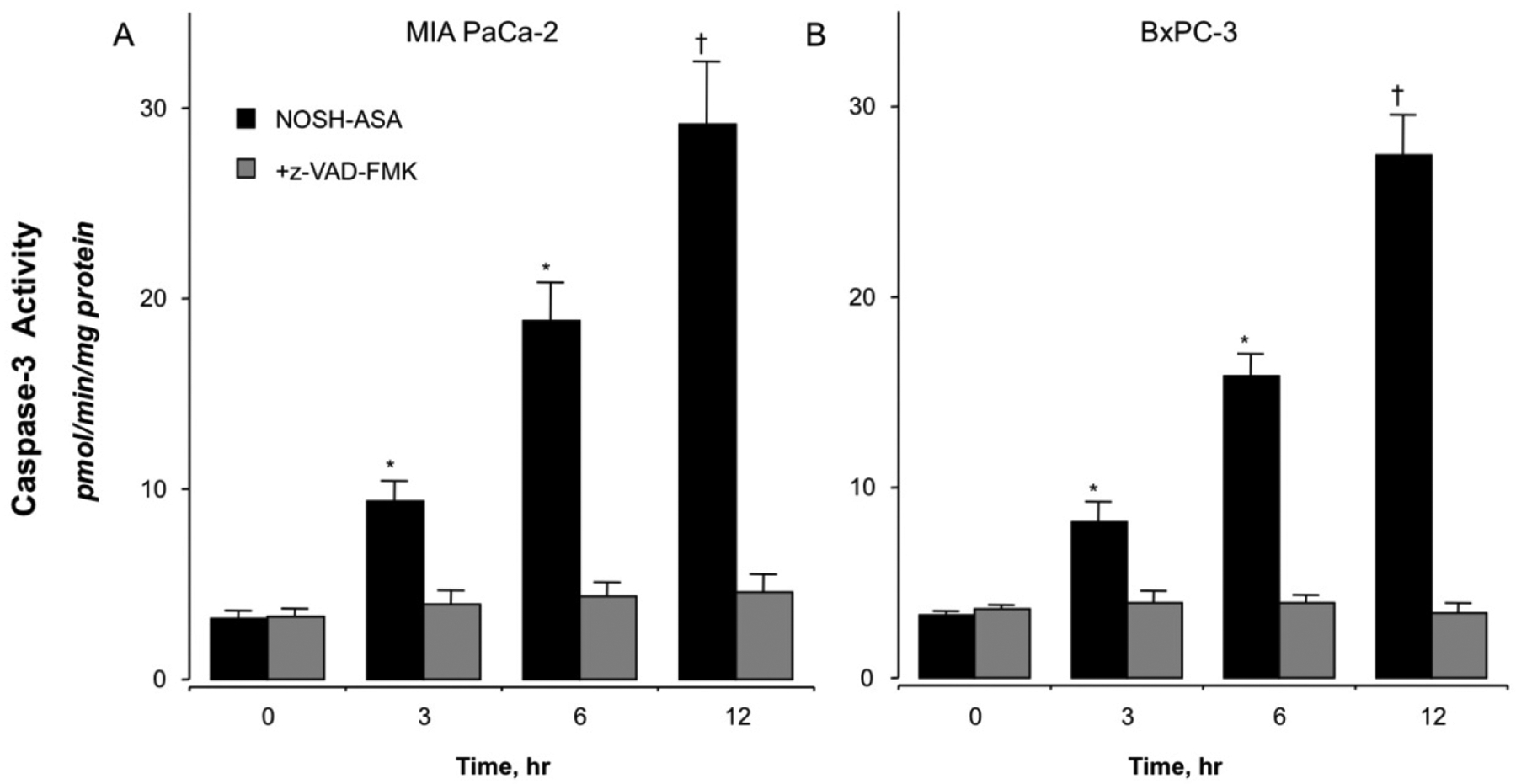
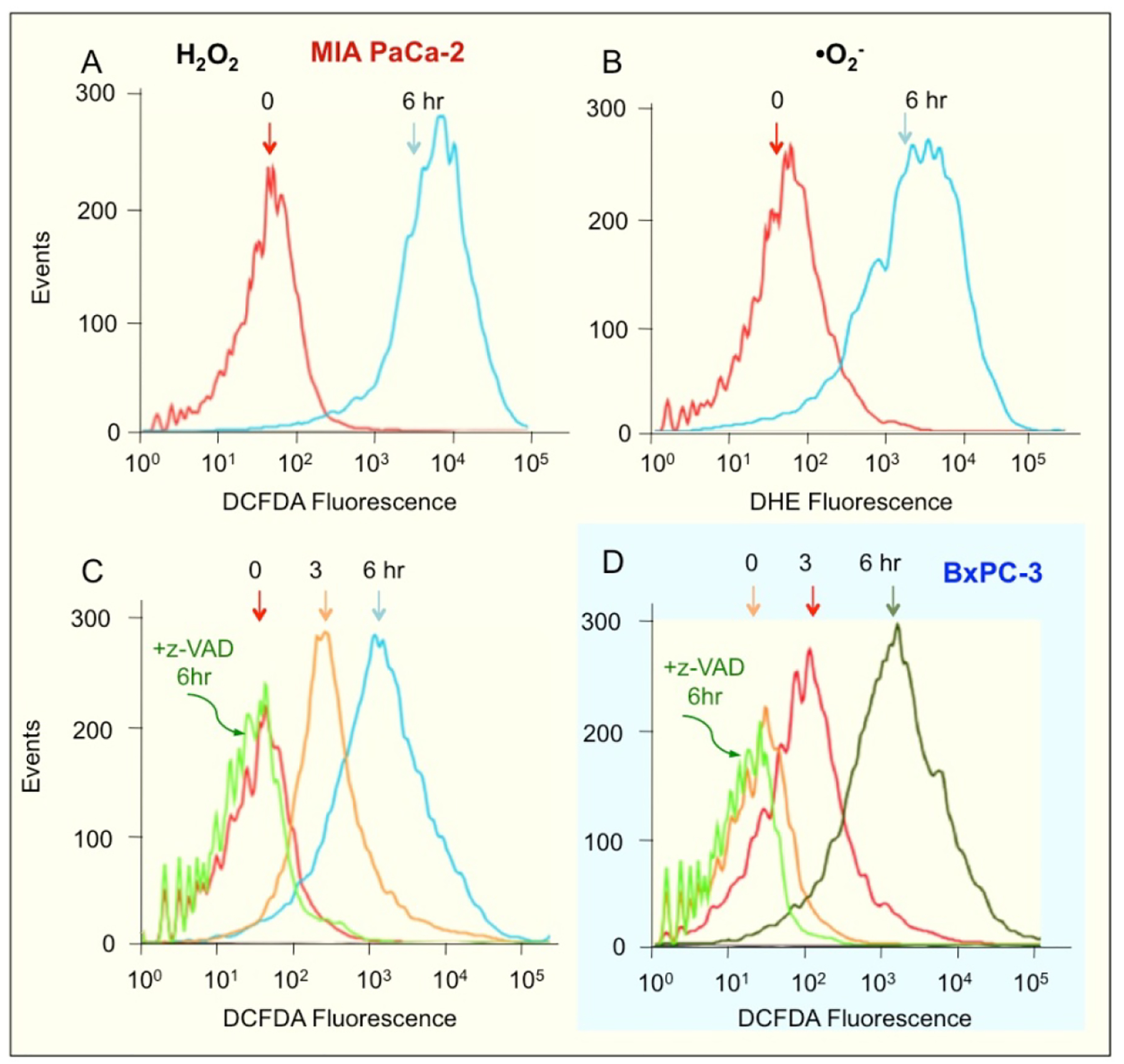
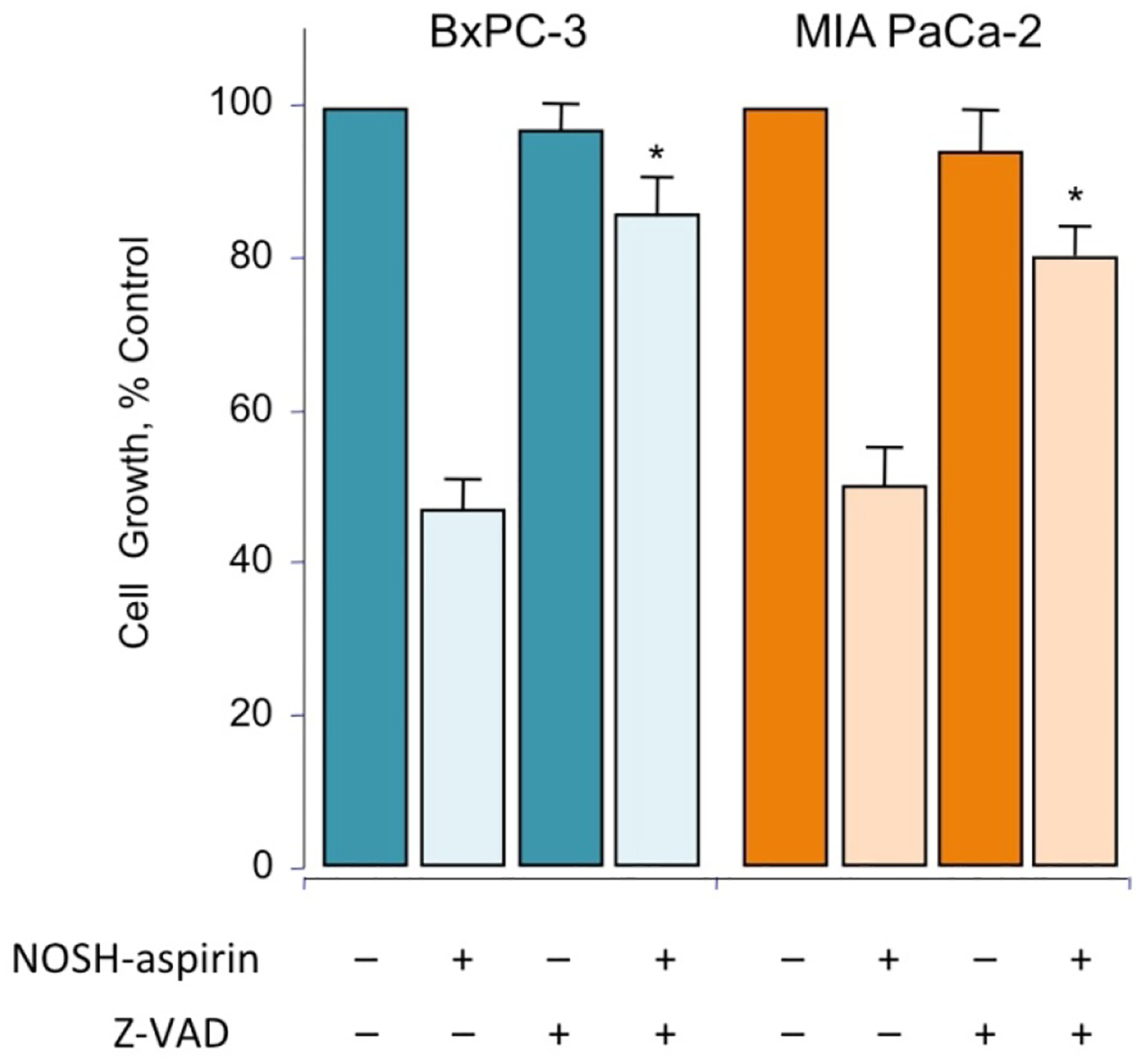
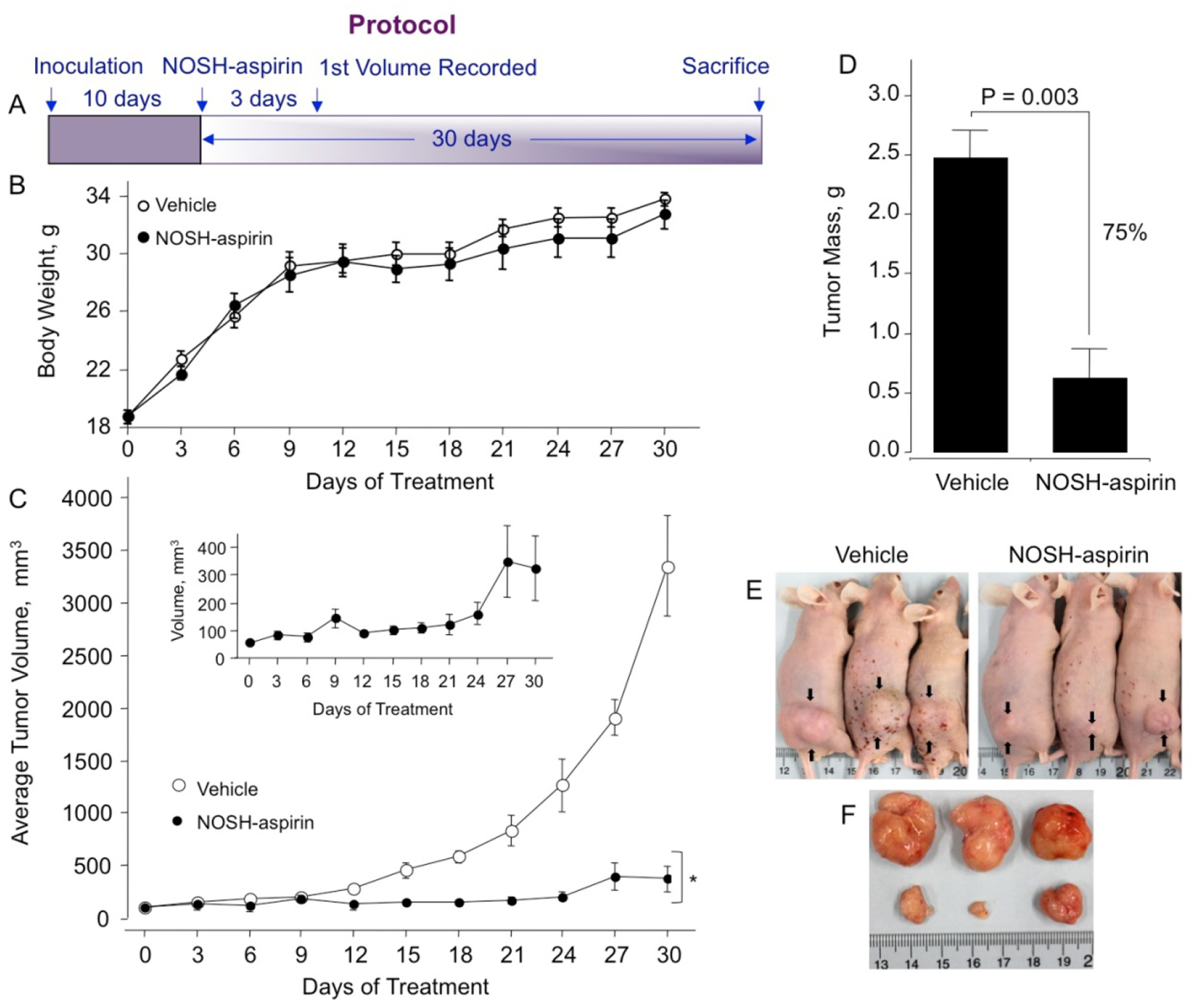
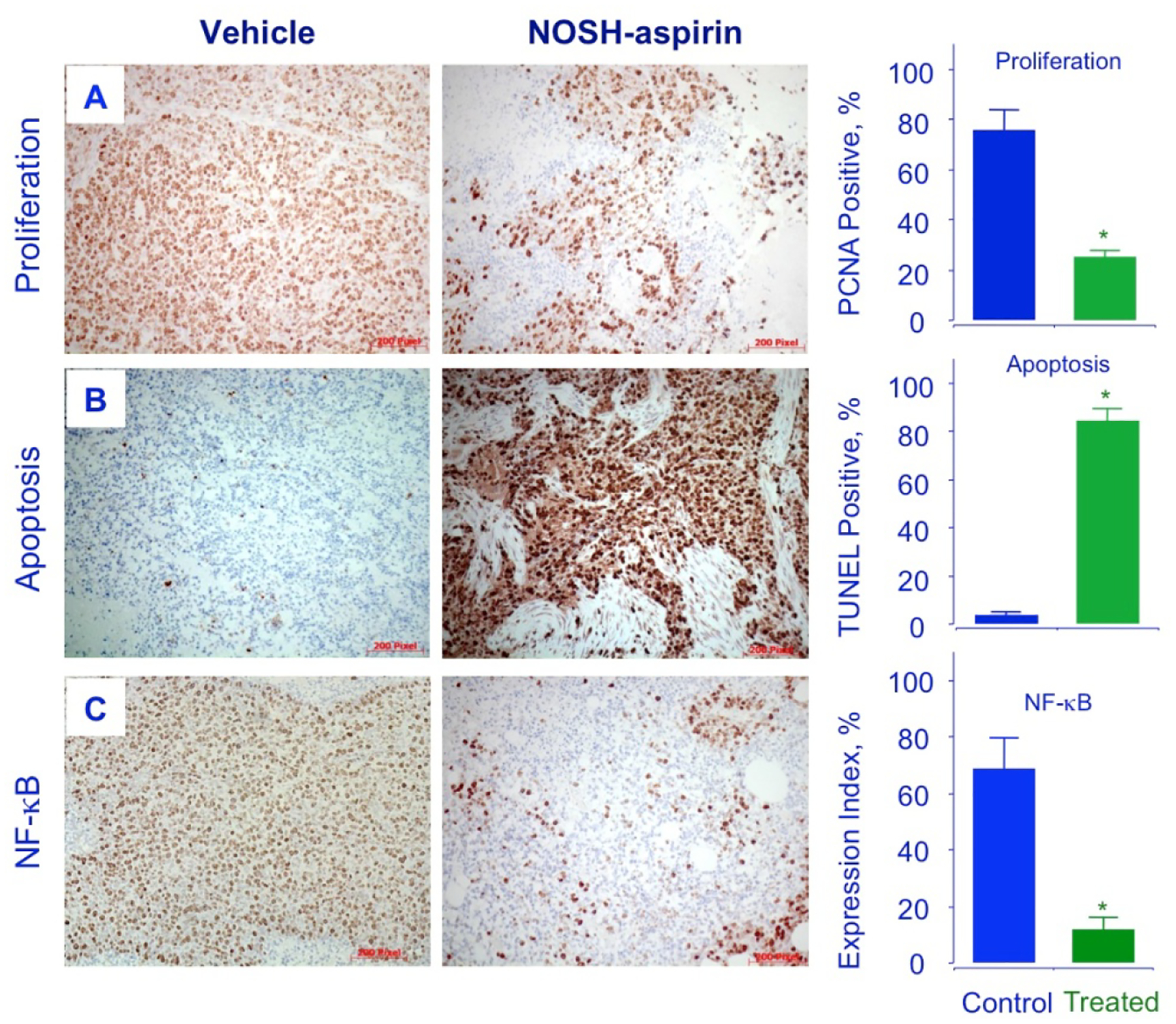
Pancreatic cancer has poor survival rates and largely ineffective therapies. Aspirin is the prototypical anti-cancer agent but its long-term use is associated with significant side effects. NOSH-aspirin belongs to a new class of anti-inflammatory agents that were designed to be safer alternatives by releasing nitric oxide and hydrogen sulfide. In this study we evaluated the effects of NOSH-aspirin against pancreatic cancer using cell lines and a xenograft mouse model. NOSH-aspirin inhibited growth of MIA PaCa-2 and BxPC-3 pancreatic cancer cells with ICs of 47 ± 5, and 57 ± 4 nM, respectively, while it did not inhibit growth of a normal pancreatic epithelial cell line at these concentrations. NOSH-aspirin inhibited cell proliferation, caused G/G phase cycle arrest, leading to increased apoptosis. Treated cells displayed increases in reactive oxygen species (ROS) and caspase-3 activity. In MIA PaCa-2 cell xenografts, NOSH-aspirin significantly reduced tumor growth and tumor mass. Growth inhibition was due to reduced proliferation (decreased PCNA expression) and induction of apoptosis (increased TUNEL positive cells). Expressions of ROS, iNOS, and mutated p53 were increased; while that of NF-κB and FoxM1 that were high in vehicle-treated xenografts were significantly inhibited by NOSH-aspirin. Taken together, these molecular events and signaling pathways contribute to NOSH-aspirin mediated growth inhibition and apoptotic death of pancreatic cancer cells in vitro and in vivo.
胰腺癌的存活率低,且治疗效果不佳。阿司匹林是典型的抗癌药物,但长期使用会产生严重的副作用。NOSH-aspirin 属于一类新型的抗炎药物,旨在通过释放一氧化氮和硫化氢来作为更安全的替代品。在这项研究中,我们使用细胞系和异种移植小鼠模型来评估 NOSH-aspirin 对胰腺癌的作用。NOSH-aspirin 抑制 MIA PaCa-2 和 BxPC-3 胰腺癌细胞的生长,IC 分别为 47 ± 5 和 57 ± 4 nM,而在这些浓度下,它不会抑制正常胰腺上皮细胞系的生长。NOSH-aspirin 抑制细胞增殖,导致 G1/G0 期细胞周期阻滞,从而增加细胞凋亡。经处理的细胞显示活性氧 (ROS) 和 caspase-3 活性增加。在 MIA PaCa-2 细胞异种移植中,NOSH-aspirin 显著抑制肿瘤生长和肿瘤质量。生长抑制是由于增殖减少(PCNA 表达减少)和凋亡诱导(TUNEL 阳性细胞增加)所致。ROS、iNOS 和突变型 p53 的表达增加;而在载体处理的异种移植中表达较高的 NF-κB 和 FoxM1 则被 NOSH-aspirin 显著抑制。综上所述,这些分子事件和信号通路有助于 NOSH-aspirin 介导的胰腺癌细胞体外和体内生长抑制和凋亡死亡。