Pinem Mekro Permana, Wardhono Endarto Yudo, Nadaud Frederic, Clausse Danièle, Saleh Khashayar, Guénin Erwann
Chemical Engineering Department, University of Sultan Ageng Tirtayasa, Jl Jendral Sudirman km 3, Cilegon 42435, Banten, Indonesia.
Integrated Transformations of Renewable Matter Laboratory (EA TIMR 4297 UTC-ESCOM), Sorbonne Universités, Université de Technologie de Compiègne, rue du Dr Schweitzer, 60200 Compiègne, France.
Nanomaterials (Basel). 2020 Apr 2;10(4):660. doi: 10.3390/nano10040660.
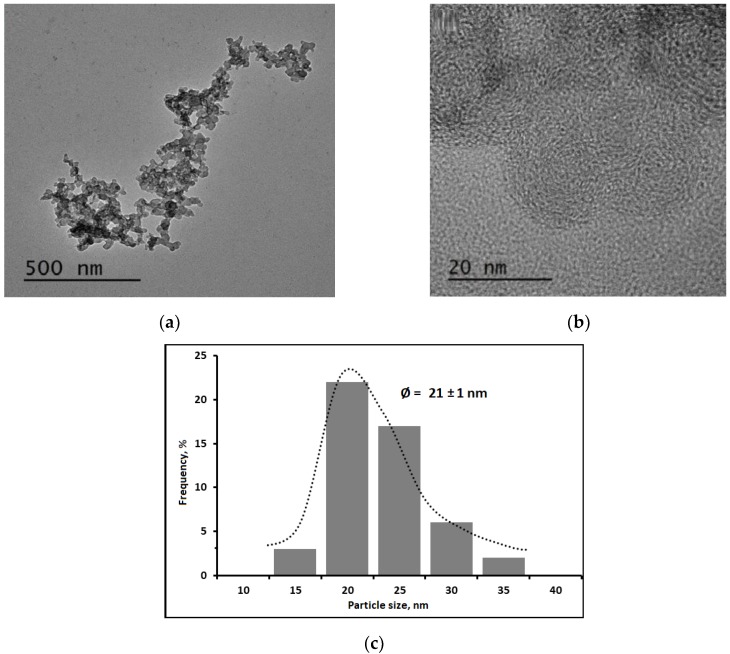
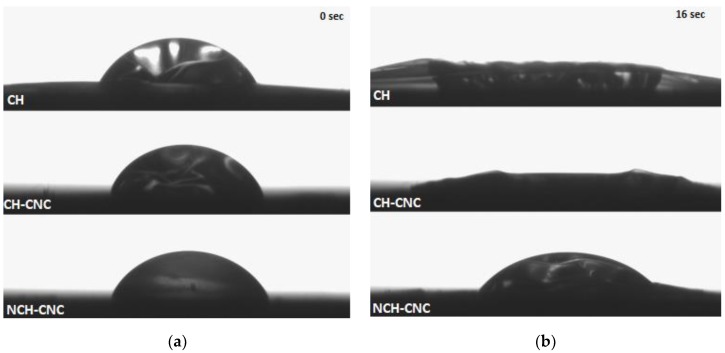
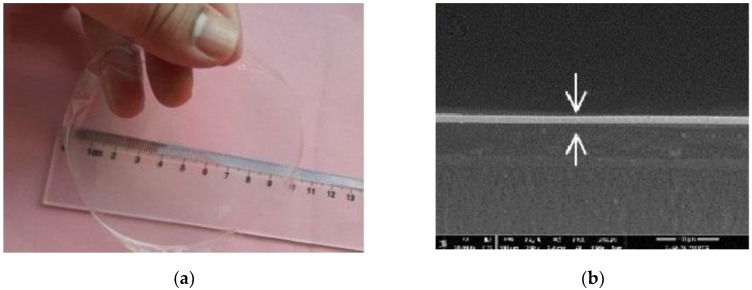
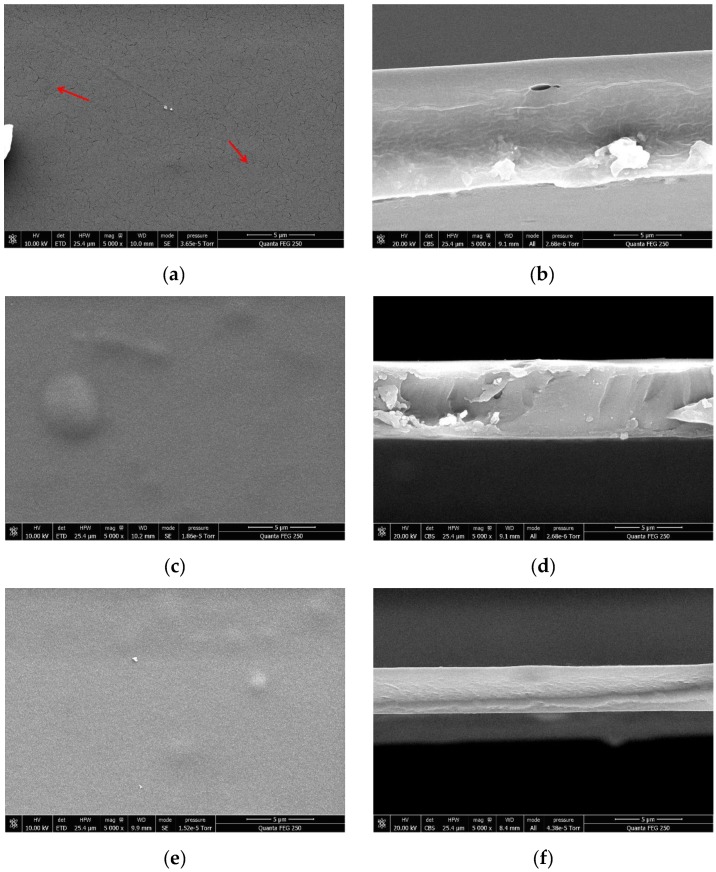
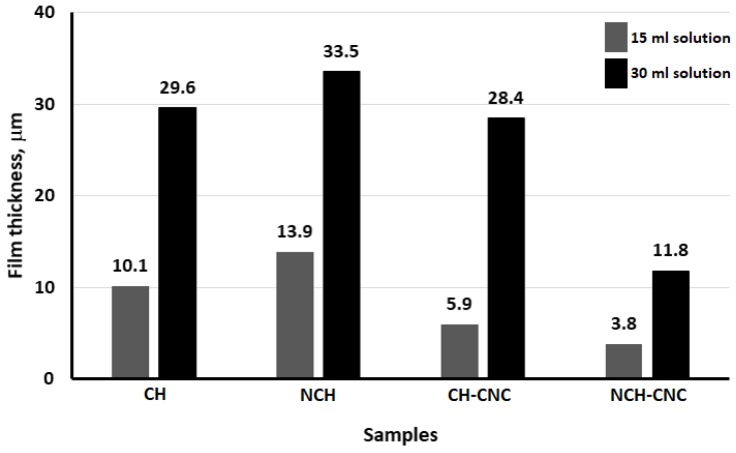
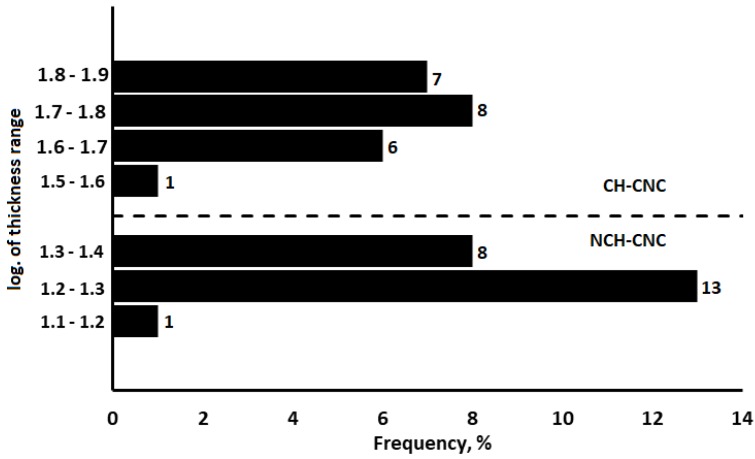
Chitosan (CH)-based materials are compatible to form biocomposite film for food packaging applications. In order to enhance water resistance and mechanical properties, cellulose can be introduced to the chitosan-based film. In this work, we evaluate the morphology and water resistance of films prepared from chitosan and cellulose in their nanoscale form and study the phenomena underlying the film formation. Nanofluid properties are shown to be dependent on the particle form and drive the morphology of the prepared film. Film thickness and water resistance (in vapor or liquid phase) are clearly enhanced by the adjunction of nanocrystalline cellulose.
基于壳聚糖(CH)的材料具有良好的兼容性,可用于制备食品包装用生物复合薄膜。为了提高其耐水性和机械性能,可以将纤维素引入到基于壳聚糖的薄膜中。在本研究中,我们评估了由壳聚糖和纳米级纤维素制备的薄膜的形态和耐水性,并研究了薄膜形成过程中的相关现象。结果表明,纳米流体的性质取决于颗粒形态,并影响所制备薄膜的形态。添加纳米晶纤维素后,薄膜厚度和耐水性(气相或液相)均得到明显提高。