Synaptic Function Section, The Porter Neuroscience Research Center, National Institute of Neurological Disorders and Stroke, National Institutes of Health, Room 2B-215, 35 Convent Drive, Bethesda, MD, 20892-3706, USA.
Mol Psychiatry. 2021 May;26(5):1472-1490. doi: 10.1038/s41380-020-0713-9. Epub 2020 Apr 24.
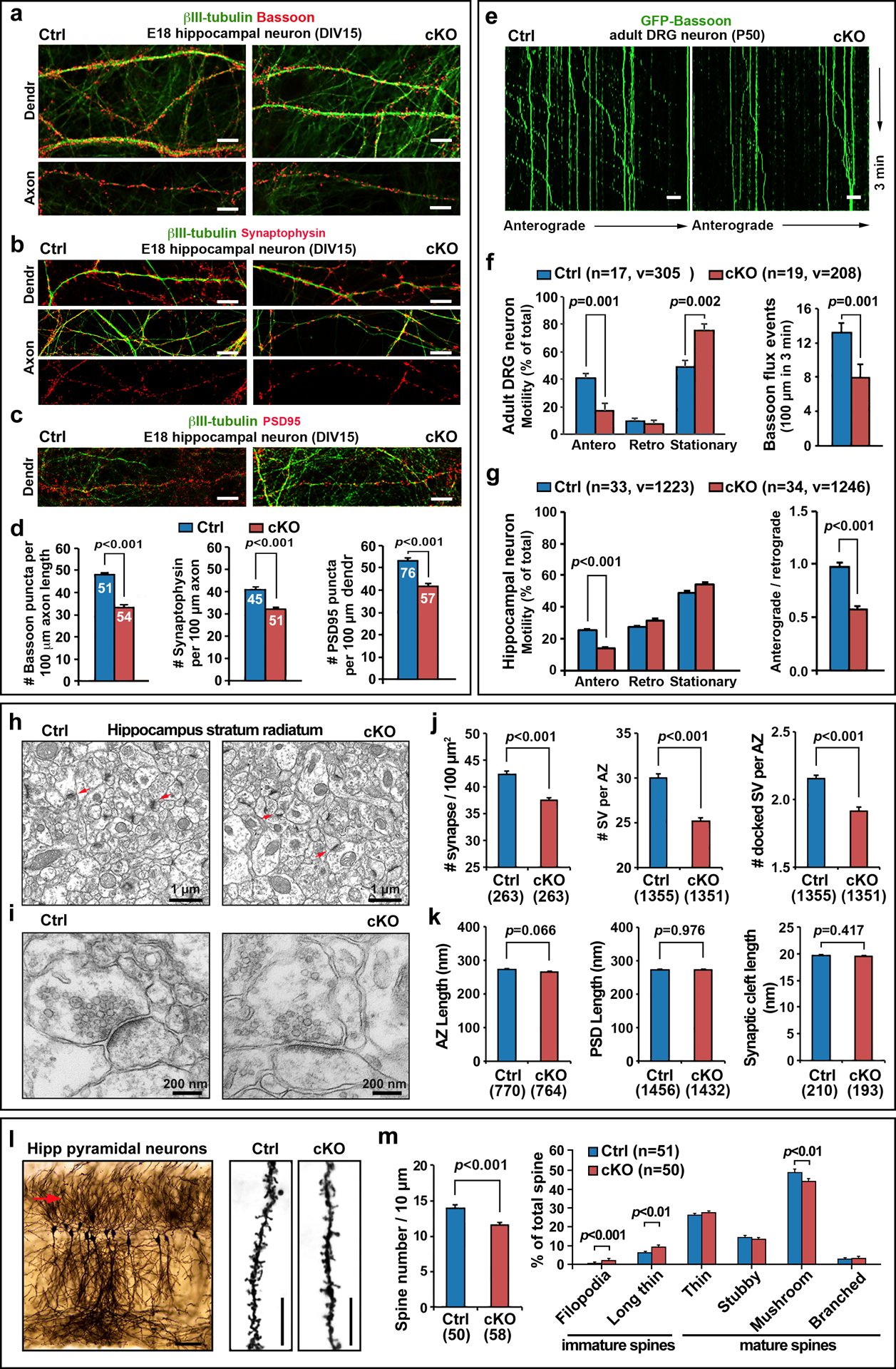
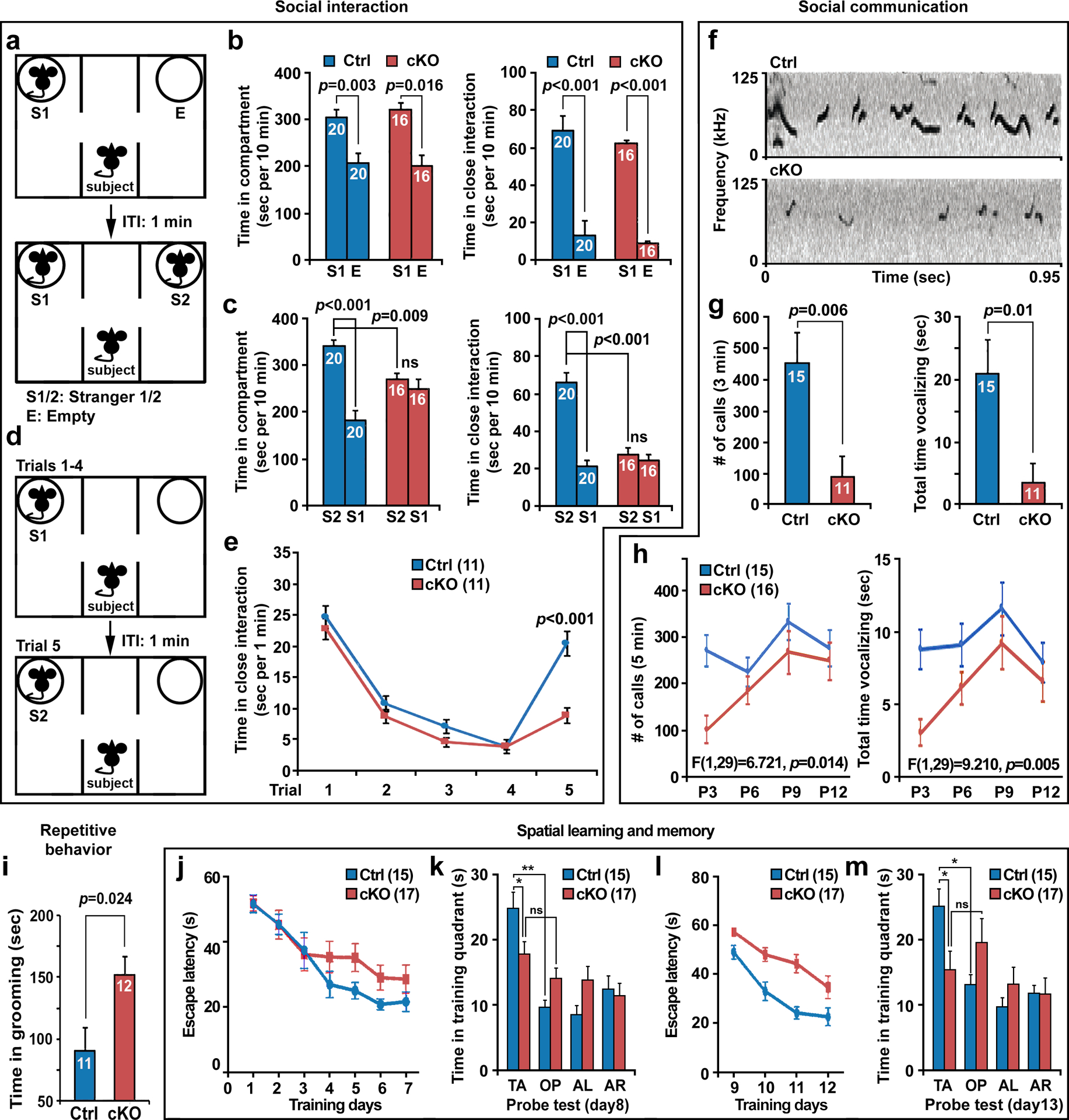
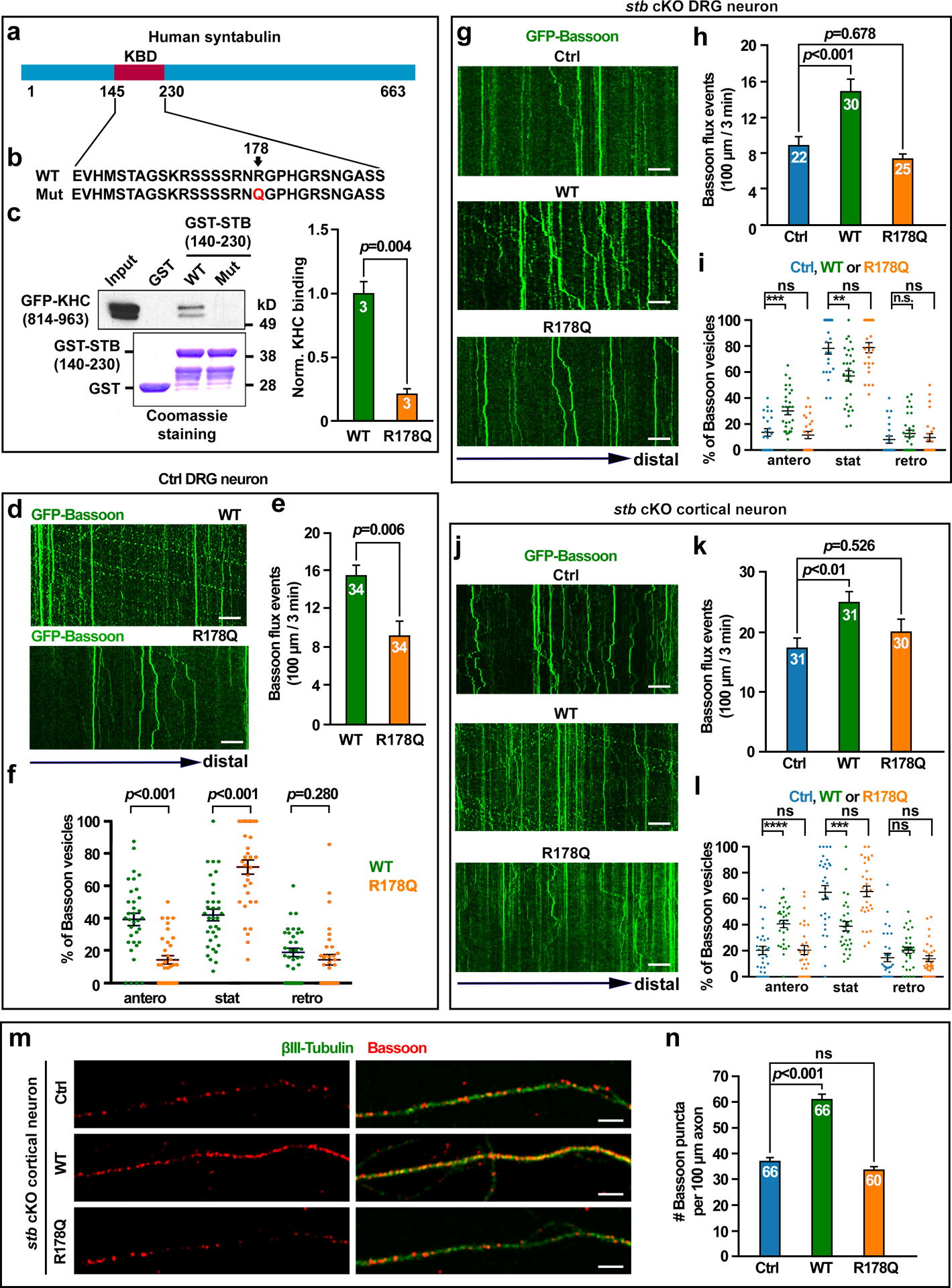
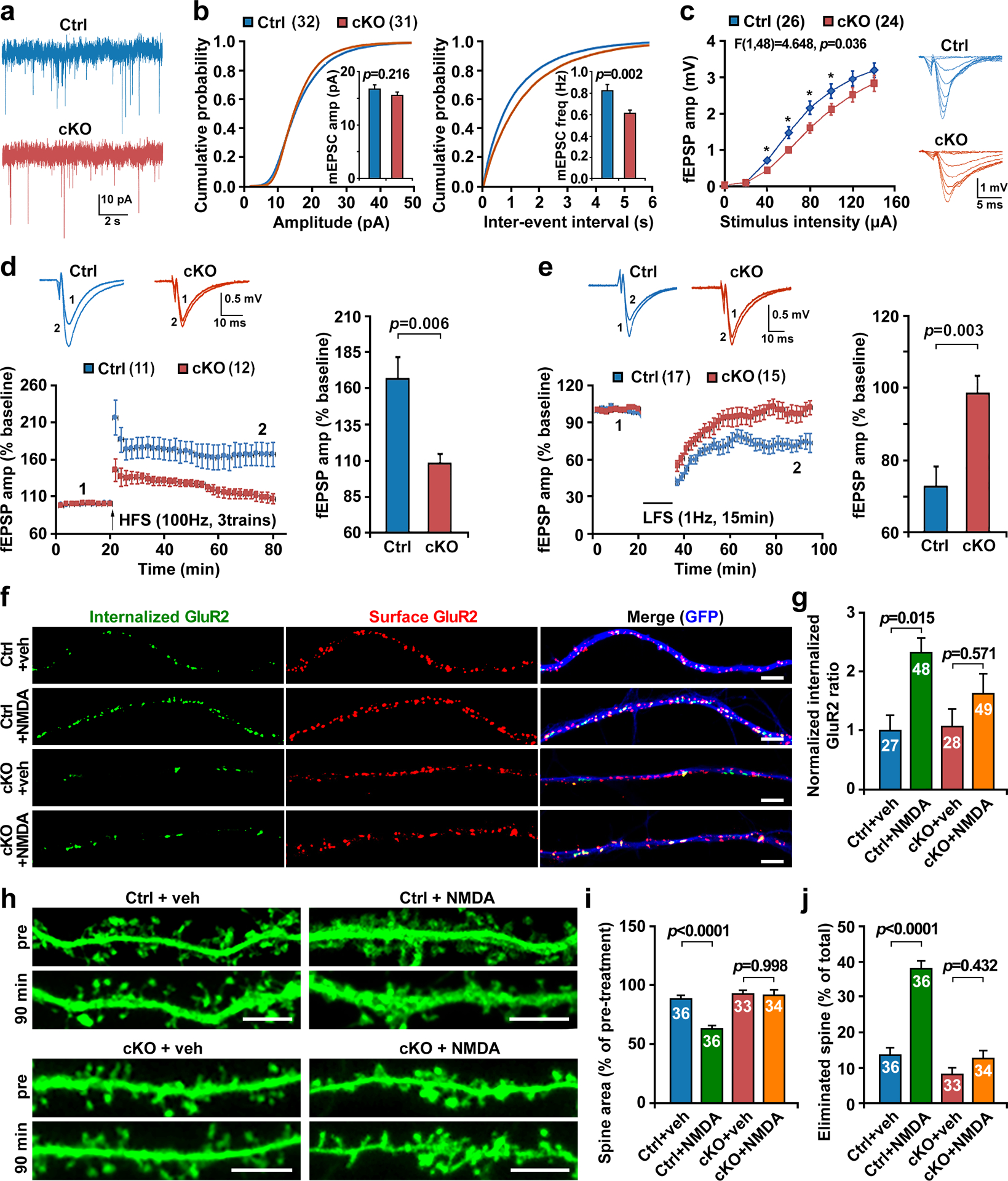
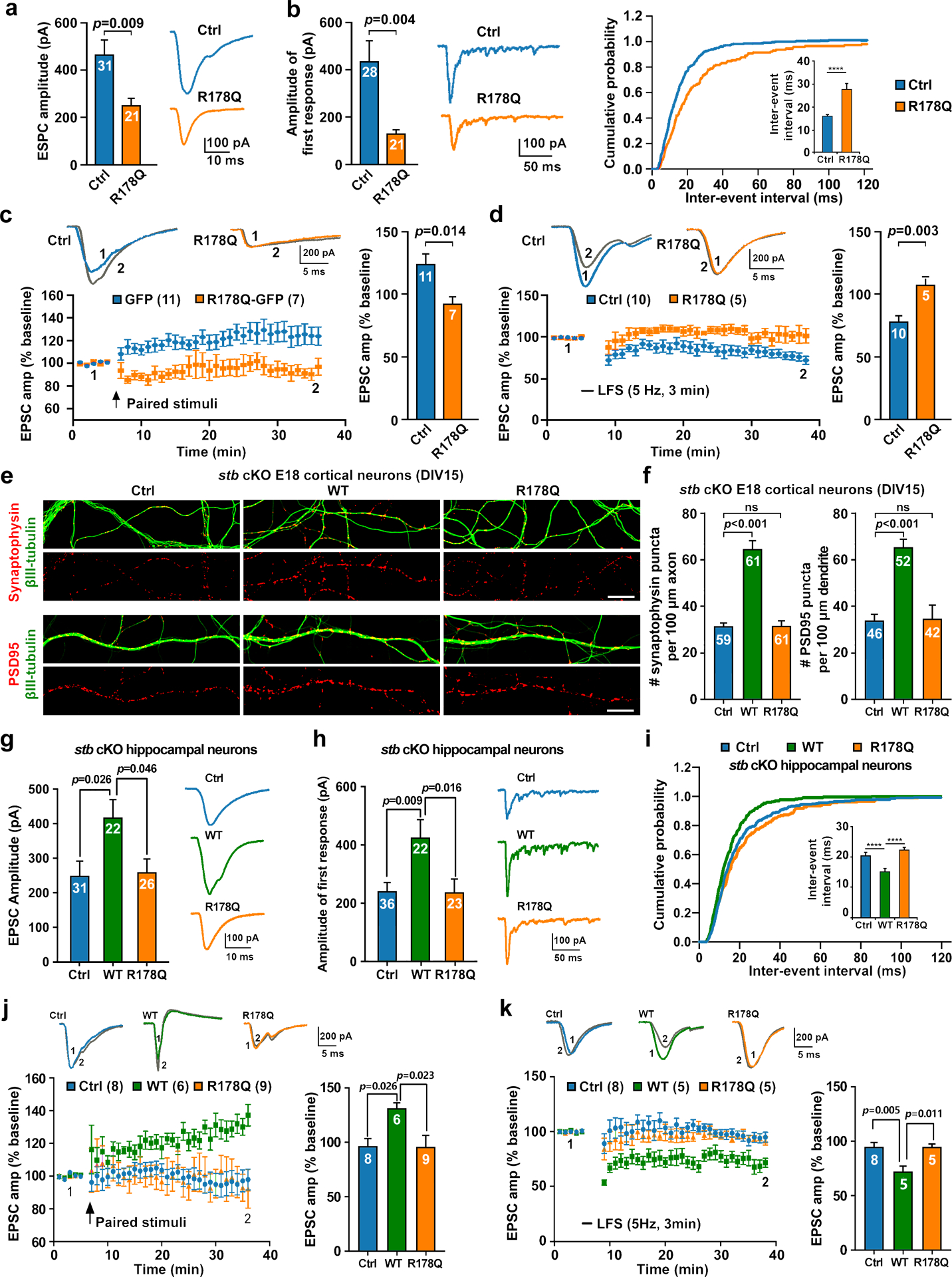
The formation and maintenance of synapses require long-distance delivery of newly synthesized synaptic proteins from the soma to distal synapses, raising the fundamental question of whether impaired transport is associated with neurodevelopmental disorders such as autism. We previously revealed that syntabulin acts as a motor adapter linking kinesin-1 motor and presynaptic cargos. Here, we report that defects in syntabulin-mediated transport and thus reduced formation and maturation of synapses are one of core synaptic mechanisms underlying autism-like synaptic dysfunction and social behavioral abnormalities. Syntabulin expression in the mouse brain peaks during the first 2 weeks of postnatal development and progressively declines during brain maturation. Neurons from conditional syntabulin mice (stb cKO) display impaired transport of presynaptic cargos, reduced synapse density and active zones, and altered synaptic transmission and long-term plasticity. Intriguingly, stb cKO mice exhibit core autism-like traits, including defective social recognition and communication, increased stereotypic behavior, and impaired spatial learning and memory. These phenotypes establish a new mechanistic link between reduced transport of synaptic cargos and impaired maintenance of synaptic transmission and plasticity, contributing to autism-associated behavioral abnormalities. This notion is further confirmed by the human missense variant STB-R178Q, which is found in an autism patient and loses its adapter capacity for binding kinesin-1 motors. Expressing STB-R178Q fails to rescue reduced synapse formation and impaired synaptic transmission and plasticity in stb cKO neurons. Altogether, our study suggests that defects in syntabulin-mediated transport mechanisms underlie the synaptic dysfunction and behavioral abnormalities that bear similarities to autism.
突触的形成和维持需要从神经元体将新合成的突触蛋白远距离运输到远端突触,这就提出了一个基本问题,即运输受损是否与自闭症等神经发育障碍有关。我们之前发现 syntabulin 作为一种运动衔接蛋白,将驱动蛋白-1 马达和突触前货物连接起来。在这里,我们报告说,syntabulin 介导的运输缺陷,以及由此导致的突触形成和成熟减少,是自闭症样突触功能障碍和社交行为异常的核心突触机制之一。在小鼠大脑中,syntabulin 的表达在出生后发育的前 2 周达到峰值,并在大脑成熟过程中逐渐下降。条件性 syntabulin 敲除(stb cKO)小鼠的神经元显示出突触前货物运输受损、突触密度和活性区减少以及突触传递和长时程可塑性改变。有趣的是,stb cKO 小鼠表现出核心自闭症样特征,包括社交识别和交流缺陷、刻板行为增加以及空间学习和记忆受损。这些表型在突触货物运输减少与突触传递和可塑性维持受损之间建立了新的机制联系,导致与自闭症相关的行为异常。这一观点进一步得到了人类错义变异体 STB-R178Q 的证实,该变异体存在于一名自闭症患者中,并且丧失了与驱动蛋白-1 马达结合的衔接能力。表达 STB-R178Q 不能挽救 stb cKO 神经元中减少的突触形成和受损的突触传递和可塑性。总之,我们的研究表明,syntabulin 介导的运输机制缺陷是导致与自闭症相似的突触功能障碍和行为异常的基础。