Division of Oncology and Molecular Biology, Cancer Research Institute, Kanazawa University, Kanazawa, Japan.
Advanced Science Research Center, Kanazawa University, Kanazawa, Japan.
Cancer Sci. 2020 Jul;111(7):2336-2348. doi: 10.1111/cas.14492. Epub 2020 Jun 29.
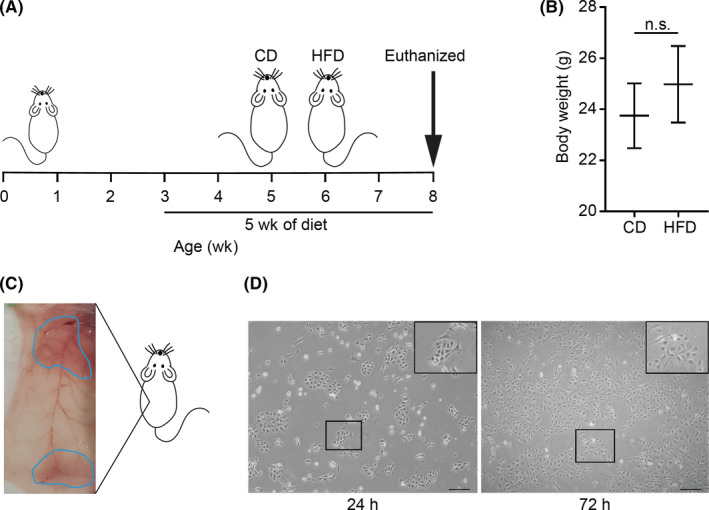
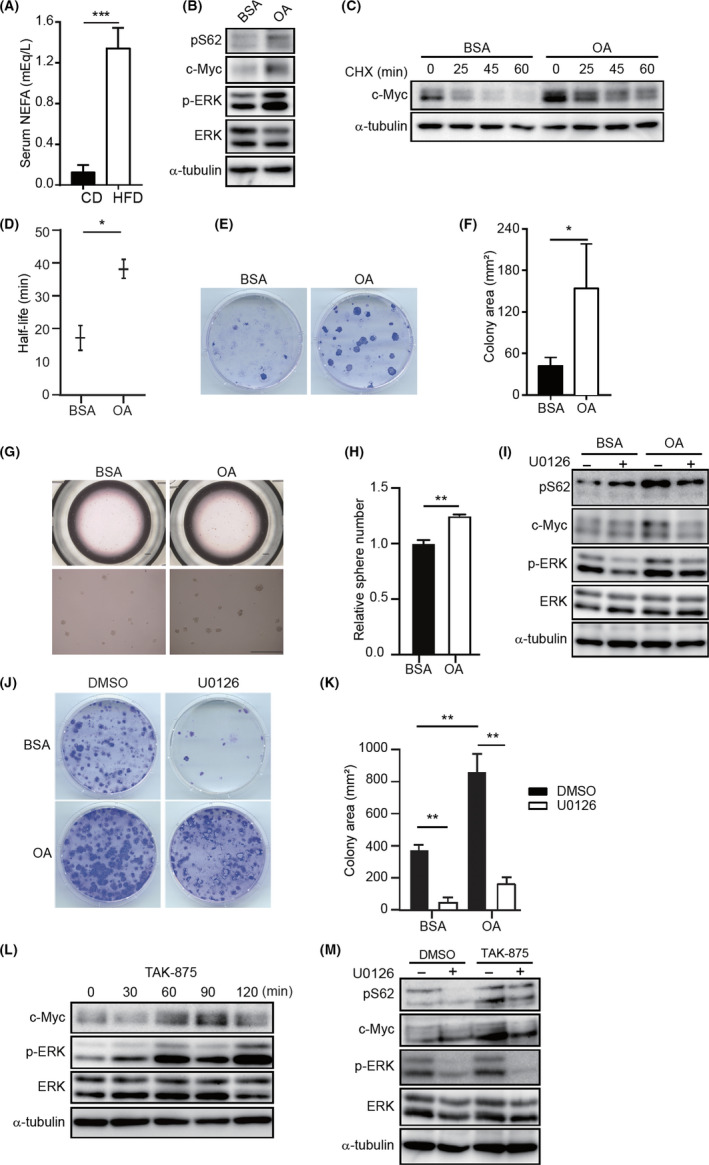
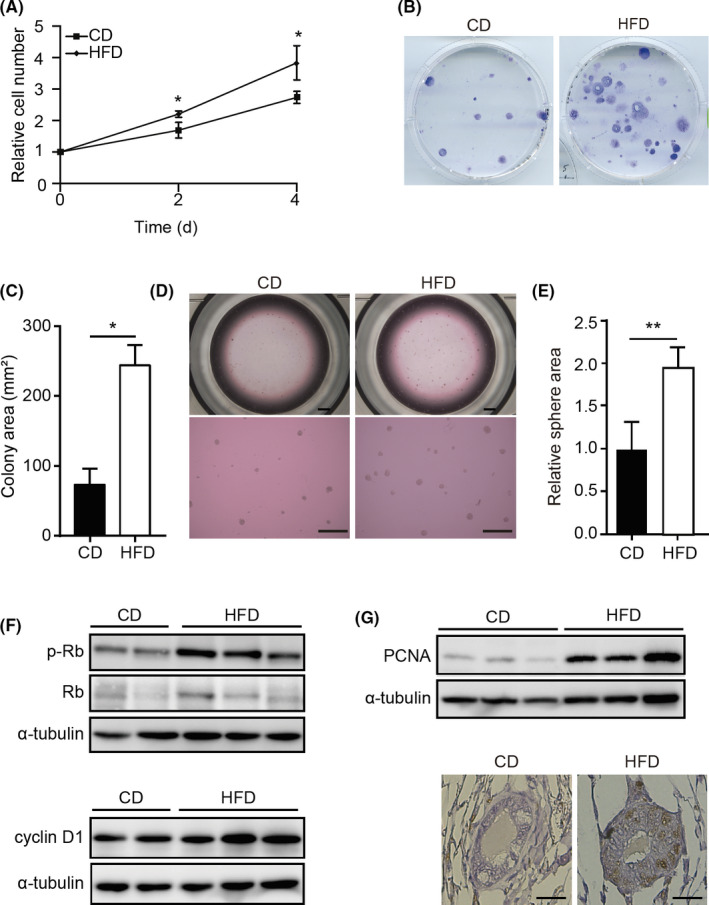
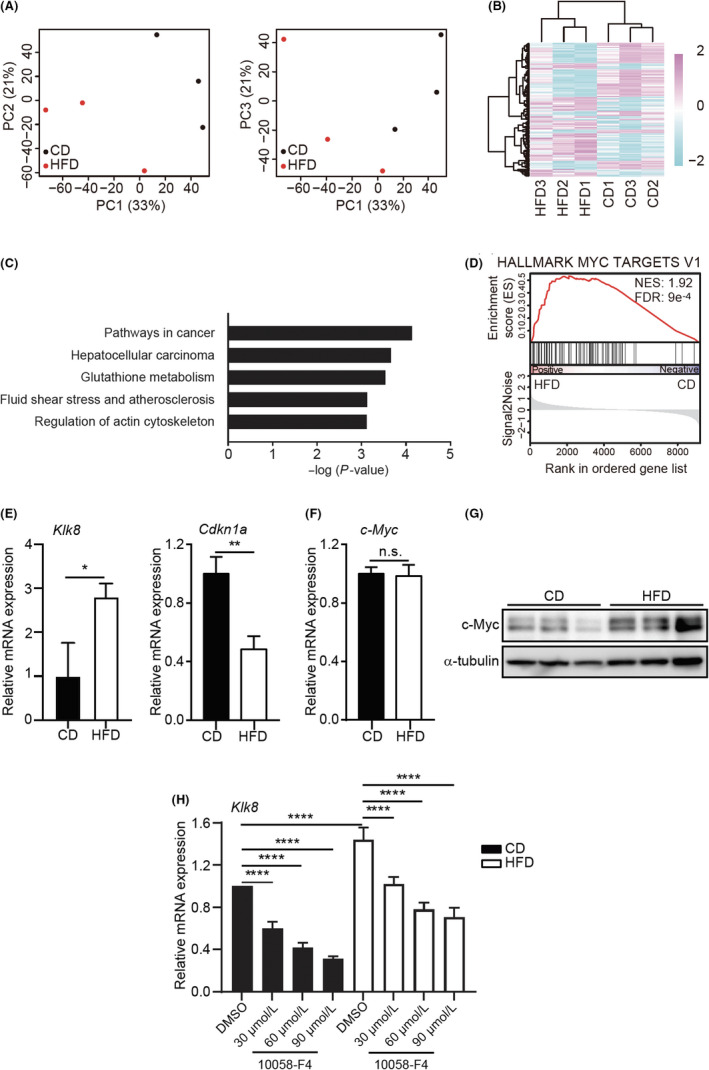
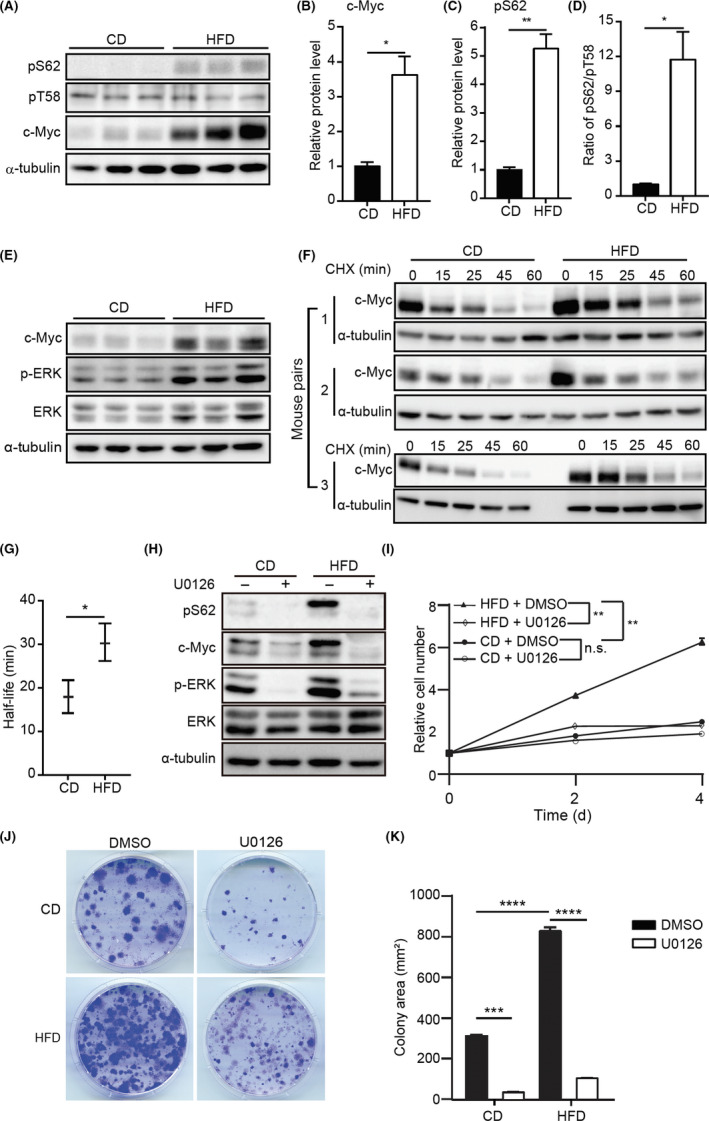
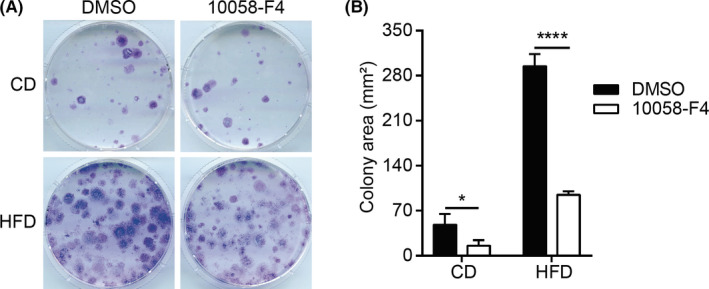
Dietary fat consumption during accelerated stages of mammary gland development, such as peripubertal maturation or pregnancy, is known to increase the risk for breast cancer. However, the underlying molecular mechanisms are not fully understood. Here we examined the gene expression profile of mouse mammary epithelial cells (MMECs) on exposure to a high-fat diet (HFD) or control diet (CD). Trp53 female mice were fed with the experimental diets for 5 weeks during the peripubertal period (3-8 weeks of age). The treatment showed no significant difference in body weight between the HFD-fed mice and CD-fed mice. However, gene set enrichment analysis predicted a significant enrichment of c-Myc target genes in animals fed HFD. Furthermore, we detected enhanced activity and stabilization of c-Myc protein in MMECs exposed to a HFD. This was accompanied by augmented c-Myc phosphorylation at S62 with a concomitant increase in ERK phosphorylation. Moreover, MMECs derived from HFD-fed Trp53 mouse showed increased colony- and sphere-forming potential that was dependent on c-Myc. Further, oleic acid, a major fatty acid constituent of the HFD, and TAK-875, an agonist to G protein-coupled receptor 40 (a receptor for oleic acid), enhanced c-Myc stabilization and MMEC proliferation. Overall, our data indicate that HFD influences MMECs by stabilizing an oncoprotein, pointing to a novel mechanism underlying dietary fat-mediated mammary carcinogenesis.
在乳腺发育的加速阶段(如青春期前成熟或妊娠)期间摄入脂肪会增加乳腺癌的风险。然而,其潜在的分子机制尚不完全清楚。在这里,我们研究了暴露于高脂肪饮食(HFD)或对照饮食(CD)的小鼠乳腺上皮细胞(MMEC)的基因表达谱。雌性 Trp53 小鼠在青春期(3-8 周龄)期间用实验饮食喂养 5 周。该治疗在 HFD 喂养的小鼠和 CD 喂养的小鼠之间的体重没有显著差异。然而,基因集富集分析预测 HFD 喂养的动物中 c-Myc 靶基因显著富集。此外,我们检测到暴露于 HFD 的 MMEC 中 c-Myc 蛋白的活性和稳定性增强。这伴随着 S62 处 c-Myc 磷酸化的增加和 ERK 磷酸化的增加。此外,源自 HFD 喂养的 Trp53 小鼠的 MMEC 显示出增加的集落和球体形成潜力,这依赖于 c-Myc。此外,HFD 的主要脂肪酸成分油酸和 G 蛋白偶联受体 40(油酸的受体)激动剂 TAK-875 增强了 c-Myc 的稳定和 MMEC 的增殖。总的来说,我们的数据表明 HFD 通过稳定致癌蛋白来影响 MMEC,指出了饮食脂肪介导的乳腺癌发生的新机制。