Maharajgunj Medical Campus, Tribhuvan University Institute of Medicine, Kathmandu, Nepal.
University of New England College of Osteopathic Medicine, Biddeford, ME, USA.
Crit Care. 2020 Jul 13;24(1):421. doi: 10.1186/s13054-020-03121-z.
Severe acute respiratory syndrome coronavirus 2 (SARS-CoV-2) is responsible for the global spread of coronavirus disease (COVID-19). Our understanding of the impact this virus has on the nervous system is limited. Our review aims to inform and improve decision-making among the physicians treating COVID-19 by presenting a systematic analysis of the neurological manifestations experienced within these patients.
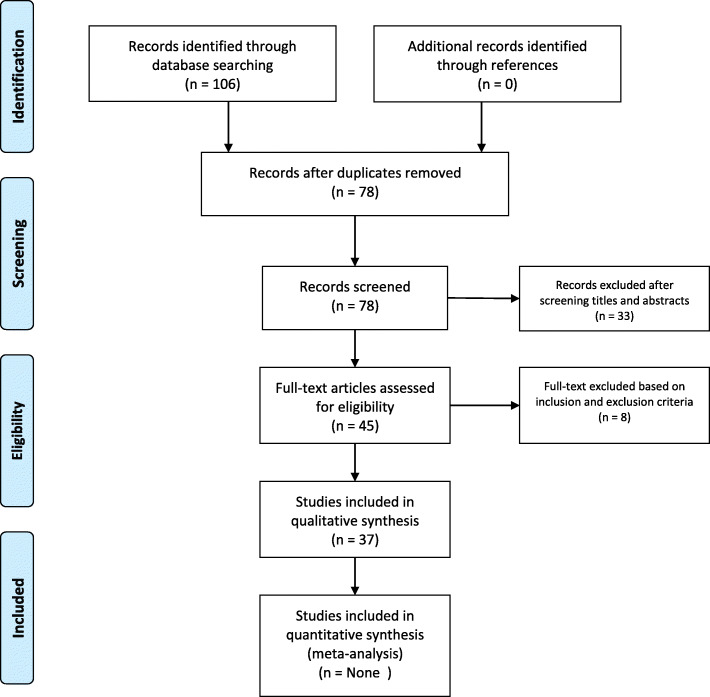
Any study, released prior to May 20, 2020, that reported neurological manifestations in patients infected by SARS-CoV-2 was systematically reviewed using the PRISMA (Preferred Reporting Items for Systemic review and Meta-Analysis) statement.
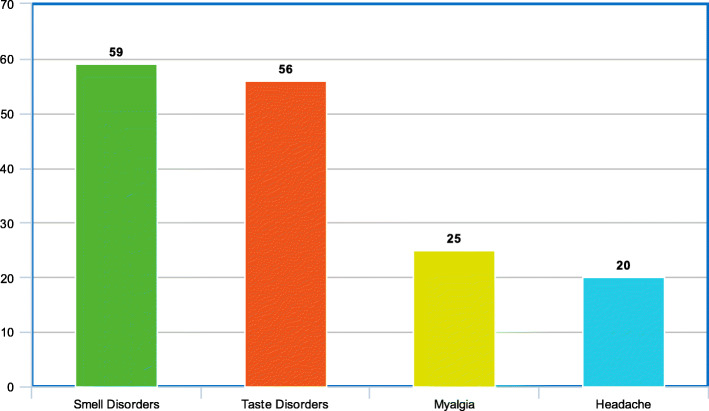
Our systematic review included data from 37 articles: twelve retrospective studies, two prospective studies, and the rest case reports/series. The most commonly reported neurological manifestations of COVID-19 were myalgia, headache, altered sensorium, hyposmia, and hypogeusia. Uncommonly, COVID-19 can also present with central nervous system manifestations such as ischemic stroke, intracerebral hemorrhage, encephalo-myelitis, and acute myelitis, peripheral nervous manifestations such as Guillain-Barré syndrome and Bell's palsy, and skeletal muscle manifestations such as rhabdomyolysis.
While COVID-19 typically presents as a self-limiting respiratory disease, it has been reported in up to 20% of patients to progress to severe illness with multi-organ involvement. The neurological manifestations of COVID-19 are not uncommon, but our study found most resolve with treatment of the underlying infection. Although the timeliness of this review engages current challenges posed by the COVID-19 pandemic, readers must not ignore the limitations and biases intrinsic to an early investigation.
严重急性呼吸综合征冠状病毒 2(SARS-CoV-2)是导致冠状病毒病(COVID-19)全球传播的罪魁祸首。我们对该病毒对神经系统影响的了解有限。我们的综述旨在通过系统分析这些患者中经历的神经系统表现,为治疗 COVID-19 的医生提供信息并改善他们的决策。
任何在 2020 年 5 月 20 日之前发布的报告 SARS-CoV-2 感染患者神经系统表现的研究,均使用 PRISMA(系统评价和荟萃分析的首选报告项目)声明进行系统回顾。
我们的系统综述包括 37 篇文章的数据:12 篇回顾性研究、2 篇前瞻性研究和其余病例报告/系列。COVID-19 最常见的神经系统表现为肌痛、头痛、意识改变、嗅觉减退和味觉减退。罕见情况下,COVID-19 也可能表现为中枢神经系统表现,如缺血性中风、脑出血、脑炎和急性脊髓炎,周围神经系统表现,如格林-巴利综合征和贝尔氏麻痹,以及骨骼肌表现,如横纹肌溶解症。
虽然 COVID-19 通常表现为自限性呼吸道疾病,但据报道,多达 20%的患者会进展为多器官受累的重症疾病。COVID-19 的神经系统表现并不少见,但我们的研究发现大多数在治疗基础感染后得到缓解。尽管本综述的及时性涉及到 COVID-19 大流行带来的当前挑战,但读者不应忽视早期调查固有的局限性和偏见。