Pahayahay Amber, Khalili-Mahani Najmeh
School of Public Health and Services, University of Waterloo, Waterloo, ON, Canada.
PERFORM Centre, Concordia University, Montreal, QC, Canada.
J Med Internet Res. 2020 Aug 6;22(8):e20186. doi: 10.2196/20186.
Social and physical distancing in response to the coronavirus disease (COVID-19) pandemic has made screen-mediated information and communication technologies (media) indispensable. Whether an increase in screen use is a source of or a relief for stress remains to be seen.
In the immediate aftermath of the COVID-19 lockdowns, we investigated the relation between subjective stress and changes in the pattern of media use. Based on Lazarus's transactional model of appraisal and coping, and building on an earlier similar survey, we hypothesize that individual differences in the appraisal of media predict variations in approach or avoidance of media for coping with COVID-19 stress.
Between March 20 and April 20, 2020, a brief snowball survey entitled: "What media helps, what media hurts: coping with COVID19 through screens" was distributed via Concordia University's mailing lists and social media (PERFORM Centre, EngAGE Centre, and Media Health Lab). Using a media repertoire method, we asked questions about preferences, changes in use, and personal appraisal of media experiences (approach, avoid, and ignore) as a result of the COVID-19 pandemic and investigated interindividual differences in media use by factors such as subjective stress, age, gender, and self-reported mental health.
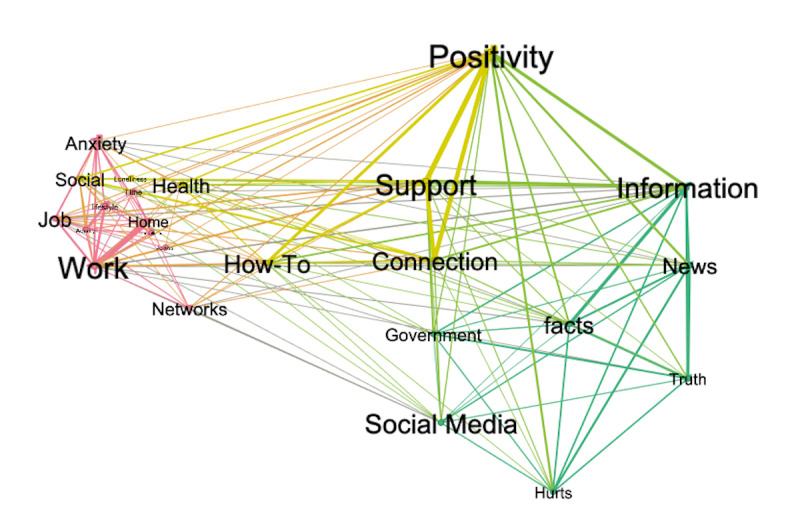
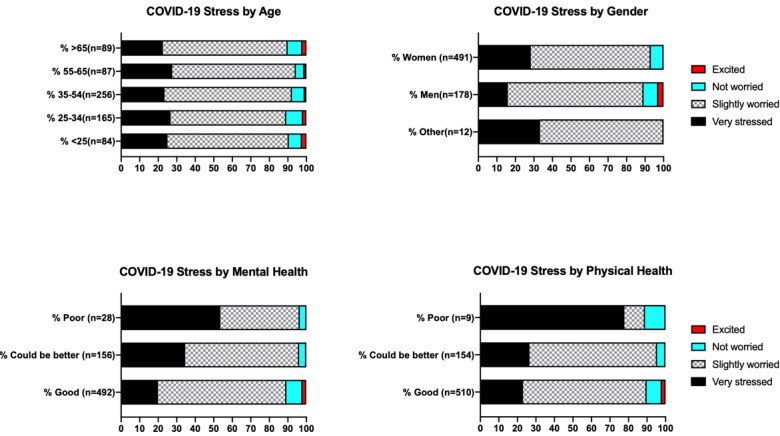
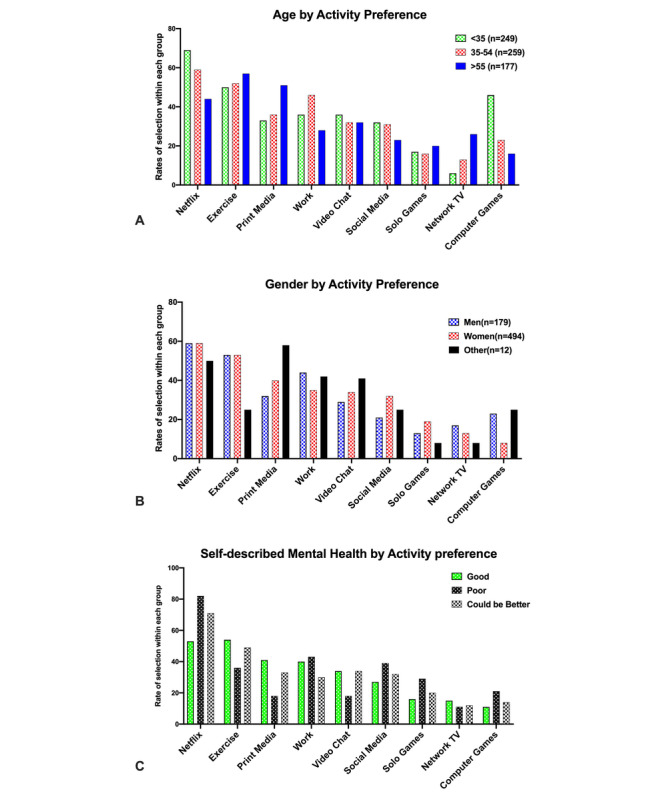
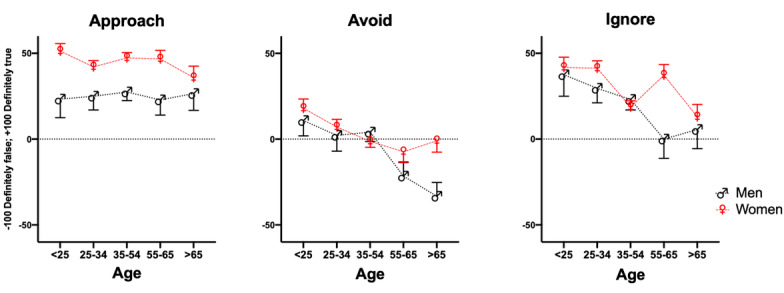
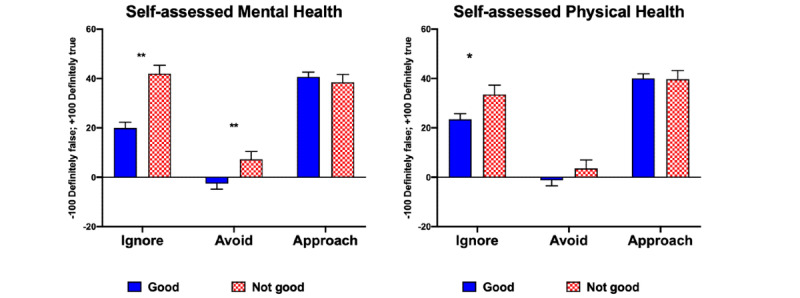
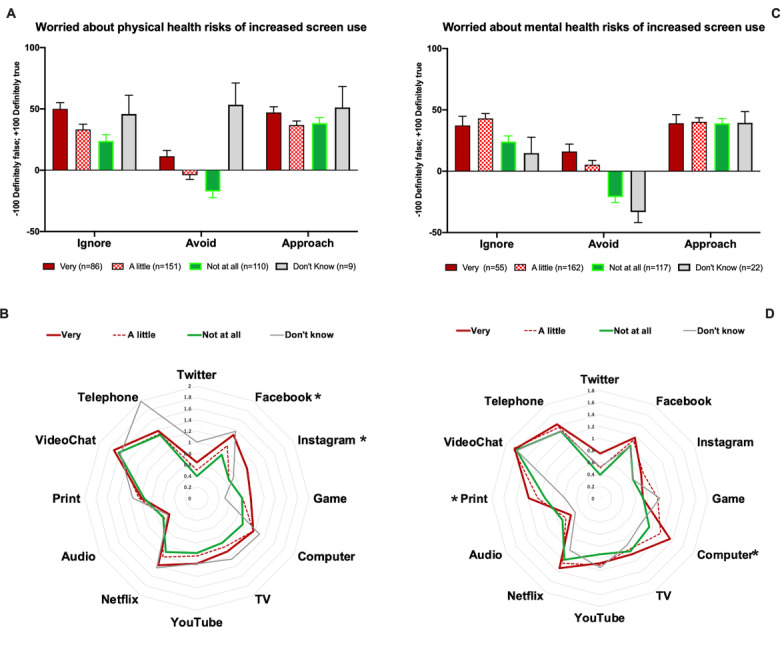
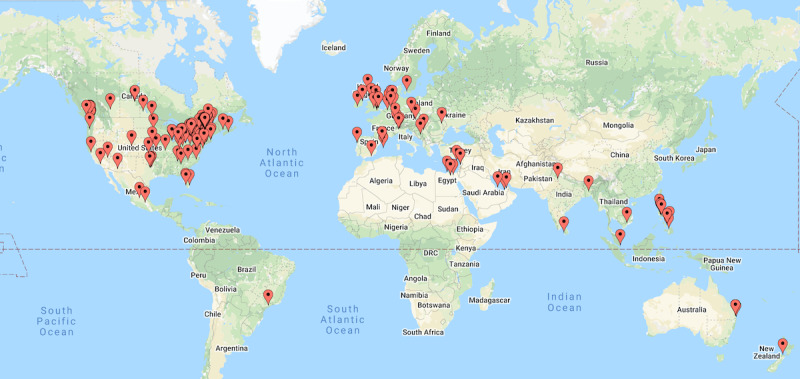
More than 90% of the survey respondents were in Canada and the east coast of the United States. From 685 completed responses, 169 respondents were "very stressed" and 452 were "slightly worried" about the pandemic. COVID-19 stress led to increased use of Facebook (χ=11.76, P=.008), television (χ=12.40, P=.006), YouTube (χ=8.577, P=.04), and streaming services such as Netflix (χ=10.71, P=.01). Respondents who considered their mental health "not good" were twice as likely to prefer streaming services as a coping tool for self-isolation. Women and nonbinary respondents were twice as likely than men to pick social media for coping. Individuals younger than 35 years were 3 times more likely to pick computer games, and individuals older than 55 years were more likely to pick network television or print media. Gender affected the appraisal of media (less in men than others) in terms of avoid (F=5.84, P=.02) and approach scores (F=14.31, P<.001). Subjective mental health affected the ignore score (less in those who said "good" than others; F=13.88, P<.001). The appraisal score and use increase explained variations in worrying about physical and mental health stress due to increased screen time. A qualitative analysis of open-ended questions revealed that media (especially social networks) were important for coping if they provided support and connection through the dissemination of factual and positive information while avoiding the overflow of sensational and false news.
The relationship between appraisal of media's positive and negative facets vary with demographic differences in mental health resiliency. The media repertoire approach is an important tool in studies that focus on assessing the benefits and harms of screen overuse in different populations, especially in the context of the COVID-19 pandemic.
为应对冠状病毒病(COVID-19)大流行而采取的社交和物理距离措施使屏幕介导的信息和通信技术(媒体)变得不可或缺。屏幕使用的增加是压力的来源还是缓解压力的方式,仍有待观察。
在COVID-19封锁刚结束后,我们调查了主观压力与媒体使用模式变化之间的关系。基于拉扎勒斯的评估和应对交易模型,并在早期类似调查的基础上,我们假设对媒体的评估中的个体差异预示着应对COVID-19压力时使用媒体的方式或回避方式的差异。
2020年3月20日至4月20日期间,通过康考迪亚大学的邮件列表和社交媒体(PERFORM中心、EngAGE中心和媒体健康实验室)分发了一项简短的滚雪球式调查,题为:“什么媒体有帮助,什么媒体有害:通过屏幕应对COVID-19”。我们使用媒体清单法,询问了关于COVID-19大流行导致的媒体偏好、使用变化以及对媒体体验的个人评估(接近、回避和忽视)等问题,并按主观压力、年龄、性别和自我报告的心理健康等因素调查了媒体使用的个体差异。
超过90%的调查受访者来自加拿大和美国东海岸。在685份完整回复中,169名受访者“压力非常大”,452名受访者“略有担忧”大流行情况。COVID-19压力导致Facebook(χ=11.76,P=0.008)、电视(χ=12.40,P=0.006)、YouTube(χ=8.577,P=0.04)以及Netflix等流媒体服务(χ=10.71,P=0.01)的使用增加。认为自己心理健康“不佳”的受访者选择流媒体服务作为自我隔离应对工具的可能性是其他人的两倍。女性和非二元性别受访者选择社交媒体进行应对的可能性是男性的两倍。35岁以下的人选择电脑游戏的可能性是其他人的3倍,55岁以上的人更有可能选择网络电视或印刷媒体。性别在回避(F=5.84,P=0.02)和接近得分(F=14.31,P<0.001)方面影响对媒体的评估(男性低于其他人)。主观心理健康影响忽视得分(心理健康自评“良好”的人低于其他人;F=13.88,P<0.001)。评估得分和使用增加解释了因屏幕时间增加而对身心健康压力的担忧差异。对开放式问题的定性分析表明,如果媒体通过传播事实性和积极信息提供支持和联系,同时避免耸人听闻和虚假新闻的泛滥,那么媒体(尤其是社交网络)对于应对很重要。
对媒体正负方面的评估之间的关系因心理健康恢复力的人口统计学差异而异。媒体清单法是研究中一种重要工具,该研究聚焦于评估不同人群中屏幕过度使用的利弊,尤其是在COVID-19大流行背景下。