Duke University School of Law, 210 Science Drive, PO Box 90362, Durham, NC, 27708, United States.
Massachusetts Institute of Technology, United States.
J Health Econ. 2021 Jan;75:102406. doi: 10.1016/j.jhealeco.2020.102406. Epub 2020 Nov 24.
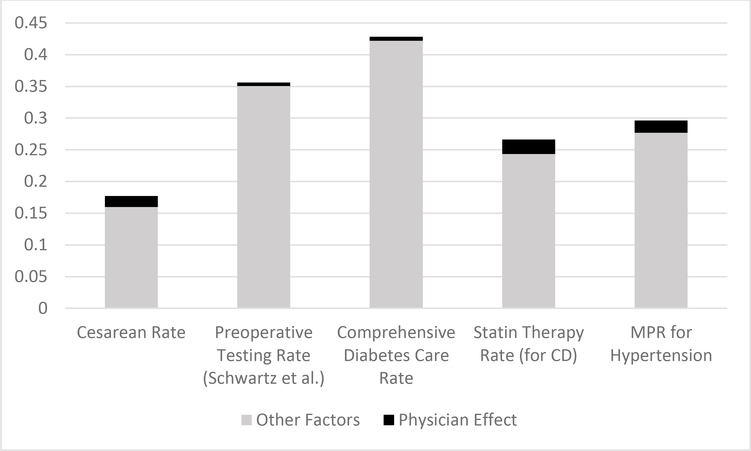
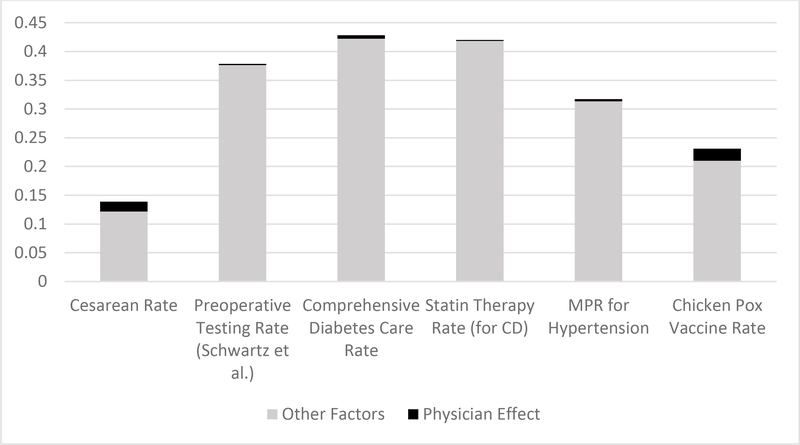
We place an upper bound on the degree to which policies aimed at improving the information deficiencies of patients may lead to greater adherence to clinical guidelines and recommended practices. To do so, we compare the degree of adherence attained by a group of patients that should have the best possible information on health care practices-i.e., physicians as patients-with that attained by a comparable group of non-physician patients, taking various steps to account for unobservable differences between the two groups. Our results suggest that physicians, at best, do only slightly better in adhering to both low- and high-value care guidelines than non-physicians.
我们对旨在改善患者信息缺陷的政策在多大程度上可能导致更高程度地遵守临床指南和推荐实践进行了上限限制。为此,我们将一组本应获得最佳医疗实践信息的患者(即作为患者的医生)的依从程度与一组可比的非医生患者的依从程度进行了比较,同时采取了各种措施来考虑两组之间不可观测的差异。我们的结果表明,医生在遵守低价值和高价值护理指南方面最多只比非医生好一点点。