Bragard Claude, Dehnen-Schmutz Katharina, Di Serio Francesco, Jacques Marie-Agnès, Jaques Miret Josep Anton, Justesen Annemarie Fejer, MacLeod Alan, Magnusson Christer Sven, Milonas Panagiotis, Navas-Cortes Juan A, Parnell Stephen, Potting Roel, Reignault Philippe Lucien, Thulke Hans-Hermann, van der Werf Wopke, Vicent Civera Antonio, Yuen Jonathan, Zappalà Lucia, Battisti Andrea, Douma J C Bob, Rigling Daniel, Mosbach-Schulz Olaf, Stancanelli Giuseppe, Tramontini Sara, Gonthier Paolo
EFSA J. 2020 Dec 22;18(12):e06352. doi: 10.2903/j.efsa.2020.6352. eCollection 2020 Dec.
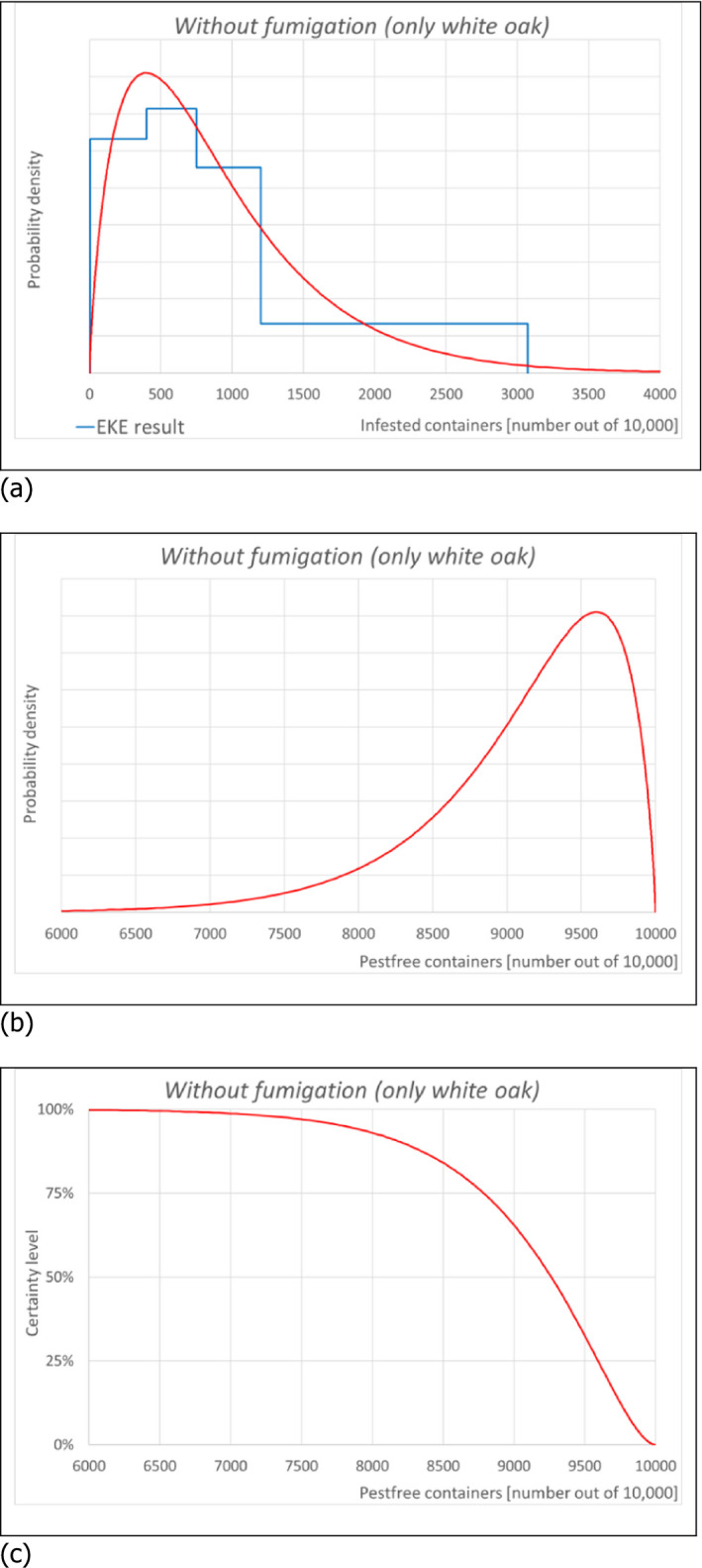
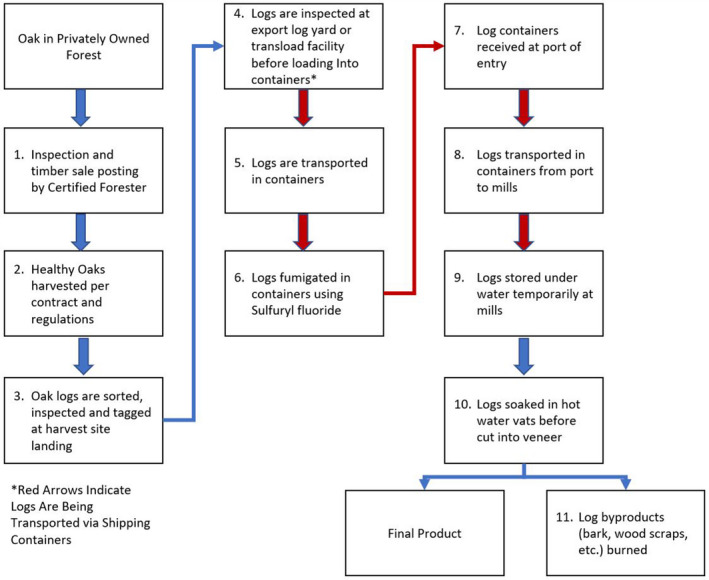
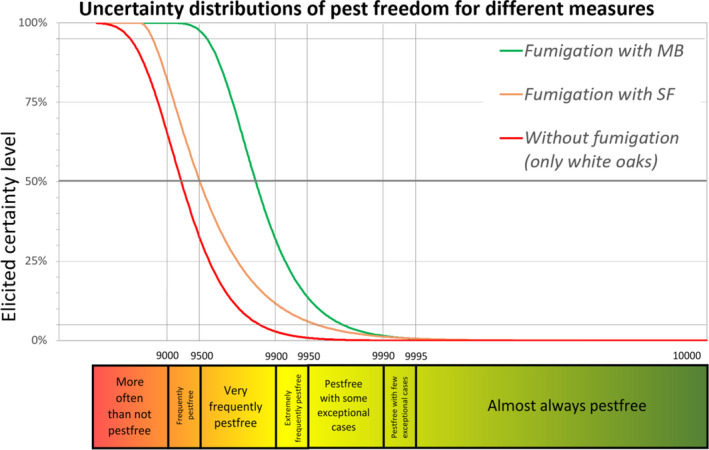
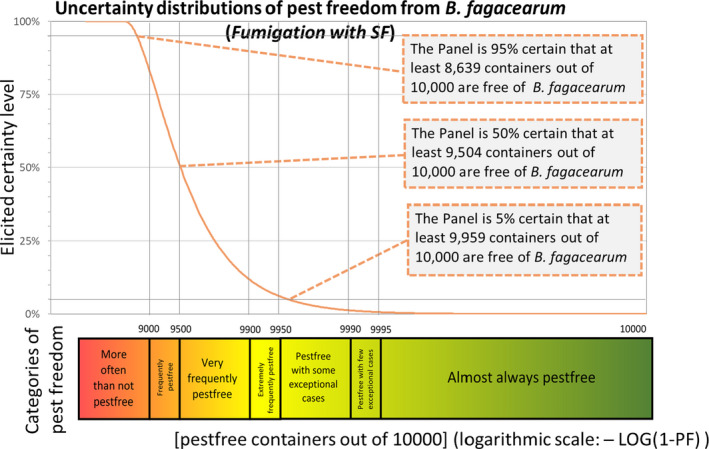
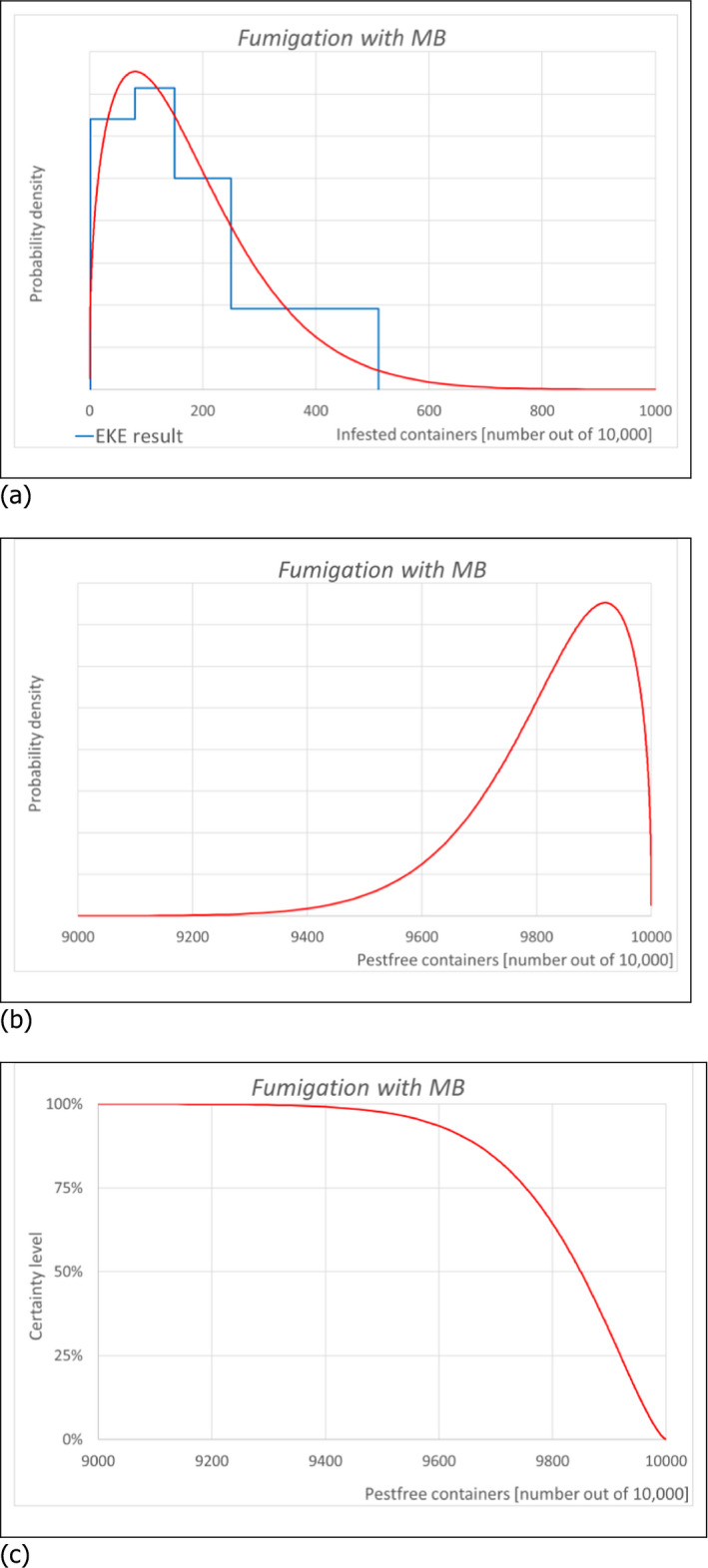
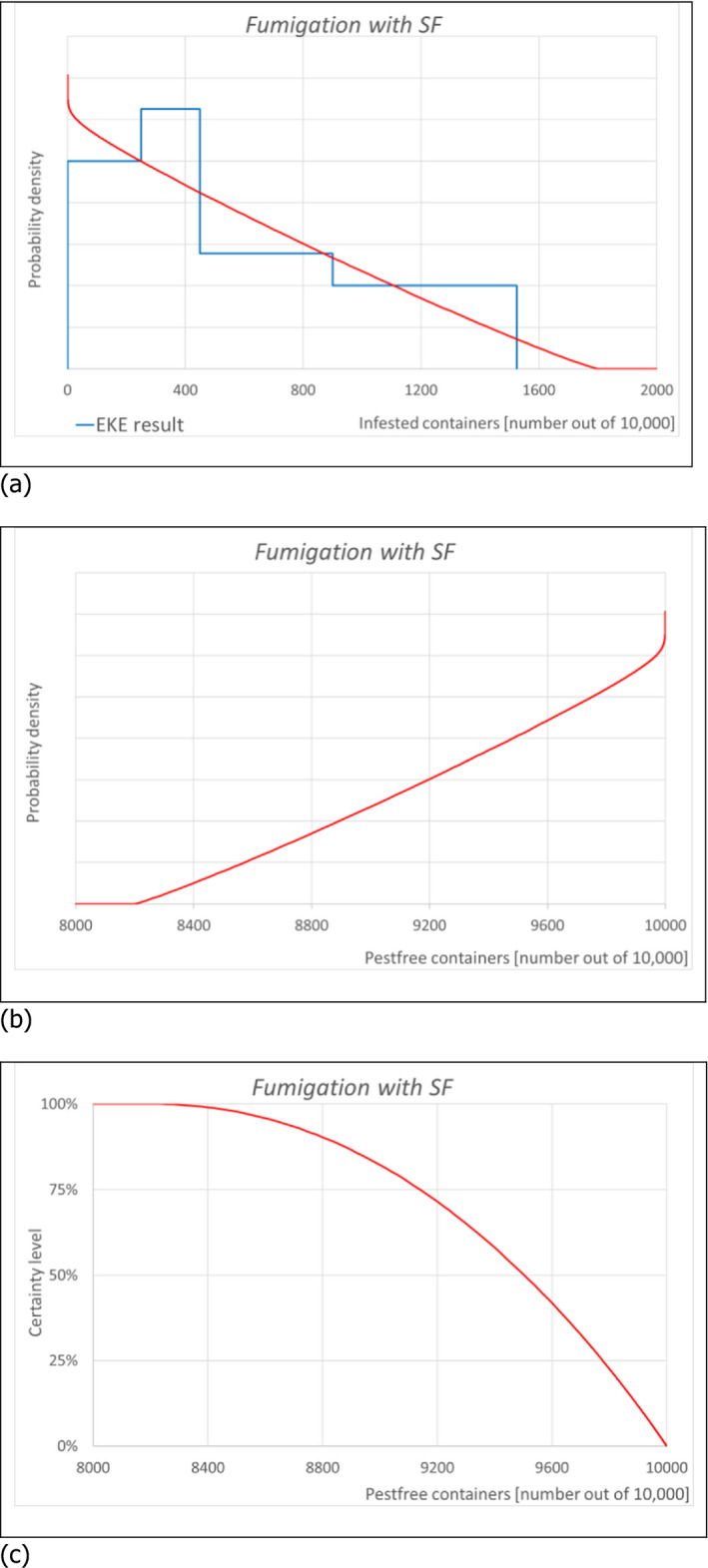
The European Commission submitted to the EFSA Panel on Plant Health a Dossier by USDA proposing a systems approach to mitigate the risk of entry of to the EU when trading oak logs with bark from the USA. Due to the forthcoming ban of methyl bromide (MB), the Dossier indicates sulfuryl fluoride (SF) as the substitute fumigant for this commodity. After collecting additional evidence from USDA,EU NPPOs, external experts and the published literature, the Panel performed a quantitative assessment on the likelihood of pest freedom for at the point of entry in the EU, comparing the proposed systems approach with those already implemented by Commission Decision 2005/359/EC. The Panel provided also a non-quantitative assessment for all risk reduction options (RROs) proposed to be undertaken in the EU, from the point of entry to processing at the sawmill. The quantitative assessment until the EU point of entry, based on experts' judgement, indicated that: i) the most effective import option remains the current one with MB (95% certainty that between 9,573 and 10,000 containers per 10,000 would be free of ), followed by that with SF (95% certainty that between 8,639 and 10,000 containers per 10,000 would be free of ) and, last, by the other existing option based on delivering white oak logs in certain periods of the year to certain regions of the EU without fumigation (95% certainty, between 7,803 and 10,000 containers per 10,000). RROs proposed to be undertaken in the EU are expected to further reduce the risk of establishment of , should these RROs be regulated, correctly implemented and checked by NPPOs. A wood pathway analysis is needed to quantitatively assess the importance of each measure and to optimise regulatory actions and risk management efforts.
欧盟委员会向欧洲食品安全局植物健康小组提交了一份由美国农业部提供的卷宗,其中提出了一种系统方法,以降低在与美国交易带树皮橡木原木时有害生物进入欧盟的风险。由于即将禁止使用甲基溴(MB),该卷宗指出硫酰氟(SF)作为该商品的替代熏蒸剂。在从美国农业部、欧盟植物保护组织、外部专家和已发表文献收集更多证据后,该小组对有害生物在进入欧盟时无有害生物的可能性进行了定量评估,将提议的系统方法与委员会第2005/359/EC号决定已经实施的方法进行了比较。该小组还对提议在欧盟采取的所有风险降低选项(RRO)进行了非定量评估,从进入点到锯木厂加工。基于专家判断,直到欧盟进入点的定量评估表明:i)最有效的进口选项仍然是当前使用甲基溴的选项(95%的确定性是每10000个集装箱中有9573至10000个无有害生物),其次是使用硫酰氟的选项(95%的确定性是每10000个集装箱中有8639至10000个无有害生物),最后是另一个现有选项,即在一年中的某些时期向欧盟的某些地区交付白橡木原木而不进行熏蒸(95%的确定性,每10000个集装箱中有7803至10000个)。如果这些风险降低选项得到植物保护组织的监管、正确实施和检查,预计在欧盟采取的这些选项将进一步降低有害生物定殖的风险。需要进行木材途径分析,以定量评估每项措施的重要性,并优化监管行动和风险管理工作。