Center for Diabetes in Children and Adolescents, Department of Woman and Child Health, Parma University Hospital, Parma, Italy.
Post-graduate School of Pediatrics, University of Parma, Parma, Italy.
Acta Biomed. 2020 Nov 17;91(4):e2020193. doi: 10.23750/abm.v91i4.10943.
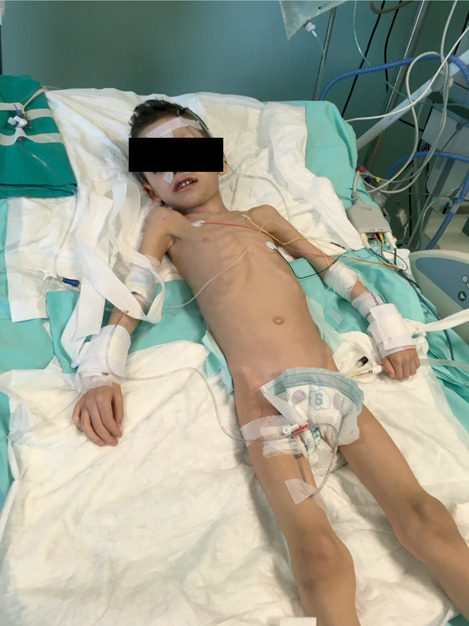
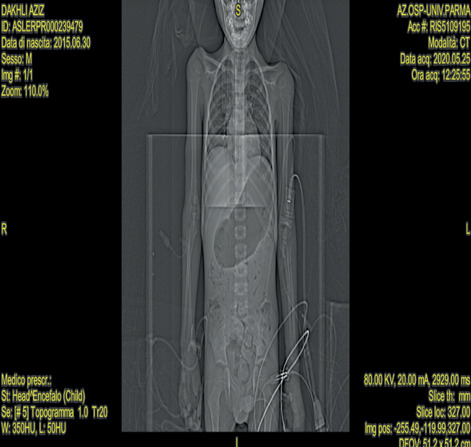
Reorganization of healthcare resources due to COVID-19 pandemic has led to an unintentional neglect of essential care, especially for paediatric emergencies. This phenomenon has been observed also for type 1 diabetes patients at onset, and surveys from different countries have shown an increased number of diabetic ketoacidosis during lock-down period. We report the case of two patients admitted late at our emergency care service for type-1 diabetes at onset with ketoacidosis, for reasons related to COVID-19 pandemic outbreak. Case report 1: A 5 years old boy, presented with a severe diabetic ketoacidosis, requiring admission in Intensive Care Unit, prolonged intravenous insulin infusion and enteral nutrion via nasogastric tube. Case report 2: A 10 years old girl presented in the emergency department with a history respiratory distress, due to Kussmaul's breathing, and severe dehydration. Laboratory findings were consistent with a diagnosis of moderate diabetic ketoacidosis. We have further analyzed the experience of our Centre regarding new onset type 1 diabetes patients during lock-down period: we observed a reduction of admissions for type 1 diabetes onset during lock-down period compared to same period of 2019, with a higher prevalence of moderate and severe diabetic ketoacidosis. We conclude highlighting the upcoming necessity, due to the emerging of a 'second wave' of the pandemic, that public opinion and healthcare practitioners provide correct information regarding access to paediatric services, in particular for children with newly onset symptoms, in order to avoid late access to emergency department in critical situations and to prevent avoidable morbidity and mortality.
由于 COVID-19 大流行,医疗资源重新配置导致基本医疗护理被无意中忽视,尤其是儿科急症。这种现象也在 1 型糖尿病患者发病时被观察到,来自不同国家的调查显示,在封锁期间糖尿病酮症酸中毒的病例有所增加。我们报告了两例因 COVID-19 大流行而在发病时出现 1 型糖尿病酮症酸中毒并延迟到我们的急诊就诊的患者病例。
病例报告 1:一名 5 岁男孩,患有严重的糖尿病酮症酸中毒,需要入住重症监护病房,接受长时间的静脉胰岛素输注和经鼻胃管肠内营养。
病例报告 2:一名 10 岁女孩因 Kussmaul 呼吸导致呼吸窘迫而到急诊科就诊,同时伴有严重脱水。实验室检查结果与中度糖尿病酮症酸中毒的诊断一致。
我们进一步分析了我们中心在封锁期间新发病例 1 型糖尿病患者的经验:我们观察到,与 2019 年同期相比,封锁期间 1 型糖尿病发病的入院人数减少,中度和重度糖尿病酮症酸中毒的患病率更高。
我们的结论是,由于大流行的“第二波”出现,需要强调指出,公众舆论和医疗保健从业者应该就获得儿科服务的途径提供正确的信息,特别是对于新发病症的儿童,以避免在危急情况下延迟到急诊就诊,并防止可避免的发病率和死亡率。