• 文献检索
  • 文档翻译
  • 深度研究
  • 学术资讯
  • Suppr Zotero 插件Zotero 插件
  • 邀请有礼
  • 套餐&价格
  • 历史记录
应用&插件
Suppr Zotero 插件Zotero 插件浏览器插件Mac 客户端Windows 客户端微信小程序
定价
高级版会员购买积分包购买API积分包
服务
文献检索文档翻译深度研究API 文档MCP 服务
关于我们
关于 Suppr公司介绍联系我们用户协议隐私条款
关注我们

Suppr 超能文献

核心技术专利:CN118964589B侵权必究
粤ICP备2023148730 号-1Suppr @ 2026

文献检索

告别复杂PubMed语法,用中文像聊天一样搜索,搜遍4000万医学文献。AI智能推荐,让科研检索更轻松。

立即免费搜索

文件翻译

保留排版,准确专业,支持PDF/Word/PPT等文件格式,支持 12+语言互译。

免费翻译文档

深度研究

AI帮你快速写综述,25分钟生成高质量综述,智能提取关键信息,辅助科研写作。

立即免费体验

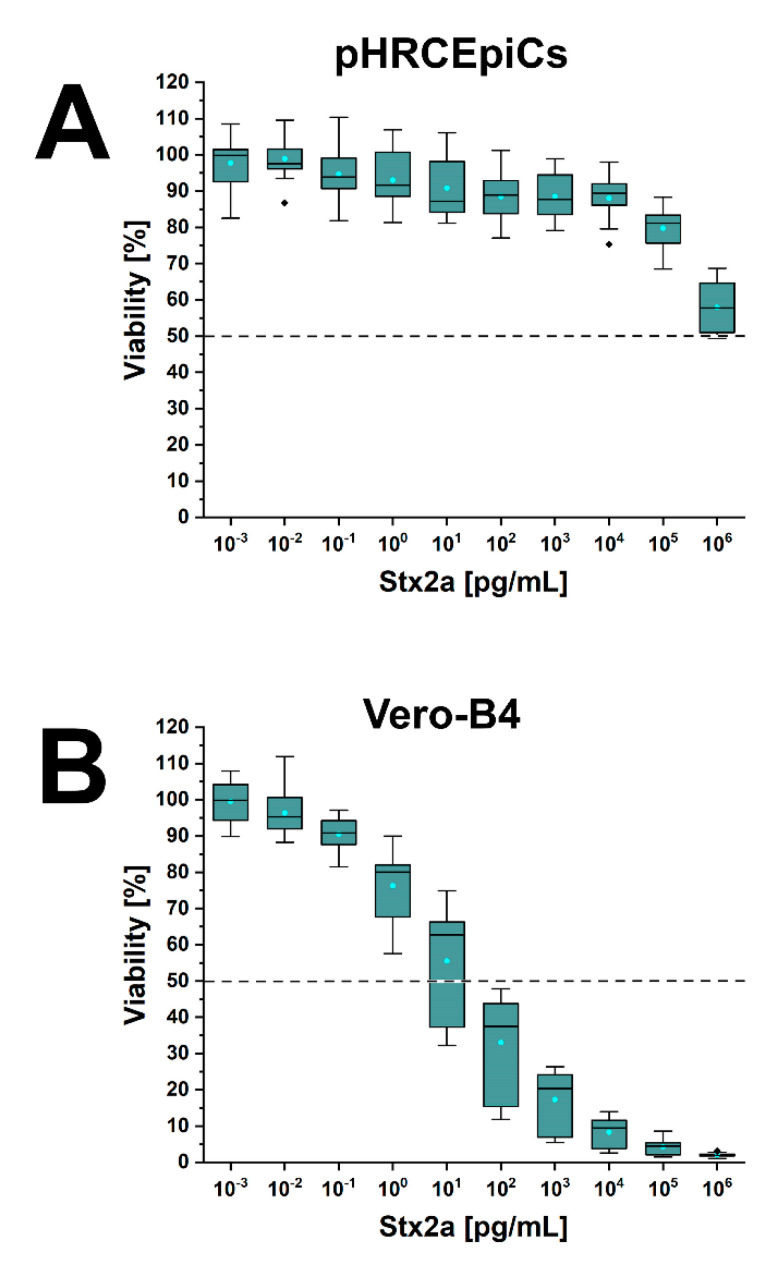
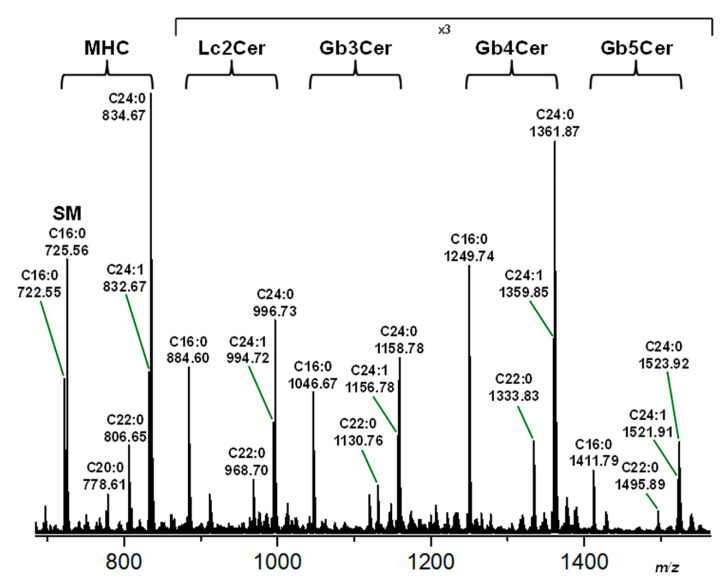
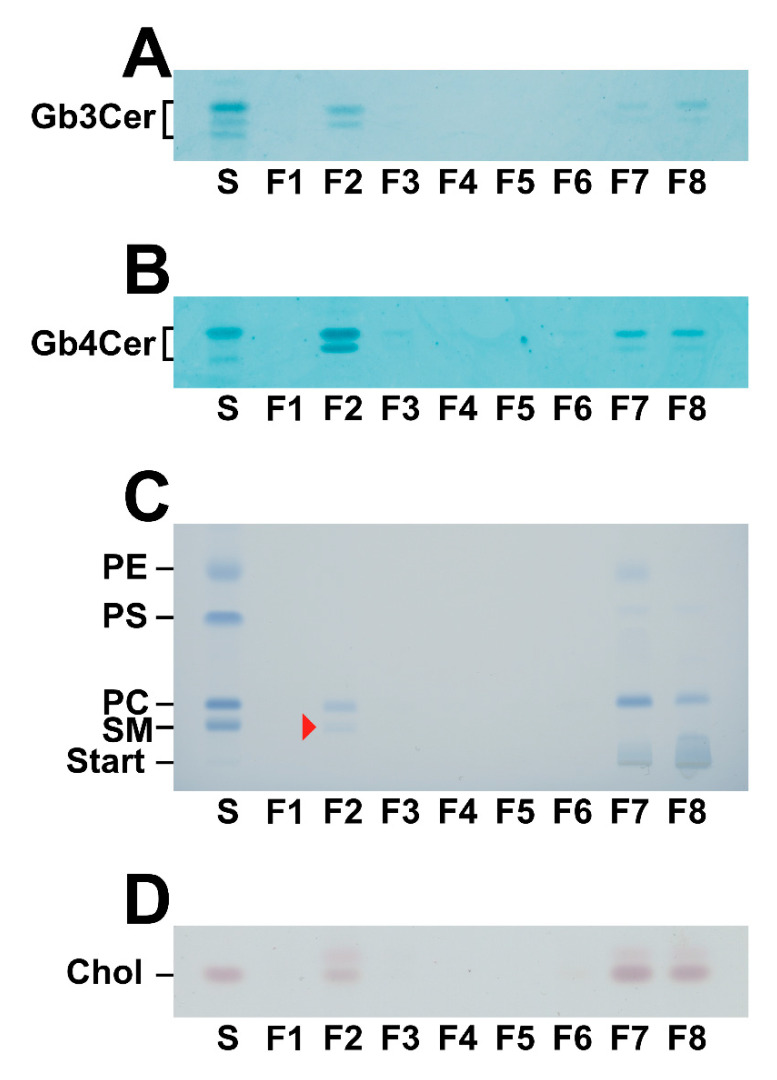
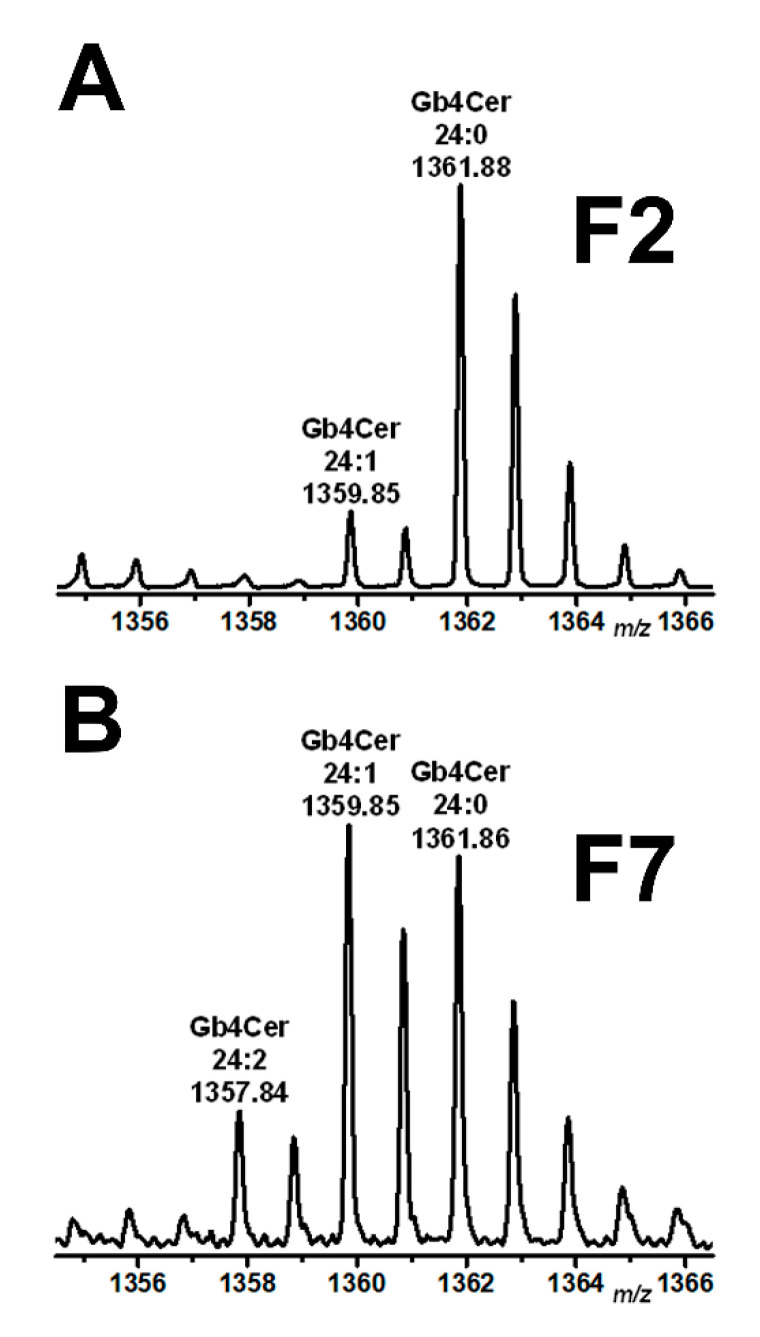
原发性人肾皮质上皮细胞(pHRCEpiCs)上的志贺毒素(Stx)结合糖鞘脂和 Stx 介导的细胞毒性。

Shiga Toxin (Stx)-Binding Glycosphingolipids of Primary Human Renal Cortical Epithelial Cells (pHRCEpiCs) and Stx-Mediated Cytotoxicity.

机构信息

Institute of Hygiene, University of Münster, D-48149 Münster, Germany.

Institute of Food Chemistry, University of Münster, D-48149 Münster, Germany.

出版信息

Toxins (Basel). 2021 Feb 12;13(2):139. doi: 10.3390/toxins13020139.

DOI:10.3390/toxins13020139
PMID:33673393
原文链接:https://pmc.ncbi.nlm.nih.gov/articles/PMC7918848/
Abstract

Human kidney epithelial cells are supposed to be directly involved in the pathogenesis of the hemolytic-uremic syndrome (HUS) caused by Shiga toxin (Stx)-producing enterohemorrhagic (EHEC). The characterization of the major and minor Stx-binding glycosphingolipids (GSLs) globotriaosylceramide (Gb3Cer) and globotetraosylceramide (Gb4Cer), respectively, of primary human renal cortical epithelial cells (pHRCEpiCs) revealed GSLs with Cer (d18:1, C16:0), Cer (d18:1, C22:0), and Cer (d18:1, C24:1/C24:0) as the dominant lipoforms. Using detergent-resistant membranes (DRMs) and non-DRMs, Gb3Cer and Gb4Cer prevailed in the DRM fractions, suggesting their association with microdomains in the liquid-ordered membrane phase. A preference of Gb3Cer and Gb4Cer endowed with C24:0 fatty acid accompanied by minor monounsaturated C24:1-harboring counterparts was observed in DRMs, whereas the C24:1 fatty acid increased in relation to the saturated equivalents in non-DRMs. A shift of the dominant phospholipid phosphatidylcholine with saturated fatty acids in the DRM to unsaturated species in the non-DRM fractions correlated with the GSL distribution. Cytotoxicity assays gave a moderate susceptibility of pHRCEpiCs to the Stx1a and Stx2a subtypes when compared to highly sensitive Vero-B4 cells. The results indicate that presence of Stx-binding GSLs per se and preferred occurrence in microdomains do not necessarily lead to a high cellular susceptibility towards Stx.

摘要

人肾上皮细胞被认为直接参与由产志贺毒素(Stx)的肠出血性大肠杆菌(EHEC)引起的溶血性尿毒综合征(HUS)的发病机制。原代人肾皮质上皮细胞(pHRCEpiCs)中主要和次要 Stx 结合糖鞘脂(GSL)神经节三己糖神经酰胺(Gb3Cer)和神经节四己糖神经酰胺(Gb4Cer)的特征分别为 Cer(d18:1,C16:0)、Cer(d18:1,C22:0)和 Cer(d18:1,C24:1/C24:0)作为主要的脂类形式。使用去污剂抗性膜(DRM)和非 DRM,Gb3Cer 和 Gb4Cer 优先存在于 DRM 部分,表明它们与液态有序膜相中的微区相关联。观察到 DRMs 中具有 C24:0 脂肪酸的 Gb3Cer 和 Gb4Cer 以及具有少量单不饱和 C24:1-的对应物的偏爱,而 C24:1 脂肪酸与非 DRM 中的饱和当量增加有关。DRM 中具有饱和脂肪酸的主要磷脂酰胆碱向非 DRM 部分中不饱和物质的转移与 GSL 分布相关。与高度敏感的 Vero-B4 细胞相比,pHRCEpiCs 对 Stx1a 和 Stx2a 亚型的细胞毒性测定表现出中等的敏感性。结果表明,Stx 结合 GSL 的存在本身以及在微区中的优先出现并不一定导致细胞对 Stx 的高敏感性。
https://cdn.ncbi.nlm.nih.gov/pmc/blobs/b0c0/7918848/0f5c6f59e82f/toxins-13-00139-g007.jpg
https://cdn.ncbi.nlm.nih.gov/pmc/blobs/b0c0/7918848/441454a515d6/toxins-13-00139-g001.jpg
https://cdn.ncbi.nlm.nih.gov/pmc/blobs/b0c0/7918848/10cd55bfe260/toxins-13-00139-g002.jpg
https://cdn.ncbi.nlm.nih.gov/pmc/blobs/b0c0/7918848/e66bd7189463/toxins-13-00139-g003.jpg
https://cdn.ncbi.nlm.nih.gov/pmc/blobs/b0c0/7918848/1cd4d3c78464/toxins-13-00139-g004.jpg
https://cdn.ncbi.nlm.nih.gov/pmc/blobs/b0c0/7918848/6cb018573bb0/toxins-13-00139-g005.jpg
https://cdn.ncbi.nlm.nih.gov/pmc/blobs/b0c0/7918848/d797e364beb2/toxins-13-00139-g006.jpg
https://cdn.ncbi.nlm.nih.gov/pmc/blobs/b0c0/7918848/0f5c6f59e82f/toxins-13-00139-g007.jpg
https://cdn.ncbi.nlm.nih.gov/pmc/blobs/b0c0/7918848/441454a515d6/toxins-13-00139-g001.jpg
https://cdn.ncbi.nlm.nih.gov/pmc/blobs/b0c0/7918848/10cd55bfe260/toxins-13-00139-g002.jpg
https://cdn.ncbi.nlm.nih.gov/pmc/blobs/b0c0/7918848/e66bd7189463/toxins-13-00139-g003.jpg
https://cdn.ncbi.nlm.nih.gov/pmc/blobs/b0c0/7918848/1cd4d3c78464/toxins-13-00139-g004.jpg
https://cdn.ncbi.nlm.nih.gov/pmc/blobs/b0c0/7918848/6cb018573bb0/toxins-13-00139-g005.jpg
https://cdn.ncbi.nlm.nih.gov/pmc/blobs/b0c0/7918848/d797e364beb2/toxins-13-00139-g006.jpg
https://cdn.ncbi.nlm.nih.gov/pmc/blobs/b0c0/7918848/0f5c6f59e82f/toxins-13-00139-g007.jpg

相似文献

1
Shiga Toxin (Stx)-Binding Glycosphingolipids of Primary Human Renal Cortical Epithelial Cells (pHRCEpiCs) and Stx-Mediated Cytotoxicity.原发性人肾皮质上皮细胞(pHRCEpiCs)上的志贺毒素(Stx)结合糖鞘脂和 Stx 介导的细胞毒性。
Toxins (Basel). 2021 Feb 12;13(2):139. doi: 10.3390/toxins13020139.
2
Primary Human Colon Epithelial Cells (pHCoEpiCs) Do Express the Shiga Toxin (Stx) Receptor Glycosphingolipids Gb3Cer and Gb4Cer and Are Largely Refractory but Not Resistant towards Stx.原代人结肠上皮细胞(pHCoEpiCs)确实表达志贺毒素(Stx)受体糖鞘脂Gb3Cer 和 Gb4Cer,对 Stx 主要表现为不易感,但并非耐药。
Int J Mol Sci. 2021 Sep 16;22(18):10002. doi: 10.3390/ijms221810002.
3
Primary Human Renal Proximal Tubular Epithelial Cells (pHRPTEpiCs): Shiga Toxin (Stx) Glycosphingolipid Receptors, Stx Susceptibility, and Interaction with Membrane Microdomains.原代人肾近端小管上皮细胞 (pHRPTEpiCs):志贺毒素 (Stx) 糖鞘脂受体、Stx 易感性以及与膜微区的相互作用。
Toxins (Basel). 2021 Jul 28;13(8):529. doi: 10.3390/toxins13080529.
4
Shiga toxin glycosphingolipid receptors and their lipid membrane ensemble in primary human blood-brain barrier endothelial cells.志贺毒素糖鞘脂受体及其在原代人血脑屏障内皮细胞中的脂质膜组合体。
Glycobiology. 2017 Jan;27(1):99-109. doi: 10.1093/glycob/cww090. Epub 2016 Aug 24.
5
Shiga toxin glycosphingolipid receptors of Vero-B4 kidney epithelial cells and their membrane microdomain lipid environment.Vero-B4肾上皮细胞的志贺毒素糖鞘脂受体及其膜微区脂质环境。
J Lipid Res. 2015 Dec;56(12):2322-36. doi: 10.1194/jlr.M063040. Epub 2015 Oct 13.
6
Shiga Toxin Glycosphingolipid Receptors in Human Caco-2 and HCT-8 Colon Epithelial Cell Lines.志贺毒素糖鞘脂受体在人 Caco-2 和 HCT-8 结肠上皮细胞系中的表达。
Toxins (Basel). 2017 Oct 25;9(11):338. doi: 10.3390/toxins9110338.
7
Colocalization of receptors for Shiga toxins with lipid rafts in primary human renal glomerular endothelial cells and influence of D-PDMP on synthesis and distribution of glycosphingolipid receptors.Shiga 毒素受体与原发性人肾小球内皮细胞脂筏的共定位及 D-PDMP 对糖鞘脂受体合成和分布的影响。
Glycobiology. 2017 Oct 1;27(10):947-965. doi: 10.1093/glycob/cwx048.
8
Shiga toxin-glycosphingolipid interaction: Status quo of research with focus on primary human brain and kidney endothelial cells.志贺毒素-糖鞘脂相互作用:以原代人脑和肾内皮细胞为研究重点的研究现状。
Int J Med Microbiol. 2018 Dec;308(8):1073-1084. doi: 10.1016/j.ijmm.2018.09.003. Epub 2018 Sep 8.
9
Real-time interaction analysis of Shiga toxins and membrane microdomains of primary human brain microvascular endothelial cells.实时分析志贺毒素与原代人脑微血管内皮细胞的膜微区的相互作用。
Glycobiology. 2020 Feb 19;30(3):174-185. doi: 10.1093/glycob/cwz091.
10
Uncommon membrane distribution of Shiga toxin glycosphingolipid receptors in toxin-sensitive human glomerular microvascular endothelial cells.Shiga 毒素糖鞘脂受体在毒素敏感的人肾小球微血管内皮细胞中罕见的膜分布。
Biol Chem. 2012 Mar;393(3):133-47. doi: 10.1515/hsz-2011-0288.

引用本文的文献

1
Shiga Toxin Type 2 Aggravates G1/S Phase Cell Cycle Arrest, Mediating Caspase-Independent Cell Death under Hyperosmotic Conditions in the Kidney.2型志贺毒素加重G1/S期细胞周期阻滞,在肾脏高渗条件下介导非半胱天冬酶依赖性细胞死亡。
J Microbiol Biotechnol. 2025 Sep 5;35:e2508015. doi: 10.4014/jmb.2505.08015.
2
Enterohemorrhagic and a Fresh View on Shiga Toxin-Binding Glycosphingolipids of Primary Human Kidney and Colon Epithelial Cells and Their Toxin Susceptibility.肠出血性和对原发性人肾和结肠上皮细胞及其毒素易感性的志贺毒素结合糖鞘脂的新观点。
Int J Mol Sci. 2022 Jun 21;23(13):6884. doi: 10.3390/ijms23136884.
3
Ingenious Action of Neuraminidase Recruiting Additional GM1 Cholera Toxin Receptors for Primary Human Colon Epithelial Cells.

本文引用的文献

1
Primary Human Derived Blood Outgrowth Endothelial Cells: An Appropriate In Vitro Model to Study Shiga Toxin Mediated Damage of Endothelial Cells.原代人源性血衍生的出芽内皮细胞:研究志贺毒素介导的内皮细胞损伤的合适体外模型。
Toxins (Basel). 2020 Jul 29;12(8):483. doi: 10.3390/toxins12080483.
2
Clathrin-independent endocytosis, retrograde trafficking, and cell polarity.网格蛋白非依赖性内吞作用、逆向运输和细胞极性。
Curr Opin Cell Biol. 2020 Aug;65:112-121. doi: 10.1016/j.ceb.2020.05.009. Epub 2020 Jul 17.
3
Recent Updates on Outbreaks of Shiga Toxin-Producing and Its Potential Reservoirs.
神经氨酸酶为原代人结肠上皮细胞募集额外GM1霍乱毒素受体的巧妙作用
Microorganisms. 2022 Jun 20;10(6):1255. doi: 10.3390/microorganisms10061255.
4
Application of Protein Toxins as Cell Biological and Pharmacological Tools.蛋白质毒素在细胞生物学和药理学工具中的应用。
Toxins (Basel). 2022 Mar 28;14(4):242. doi: 10.3390/toxins14040242.
5
Primary Human Colon Epithelial Cells (pHCoEpiCs) Do Express the Shiga Toxin (Stx) Receptor Glycosphingolipids Gb3Cer and Gb4Cer and Are Largely Refractory but Not Resistant towards Stx.原代人结肠上皮细胞(pHCoEpiCs)确实表达志贺毒素(Stx)受体糖鞘脂Gb3Cer 和 Gb4Cer,对 Stx 主要表现为不易感,但并非耐药。
Int J Mol Sci. 2021 Sep 16;22(18):10002. doi: 10.3390/ijms221810002.
6
Multiplicity of Glycosphingolipid-Enriched Microdomain-Driven Immune Signaling.糖脂富集微区驱动的免疫信号的多态性。
Int J Mol Sci. 2021 Sep 3;22(17):9565. doi: 10.3390/ijms22179565.
7
Primary Human Renal Proximal Tubular Epithelial Cells (pHRPTEpiCs): Shiga Toxin (Stx) Glycosphingolipid Receptors, Stx Susceptibility, and Interaction with Membrane Microdomains.原代人肾近端小管上皮细胞 (pHRPTEpiCs):志贺毒素 (Stx) 糖鞘脂受体、Stx 易感性以及与膜微区的相互作用。
Toxins (Basel). 2021 Jul 28;13(8):529. doi: 10.3390/toxins13080529.
最新关于产志贺毒素大肠杆菌疫情及其潜在宿主的更新。
Front Cell Infect Microbiol. 2020 Jun 4;10:273. doi: 10.3389/fcimb.2020.00273. eCollection 2020.
4
Shiga Toxin-Bearing Microvesicles Exert a Cytotoxic Effect on Recipient Cells Only When the Cells Express the Toxin Receptor.携带志贺毒素的微囊仅在细胞表达毒素受体时才会对受体细胞产生细胞毒性作用。
Front Cell Infect Microbiol. 2020 May 25;10:212. doi: 10.3389/fcimb.2020.00212. eCollection 2020.
5
Valid Presumption of Shiga Toxin-Mediated Damage of Developing Erythrocytes in EHEC-Associated Hemolytic Uremic Syndrome.志贺毒素介导的 EHEC 相关溶血尿毒综合征中发育中红细胞损伤的合理推测。
Toxins (Basel). 2020 Jun 4;12(6):373. doi: 10.3390/toxins12060373.
6
Molecular Biology of Shiga Toxins' Effects on Mammalian Cells.志贺毒素对哺乳动物细胞影响的分子生物学
Toxins (Basel). 2020 May 23;12(5):345. doi: 10.3390/toxins12050345.
7
Verotoxin Receptor-Based Pathology and Therapies.基于维罗毒素受体的病理学与治疗方法
Front Cell Infect Microbiol. 2020 Mar 31;10:123. doi: 10.3389/fcimb.2020.00123. eCollection 2020.
8
RAB5A and TRAPPC6B are novel targets for Shiga toxin 2a inactivation in kidney epithelial cells.RAB5A 和 TRAPPC6B 是肾上皮细胞中 Shiga 毒素 2a 失活的新靶标。
Sci Rep. 2020 Mar 18;10(1):4945. doi: 10.1038/s41598-020-59694-w.
9
Particulate Shiga Toxin 2 in Blood is Associated to the Development of Hemolytic Uremic Syndrome in Children.血中颗粒型志贺毒素 2 与儿童溶血尿毒综合征的发生相关。
Thromb Haemost. 2020 Jan;120(1):107-120. doi: 10.1055/s-0039-3400301. Epub 2019 Dec 13.
10
Structural Insights into Shiga Toxin (Stx) Glycosphingolipid Receptors of Porcine Renal Epithelial Cells and Inhibition of Stx-Mediated Cellular Injury Using Neoglycolipid-Spiked Glycovesicles.猪肾上皮细胞志贺毒素(Stx)糖鞘脂受体的结构洞察以及使用新糖脂加标糖囊泡抑制Stx介导的细胞损伤
Microorganisms. 2019 Nov 19;7(11):582. doi: 10.3390/microorganisms7110582.