Ren Haiying, Wu Yangchun, Ahmed Temoor, Qi Xingjiang, Li Bin
The Institute of Horticulture Zhejiang Academy of Agricultural Sciences, Hangzhou 310021, China.
College of Chemistry and Life Science, Zhejiang Normal University, Jinhua 321004, China.
Pathogens. 2021 Mar 29;10(4):402. doi: 10.3390/pathogens10040402.
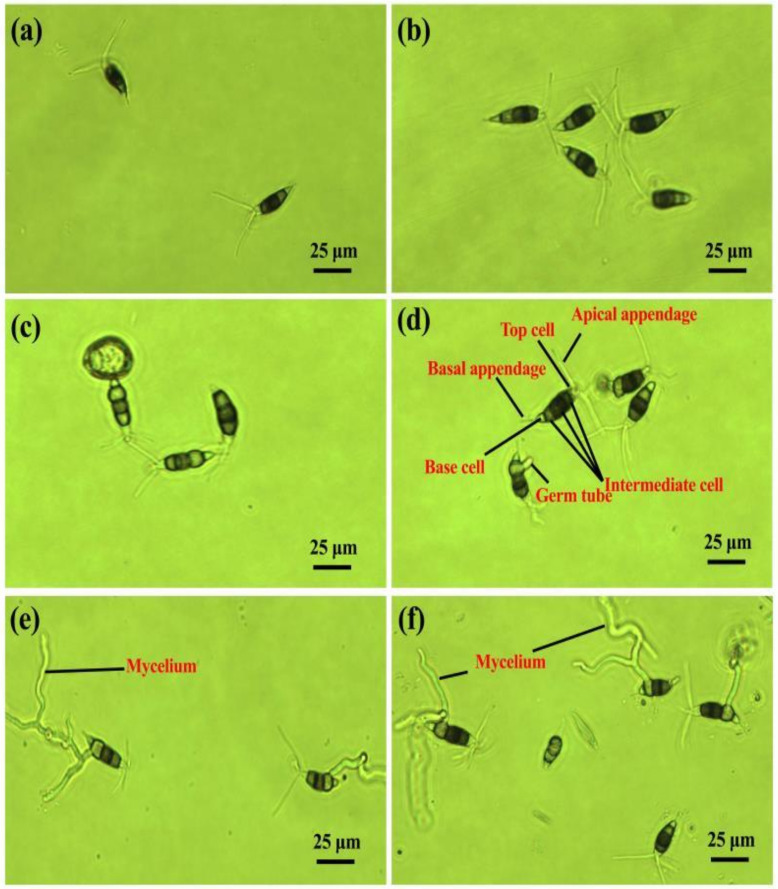
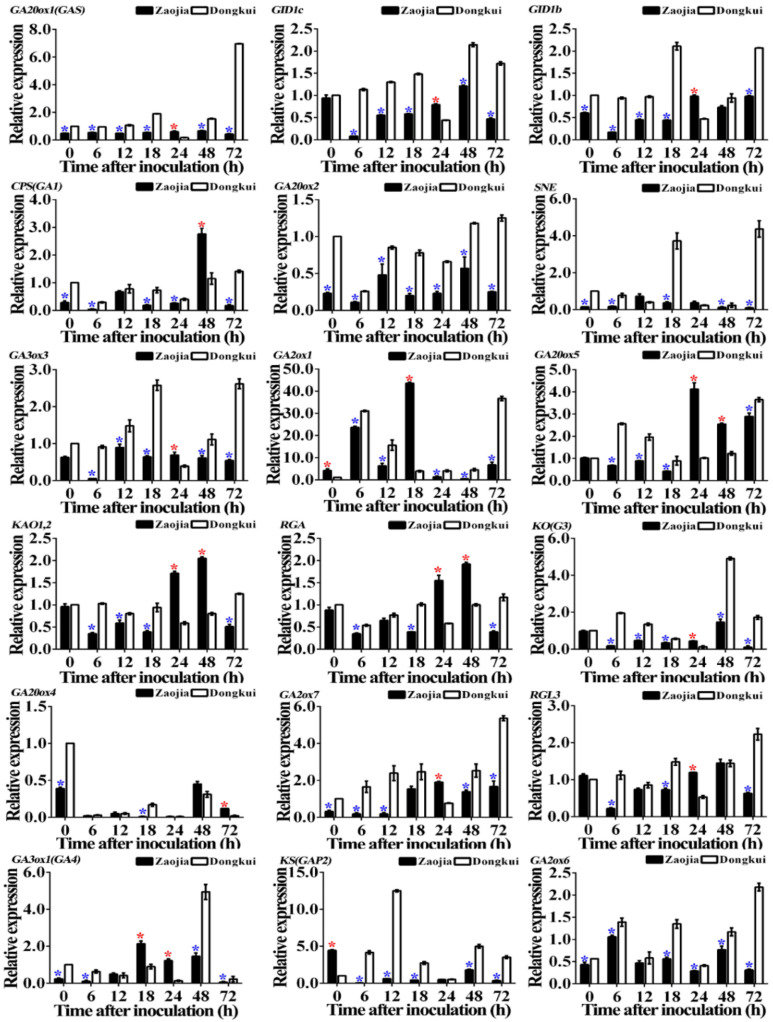
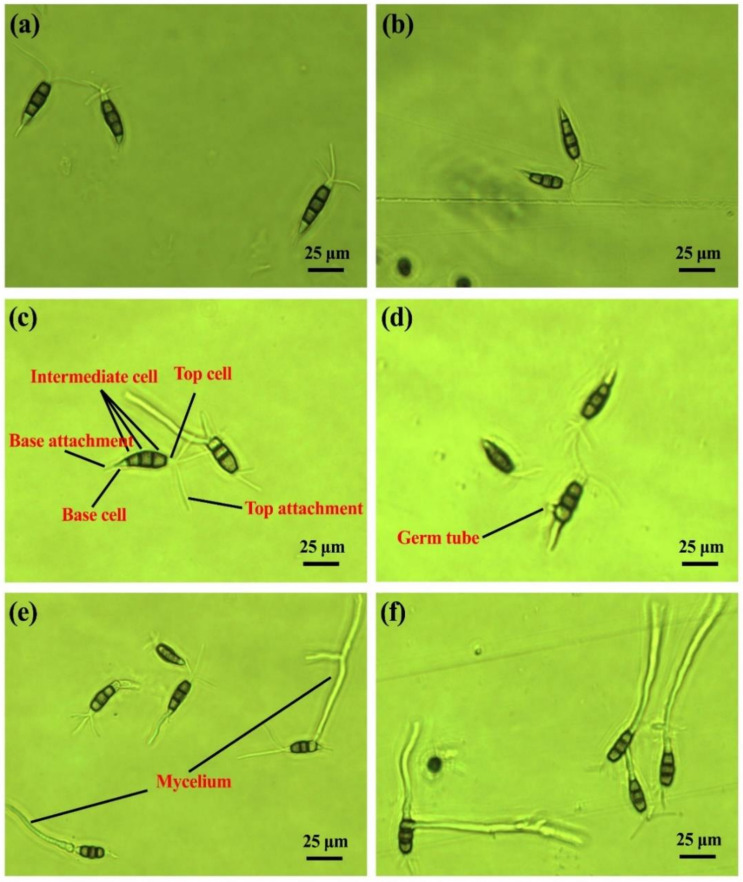
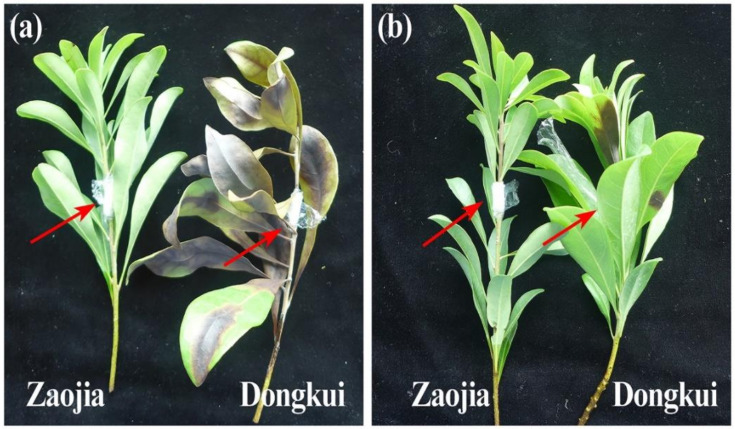
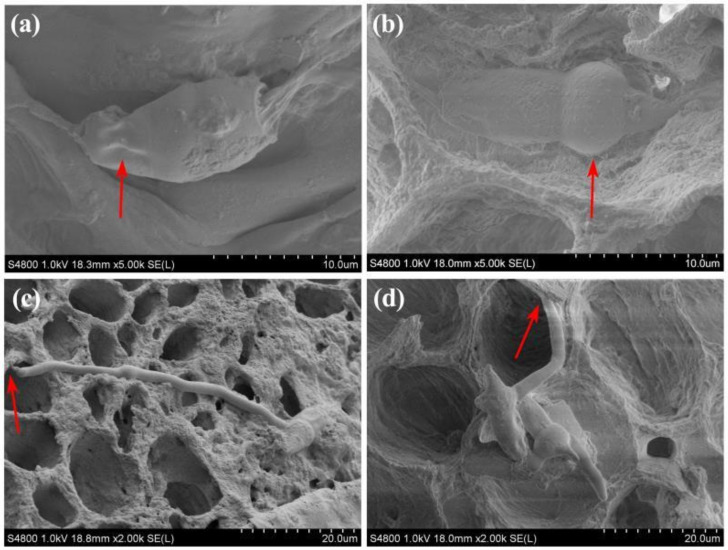
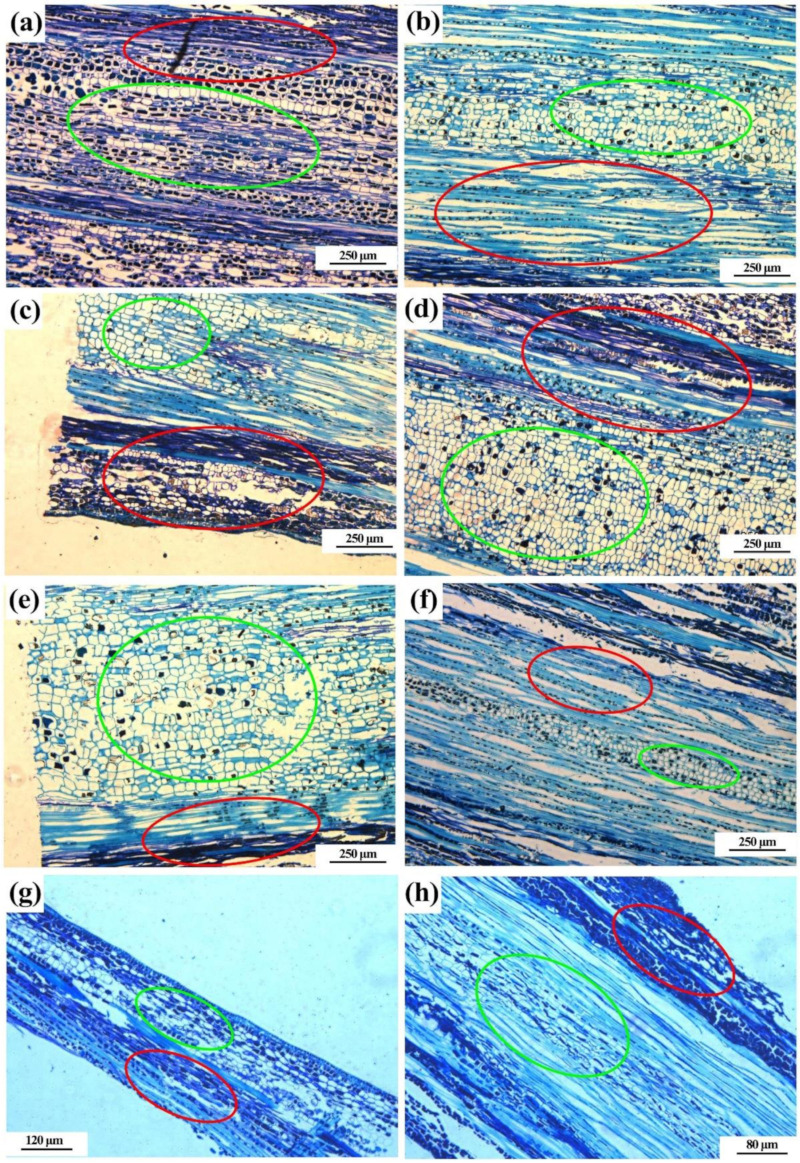
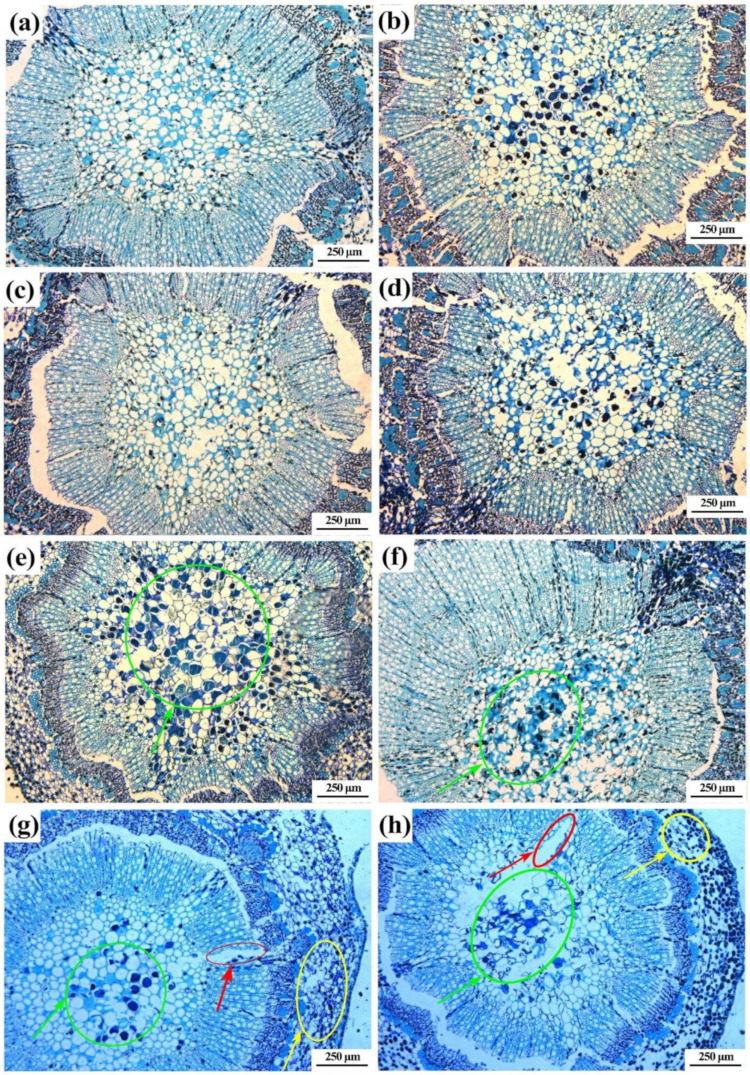
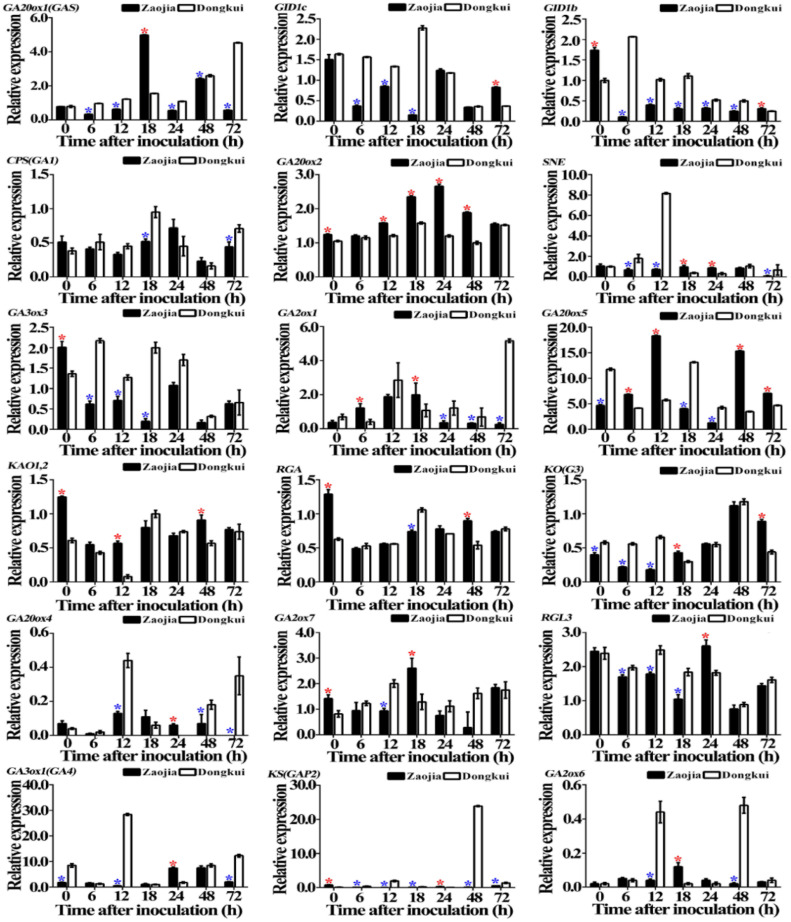
Bayberry is an important fruit tree native to the subtropical regions of China. However, a systematic twig blight disease caused by and , resulted in the death of the whole tree of bayberry. The main variety Dongkui is highly sensitive to the twig blight disease, but the variety Zaojia is very highly resistant to the disease. Therefore, it is very necessary to clear the difference between resistant and susceptible varieties in response to the fungal infection. In this paper, we investigated the response of resistant and susceptible bayberry cultivars to infection of twig blight pathogen by histological observation and gibberellin signaling pathway-related genes expression. Microscopic observation revealed the difference in the infection process between resistant and susceptible varieties. The results of frozen scanning electron microscopy showed that the conidia were shrunk, the mycelium was shriveled and did not extend into the cells of resistant cultivars, while the conidia were full and the top was extended, the mycelia was normal and continued to extend to the cells of a susceptible cultivar. Indeed, the medulla cells were almost intact in resistant cultivar, but obviously damaged in susceptible cultivar after inoculation of the main fungal pathogen conidia, which is earlier germinated on sterile glass slide than that of a hard plastic slide. The quantitative real-time PCR results showed a significant difference between resistant and susceptible cultivars in the expression of gibberellin signaling pathway-related genes in leaves and stems of bayberry, which is closely related to infection time, the type of genes and varieties. Overall, this study provides a clue for our understanding of the resistance mechanism of bayberry against the twig blight disease.
杨梅是原产于中国亚热带地区的重要果树。然而,由[未提及具体病菌名称]引起的一种系统性枝枯病导致杨梅整株死亡。主要品种东魁对枝枯病高度敏感,但品种早佳对该病具有很强的抗性。因此,明确抗性和感病品种对真菌感染的差异非常必要。在本文中,我们通过组织学观察和赤霉素信号通路相关基因表达研究了抗性和感病杨梅品种对枝枯病病原菌感染的反应。显微镜观察揭示了抗性和感病品种在感染过程中的差异。冷冻扫描电子显微镜结果显示,抗性品种的分生孢子萎缩,菌丝体皱缩且未延伸到细胞内,而感病品种的分生孢子饱满且顶部伸展,菌丝体正常并继续延伸到细胞中。事实上,接种主要真菌病原菌分生孢子后,抗性品种的髓细胞几乎完整,但感病品种的髓细胞明显受损,分生孢子在无菌载玻片上比在硬塑料载玻片上更早萌发。定量实时PCR结果表明,杨梅叶片和茎中赤霉素信号通路相关基因的表达在抗性和感病品种之间存在显著差异,这与感染时间、基因类型和品种密切相关。总体而言,本研究为我们理解杨梅对枝枯病的抗性机制提供了线索。