J Emerg Nurs. 2021 Sep;47(5):733-741. doi: 10.1016/j.jen.2021.03.007. Epub 2021 Apr 20.
The use of an electronic health record may create unanticipated consequences for emergency care delivery. We sought to describe emergency department nursing task distribution and the use of the electronic health record.
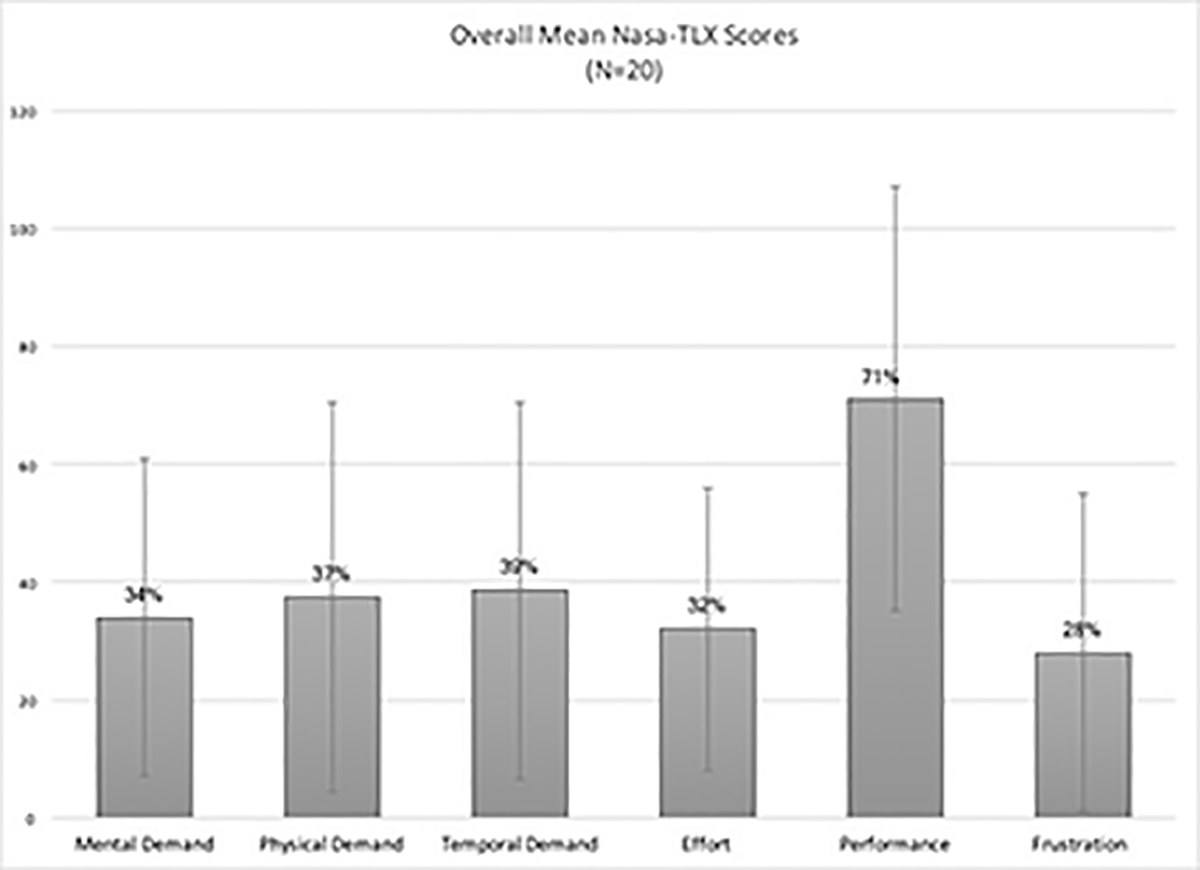
This was a prospective observational study of nurses in the emergency department using a time-and-motion methodology. Three trained research assistants conducted 1:1 observations between March and September 2019. Nurse tasks were classified into 6 established categories: electronic health record, direct/indirect patient care, communication, personal time, and other. Nurses' perceived workload was assessed using the National Aeronautics and Space Administration (NASA) Task Load Index.
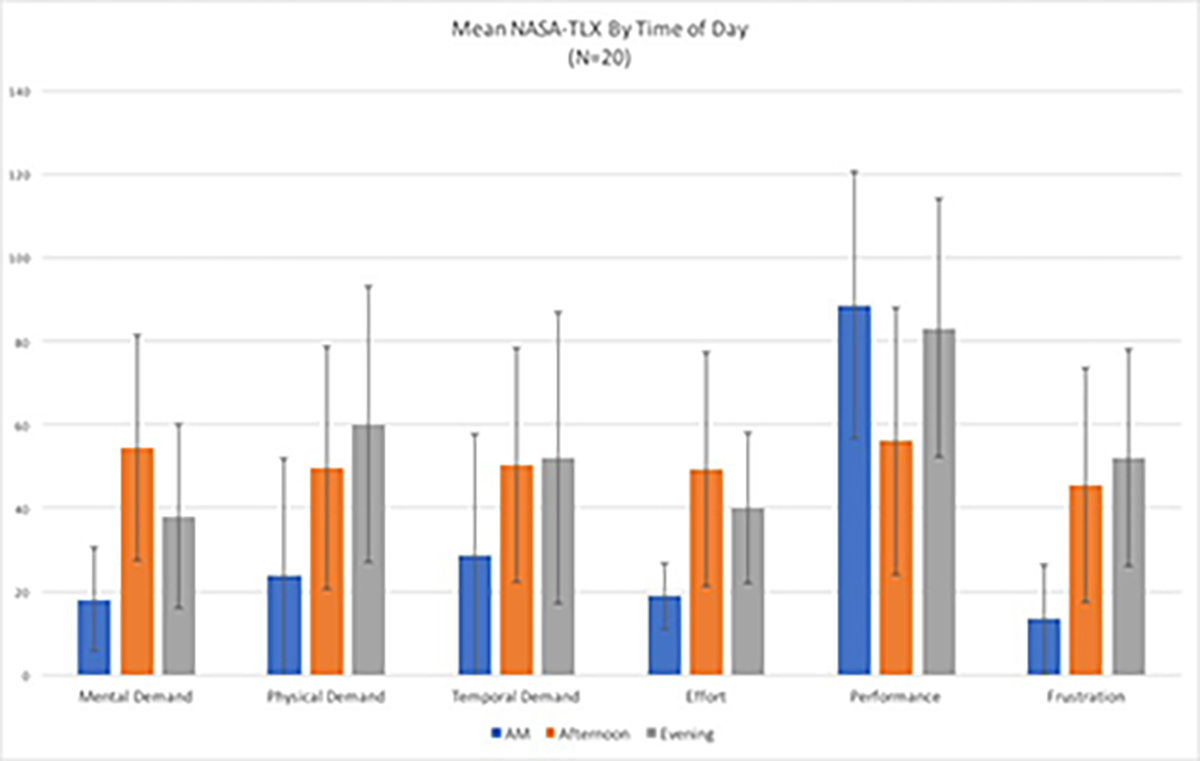
Twenty-three observations were conducted over 46 hours. Overall, nurses spent 27% of their time on electronic health record tasks, 25% on direct patient care, 17% on personal time, 15% on indirect patient care, and 6% on communication. During morning (7 am-12 pm) and afternoon shifts (12 pm-3 pm), the use of the health record was the most commonly performed task, whereas indirect patient care was the task most performed during evening shifts (3 pm-12 pm). Using the National Aeronautics and Space Administration (NASA) Task Load Index, nurses reported an increase in mental demand and effort during afternoon shifts compared with morning shifts.
We observed that emergency nurses spent more time using the electronic health record as compared to other tasks. Increased usability of the electronic health record, particularly during high occupancy periods, may be a target for improvement.
电子健康记录的使用可能会给急诊医疗服务的提供带来意想不到的后果。我们旨在描述急诊护理任务的分配和电子健康记录的使用情况。
这是一项针对急诊护士的前瞻性观察研究,采用时间和动作研究方法。三名经过培训的研究助理于 2019 年 3 月至 9 月期间进行了 1:1 的观察。护士的任务被分为 6 个既定类别:电子健康记录、直接/间接患者护理、沟通、个人时间和其他。护士的感知工作量使用美国国家航空航天局(NASA)任务负荷指数进行评估。
共进行了 23 次观察,历时 46 小时。总的来说,护士将 27%的时间用于电子健康记录任务,25%的时间用于直接患者护理,17%的时间用于个人时间,15%的时间用于间接患者护理,6%的时间用于沟通。在上午(7 点至 12 点)和下午(12 点至 3 点)班,使用健康记录是最常执行的任务,而在晚上(3 点至 12 点)班,间接患者护理是最常执行的任务。使用美国国家航空航天局(NASA)任务负荷指数,与上午班相比,护士报告下午班的精神需求和工作努力增加。
我们观察到,与其他任务相比,急诊护士花费更多时间使用电子健康记录。提高电子健康记录的可用性,特别是在高入住率期间,可能是一个改进的目标。