Guo Xiaoying, Lan Zixin, Wen Yaling, Zheng Chanjiao, Rong Zuhua, Liu Tao, Chen Siyi, Yang Xingfen, Zheng Huimin, Wu Wei
Guangdong Provincial Institute of Public Health, Guangdong Provincial Center for Disease Control and Prevention, Guangzhou, China.
School of Public Health, Southern Medical University, Guangzhou, China.
Front Cell Infect Microbiol. 2021 Sep 30;11:729756. doi: 10.3389/fcimb.2021.729756. eCollection 2021.
Hand, foot and mouth disease (HFMD) is an acute enterovirus-induced disease. Gut microbiota dysbiosis has been identified as a factor that plays an important role in enteral virus infection, but the gut microbiota profile in hand, foot and mouth disease has rarely been studied in a large population.
A total of 749 children (HFMD: n = 262, healthy control: n = 487) aged 2 to 7 years were recruited from hospitals and communities in the period from May to July, 2017. Clinical and demographical information was collected by trained personnel, and fecal samples were collected and processed for 16S ribosomal RNA(rRNA) gene sequencing.
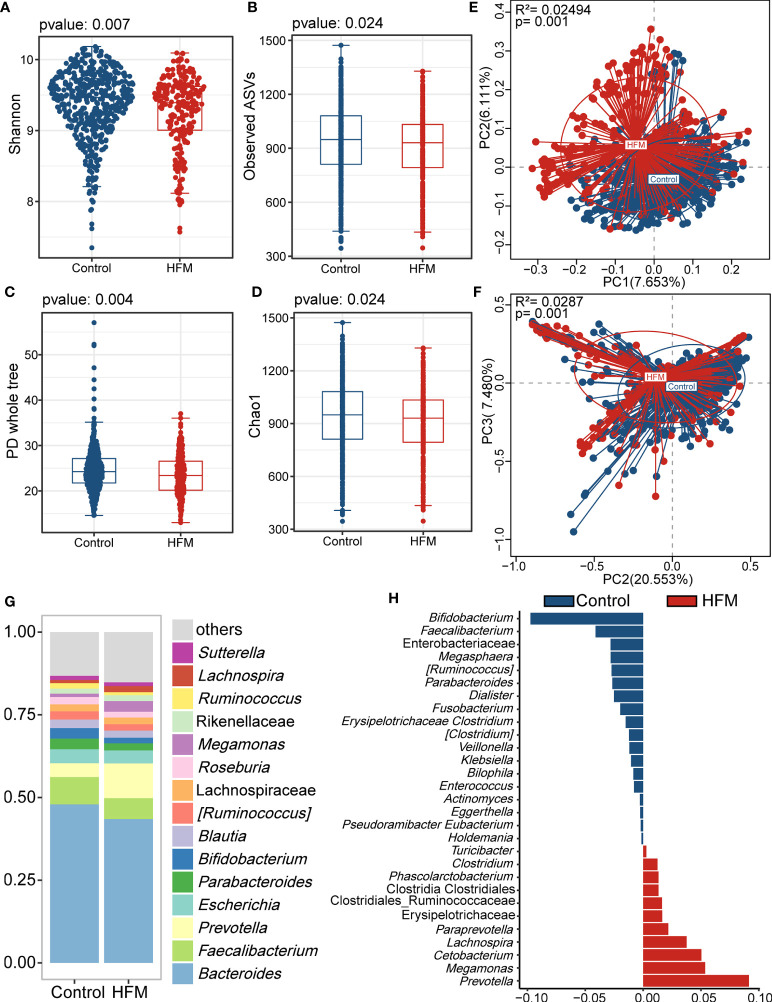
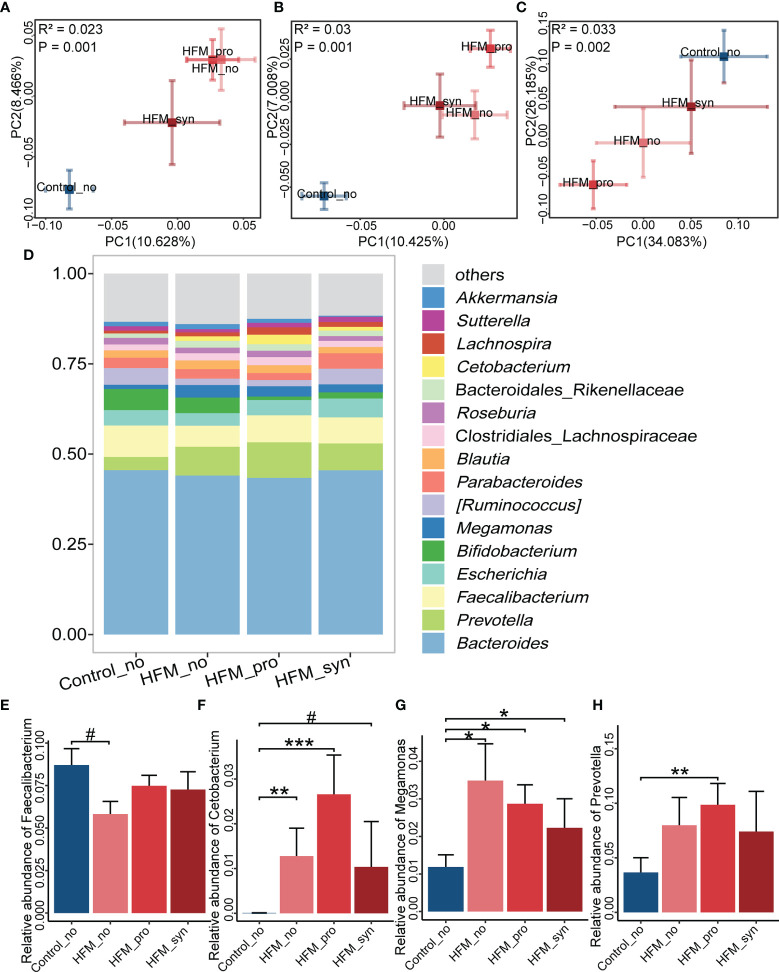
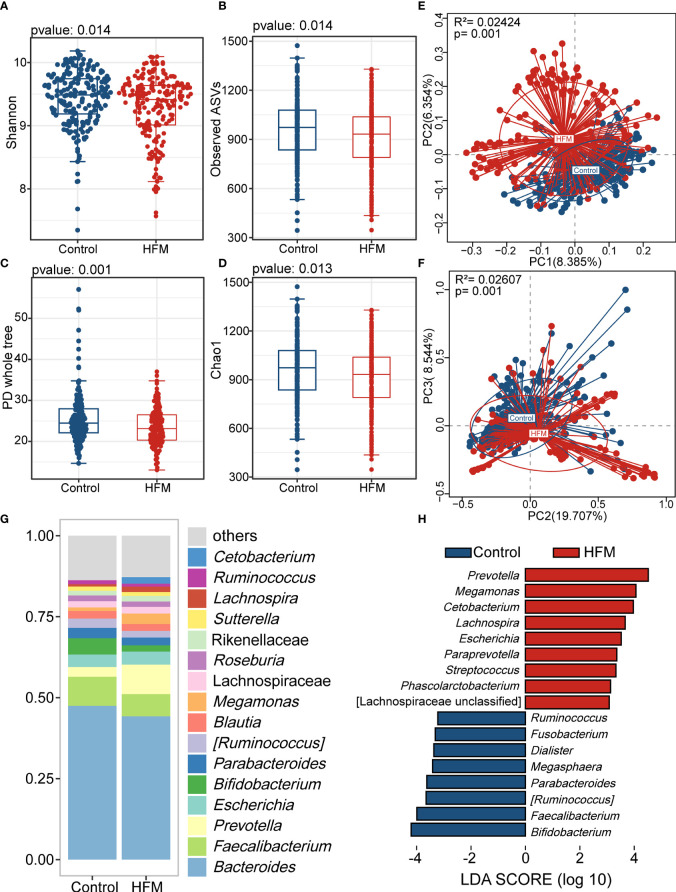
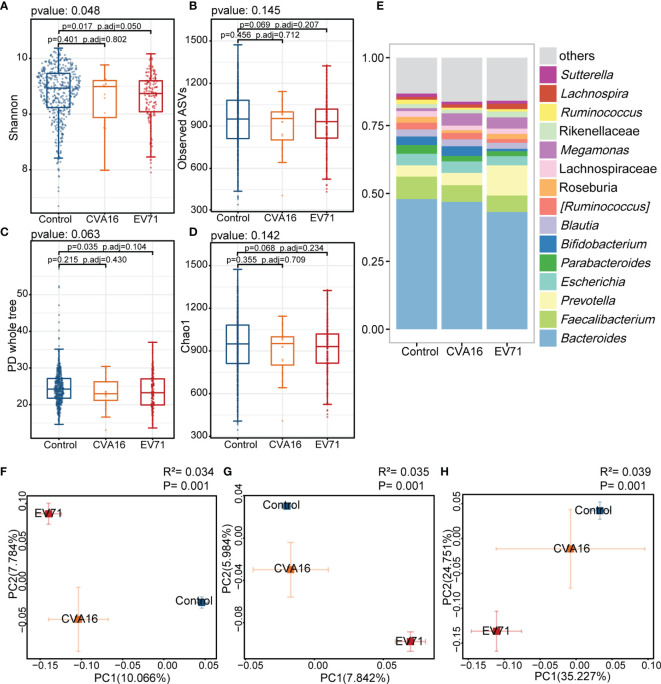
We observed a significant alteration in the microbiota profile of children with HFMD compared with that of control children. Patients with enteroviruses A71(EV71) positive had more dysbiotic gut microbiota than those with coxsackievirus A16 (CAV16) positive. We found that and were enriched in children with HFMD, whereas beneficial bacteria, including and , were depleted. Children with synbiotics supplements had lower risk of HFMD and we observed that the gut microbiota of HFMD patients who were administered synbiotics exhibited potential resistance to the dysbiosis detected in HFMD.
This study suggested that the gut microbiota of patients with hand, foot and mouth disease exhibits dysbiosis and that synbiotics supplements potentially helps maintain the homeostasis of the gut flora.
手足口病(HFMD)是一种由肠道病毒引起的急性疾病。肠道微生物群失调已被确定为在肠道病毒感染中起重要作用的一个因素,但手足口病患者的肠道微生物群特征在大量人群中很少被研究。
2017年5月至7月期间,从医院和社区招募了749名2至7岁的儿童(手足口病组:n = 262,健康对照组:n = 487)。由经过培训的人员收集临床和人口统计学信息,并收集粪便样本并进行处理以进行16S核糖体RNA(rRNA)基因测序。
我们观察到与对照儿童相比手足口病患儿的微生物群特征有显著改变。肠道病毒A71(EV71)阳性的患者比柯萨奇病毒A16(CAV16)阳性的患者肠道微生物群失调更严重。我们发现[此处原文缺失具体菌群名称]在手足口病患儿中富集,而包括[此处原文缺失具体菌群名称]在内的有益细菌减少。补充合生元的儿童患手足口病的风险较低,并且我们观察到接受合生元治疗的手足口病患者的肠道微生物群表现出对在手足口病中检测到的失调的潜在抵抗力。
本研究表明手足口病患者的肠道微生物群存在失调,并且补充合生元可能有助于维持肠道菌群的稳态。