School of Life Sciences, Zhengzhou University, Zhengzhou, China.
School of Basic Medical Sciences, Zhengzhou University, Zhengzhou, China.
J Cell Mol Med. 2022 Jan;26(2):449-461. doi: 10.1111/jcmm.17101. Epub 2021 Dec 11.
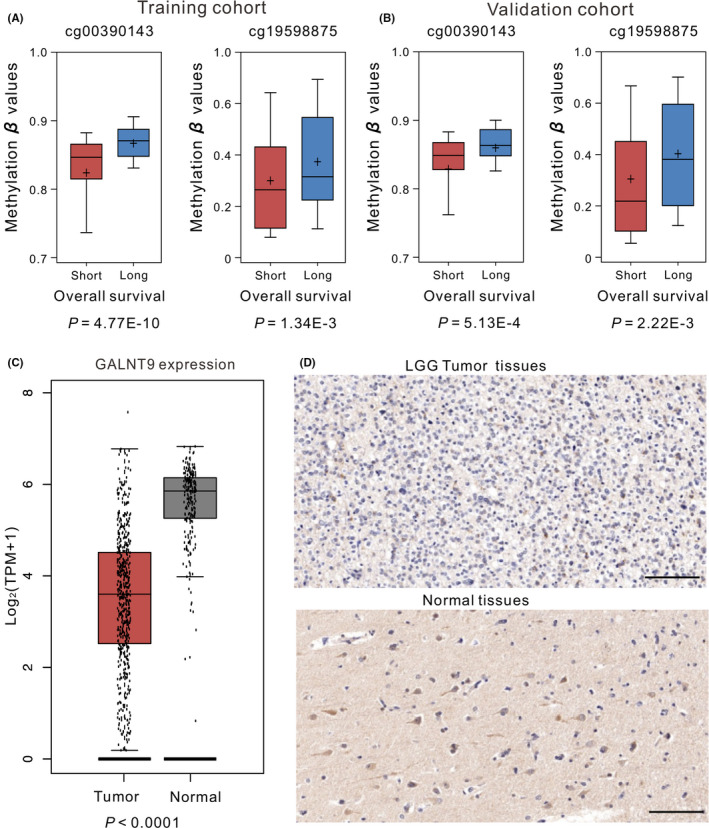
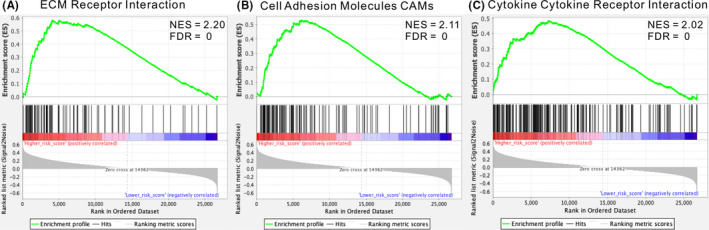
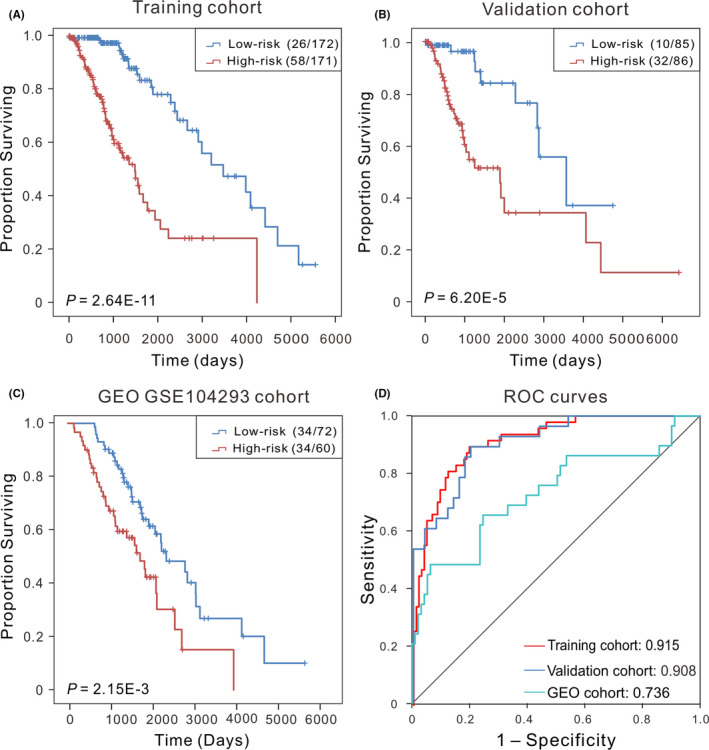
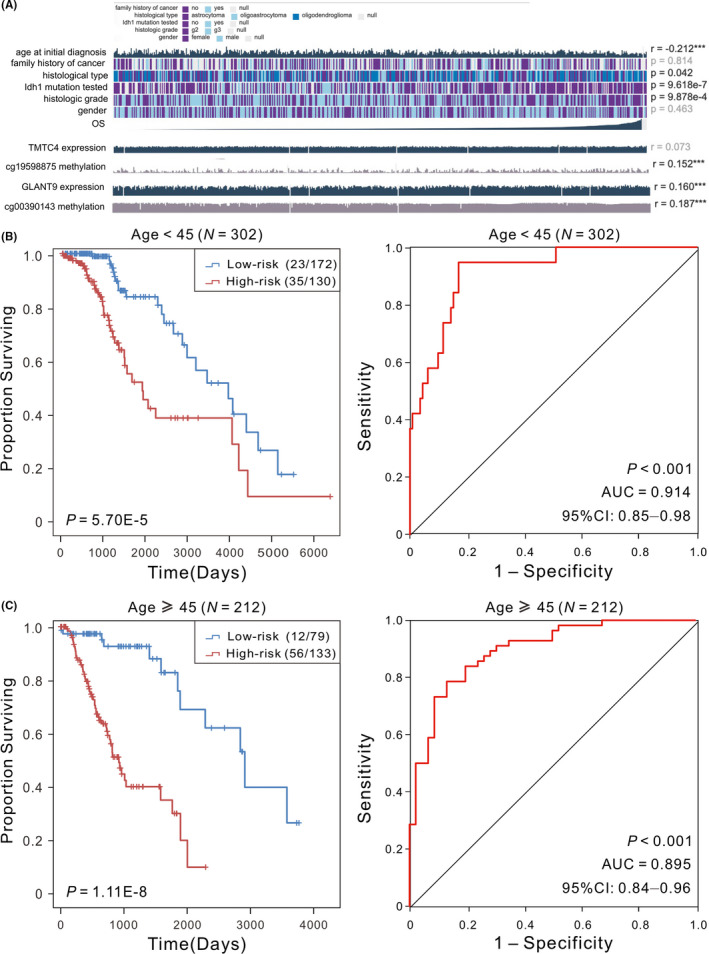
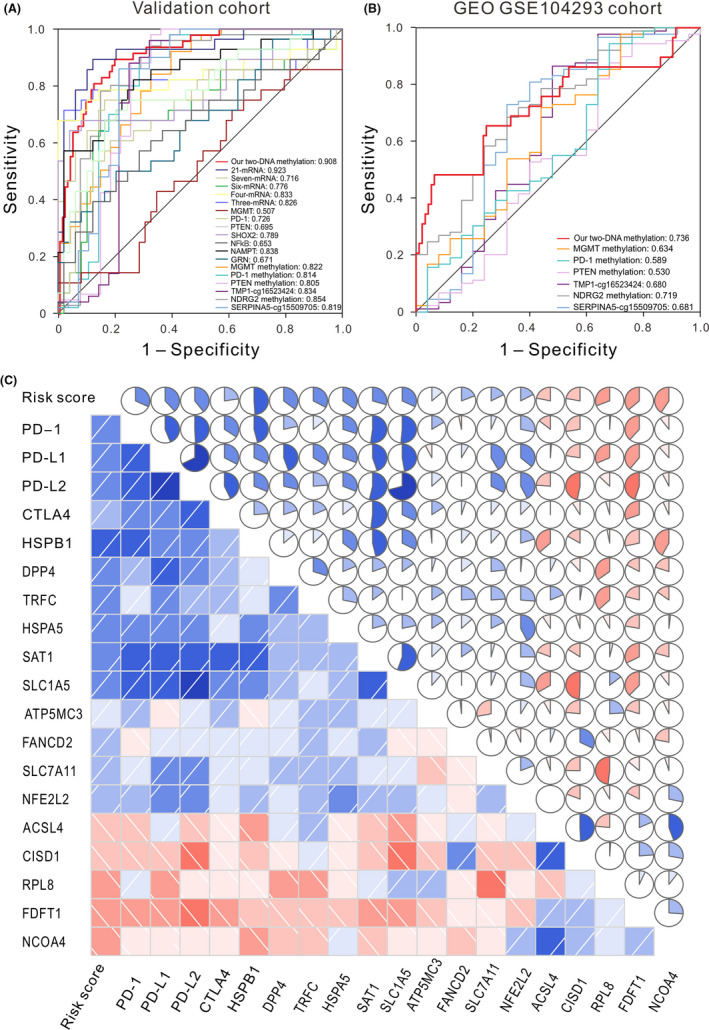
Glioma is the most malignant and aggressive type of brain tumour with high heterogeneity and mortality. Although some clinicopathological factors have been identified as prognostic biomarkers, the individual variants and risk stratification in patients with lower grade glioma (LGG) have not been fully elucidated. The primary aim of this study was to identify an efficient DNA methylation combination biomarker for risk stratification and prognosis in LGG. We conducted a retrospective cohort study by analysing whole genome DNA methylation data of 646 patients with LGG from the TCGA and GEO database. Cox proportional hazard analysis was carried out to screen and construct biomarker model that predicted overall survival (OS). The Kaplan-Meier survival curves and time-dependent ROC were constructed to prove the efficiency of the signature. Then, another independent cohort was used to further validate the finding. A two-CpG site DNA methylation signature was identified by multivariate Cox proportional hazard analysis. Further analysis indicated that the signature was an independent survival predictor from other clinical factors and exhibited higher predictive accuracy compared with known biomarkers. This signature was significantly correlated with immune-checkpoint blockade, immunotherapy-related signatures and ferroptosis regulator genes. The expression pattern and functional analysis showed that these two genes corresponding with two methylation sites contained in the model were correlated with immune infiltration level, and involved in MAPK and Rap1 signalling pathway. The signature may contribute to improve the risk stratification of patients and provide a more accurate assessment for precision medicine in the clinic.
神经胶质瘤是最恶性和侵袭性的脑肿瘤,具有高度异质性和高死亡率。虽然已经确定了一些临床病理因素作为预后生物标志物,但低级别神经胶质瘤(LGG)患者的个体变异和风险分层尚未完全阐明。本研究的主要目的是确定一种有效的 DNA 甲基化组合生物标志物,用于 LGG 的风险分层和预后。我们通过分析来自 TCGA 和 GEO 数据库的 646 例 LGG 患者的全基因组 DNA 甲基化数据,进行了一项回顾性队列研究。采用 Cox 比例风险分析筛选和构建预测总生存期(OS)的生物标志物模型。绘制 Kaplan-Meier 生存曲线和时间依赖性 ROC 曲线以验证该特征的有效性。然后,另一个独立的队列用于进一步验证发现。通过多变量 Cox 比例风险分析确定了一个由两个 CpG 位点组成的 DNA 甲基化特征。进一步的分析表明,该特征是独立于其他临床因素的生存预测因子,并且与已知的生物标志物相比具有更高的预测准确性。该特征与免疫检查点阻断、免疫治疗相关特征和铁死亡调节剂基因显著相关。表达模式和功能分析表明,模型中包含的两个甲基化位点对应的两个基因与免疫浸润水平相关,并且涉及 MAPK 和 Rap1 信号通路。该特征可能有助于改善患者的风险分层,并为临床精准医学提供更准确的评估。