
左金方乙醇提取物的毒性和毒代动力学。
Toxicity and toxicokinetics of the ethanol extract of Zuojin formula.
机构信息
Department of Toxicology, School of Public Health, Peking University, No. 38 Xueyuan Road, Haidian District, Beijing, 100191, People's Republic of China.
TCM R&D Center, Beijing Increase Pharm Co. Ltd., Beijing, 102200, China.
出版信息
BMC Complement Med Ther. 2022 Aug 15;22(1):220. doi: 10.1186/s12906-022-03684-0.
BACKGROUND
Zuojin formula, a traditional Chinese medicine, comprises Coptis chinensis and Evodia rutaecarpa. In our previous study, the total alkaloid extract from Zuojin formula (TAZF) showed potent and improved efficacy. However, its safety and toxicokinetics remain unknown. The objective of this study was to evaluate the safety of repeated administrations of TAZF and investigate the internal exposure of the main components and its relationship with toxic symptoms.
METHODS
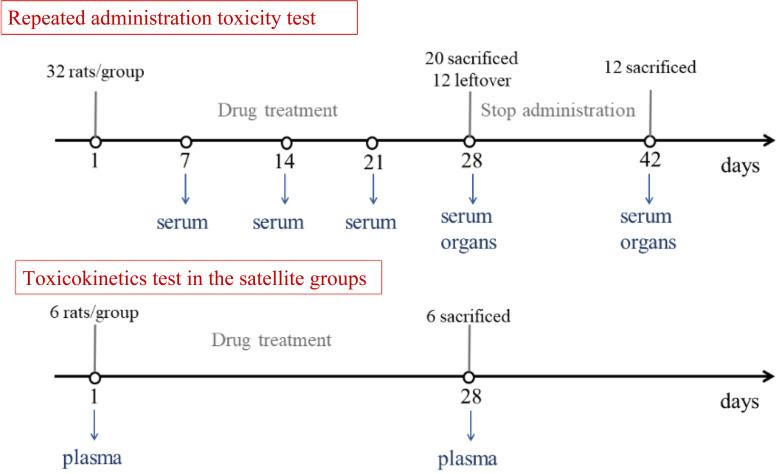
Sprague-Dawley rats were orally administered TAZF at 0.4, 1.2 and 3.7 g/kg for 28 days, which was followed by a 14-day recovery period. The toxic effects were evaluated weekly by assessing body weight changes, food intake, blood biochemistry and haematological indices, organ weights and histological changes. A total of eight components were detected, including berberine, coptisine, epiberberine, palmatine, jatrorrhizine, columbamine, evodiamine, and rutaecarpine. The toxicokinetic profiles of the eight components were investigated after single and repeated administrations. Linear mixed effect models were applied to analyse the associations between internal exposure and toxic symptoms. Network pharmacology analysis was applied to explore the potential toxic mechanisms.
RESULTS
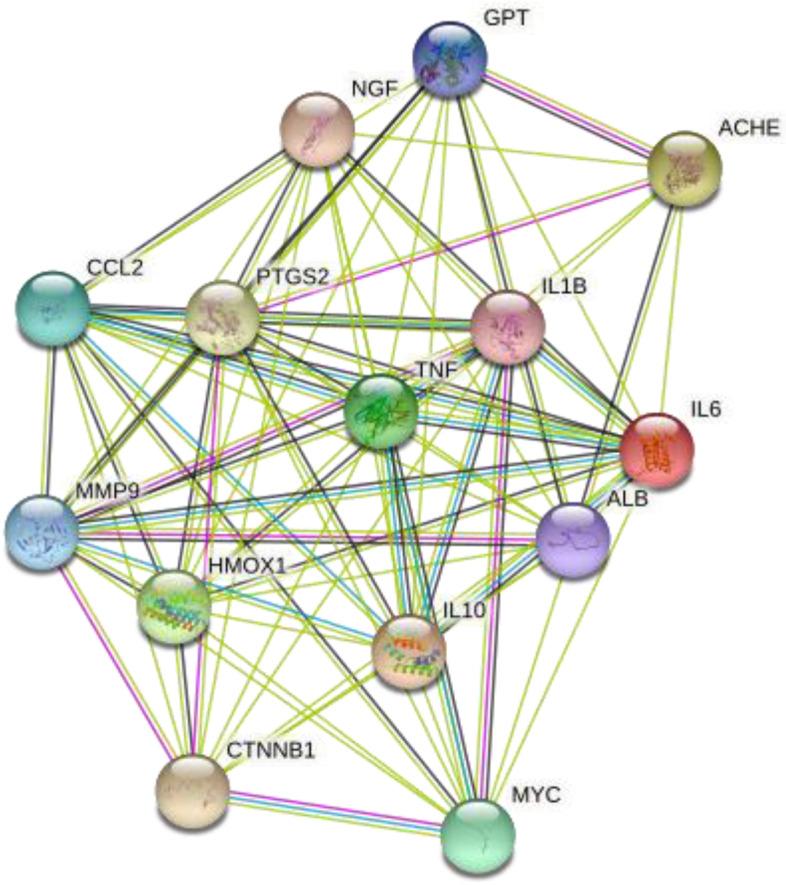
Compared with the vehicle group, the rats in the low- and medium-dose groups did not show noticeable abnormal changes, while rats in the high-dose group exhibited inhibition of weight gain, a slight reduction in food consumption, abdominal bloating and atrophy of the splenic white pulp during drug administration. The concentration of berberine in plasma was the highest among all compounds. Epiberberine was found to be associated with the inhibition of weight gain. Network pharmacology analysis suggested that the alkaloids might cause abdominal bloating by affecting the proliferation of smooth muscle cells. The benchmark dose lower confidence limits (based on body weight inhibition) of TAZF were 1.27 g/kg (male) and 1.91 g/kg (female).
CONCLUSIONS
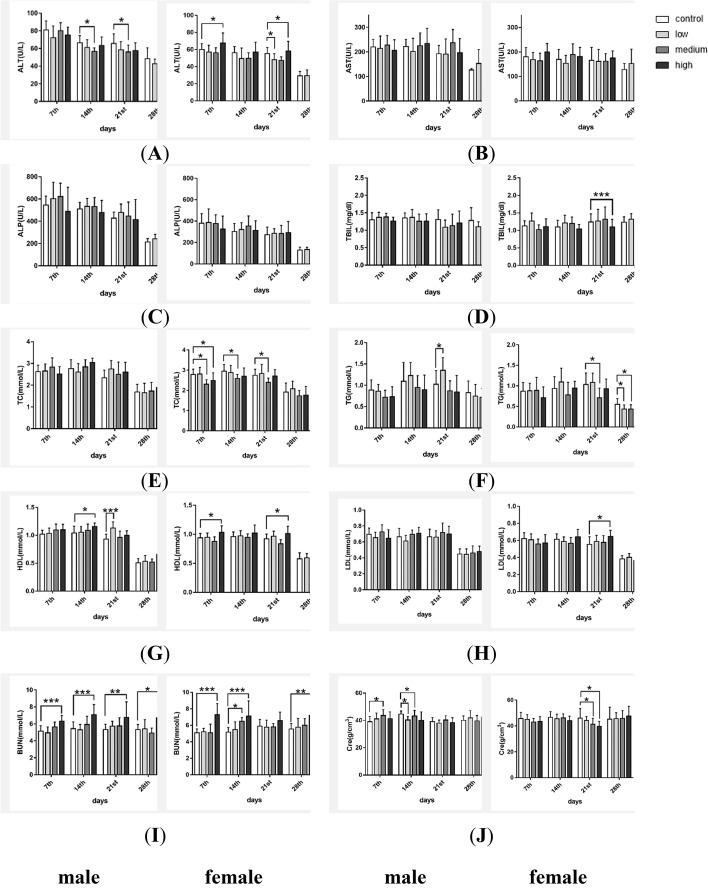
TAZF has no notable liver or kidney toxicity but carries risks of gastrointestinal and immune toxicity at high doses. Alkaloids from Coptis chinensis are the main plasma components related to the toxic effects of TAZF.
背景
左金方是一种中药,由黄连和吴茱萸组成。在我们之前的研究中,左金方的总生物碱提取物(TAZF)表现出强大且改善了的疗效。然而,其安全性和毒代动力学仍不清楚。本研究旨在评估重复给予 TAZF 的安全性,并研究主要成分的体内暴露及其与毒性症状的关系。
方法
Sprague-Dawley 大鼠给予 TAZF 剂量分别为 0.4、1.2 和 3.7 g/kg,连续 28 天,然后进行 14 天恢复期。每周通过评估体重变化、食物摄入量、血液生化和血液学指标、器官重量和组织学变化来评估毒性作用。共检测到 8 种成分,包括小檗碱、黄连碱、表小檗碱、巴马汀、药根碱、汉防己甲素、吴茱萸碱和吴茱萸卡品碱。在单次和重复给药后研究了这 8 种成分的毒代动力学特征。应用线性混合效应模型分析体内暴露与毒性症状之间的关系。应用网络药理学分析探讨潜在的毒性机制。
结果
与对照组相比,低、中剂量组大鼠未见明显异常变化,高剂量组大鼠在给药期间表现出体重增长抑制、食物摄入量略有减少、腹胀和脾脏白髓萎缩。所有化合物中,血浆中小檗碱浓度最高。表小檗碱与体重抑制有关。网络药理学分析表明,生物碱可能通过影响平滑肌细胞增殖引起腹胀。TAZF 的体重抑制基准剂量下限(基于体重抑制)为 1.27 g/kg(雄性)和 1.91 g/kg(雌性)。
结论
TAZF 无明显肝、肾毒性,但高剂量时有胃肠道和免疫毒性风险。黄连中的生物碱是与 TAZF 毒性作用相关的主要血浆成分。





 Zotero 插件