
通过表征代谢和免疫微环境揭示结直肠癌发展中的潜在预后标志物。
By characterizing metabolic and immune microenvironment reveal potential prognostic markers in the development of colorectal cancer.
作者信息
Liao Liangliang, Gao Yongjian, Su Jie, Feng Ye
机构信息
China-Japan Union Hospital of Jilin University, Changchun, China.
The First Hospital of Jilin University, Changchun, China.
出版信息
Front Bioeng Biotechnol. 2022 Aug 5;10:822835. doi: 10.3389/fbioe.2022.822835. eCollection 2022.
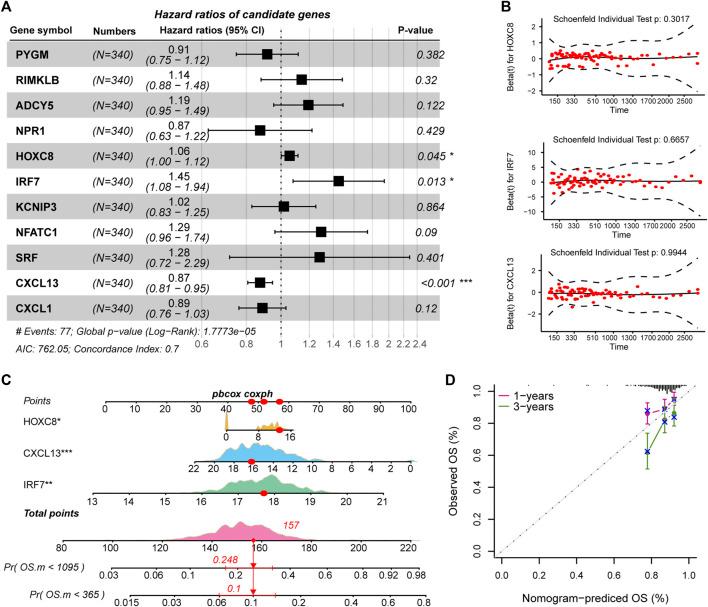
Colon adenocarcinoma (COAD) is one of the deadliest cancers in the world and survival rates vary significantly between early and advanced stage patients. Therefore, the identification of the pathogenesis in the development of COAD and prognostic markers is urgently demanded. Herein, we collected RNA-seq and somatic mutation data of COAD for statistical analysis. Clinical stage-specific differentially expressed genes (DEGs) and tumor development-dependent DEGs were identified. By characterizing the metabolic and immune features of COAD between stages, we found that the energy supply and inflammatory response of advanced tumors were suppressed. Next, the and were identified to drive the metabolic and immune-related pathways in the development of COAD. The three potential prognostic markers ( and ) were identified based on Cox regression analysis. Additionally, immune infiltration analysis revealed that the resting CD4 T cell was significantly related to the overall survival (OS) of COAD patients. Collectively, the specific metabolic and immune characteristics of advanced patients and the identified prognostic biomarkers will contribute to the development of precision medicine.
结肠腺癌(COAD)是世界上最致命的癌症之一,早期和晚期患者的生存率差异显著。因此,迫切需要确定COAD发生发展的发病机制和预后标志物。在此,我们收集了COAD的RNA测序和体细胞突变数据进行统计分析。鉴定了临床阶段特异性差异表达基因(DEGs)和肿瘤发展依赖性DEGs。通过表征不同阶段COAD的代谢和免疫特征,我们发现晚期肿瘤的能量供应和炎症反应受到抑制。接下来,鉴定出[具体基因1]和[具体基因2]在COAD发生发展过程中驱动代谢和免疫相关途径。基于Cox回归分析确定了三个潜在的预后标志物([具体标志物1]、[具体标志物2]和[具体标志物3])。此外,免疫浸润分析显示静息CD4 T细胞与COAD患者的总生存期(OS)显著相关。总体而言,晚期患者的特定代谢和免疫特征以及鉴定出的预后生物标志物将有助于精准医学的发展。




 Zotero 插件