Graduate Program in Immunology, Department of Immunology, Faculty of Medicine Siriraj Hospital, Mahidol University, Bangkok, Thailand.
Siriraj Center of Excellence for Stem Cell Research, Faculty of Medicine Siriraj Hospital, Mahidol University, 2 Wanglang Road, Siriraj, Bangkoknoi, Bangkok, 10700, Thailand.
Stem Cell Res Ther. 2022 Sep 8;13(1):467. doi: 10.1186/s13287-022-03166-7.
Yes-associated protein (YAP) and WW domain-containing transcription regulator protein 1 (WWTR1, also known as TAZ) are two key transcription co-activators of the Hippo pathway. Both were originally characterized as organ size and cell proliferation regulators. Later studies demonstrated that the Hippo pathway may play a role in Drosophila and mammal hematopoiesis. However, the role of the Hippo pathway in human erythropoiesis has not yet been fully elucidated.
The role of YAP and TAZ was studied in human erythropoiesis and hematopoietic stem cell (HSC) lineage determination by using mobilized peripheral blood (PB) and cord blood (CB)-derived HSC as a model. HSCs were isolated and cultured in an erythroid differentiation medium for erythroid differentiation and culture in methylcellulose assay for HSC lineage determination study.
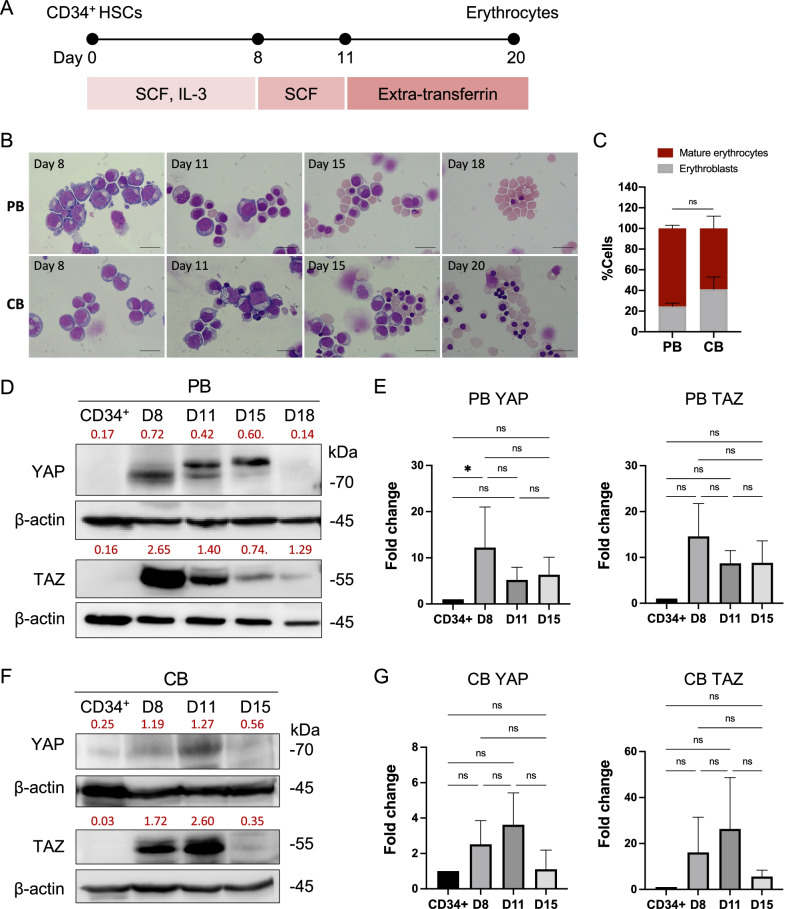
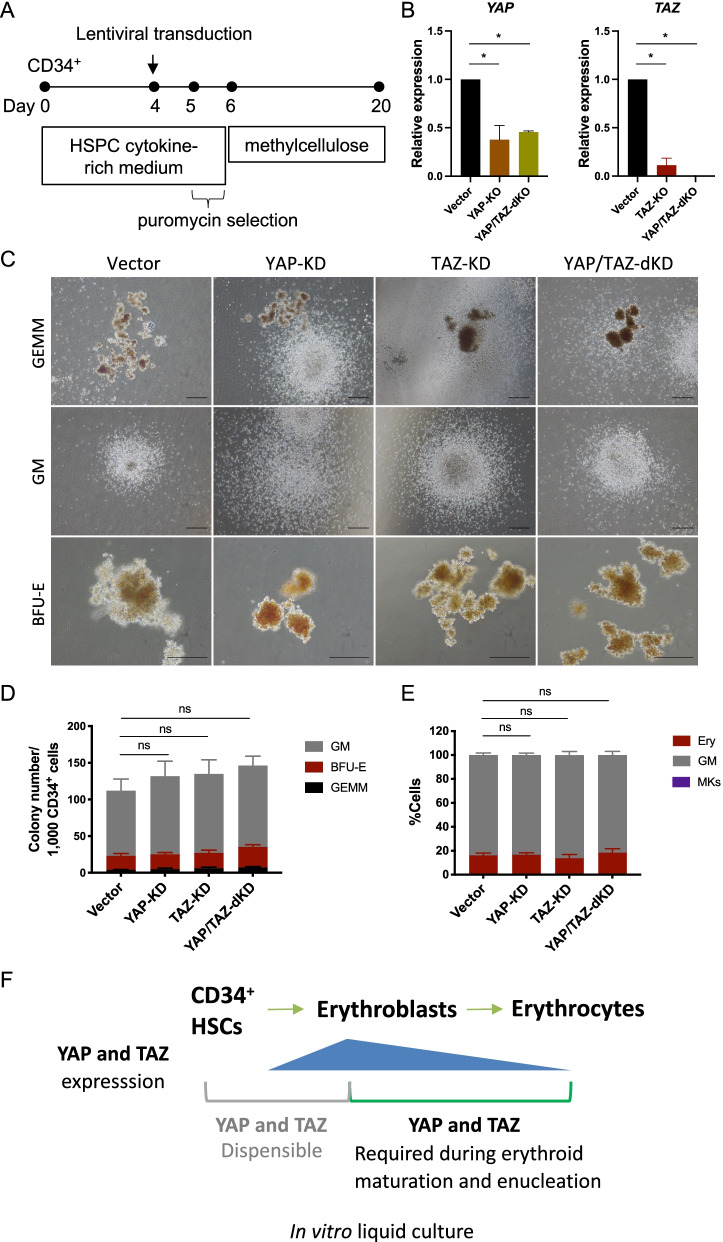
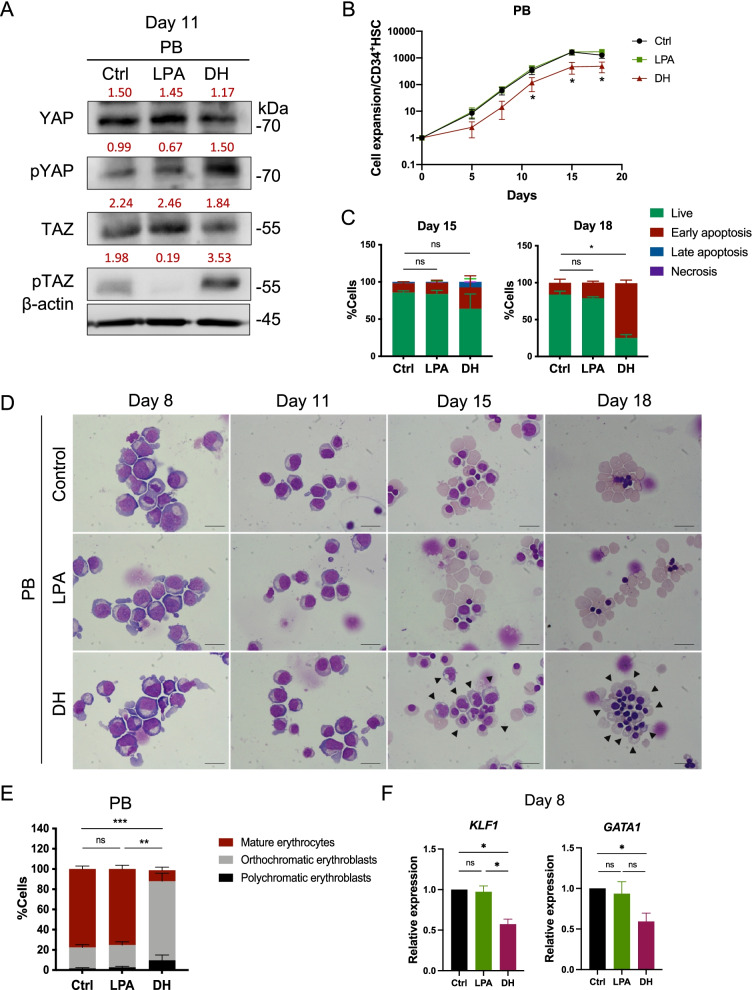
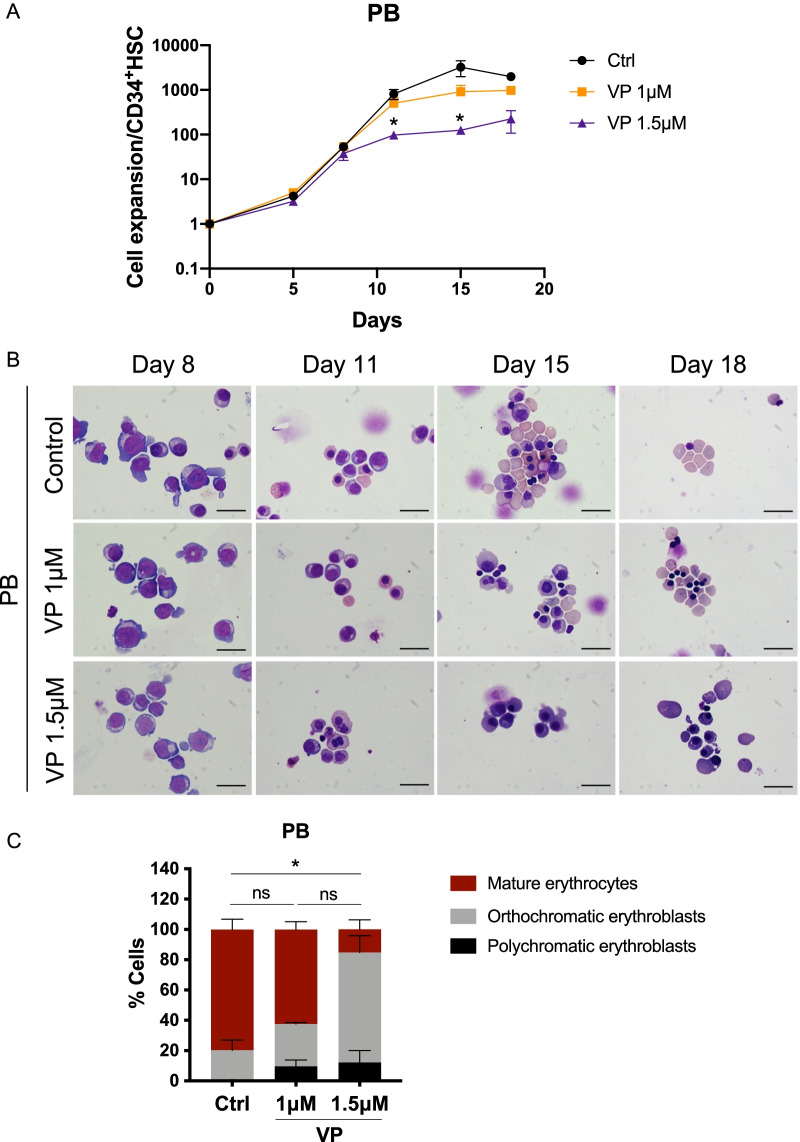
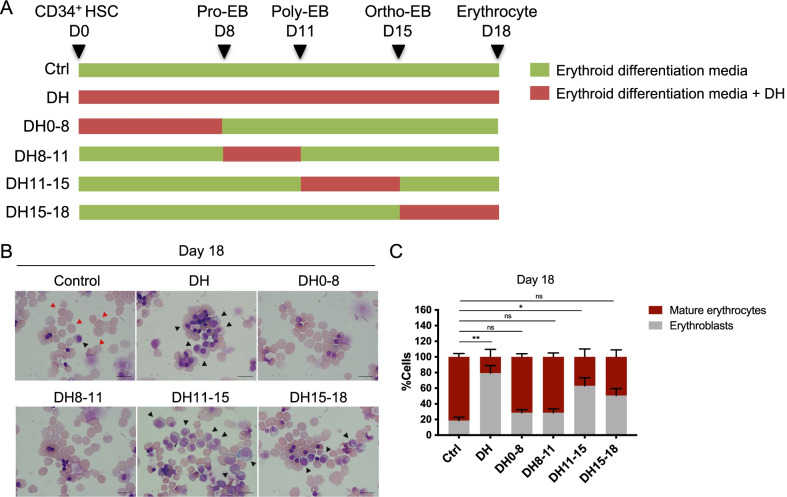
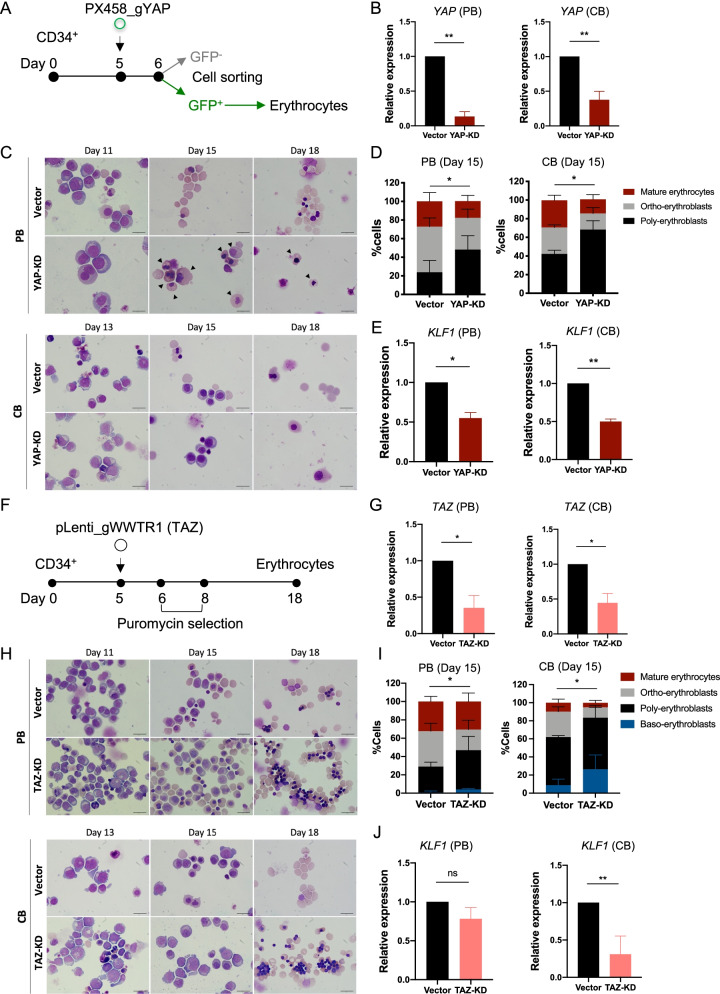
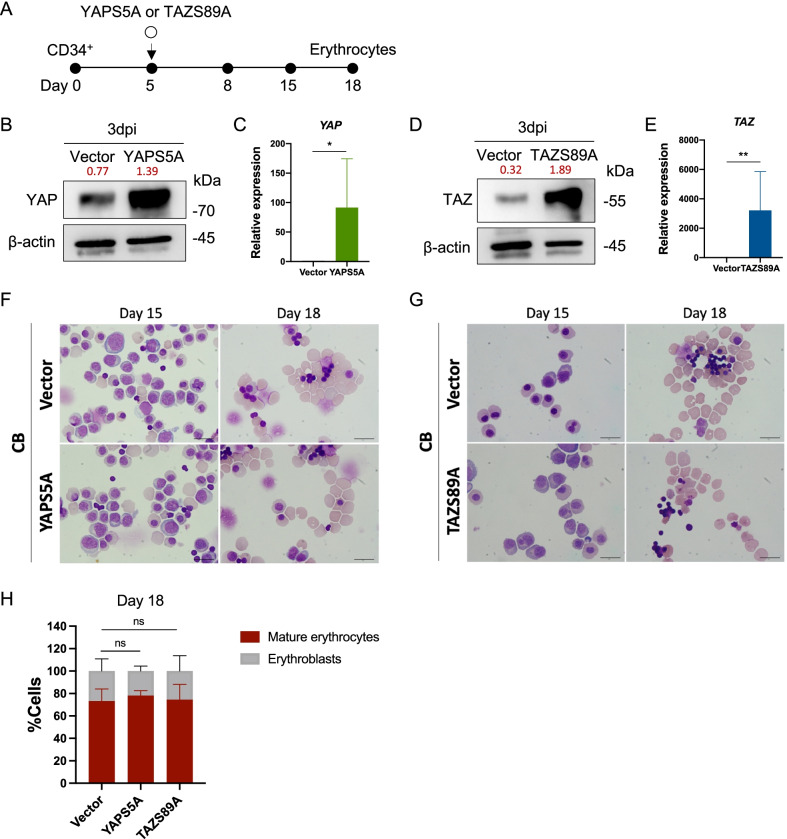
YAP and TAZ were barely detectable in human HSCs, but became highly expressed in pro-erythroblasts and erythroblasts. Depletion or knockdown of YAP and/or TAZ did not affect the ability of HSC lineage specification to erythroid lineage in either methylcellulose assay or liquid culture. However, depletion of YAP and TAZ did impair erythroblast terminal differentiation to erythrocytes and their enucleation. Moreover, ectopic expression of YAP and TAZ in pro-erythroblasts did not exert an apparent effect on erythroid differentiation, expansion, or morphology.
This study demonstrated that YAP/TAZ plays important role in erythroid maturation and enucleation but is dispensable for lineage determination of human HSCs.
Yes 相关蛋白(YAP)和 WW 结构域包含转录调节蛋白 1(WWTR1,也称为 TAZ)是 Hippo 通路的两个关键转录共激活因子。两者最初被描述为器官大小和细胞增殖调节剂。后来的研究表明,Hippo 通路可能在果蝇和哺乳动物造血中发挥作用。然而,Hippo 通路在人类红细胞生成中的作用尚未完全阐明。
使用动员外周血(PB)和脐带血(CB)衍生的 HSC 作为模型,研究 YAP 和 TAZ 在人类红细胞生成和造血干细胞(HSC)谱系决定中的作用。分离和培养 HSC,并在红细胞分化培养基中进行红细胞分化,在甲基纤维素测定中进行 HSC 谱系决定研究。
YAP 和 TAZ 在人类 HSC 中几乎检测不到,但在原红细胞和红细胞中高度表达。YAP 和/或 TAZ 的耗竭或敲低不影响 HSC 谱系向红细胞谱系的特异性,无论是在甲基纤维素测定还是在液体培养中。然而,YAP 和 TAZ 的耗竭确实会损害红细胞终末分化为红细胞及其去核。此外,YAP 和 TAZ 在原红细胞中的异位表达对红细胞分化、扩增或形态没有明显影响。
本研究表明,YAP/TAZ 在红细胞成熟和去核中起重要作用,但对人类 HSC 的谱系决定是可有可无的。