Peptan Cătălin, Băleanu Vlad Dumitru, Mărcău Flavius Cristian
Faculty of Educational Sciences, Law and Public Administration, "Constantin Brâncuși" University of Târgu Jiu, 210185 Târgu Jiu, Romania.
Faculty of Medical and Behavioural Sciences, "Constantin Brâncuși" University of Târgu Jiu, 210185 Târgu Jiu, Romania.
Vaccines (Basel). 2022 Oct 29;10(11):1834. doi: 10.3390/vaccines10111834.
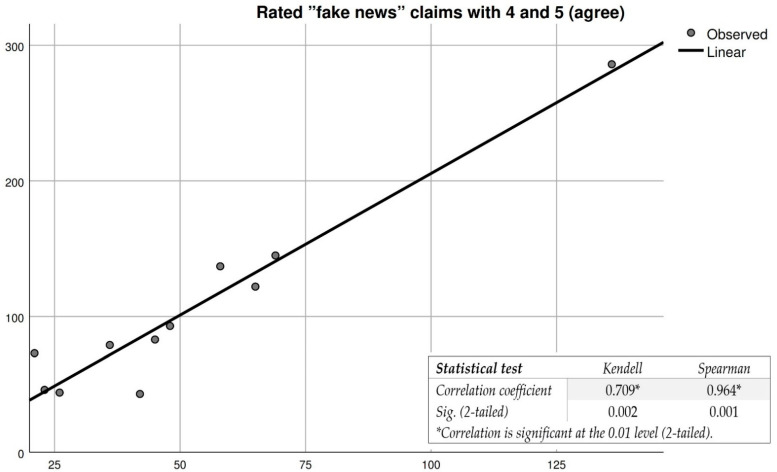
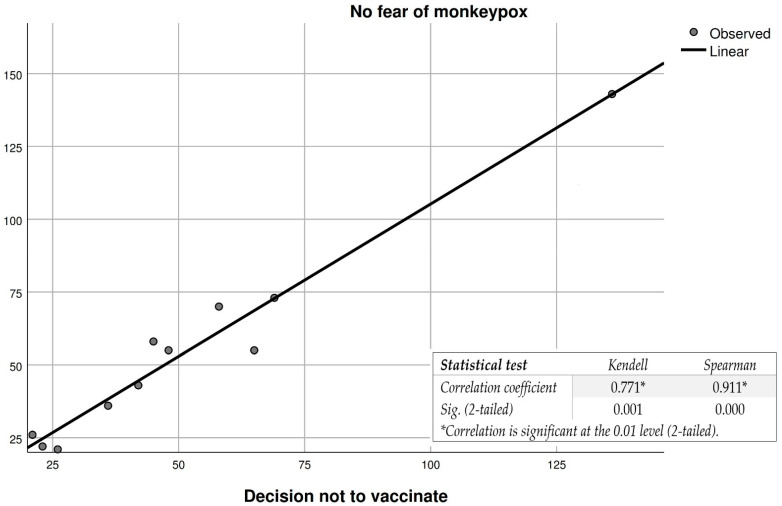
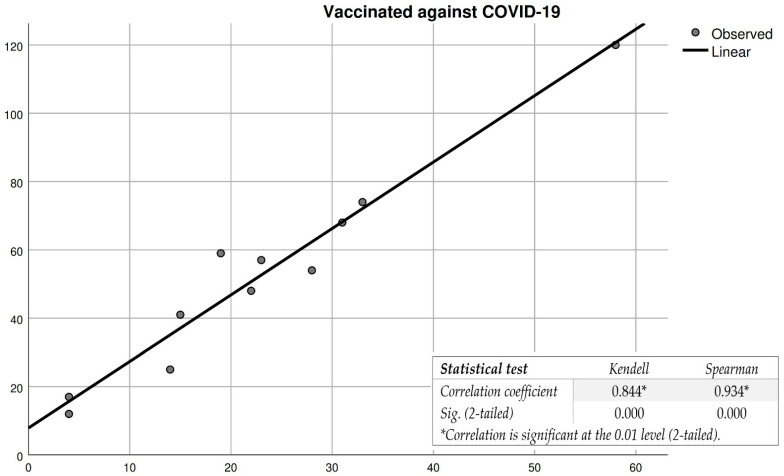
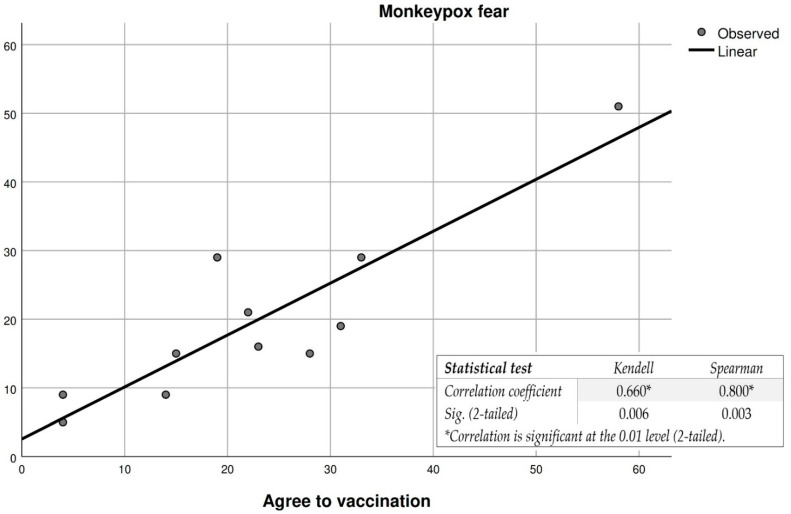
Although it has been shown in numerous studies that immunization of the population by vaccination is the most effective way to protect against smallpox or other polioviruses, the anti-vaccination public rhetoric recorded during the COVID-19 pandemic is likely to influence the populations acceptance of vaccination against newly emerging viruses. This fact influenced our decision to study the vaccination of the Romanian population against the virus that causes monkeypox, aiming to identify the degree of compliance regarding the decision related to vaccination acceptance/non-acceptance/hesitation, based on the survey of a representative sample of respondents. The study is based on an online questionnaire completed between 1 July and 31 July 2022 by 820 individuals, aged 18 years or above, with a permanent residency in Romania. The study was undertaken in order to observe the attitudes of the respondents regarding the acceptance, refusal, or hesitation of vaccination against monkeypox. The sociological data resulting from the application of the questionnaire on 820 people highlighted that 97.16% were vaccinated with the vaccines of the national mandatory scheme and 53.32% were vaccinated with the optional vaccines (rotavirus vaccine, anti-hepatitis A, meningococcal vaccine, etc.). Although 47.13% of respondents considered monkeypox to be a real problem facing humanity today, only 26.37% of those surveyed expressed their fear of becoming infected, and 29.30% were willing to immunize themselves against the virus by vaccination. Only 19.59% of respondents believed that the monkeypox disease will generate a new global pandemic, while 31.86% considered pandemics to be a human security issue, and 30.28% expressed their desire to accept a reduction in some rights and freedoms, in the short term, for the adoption of institutional measures to combat a possible pandemic caused by monkeypox. The study clearly highlights the fact that monkeypox is perceived as a threat to the health of the population, with relatively low acceptance of conspiracy theories regarding its origins/manifestation/consequences among respondents (between 21.7% and 28.9%). The vaccination of the population against monkeypox is strongly influenced by the validity of the results obtained over time, in the vaccination campaigns against the smallpox virus (vaccine found in the mandatory vaccination scheme in Romania until 1979). We believe that the negative public rhetoric regarding the COVID-19 vaccination is likely to negatively influence monkeypox vaccination. Although specialized studies and practical results showed that the immunization of the population through vaccination represents an important vector in the prevention/management of pandemic-type issues, we believe that a national pro-vaccination campaign, based on scientific evidence, can lead the population to accept vaccination when the epidemiological context requires it. We also believe that a culture of health security needs to be developed among citizens to raise awareness of the role of vaccines as an important vector in the field of population health.
尽管众多研究表明,通过疫苗接种使人群免疫是预防天花或其他脊髓灰质炎病毒的最有效方法,但在新冠疫情期间出现的反疫苗公开言论,可能会影响民众对针对新出现病毒的疫苗接种的接受度。这一事实促使我们决定研究罗马尼亚人群针对引起猴痘的病毒的疫苗接种情况,旨在通过对具有代表性的受访者样本进行调查,确定与疫苗接种接受/不接受/犹豫相关决定的依从程度。该研究基于一份在线问卷,问卷由820名年龄在18岁及以上、在罗马尼亚拥有永久居留权的个人于2022年7月1日至7月31日期间填写。开展这项研究是为了观察受访者对猴痘疫苗接种的接受、拒绝或犹豫态度。对820人进行问卷调查所得到的社会学数据突出显示,97.16%的人接种了国家强制计划的疫苗,53.32%的人接种了非强制疫苗(轮状病毒疫苗、甲型肝炎疫苗、脑膜炎球菌疫苗等)。尽管47.13%的受访者认为猴痘是当今人类面临的一个现实问题,但只有26.37%的受访者表示担心会被感染,29.30%的人愿意通过接种疫苗来预防该病毒。只有19.59%的受访者认为猴痘疾病会引发新的全球大流行,而31.86%的人认为大流行是人类安全问题,30.28%的人表示希望在短期内接受某些权利和自由的减少,以便采取机构措施来应对可能由猴痘引发的大流行。该研究清楚地凸显了这样一个事实,即猴痘被视为对民众健康的一种威胁,受访者中对其起源/表现/后果的阴谋论接受程度相对较低(在21.7%至28.9%之间)。针对猴痘的人群疫苗接种受到在针对天花病毒的疫苗接种运动中随着时间推移所取得结果的有效性的强烈影响(罗马尼亚直到1979年在强制接种计划中使用的疫苗)。我们认为,关于新冠疫苗接种的负面公开言论可能会对猴痘疫苗接种产生负面影响。尽管专业研究和实际结果表明,通过疫苗接种使人群免疫是预防/管理大流行类型问题的一个重要手段,但我们认为,基于科学证据开展全国性的支持疫苗接种运动,在流行病学背景需要时可以引导民众接受疫苗接种。我们还认为,需要在公民中培养健康安全文化,以提高对疫苗作为人群健康领域重要手段的作用的认识。