Department of Pathology, Microbiology, and Immunology, Vanderbilt University Medical Center, Nashville, Tennessee, United States of America.
Veterans Affairs Tennessee Valley Healthcare System, Nashville, Tennessee, United States of America.
PLoS Pathog. 2022 Nov 21;18(11):e1010997. doi: 10.1371/journal.ppat.1010997. eCollection 2022 Nov.
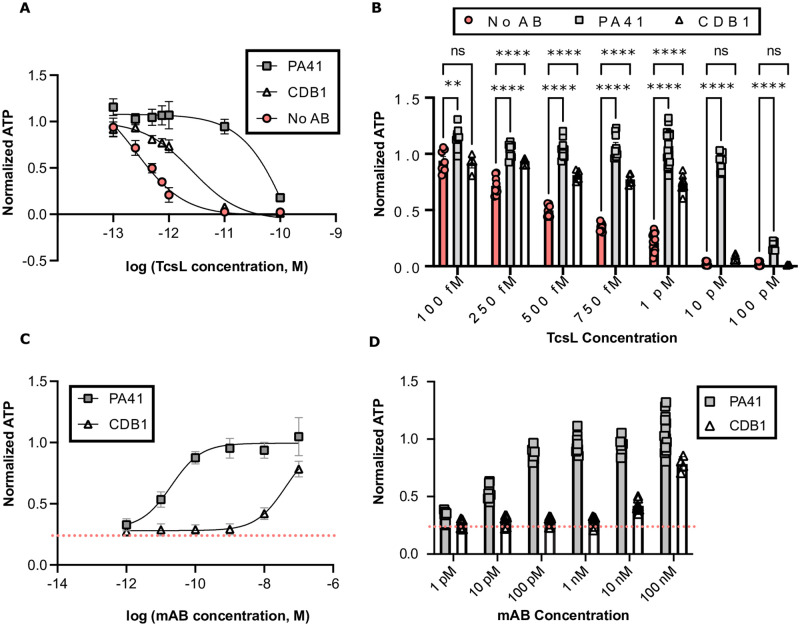
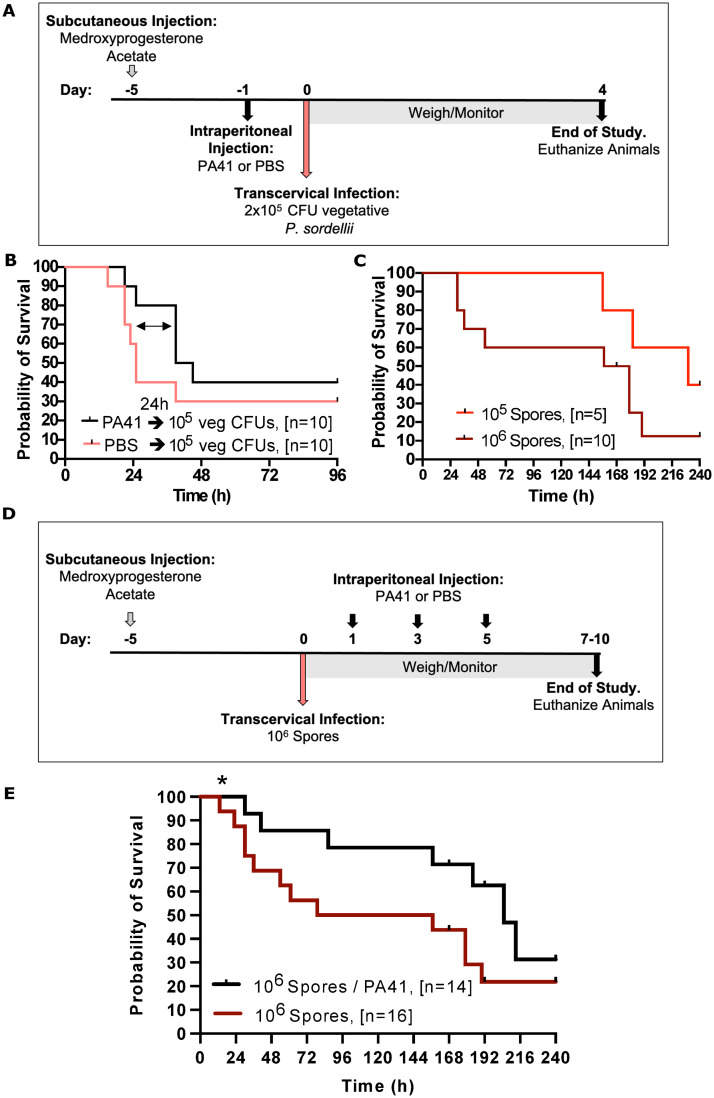
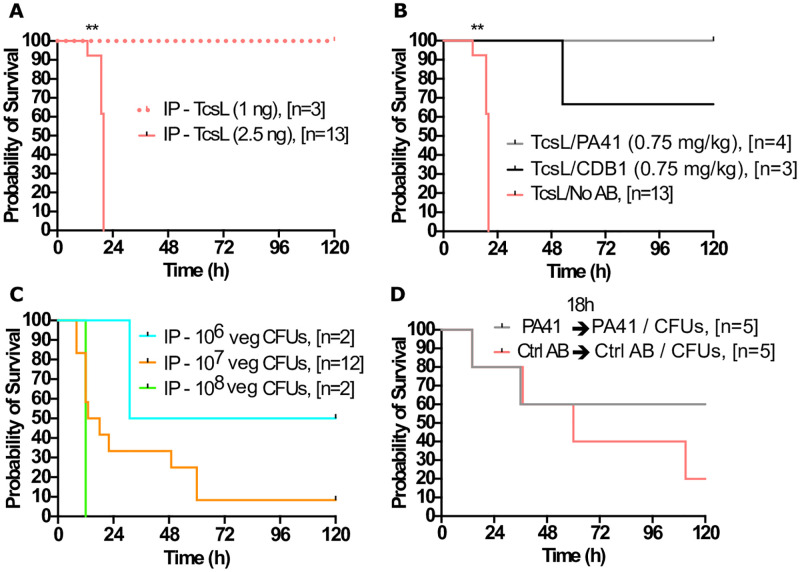
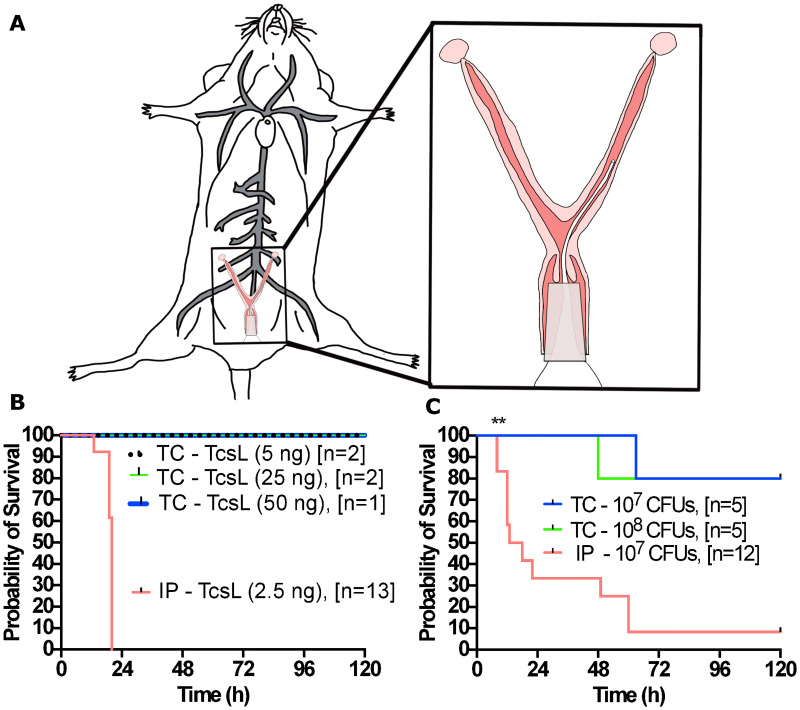
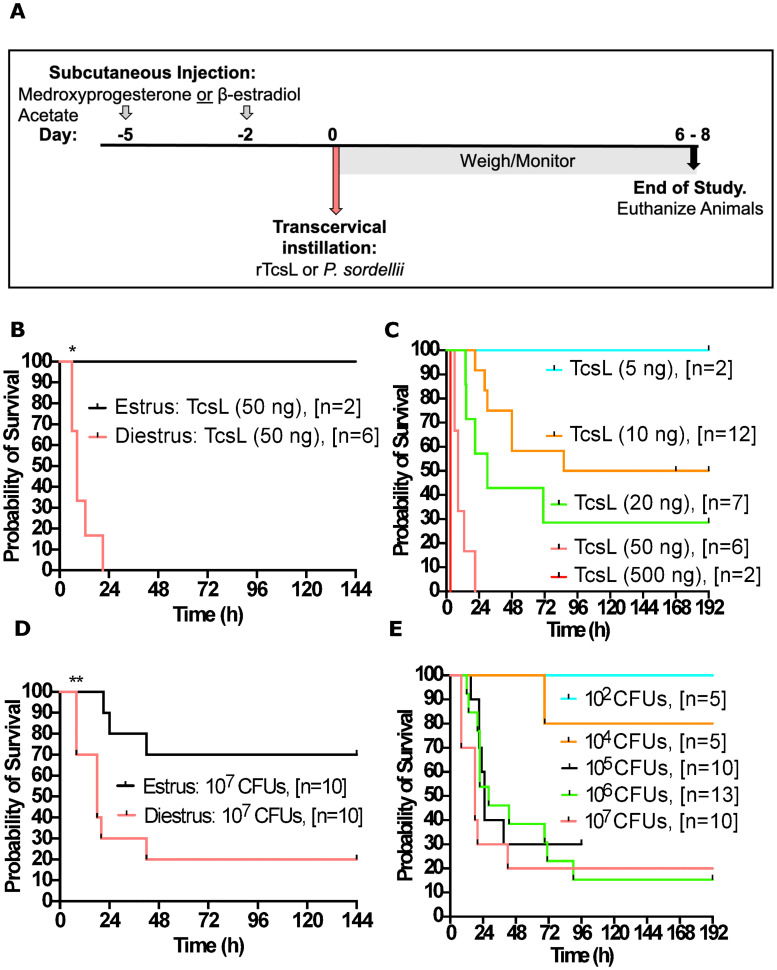
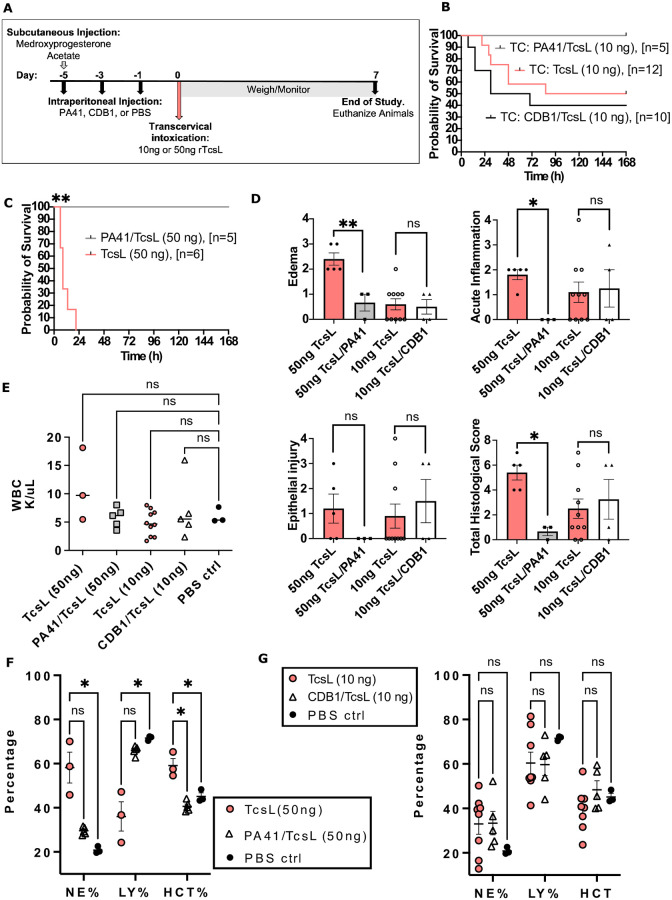
Human infections caused by the toxin-producing, anaerobic and spore-forming bacterium Paeniclostridium sordellii are associated with a treatment-refractory toxic shock syndrome (TSS). Reproductive-age women are at increased risk for P. sordellii infection (PSI) because this organism can cause intrauterine infection following childbirth, stillbirth, or abortion. PSI-induced TSS in this setting is nearly 100% fatal, and there are no effective treatments. TcsL, or lethal toxin, is the primary virulence factor in PSI and shares 70% sequence identity with Clostridioides difficile toxin B (TcdB). We therefore reasoned that a neutralizing monoclonal antibody (mAB) against TcdB might also provide protection against TcsL and PSI. We characterized two anti-TcdB mABs: PA41, which binds and prevents translocation of the TcdB glucosyltransferase domain into the cell, and CDB1, a biosimilar of bezlotoxumab, which prevents TcdB binding to a cell surface receptor. Both mABs could neutralize the cytotoxic activity of recombinant TcsL on Vero cells. To determine the efficacy of PA41 and CDB1 in vivo, we developed a transcervical inoculation method for modeling uterine PSI in mice. In the process, we discovered that the stage of the mouse reproductive cycle was a key variable in establishing symptoms of disease. By synchronizing the mice in diestrus with progesterone prior to transcervical inoculation with TcsL or vegetative P. sordellii, we observed highly reproducible intoxication and infection dynamics. PA41 showed efficacy in protecting against toxin in our transcervical in vivo model, but CDB1 did not. Furthermore, PA41 could provide protection following P. sordellii bacterial and spore infections, suggesting a path for further optimization and clinical translation in the effort to advance treatment options for PSI infection.
产毒厌氧梭状芽胞杆菌伴生的人类感染与治疗抵抗性中毒性休克综合征(TSS)有关。生育年龄的妇女感染产索氏梭菌(PSI)的风险增加,因为这种细菌可在分娩、死产或流产后引起宫内感染。这种情况下的 PSI 诱导的 TSS 几乎 100%致命,并且没有有效的治疗方法。TcsL 或致死毒素是 PSI 的主要毒力因子,与艰难梭菌毒素 B(TcdB)共享 70%的序列同一性。因此,我们推断针对 TcdB 的中和单克隆抗体(mAB)也可能提供针对 TcsL 和 PSI 的保护。我们对两种抗 TcdB mAB 进行了表征:PA41,它结合并阻止 TcdB 葡糖基转移酶结构域易位到细胞内,以及 CDB1,它是 bezlotoxumab 的生物类似物,可防止 TcdB 与细胞表面受体结合。这两种 mAB 均可中和重组 TcsL 在 Vero 细胞上的细胞毒性活性。为了确定 PA41 和 CDB1 在体内的功效,我们开发了一种经宫颈接种方法来模拟小鼠子宫 PSI。在此过程中,我们发现小鼠生殖周期的阶段是建立疾病症状的关键变量。通过在用 TcsL 或营养梭状芽胞杆菌进行经宫颈接种之前,用孕激素同步小鼠的发情间期,我们观察到高度可重复的中毒和感染动力学。PA41 在我们的经宫颈体内模型中对毒素具有功效,但 CDB1 没有。此外,PA41 可在梭状芽胞杆菌细菌和孢子感染后提供保护,这表明在努力推进 PSI 感染的治疗选择方面有进一步优化和临床转化的途径。