Department of Pharmacology, Toxicology and Therapeutics, University of Kansas Medical Center, Kansas City, Kansas.
Department of Surgery, Johns Hopkins School of Medicine, Baltimore, Maryland.
Cell Mol Gastroenterol Hepatol. 2023;15(5):1027-1049. doi: 10.1016/j.jcmgh.2023.01.016. Epub 2023 Feb 7.
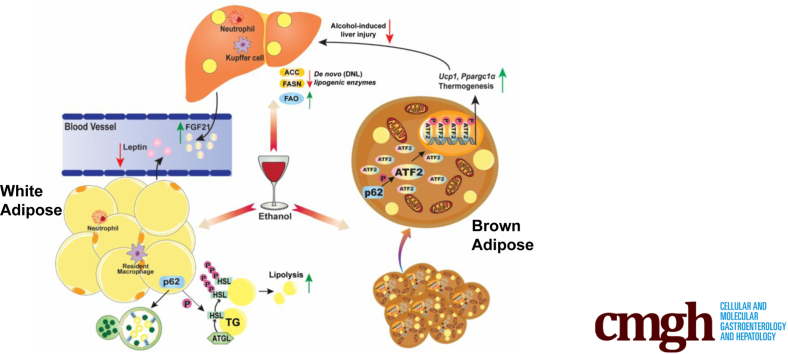
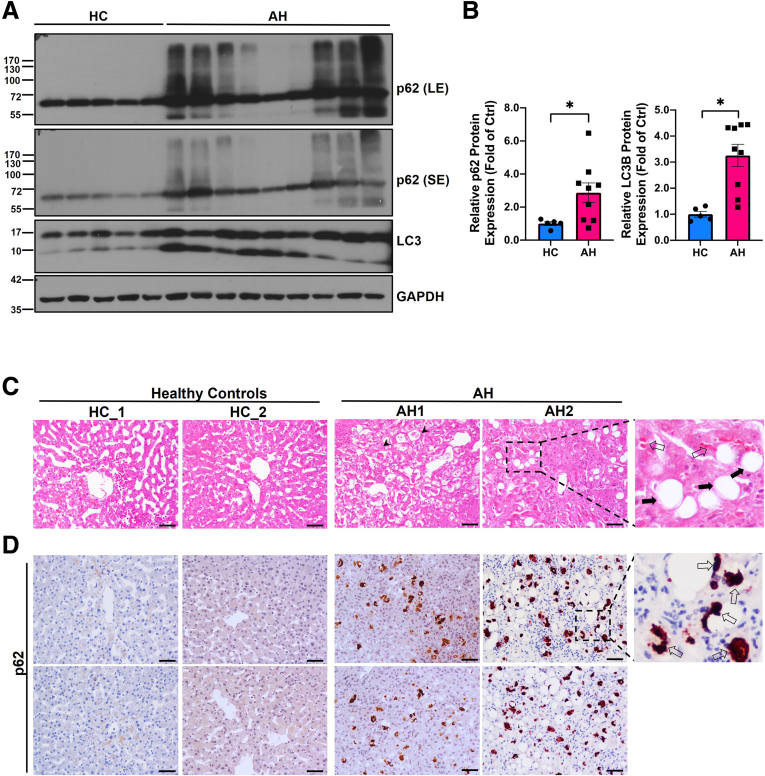
Alcohol-associated liver disease (ALD) is a worldwide health problem, of which the effective treatment is still lacking. Both detrimental and protective roles of adipose tissue have been implicated in ALD. Although alcohol increases adipose tissue lipolysis to promote alcohol-induced liver injury, alcohol also activates brown adipose tissue (BAT) thermogenesis as an adaptive response in protecting against alcohol-induced liver injury. Moreover, aging and obesity are also risk factors for ALD. In the present study, we investigated the effects of autophagy receptor protein SQSTM1/p62 on adipose tissue and obesity in alcohol-induced liver injury in both young and aged mice.
Young and aged whole-body SQSTM1/p62 knockout (KO) and their age-matched wild-type (WT) mice were subjected to chronic plus binge (Gao-binge) alcohol feeding. Blood, adipose and liver tissues were collected for biochemical and histologic analysis.
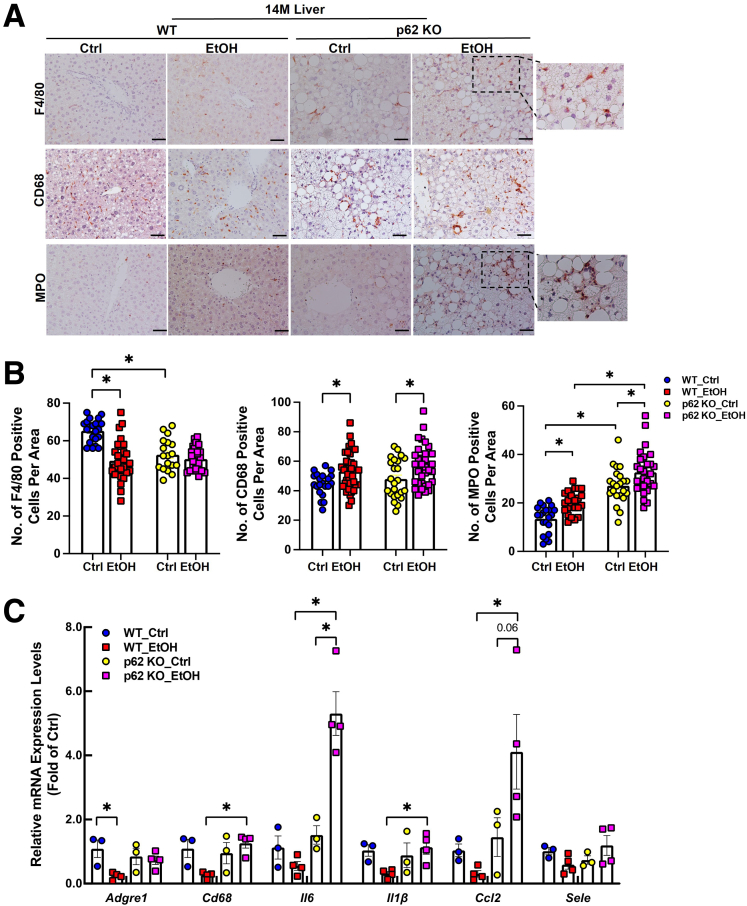
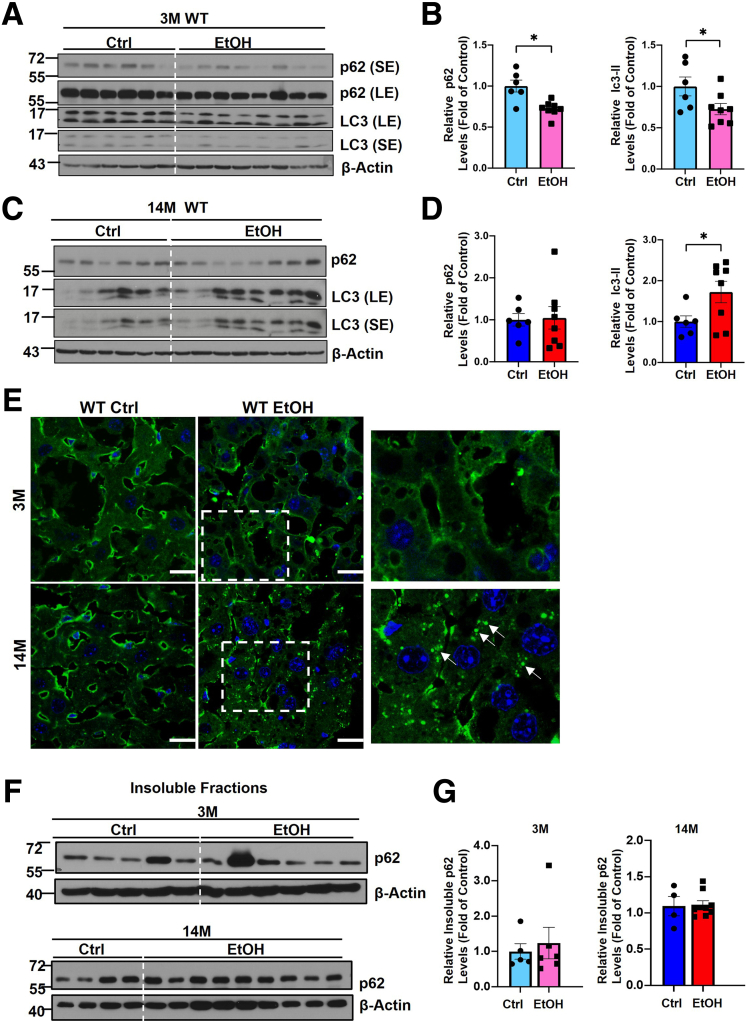
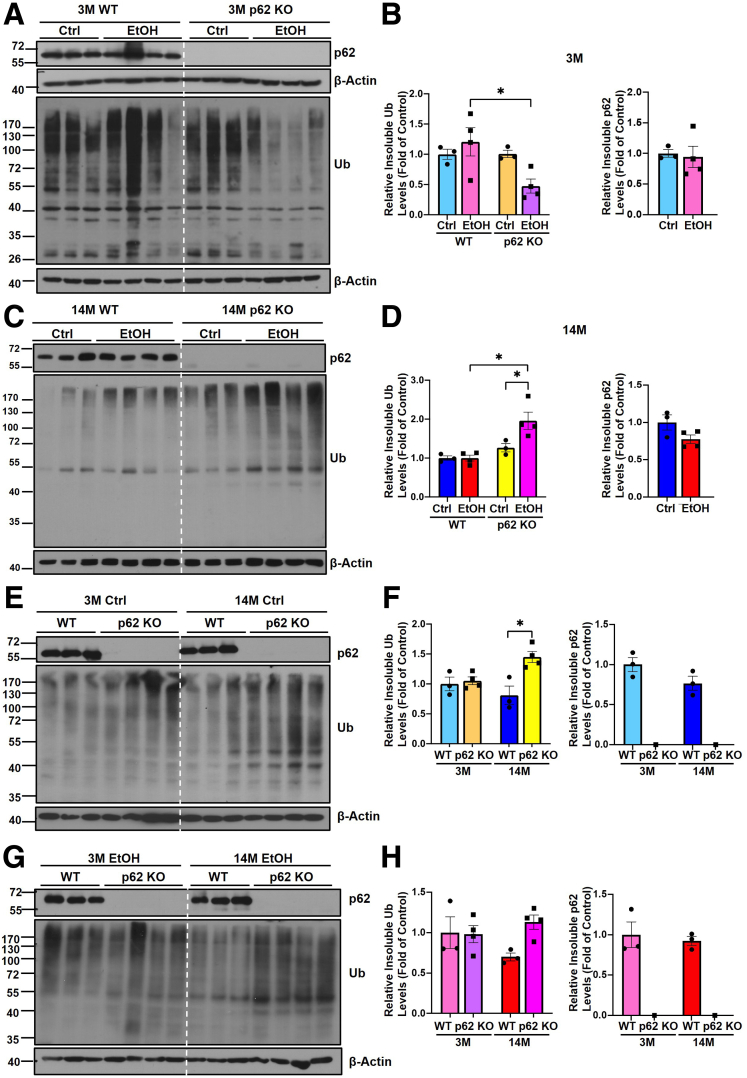
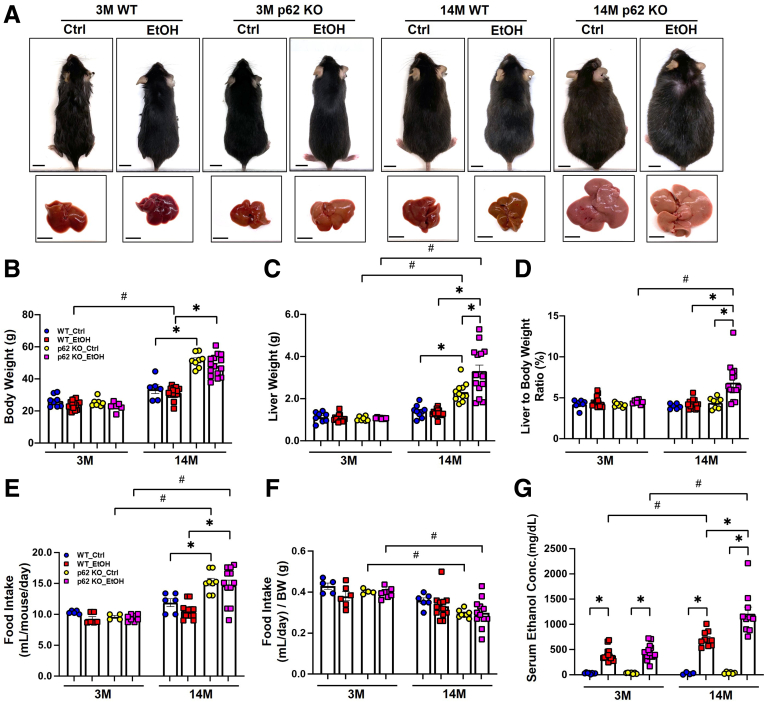
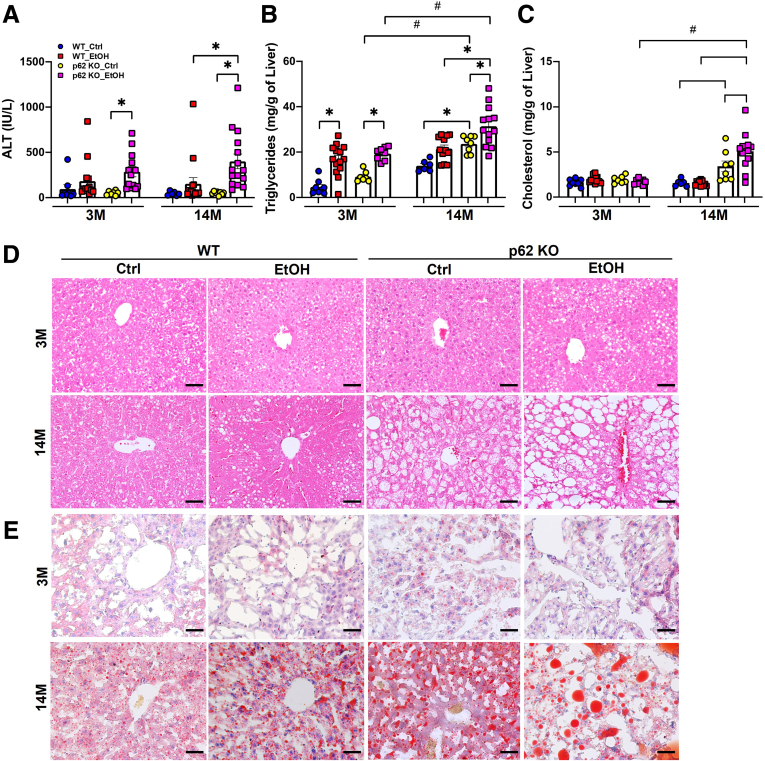
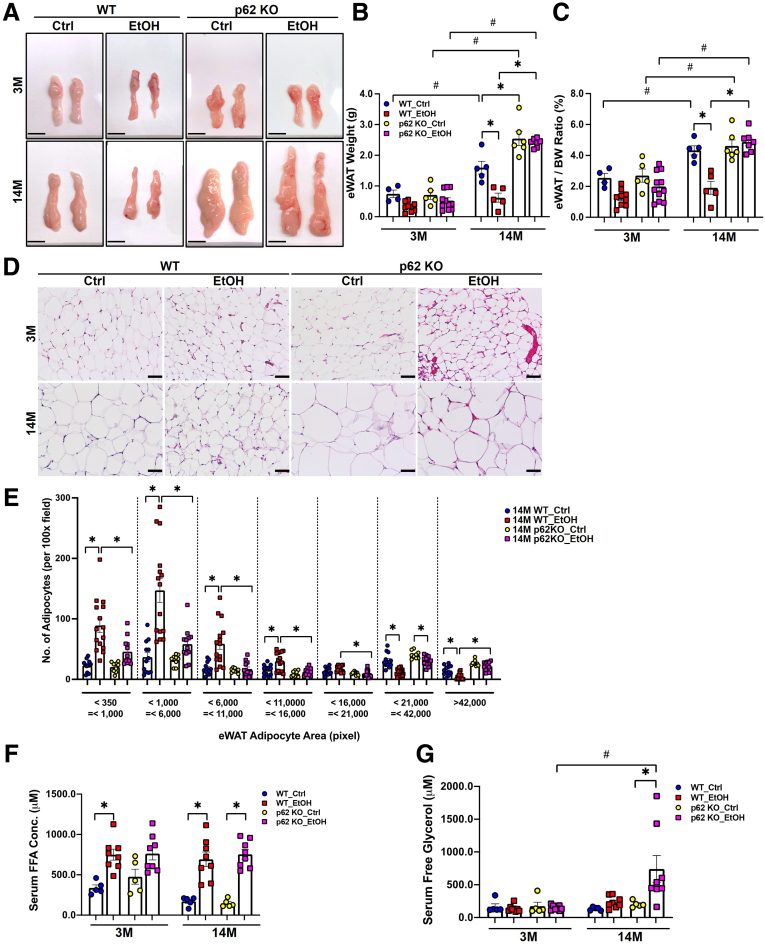
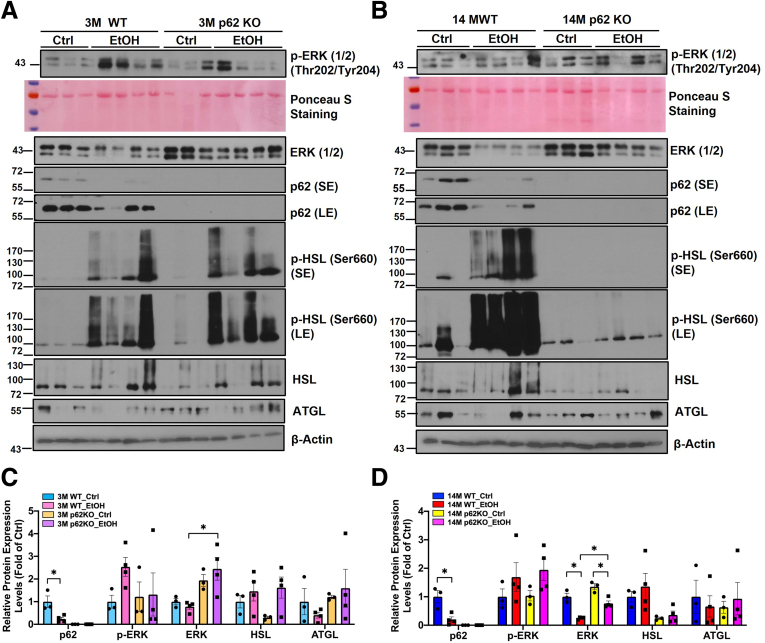
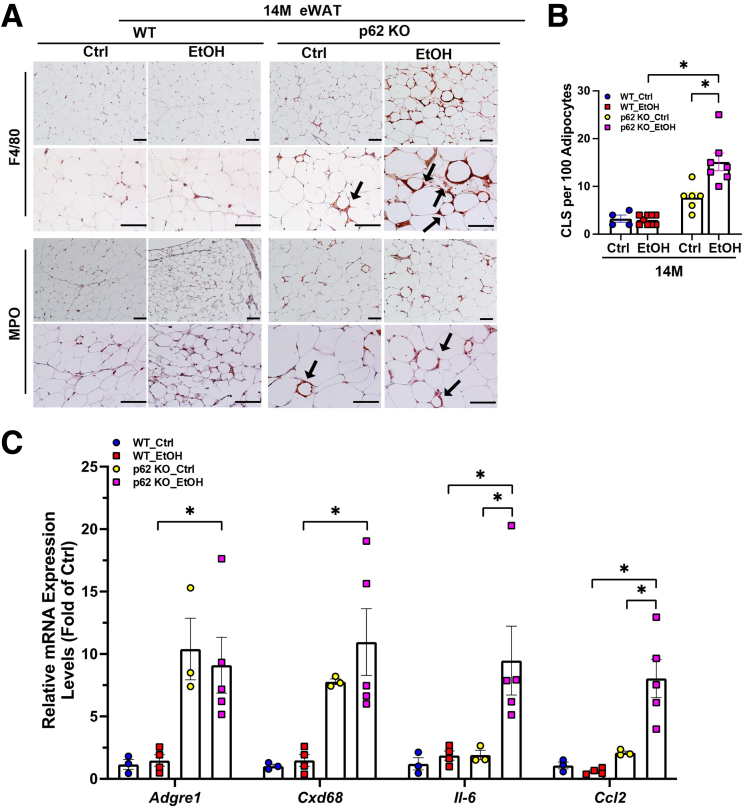
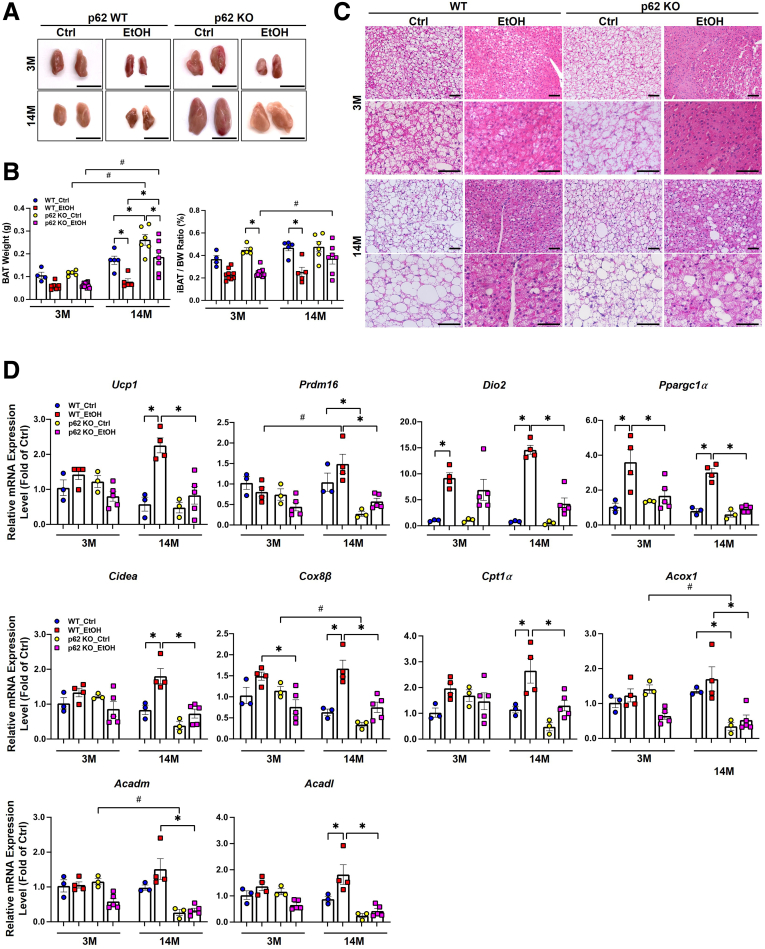
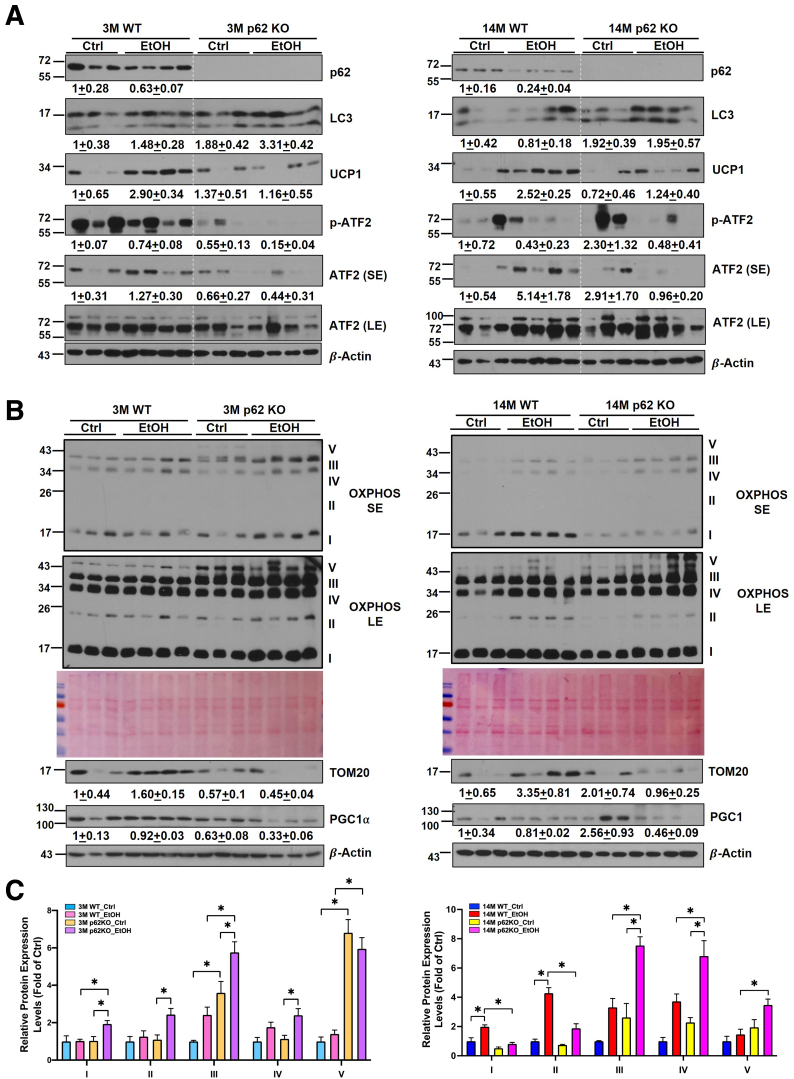
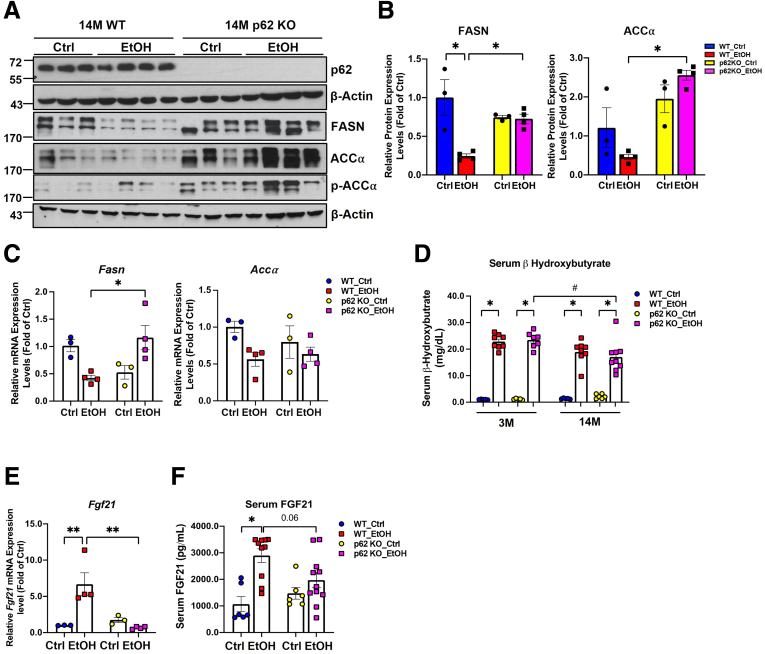
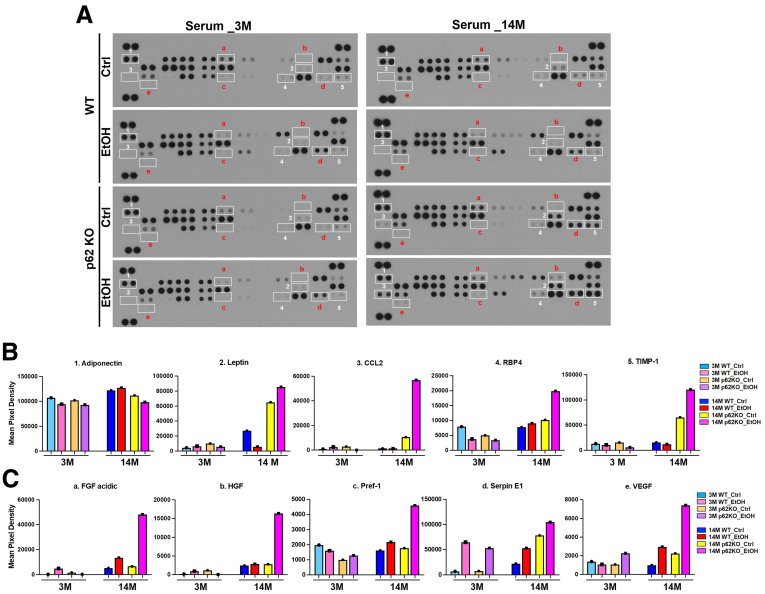
Aged but not young SQSTM1/p62 KO mice had significantly increased body weight and fat mass compared with the matched WT mice. Gao-binge alcohol feeding induced white adipose atrophy and decreased levels of SQSTM1/p62 levels in adipose tissue in aged WT mice. SQSTM1/p62 KO aged mice were resistant to Gao-binge alcohol-induced white adipose atrophy. Alcohol feeding increased the expression of thermogenic genes in WT mouse BAT, which was significantly blunted in SQSTM1/p62 KO aged mice. Alcohol-fed aged SQSTM1/p62 KO mice showed significantly higher levels of serum alanine aminotransferase, hepatic triglyceride, and inflammation compared with young and aged WT mice fed with alcohol. Alcohol-fed SQSTM1/p62 KO mice also increased secretion of proinflammatory and angiogenic adipokines that may promote alcohol-induced liver injury.
Loss of SQSTM1/p62 in aged mice leads to obesity and impairs alcohol-induced BAT adaptation, resulting in exacerbated alcohol-induced liver injury in mice.
酒精相关性肝病(ALD)是一个全球性的健康问题,目前仍缺乏有效的治疗方法。脂肪组织在 ALD 中既有有害作用,也有保护作用。虽然酒精会增加脂肪组织的脂解作用,从而促进酒精性肝损伤,但酒精也会激活棕色脂肪组织(BAT)产热,作为一种适应反应,以防止酒精性肝损伤。此外,衰老和肥胖也是 ALD 的危险因素。在本研究中,我们研究了自噬受体蛋白 SQSTM1/p62 对年轻和年老小鼠酒精性肝损伤中脂肪组织和肥胖的影响。
年轻和年老的全身 SQSTM1/p62 敲除(KO)小鼠及其同龄野生型(WT)小鼠接受慢性加 binge(Gao-binge)酒精喂养。收集血液、脂肪和肝脏组织进行生化和组织学分析。
与匹配的 WT 小鼠相比,年老但非年轻的 SQSTM1/p62 KO 小鼠的体重和脂肪量显著增加。Gao-binge 酒精喂养诱导了 WT 老年小鼠白色脂肪萎缩,并降低了脂肪组织中 SQSTM1/p62 的水平。SQSTM1/p62 KO 老年小鼠对 Gao-binge 酒精诱导的白色脂肪萎缩具有抗性。酒精喂养增加了 WT 小鼠 BAT 中热敏基因的表达,而 SQSTM1/p62 KO 老年小鼠的表达则明显减弱。与酒精喂养的年轻和老年 WT 小鼠相比,酒精喂养的 SQSTM1/p62 KO 老年小鼠的血清丙氨酸转氨酶、肝甘油三酯和炎症水平显著升高。酒精喂养的 SQSTM1/p62 KO 小鼠还增加了促炎和血管生成脂肪因子的分泌,这可能促进了酒精性肝损伤。
在年老小鼠中缺失 SQSTM1/p62 会导致肥胖,并损害酒精诱导的 BAT 适应,从而导致小鼠的酒精性肝损伤加剧。