Maidarti Mila, Anggraheny Beta Andewi Resti, Umarghanies Sarah Safira, Garinasih Prini Diandara, Harzif Achmad Kemal, Simatupang Octaviyana Nadia Nitasari
Reproductive Immunoendocrinology Division, Department of Obstetrics and Gynecology, Faculty of Medicine Universitas Indonesia - Dr. Cipto Mangunkusumo General Hospital, Jakarta 10430, Indonesia; Yasmin IVF Clinic, Dr. Cipto Mangunkusumo General Hospital, Jakarta 10430, Indonesia; Human Reproduction, Infertility and Family Planning Cluster, Indonesia Reproductive Medicine Research and Training Center, Indonesia Medical Education and Research Institute (IMERI), Faculty of Medicine, Universitas Indonesia, Jakarta 10430, Indonesia.
Reproductive Immunoendocrinology Division, Department of Obstetrics and Gynecology, Faculty of Medicine Universitas Indonesia - Dr. Cipto Mangunkusumo General Hospital, Jakarta 10430, Indonesia; Human Reproduction, Infertility and Family Planning Cluster, Indonesia Reproductive Medicine Research and Training Center, Indonesia Medical Education and Research Institute (IMERI), Faculty of Medicine, Universitas Indonesia, Jakarta 10430, Indonesia.
Int J Surg Case Rep. 2023 Mar;104:107934. doi: 10.1016/j.ijscr.2023.107934. Epub 2023 Feb 18.
Uterine fibroids, benign tumors of the myometrium, can cause pelvic pain. Obesity and diabetes mellitus can increase the risk of developing fibroid. We present two cases of uterine fibroid, diabetes mellitus, and obesity with moderate-to-severe chronic pain.
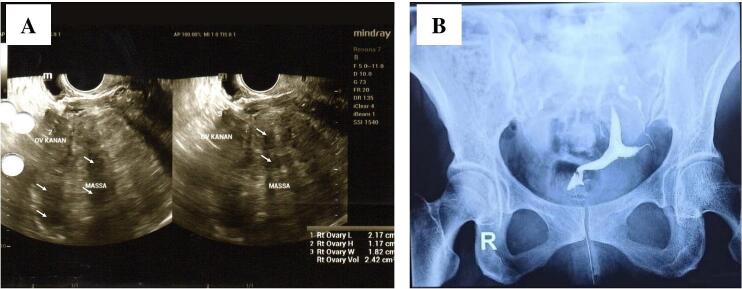
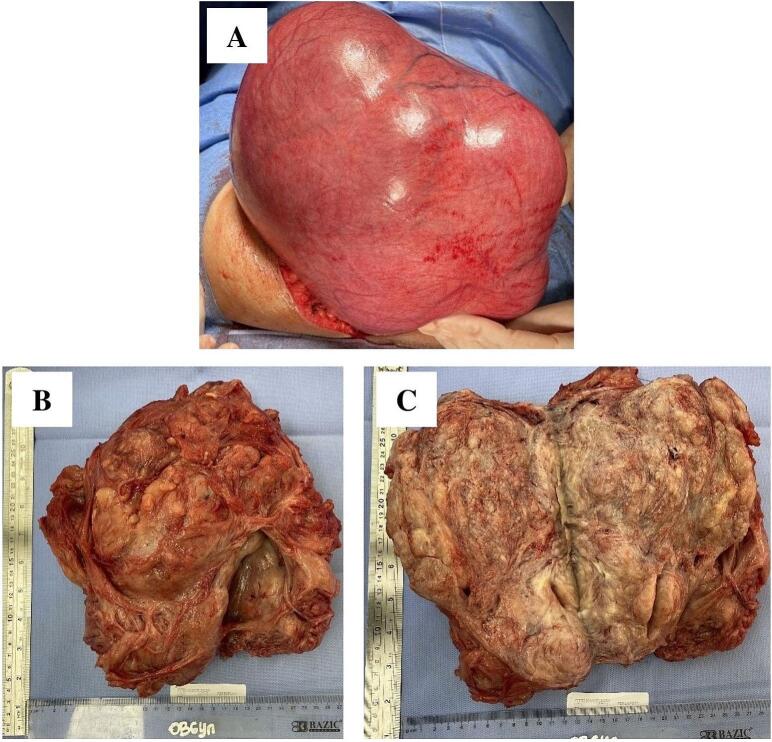
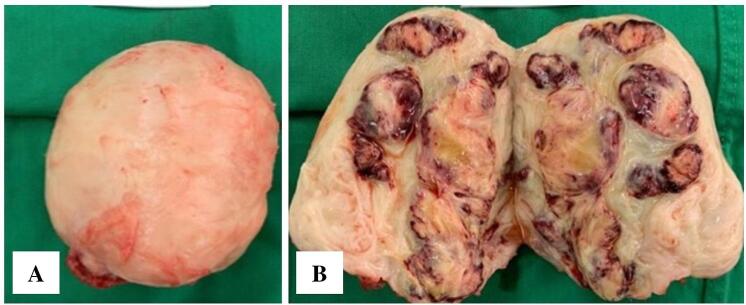
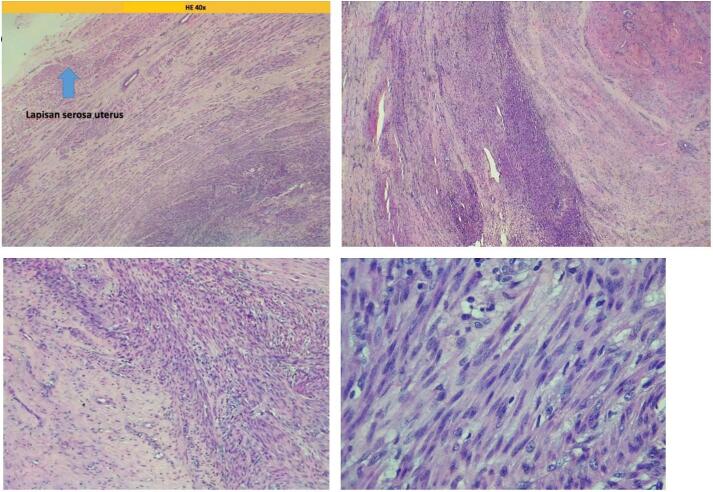
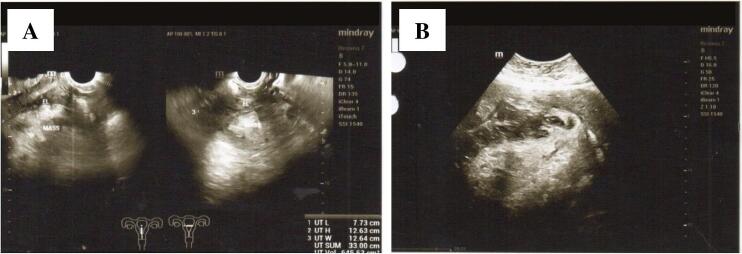
The first case is a 37-year-old woman with pelvic pain and a subserosal uterine fibroid, primary infertility, grade 2 obesity, and diabetes mellitus. Pathologic examination revealed smooth muscle cells with degeneration sites. The second case is a 35-year-old nulliparous woman with abdominal enlargement, lower abdominal pain, diabetes mellitus, and morbid obesity. Ultrasonography showed a large uterus with a hyperechoic mass and cystic degeneration. Histopathological examination revealed leiomyoma.
Our patient's chronic pelvic pain may be caused by its large size. Excess adipose tissue in obesity may result in the formation of estrone, causing the proliferation of fibroids. A subserous fibroid is less likely to cause infertility; thus, a myomectomy was performed to relieve pain. Obesity and diabetes could interfere with patients' periods. Higher levels of insulin and fat tissue induce androgen production. Increased estrogen levels lead to alteration of gonadotropin production, menstrual abnormalities, and ovulatory dysfunction.
Cystic degeneration of the subserous uterine fibroid could induce pain though it rarely affects fertility. A myomectomy was conducted to relieve pain. Comorbid diseases such as diabetes mellitus and obesity can lead to cystic degeneration of the uterine fibroid.
子宫肌瘤是子宫肌层的良性肿瘤,可引起盆腔疼痛。肥胖和糖尿病会增加患子宫肌瘤的风险。我们报告两例患有子宫肌瘤、糖尿病和肥胖症并伴有中重度慢性疼痛的病例。
第一例是一名37岁女性,有盆腔疼痛、浆膜下子宫肌瘤、原发性不孕、2级肥胖和糖尿病。病理检查显示平滑肌细胞有变性部位。第二例是一名35岁未生育女性,有腹部增大、下腹部疼痛、糖尿病和病态肥胖。超声检查显示子宫增大,有高回声肿块和囊性变性。组织病理学检查显示为平滑肌瘤。
我们患者的慢性盆腔疼痛可能由肌瘤体积大引起。肥胖中过多的脂肪组织可能导致雌酮形成,从而引起肌瘤增殖。浆膜下肌瘤较少导致不孕;因此,进行了肌瘤切除术以缓解疼痛。肥胖和糖尿病可能会干扰患者的月经。较高水平的胰岛素和脂肪组织会诱导雄激素产生。雌激素水平升高会导致促性腺激素分泌改变、月经异常和排卵功能障碍。
浆膜下子宫肌瘤的囊性变性可引起疼痛,尽管它很少影响生育能力。进行了肌瘤切除术以缓解疼痛。糖尿病和肥胖等合并症可导致子宫肌瘤的囊性变性。