
综合分析揭示了胰高血糖素样肽-2通过抑制炎症途径、调节葡萄糖代谢和调节肠道微生物群来改善小鼠实验性结肠炎的作用。
Integrative analysis revealed the role of glucagon-like peptide-2 in improving experimental colitis in mice by inhibiting inflammatory pathways, regulating glucose metabolism, and modulating gut microbiota.
作者信息
Li Dongyue, Gao Yanhong, Cui Lanrong, Li Yang, Ling Hao, Tan Xin, Xu Hongyu
机构信息
Department of Gastroenterology, First Affiliated Hospital of Harbin Medical University, Harbin, Heilongjiang, China.
Department of Gastroenterology, General Hospital of Northern Theater Command, Shenyang, Liaoning, China.
出版信息
Front Microbiol. 2023 May 16;14:1174308. doi: 10.3389/fmicb.2023.1174308. eCollection 2023.
INTRODUCTION
Ulcerative colitis (UC) is an inflammatory bowel disease characterized by recurrent and remitting inflammation of the mucosa of the colon and rectum, the incidence of which is on the rise. Glucagon-like peptide-2 (GLP-2) is a newly discovered neurotrophic factor, but its efficacy and mechanism of action in UC remain unclear. In this study, we investigated the protective effects and potential targets of GLP-2 on dextran sodium sulfate (DSS)-induced UC in mice through integrative analysis.
METHODS
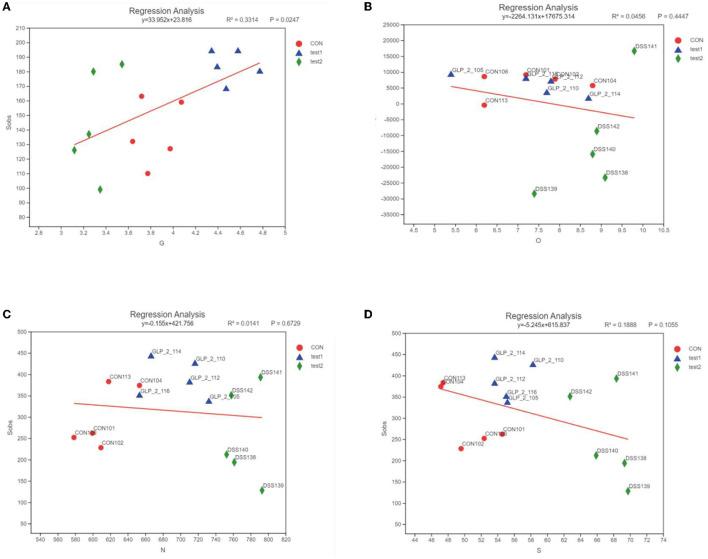
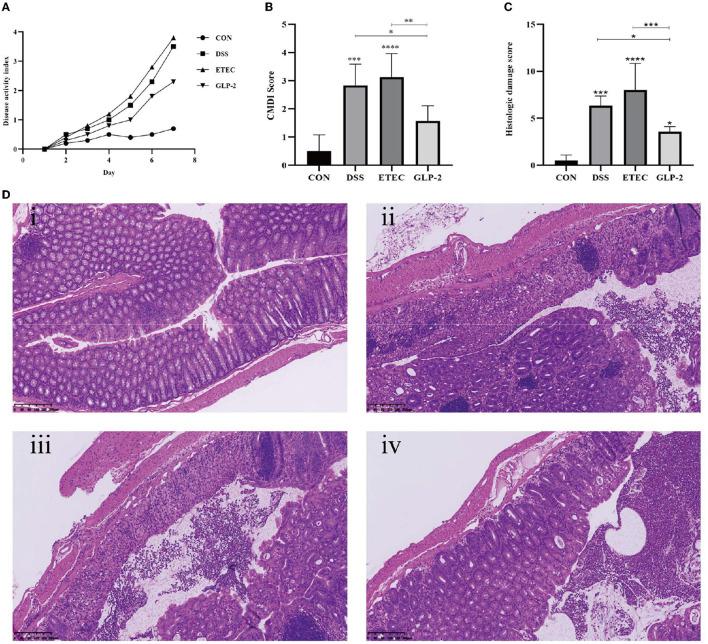
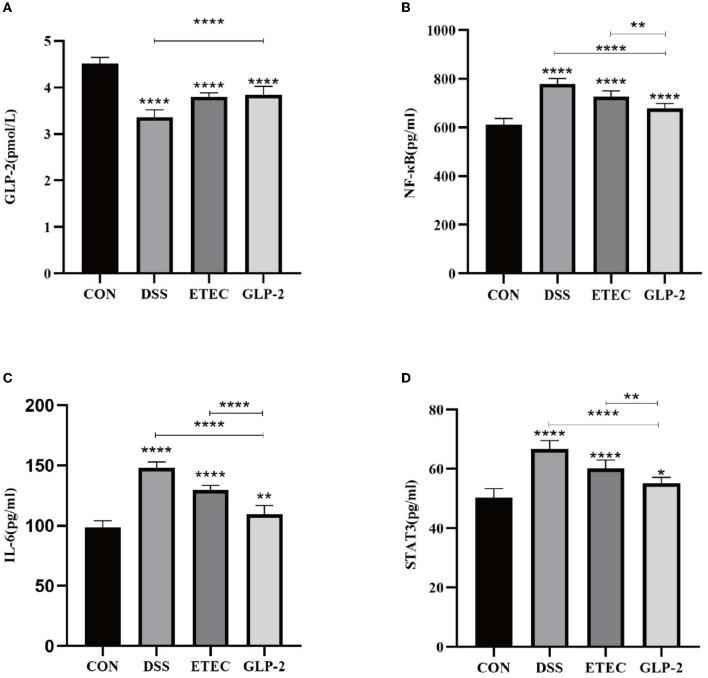
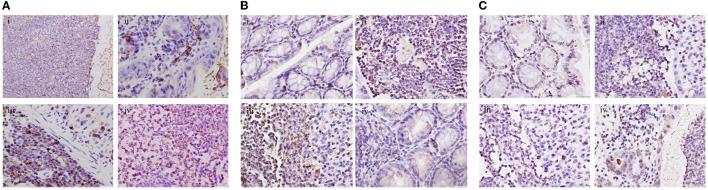
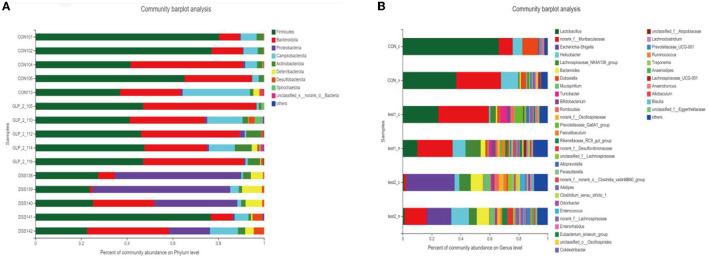
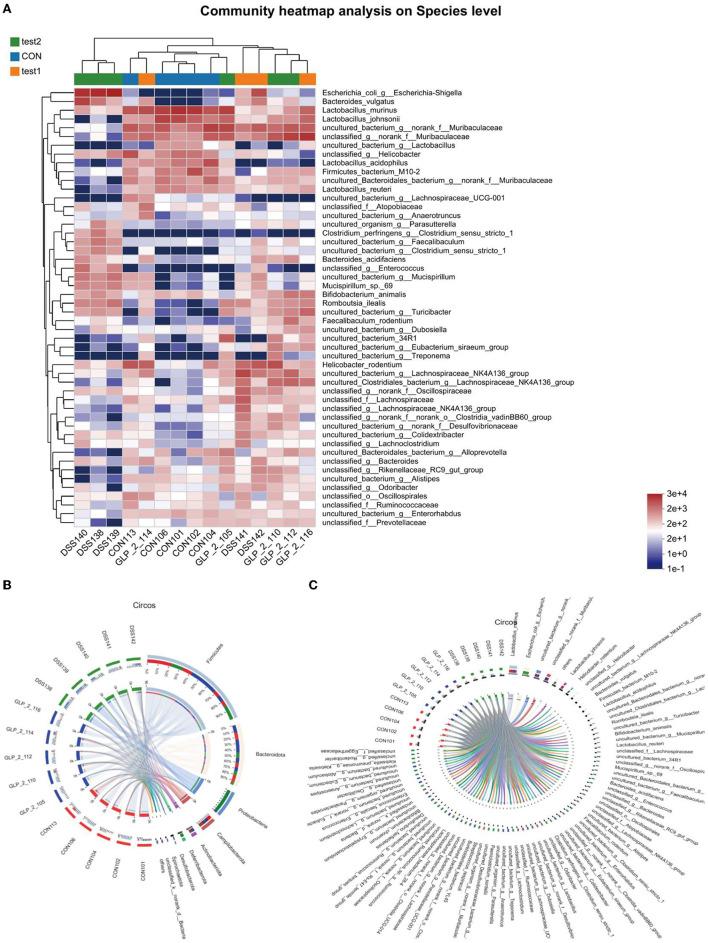
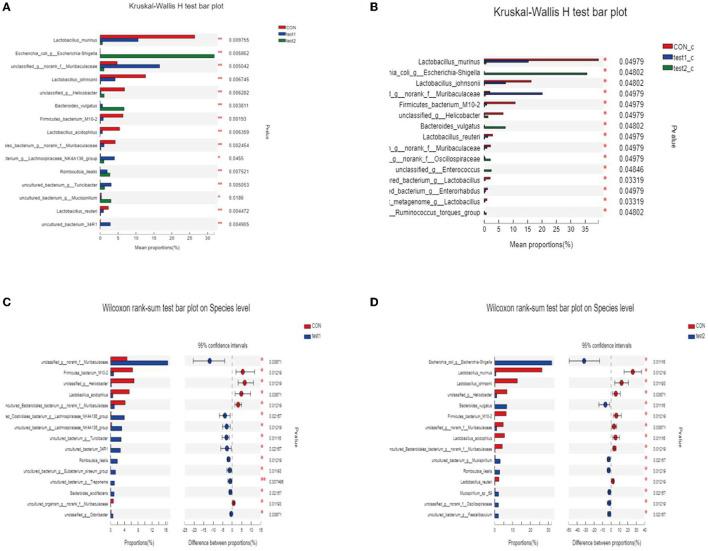
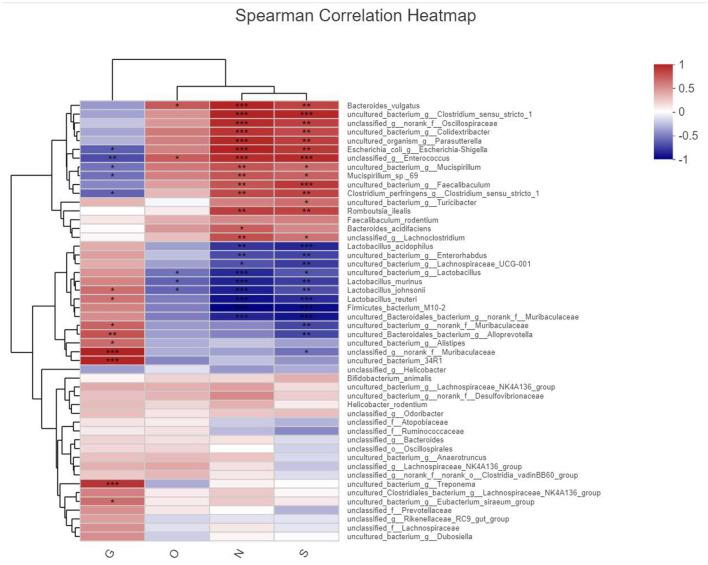
The effects of GLP-2 on UC were assessed by calculating the disease activity index, colonic mucosal damage index, and pathological histological scores. Enzyme-linked immunosorbent assay (ELISA) and immunohistochemistry were used to detect the expression of GLP-2, nuclear factor kappa-B (NF-κB), interleukin-6 (IL-6), and signal transducer and activator of transcription-3 (STAT3). The 16SrRNA gene was used to detect changes in gut microbiota in mouse colonic tissues, and oral glucose tolerance test (OGTT) blood glucose levels were used to analyze the differences in flora.
RESULTS
The results showed that GLP-2 could reduce the inflammation of UC mice, which may be achieved by inhibiting the potential targets of NF-κB, and Janus kinase (JAK)/STAT3 inflammatory pathways, regulating sugar metabolism, increasing dominant species, and improving microbial diversity.
DISCUSSION
This study provides new insight into the potential of GLP-2 for achieving more ideal UC treatment goals in future.
引言
溃疡性结肠炎(UC)是一种炎症性肠病,其特征为结肠和直肠黏膜反复出现炎症且呈缓解期,发病率呈上升趋势。胰高血糖素样肽-2(GLP-2)是一种新发现的神经营养因子,但其在UC中的疗效和作用机制尚不清楚。在本研究中,我们通过综合分析研究了GLP-2对葡聚糖硫酸钠(DSS)诱导的小鼠UC的保护作用及潜在靶点。
方法
通过计算疾病活动指数、结肠黏膜损伤指数和病理组织学评分来评估GLP-2对UC的影响。采用酶联免疫吸附测定(ELISA)和免疫组织化学检测GLP-2、核因子κB(NF-κB)、白细胞介素-6(IL-6)和信号转导及转录激活因子3(STAT3)的表达。利用16SrRNA基因检测小鼠结肠组织中肠道微生物群的变化,并通过口服葡萄糖耐量试验(OGTT)血糖水平分析菌群差异。
结果
结果表明,GLP-2可减轻UC小鼠的炎症,这可能是通过抑制NF-κB以及Janus激酶(JAK)/STAT3炎症通路的潜在靶点、调节糖代谢、增加优势菌种和改善微生物多样性来实现的。
讨论
本研究为GLP-2在未来实现更理想的UC治疗目标的潜力提供了新的见解。

 Zotero 插件