
基于证据的干预措施以降低成人重症监护病房常见多重耐药革兰氏阴性菌的发生率
Evidence-Based Interventions to Reduce the Incidence of Common Multidrug-Resistant Gram-Negative Bacteria in an Adult Intensive Care Unit.
作者信息
Althaqafi Abdulhakeem, Yaseen Muhammad, Farahat Fayssal, Munshi Adeeb, Al-Hameed Fahad M, Alshamrani Majid M, Alsaedi Asim, Al-Amri Abdulfattah, Chenia Hafizah, Essack Sabiha Y
机构信息
College of Medicine, King Saud bin Abdulaziz University for Health Sciences, Jeddah, SAU.
Infectious Diseases, King Abdullah International Medical Research Center, Jeddah, SAU.
出版信息
Cureus. 2023 Jun 5;15(6):e39979. doi: 10.7759/cureus.39979. eCollection 2023 Jun.
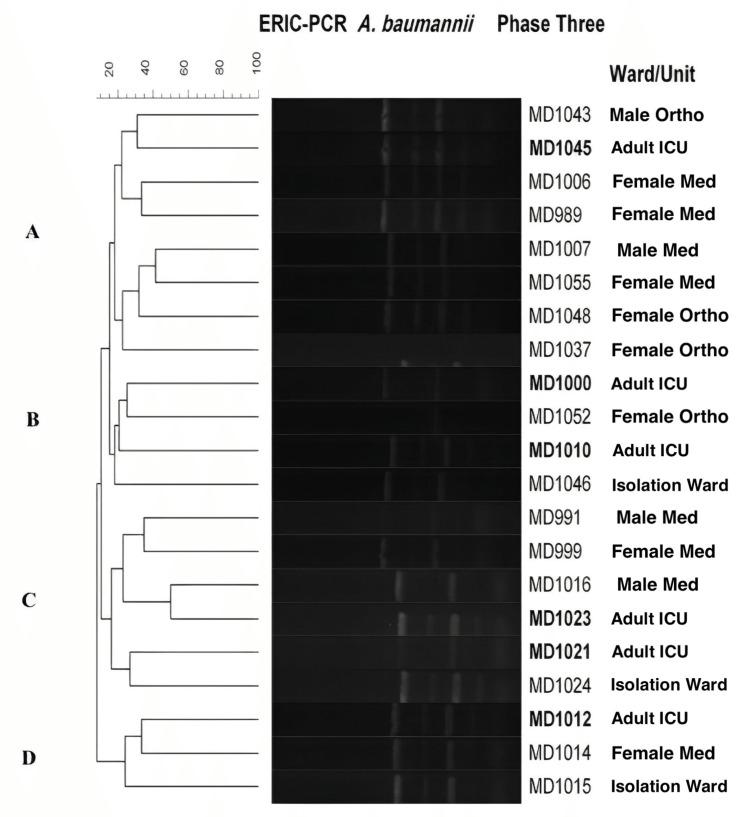
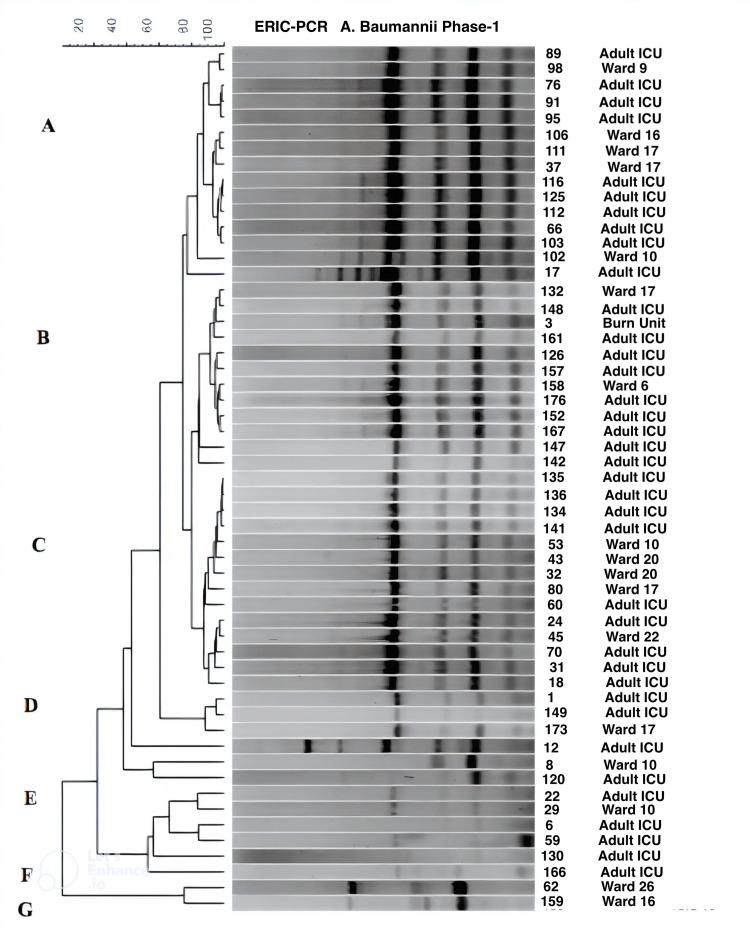
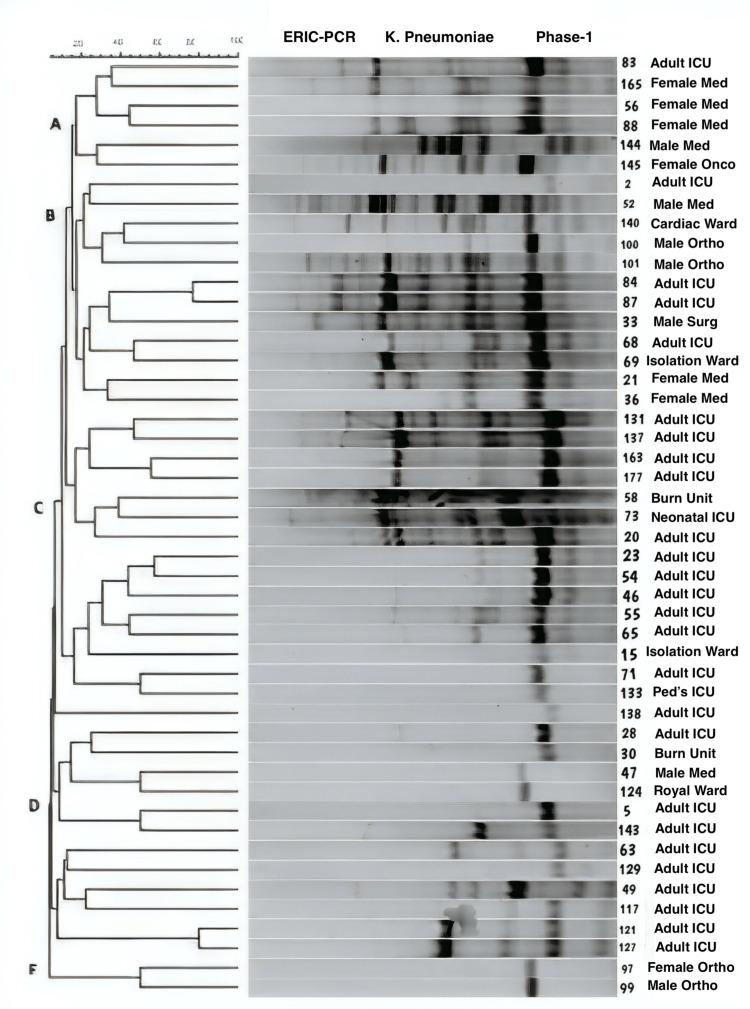
Background Multidrug-resistant Gram-negative bacteria (MDR-GNB) present a significant and escalating hazard to healthcare globally. Context-specific interventions have been implemented for the prevention and control of MDR-GNB in several healthcare facilities. The objective of this study was to implement and evaluate the effectiveness of evidence-based interventions in the incidence and dissemination of MDR-GNB. Methods This was a pre-and post-intervention study conducted in three phases at King Abdulaziz Medical City Jeddah, Saudi Arabia. During Phase-1, the data on each of the four MDR-GNB () were collected prospectively. Genomic fingerprinting was performed on isolates using enterobacterial repetitive intergenic consensus-polymerase chain reaction (ERIC-PCR) to determine clonality and establish a link between different strains within and between the hospital wards/units. In the second phase, targeted interventions were implemented in the adult intensive care unit (ICU) based on previously determined risk factors and included the education of healthcare workers on hand hygiene, disinfection of patients' surrounding, daily chlorhexidine baths, and disinfection rooms on discharge with hydrogen peroxide fogging after MDR-GNB patients were discharged. An antibiotic restriction protocol was simultaneously implemented as part of the hospital antibiotic stewardship program. In the third phase, the effectiveness of the interventions was evaluated by comparing the incidence rate and clonality (using ERIC-PCR genetic fingerprints) of MDR-GNB before and after the intervention. Results A significant reduction of MDR-GNB was observed in Phase-2 and Phase-3 compared with Phase-1. The mean incidence rate of MDR-GNB per 1000 patient days in Phase-1 (pre-intervention) was 11.08/1000, followed by 6.07 and 3.54/1000 in Phase-2 and Phase-3, respectively. A statistically significant reduction was observed in the incidence rate of MDR-GNB in the adult ICU (P=0.007), whereas no statistically significant decrease (P=0.419) was observed in areas other than the adult ICU. Two strains appear to be circulating within the ICU environment with reduced frequency in Phase-2 and Phase-3 compared to Phase-1. Conclusion There was a significant reduction in the incidence of MDR-GNB in the adult ICU due to the successful implementation of both infection control and stewardship interventions, albeit challenging to ascertain the relative contribution of each.
背景 多重耐药革兰氏阴性菌(MDR - GNB)对全球医疗保健构成了重大且不断升级的危害。在一些医疗机构中已实施了针对具体情况的干预措施来预防和控制MDR - GNB。本研究的目的是实施并评估循证干预措施对MDR - GNB的发生和传播的有效性。方法 这是一项在沙特阿拉伯吉达阿卜杜勒阿齐兹国王医疗城分三个阶段进行的干预前后研究。在第一阶段,前瞻性收集四种MDR - GNB()各自的数据。使用肠杆菌重复基因间共识聚合酶链反应(ERIC - PCR)对分离株进行基因组指纹分析,以确定克隆性并建立医院病房/科室内部及之间不同菌株的联系。在第二阶段,基于先前确定的风险因素,在成人重症监护病房(ICU)实施针对性干预措施,包括对医护人员进行手卫生教育、对患者周围环境进行消毒、每日洗必泰浴以及在MDR - GNB患者出院后用过氧化氢雾化对病房进行消毒。作为医院抗生素管理计划的一部分,同时实施了抗生素限制方案。在第三阶段,通过比较干预前后MDR - GNB的发病率和克隆性(使用ERIC - PCR基因指纹)来评估干预措施的有效性。结果 与第一阶段相比,在第二阶段和第三阶段观察到MDR - GNB显著减少。第一阶段(干预前)每1000患者日MDR - GNB的平均发病率为11.08/1000,第二阶段和第三阶段分别为6.07和3.54/1000。在成人ICU中,MDR - GNB的发病率有统计学意义的降低(P = 0.007),而在成人ICU以外的区域未观察到统计学意义的下降(P = 0.419)。两种菌株似乎在ICU环境中传播,与第一阶段相比,在第二阶段和第三阶段传播频率降低。结论 由于成功实施了感染控制和管理干预措施,成人ICU中MDR - GNB的发病率显著降低,尽管难以确定每种措施的相对贡献。



 Zotero 插件