Schaller Michael D
Department of Biochemistry and Molecular Medicine, West Virginia University School of Medicine, Morgantown, West Virginia 26506.
bioRxiv. 2024 Jan 9:2023.08.02.551624. doi: 10.1101/2023.08.02.551624.
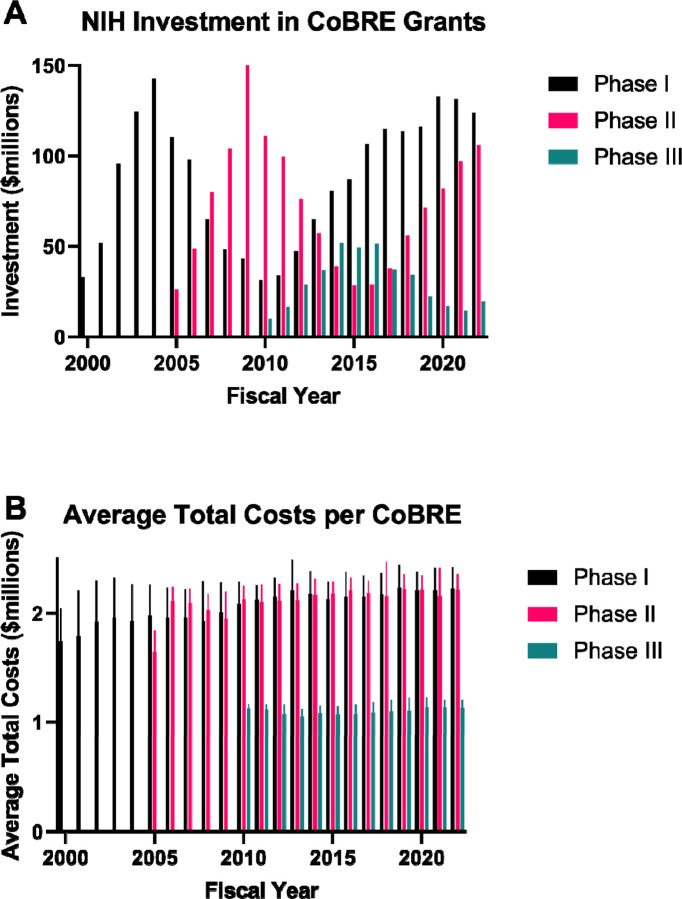
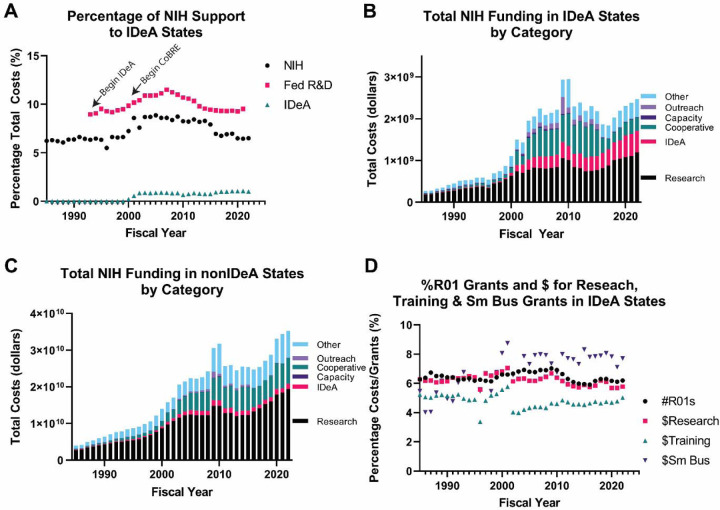
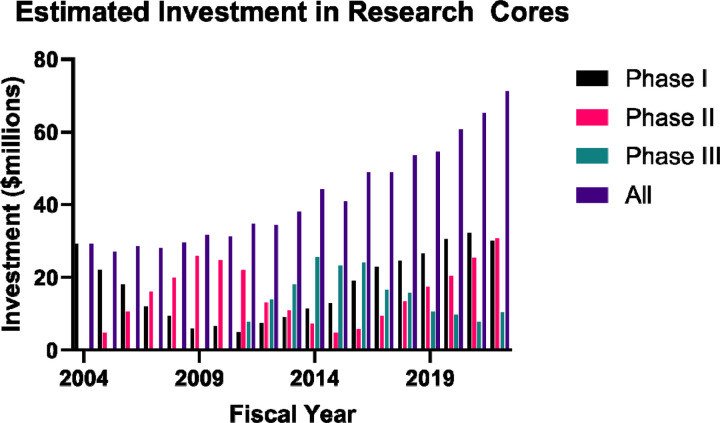
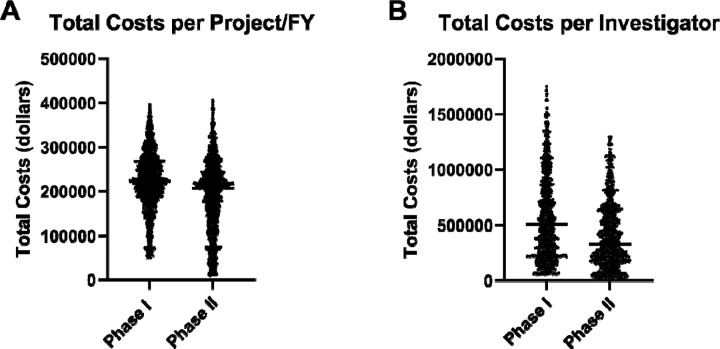
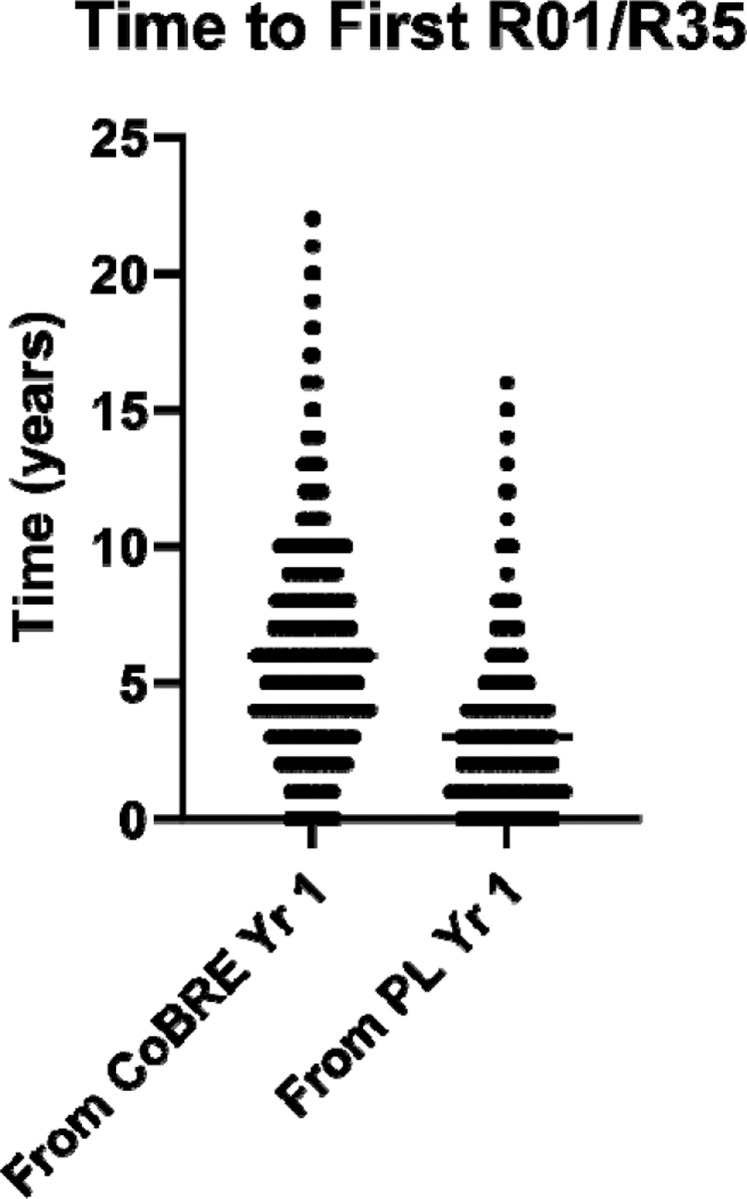
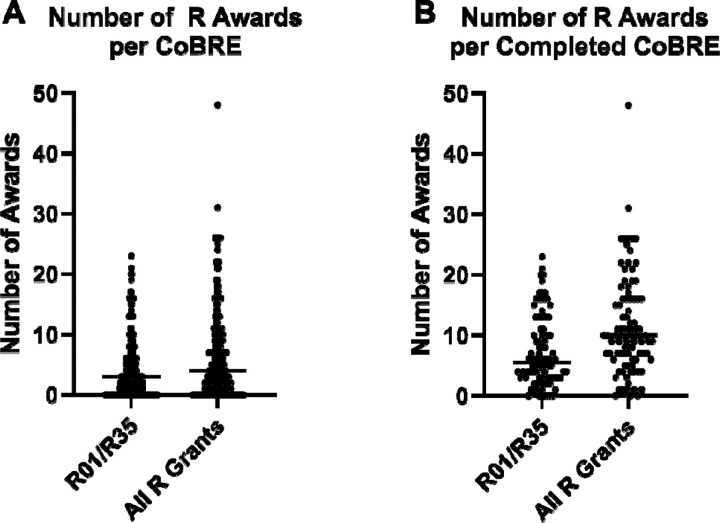
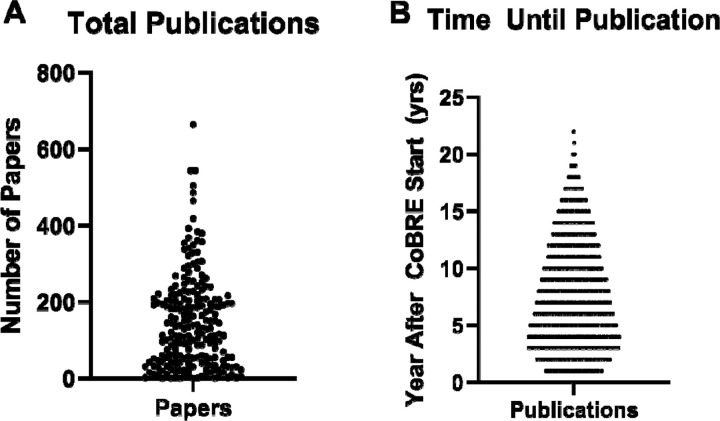
Federal funding for research has immediate and long-term economic impact. Since federal research funding is regionally concentrated and not geographically distributed, the benefits are not fully realized in some regions of the country. The Established (previously Experimental) Program to Stimulate Competitive Research (EPSCoR) programs at several agencies, e.g. the National Science Foundation, and the Institutional Development Award (IDeA) program at the National Institutes of Health were created to increase competitiveness for funding in states with historically low levels of federal funding. The Centers of Biomedical Research Excellence (CoBRE) award program is a component of the IDeA program. The CoBRE grants support research core facilities to develop research infrastructure. These grants also support the research projects of junior investigators, under the guidance of mentoring teams of senior investigators, to develop human resources at these institutions. Few studies have assessed the effectiveness of these programs. This study examines the investment and outcomes of the CoBRE grants from 2000 through 2022. The maturation of junior investigators into independently funded principal investigators is comparable to other mentoring programs supported by NIH. The investment in research cores resulted in substantial research productivity, measured by publications. Despite the successes of individual investigators and increase research infrastructure and productivity, the geographic distribution of federal and NIH research dollars has not changed. These results will be informative in consideration of policies designed to enhance the geographic distribution of federal research dollars.
联邦政府对研究的资助具有直接和长期的经济影响。由于联邦研究资金在地区上集中而非地理上分散,该国一些地区并未充分实现这些益处。多个机构(如美国国家科学基金会)设立的促进竞争性研究既定(以前为实验性)计划(EPSCoR)项目,以及美国国立卫生研究院的机构发展奖(IDeA)计划,旨在提高联邦资金历来较少的州在资金获取方面的竞争力。卓越生物医学研究中心(CoBRE)奖励计划是IDeA计划的一个组成部分。CoBRE拨款支持研究核心设施以发展研究基础设施。这些拨款还在资深研究人员指导团队的指导下,支持初级研究人员的研究项目,以在这些机构培养人力资源。很少有研究评估这些计划的有效性。本研究考察了2000年至2022年期间CoBRE拨款的投资和成果。初级研究人员成长为获得独立资助的首席研究员的情况与美国国立卫生研究院支持的其他指导计划相当。对研究核心的投资带来了以出版物衡量的大量研究产出。尽管个别研究人员取得了成功,研究基础设施和生产力有所提高,但联邦和美国国立卫生研究院研究资金的地理分布并未改变。这些结果对于考虑旨在增强联邦研究资金地理分布的政策具有参考价值。