Katebi Ataur, Chen Xiaowen, Li Sheng, Lu Mingyang
Department of Bioengineering, Northeastern University, Boston, MA, USA.
Center for Theoretical Biological Physics, Northeastern University, Boston, MA, USA.
bioRxiv. 2023 Jul 31:2023.07.29.551111. doi: 10.1101/2023.07.29.551111.
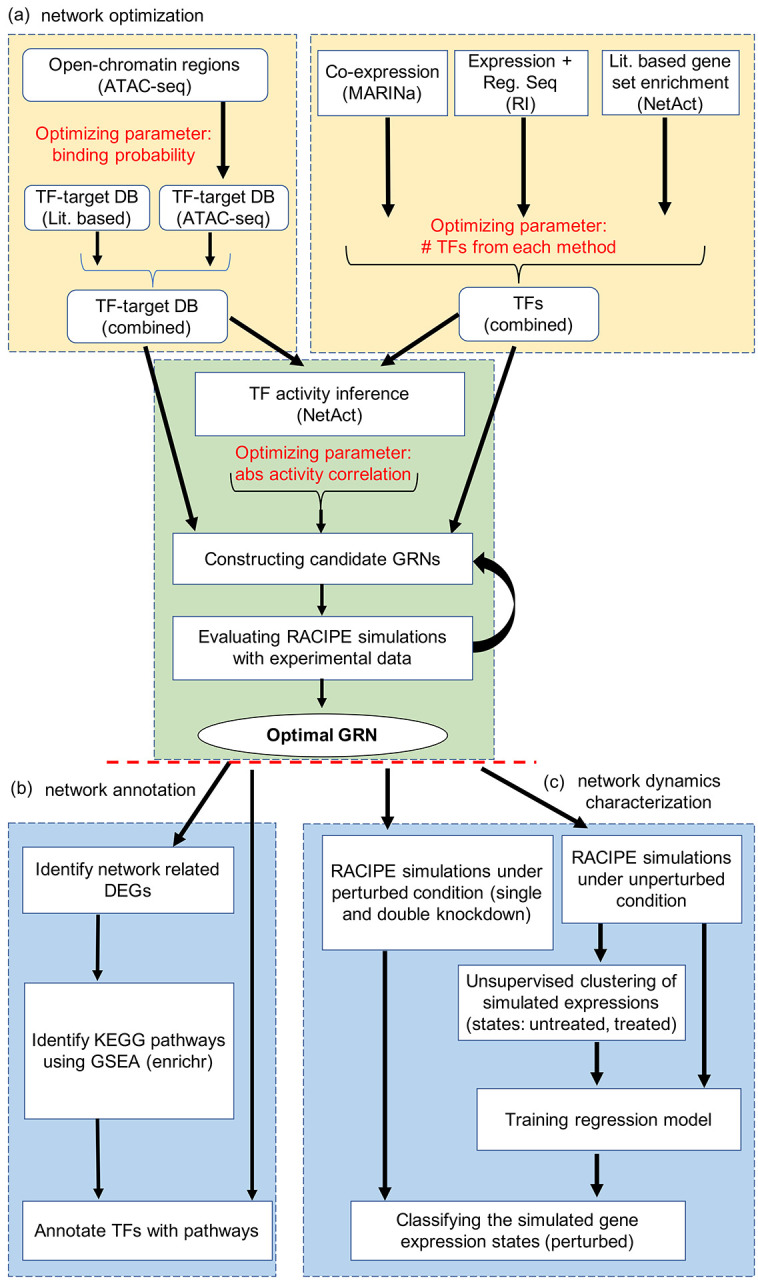
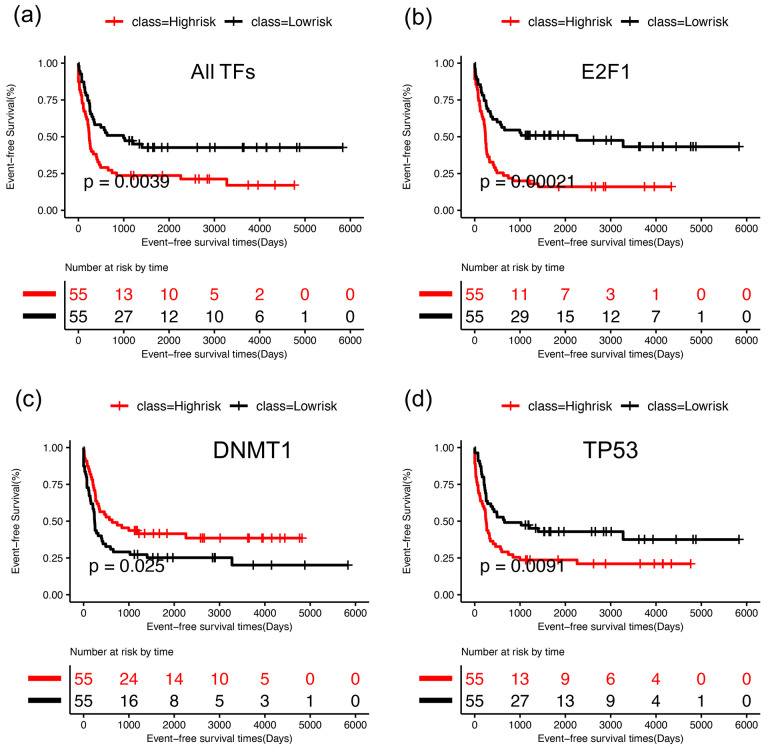
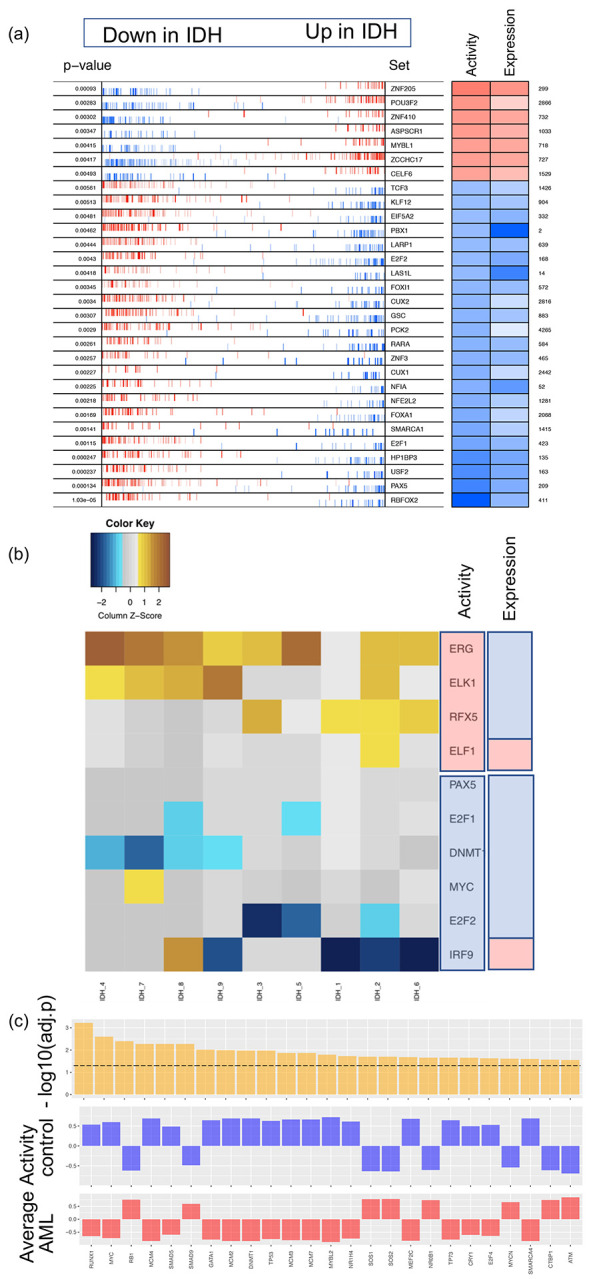
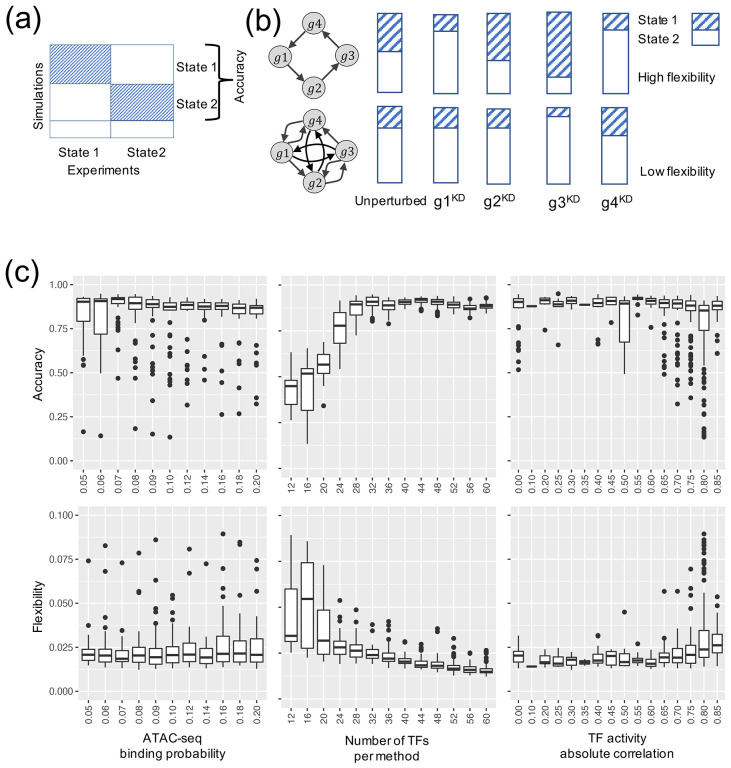
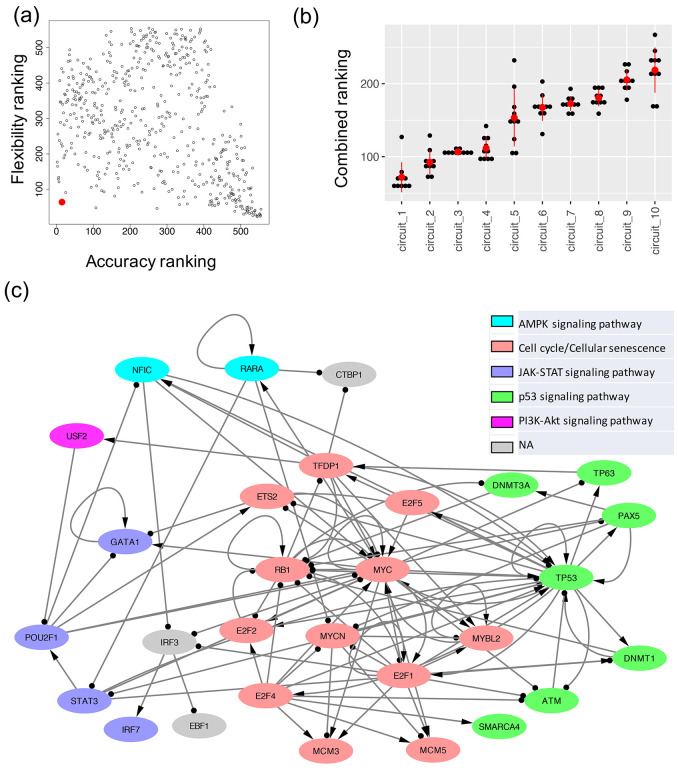
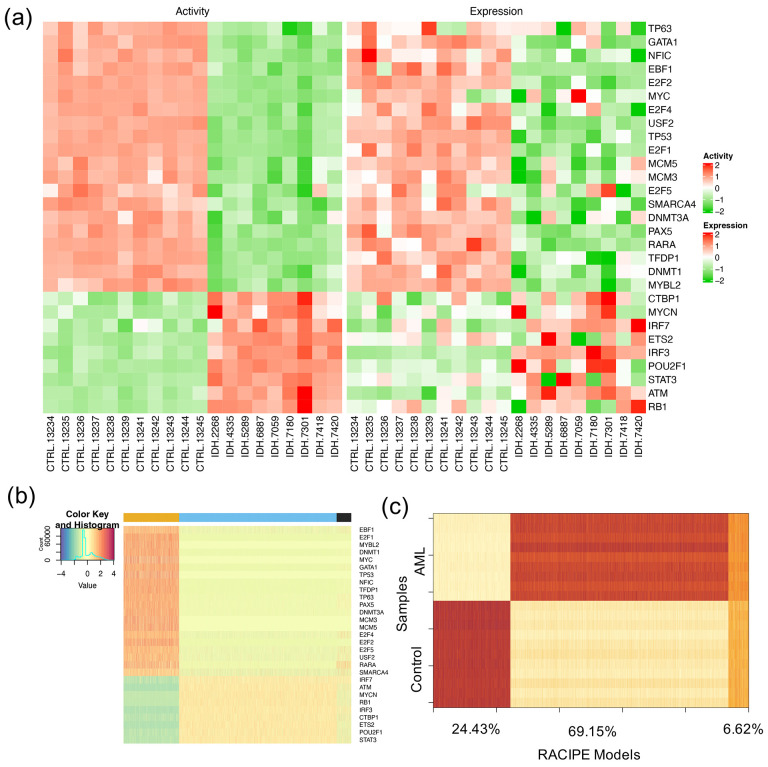
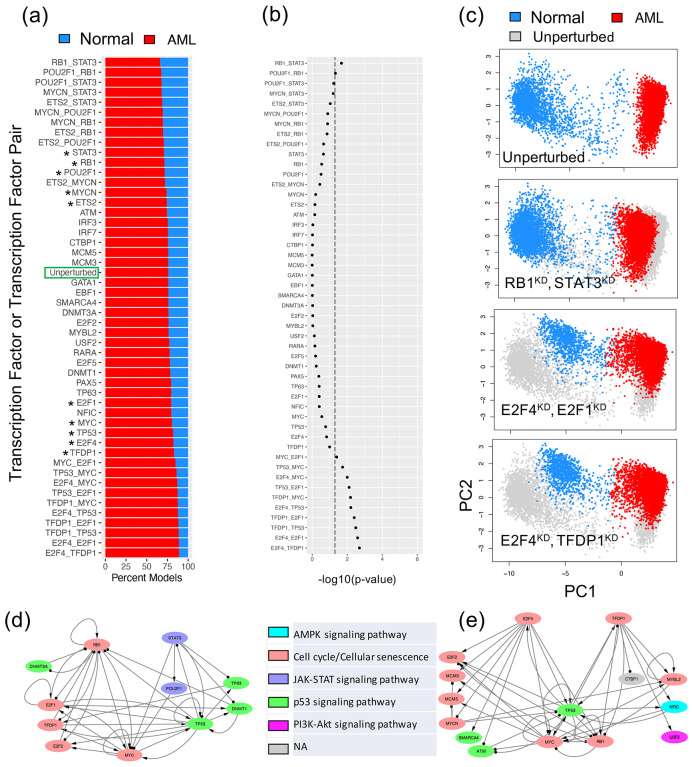
Acute myeloid leukemia (AML) is characterized by uncontrolled proliferation of poorly differentiated myeloid cells, with a heterogenous mutational landscape. Mutations in IDH1 and IDH2 are found in 20% of the AML cases. Although much effort has been made to identify genes associated with leukemogenesis, the regulatory mechanism of AML state transition is still not fully understood. To alleviate this issue, here we develop a new computational approach that integrates genomic data from diverse sources, including gene expression and ATAC-seq datasets, curated gene regulatory interaction databases, and mathematical modeling to establish models of context-specific core gene regulatory networks (GRNs) for a mechanistic understanding of tumorigenesis of AML with IDH mutations. The approach adopts a novel optimization procedure to identify the optimal network according to its accuracy in capturing gene expression states and its flexibility to allow sufficient control of state transitions. From GRN modeling, we identify key regulators associated with the function of IDH mutations, such as DNA methyltransferase DNMT1, and network destabilizers, such as E2F1. The constructed core regulatory network and outcomes of in-silico network perturbations are supported by survival data from AML patients. We expect that the combined bioinformatics and systems-biology modeling approach will be generally applicable to elucidate the gene regulation of disease progression.
急性髓系白血病(AML)的特征是低分化髓系细胞不受控制地增殖,具有异质性的突变格局。在20%的AML病例中发现了异柠檬酸脱氢酶1(IDH1)和异柠檬酸脱氢酶2(IDH2)的突变。尽管已经付出了很多努力来鉴定与白血病发生相关的基因,但AML状态转变的调控机制仍未完全了解。为了缓解这个问题,我们在此开发了一种新的计算方法,该方法整合了来自不同来源的基因组数据,包括基因表达和ATAC-seq数据集、精心策划的基因调控相互作用数据库以及数学建模,以建立特定背景下核心基因调控网络(GRN)模型,从而从机制上理解IDH突变型AML的肿瘤发生过程。该方法采用了一种新颖的优化程序,根据其在捕获基因表达状态方面的准确性及其对状态转变进行充分控制的灵活性来识别最优网络。通过GRN建模,我们鉴定出与IDH突变功能相关的关键调节因子,如DNA甲基转移酶DNMT1,以及网络不稳定因子,如E2F1。AML患者的生存数据支持了构建的核心调控网络和计算机模拟网络扰动的结果。我们期望这种结合生物信息学和系统生物学的建模方法将普遍适用于阐明疾病进展过程中的基因调控。