Hamilton M, Sivasambu H, Behdinan K, Andrysek J
Institute of Biomedical Engineering, Faculty of Applied Science and Engineering, University of Toronto, Toronto, Canada.
Bloorview Research Institute, Holland Bloorview Kids Rehabilitation Hospital, Toronto, Canada.
Can Prosthet Orthot J. 2021 May 19;4(1):36059. doi: 10.33137/cpoj.v4i1.36059. eCollection 2021.
Pressure sensing at the body-device interface can help assess the quality of fit and function of assistive devices during physical activities and movement such as walking and running. However, the dynamic performance of various pressure sensor configurations is not well established.
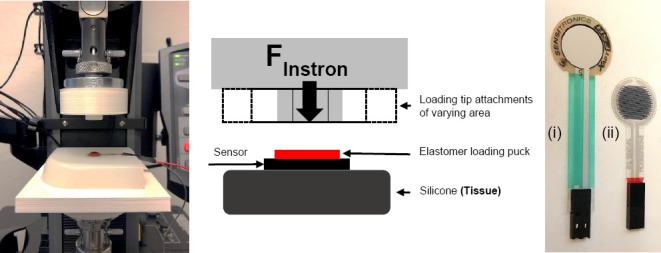
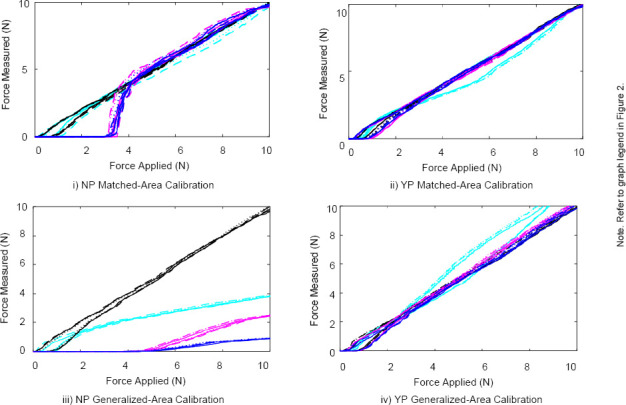
Two common commercially available thin-film pressure sensors were tested to determine the effects of clinically relevant setup configurations focusing on loading areas, interfacing elements (i.e. 'puck') and calibration methods.
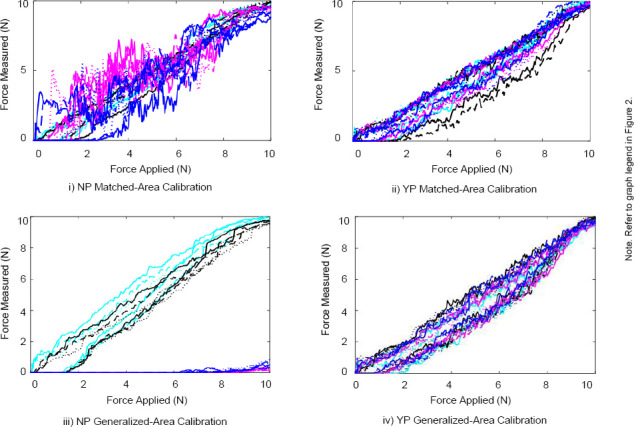
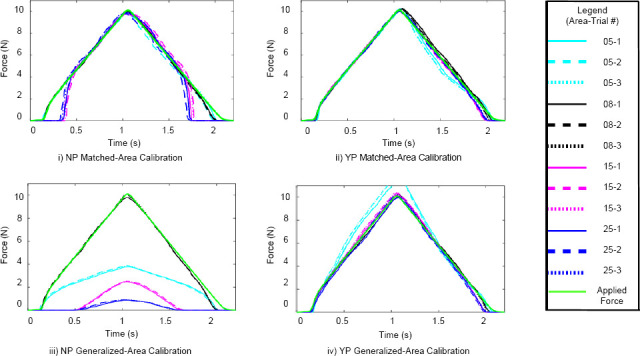
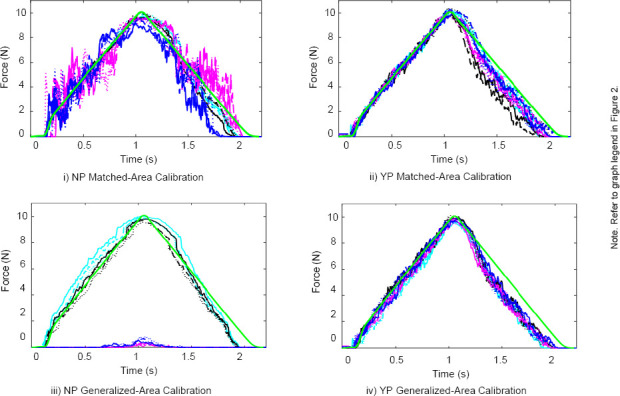
Testing was performed using a customized universal testing machine to simulate dynamic, mobility relevant loads at the body-device interface. Sensor performance was evaluated by analyzing accuracy and hysteresis.
The results suggest that sensor calibration method has a significant effect on sensor performance although the difference is mitigated by using an elastomeric loading puck. Both sensors exhibited similar performance during dynamic testing that agree with accuracy and hysteresis values reported by manufacturers and in previous studies assessing mainly static and quasi-static conditions.
These findings suggest that sensor performance under mobility relevant conditions may be adequately represented via static and quasi-testing testing. This is important since static testing is much easier to apply and reduces the burden on users to verify dynamic performance of sensors prior to clinical application. The authors also recommend using a load puck for dynamic testing conditions to achieve optimal performance.
在身体与设备的界面处进行压力传感有助于评估辅助设备在诸如行走和跑步等身体活动和运动过程中的贴合度和功能质量。然而,各种压力传感器配置的动态性能尚未得到充分确立。
测试两种常见的商用薄膜压力传感器,以确定临床相关设置配置对加载区域、接口元件(即“压块”)和校准方法的影响。
使用定制的万能试验机进行测试,以模拟身体与设备界面处与动态移动相关的负荷。通过分析准确性和滞后性来评估传感器性能。
结果表明,传感器校准方法对传感器性能有显著影响,尽管使用弹性加载压块可减轻这种差异。在动态测试期间,两种传感器均表现出相似的性能,这与制造商报告的以及先前主要评估静态和准静态条件的研究中的准确性和滞后性值一致。
这些发现表明,在与移动相关的条件下,传感器性能可以通过静态和准测试充分体现。这很重要,因为静态测试更易于应用,并且减轻了用户在临床应用前验证传感器动态性能的负担。作者还建议在动态测试条件下使用加载压块以实现最佳性能。