School of Traditional Chinese Medicine, Beijing University of Chinese Medicine, Beijing, 100029, China.
Department of Nephrology, Beijing Hospital of Traditional Chinese Medicine, Capital Medical University, 23 Meishuguanhou Street, Dongcheng District, Beijing, 100010, China.
Stem Cell Res Ther. 2023 Oct 26;14(1):309. doi: 10.1186/s13287-023-03507-0.
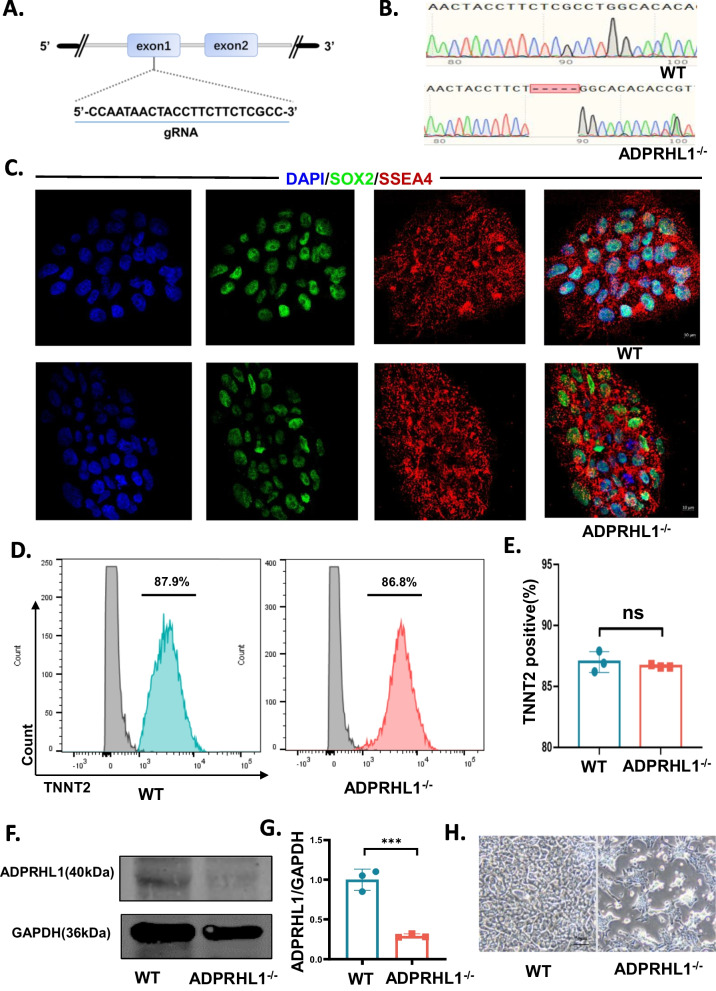
Pseudoenzymes, catalytically deficient variants of active enzymes, have a wide range of regulatory functions. ADP-ribosylhydrolase-like 1 (ADPRHL1), a pseudoenzyme belonging to a small group of ADP-ribosylhydrolase enzymes that lacks the amino acid residues necessary for catalytic activity, may have a significant role in heart development based on accumulating evidence. However, the specific function of ADPRHL1 in this process has not been elucidated. To investigate the role of ADPRHL1 in the heart, we generated the first in vitro human embryonic stem cell model with an ADPRHL1 knockout.
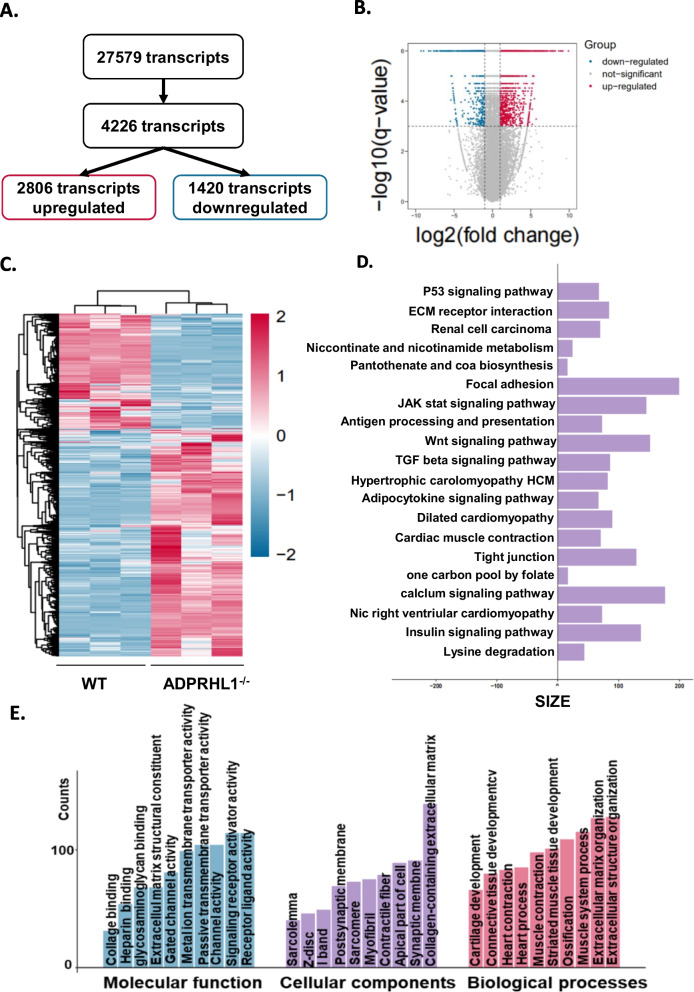
Using the CRISPR/Cas9 system, we generated ADPRHL1 knockout in the human embryonic stem cell (hESC) H9 line. The cells were differentiated into cardiomyocytes using a chemically defined and xeno-free method. We employed confocal laser microscopy to detect calcium transients and microelectrode array (MEA) to assess the electrophysiological activity of ADPRHL1 deficiency cardiomyocytes. Additionally, we investigated the cellular mechanism of ADPRHL1 by Bulk RNA sequencing and western blot.
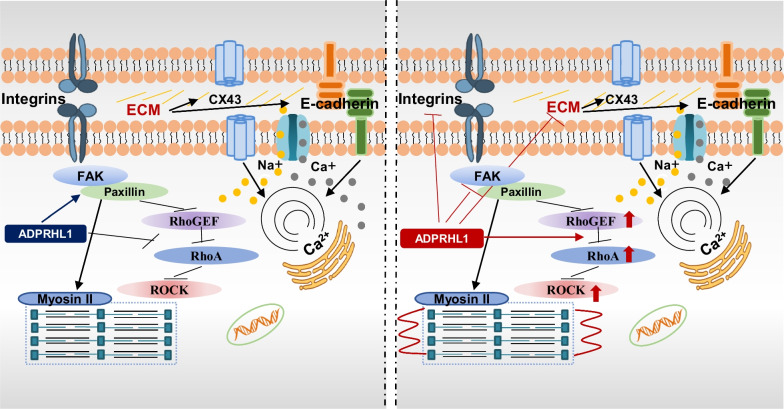
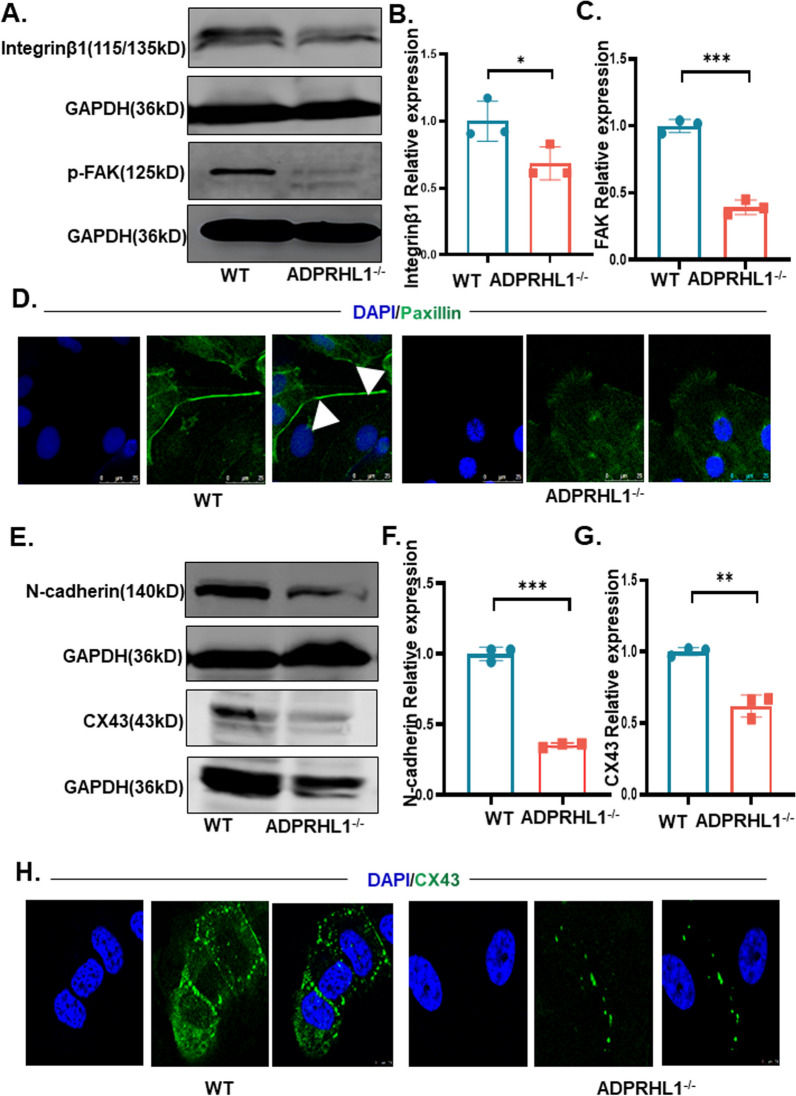
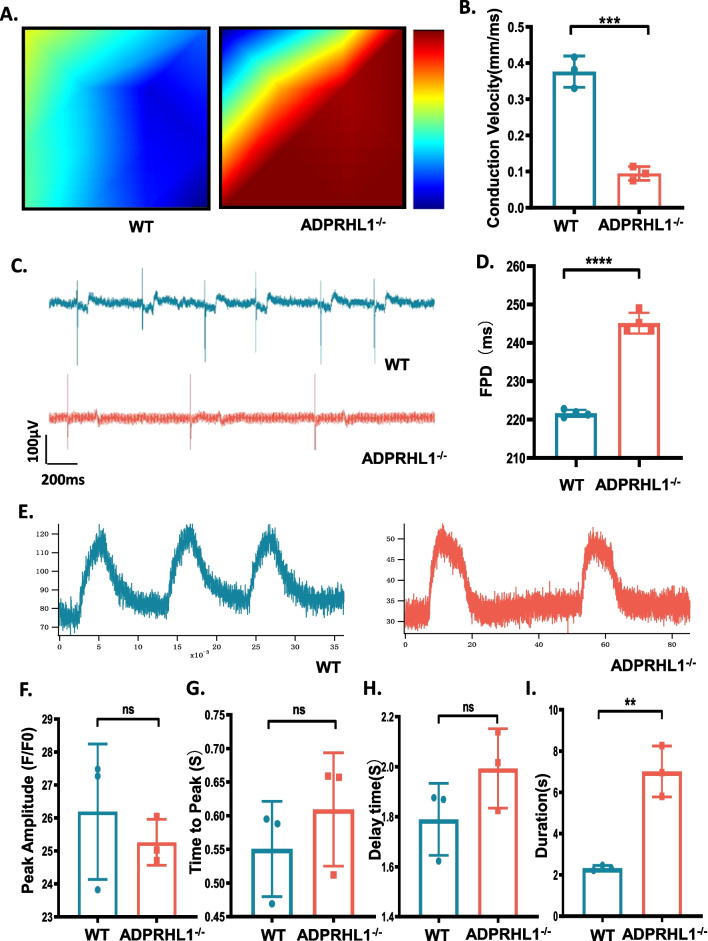
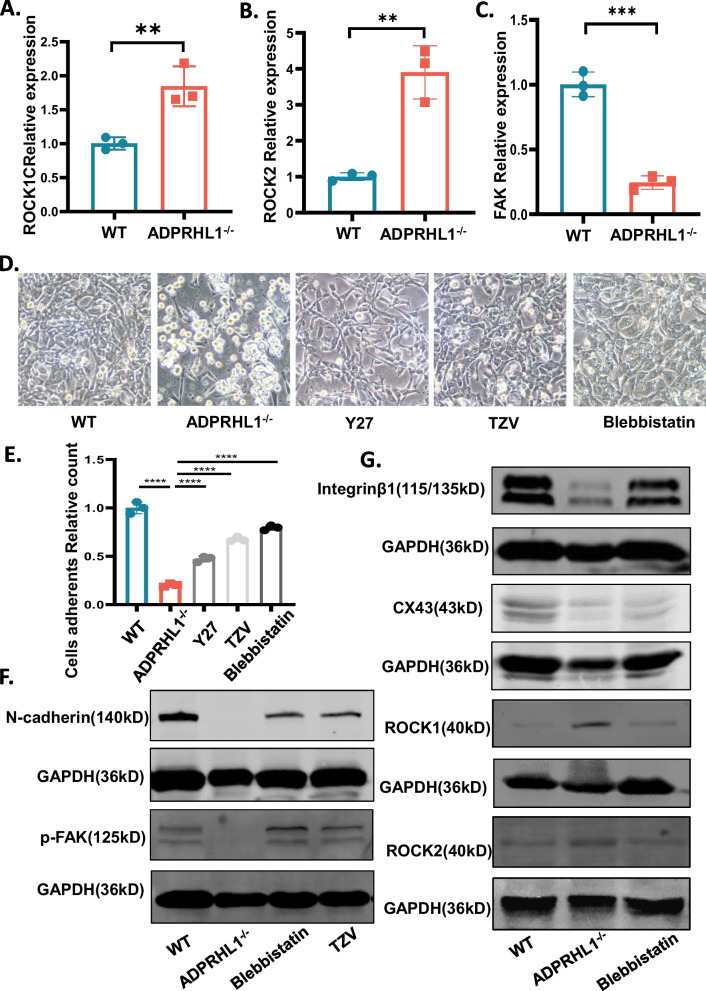
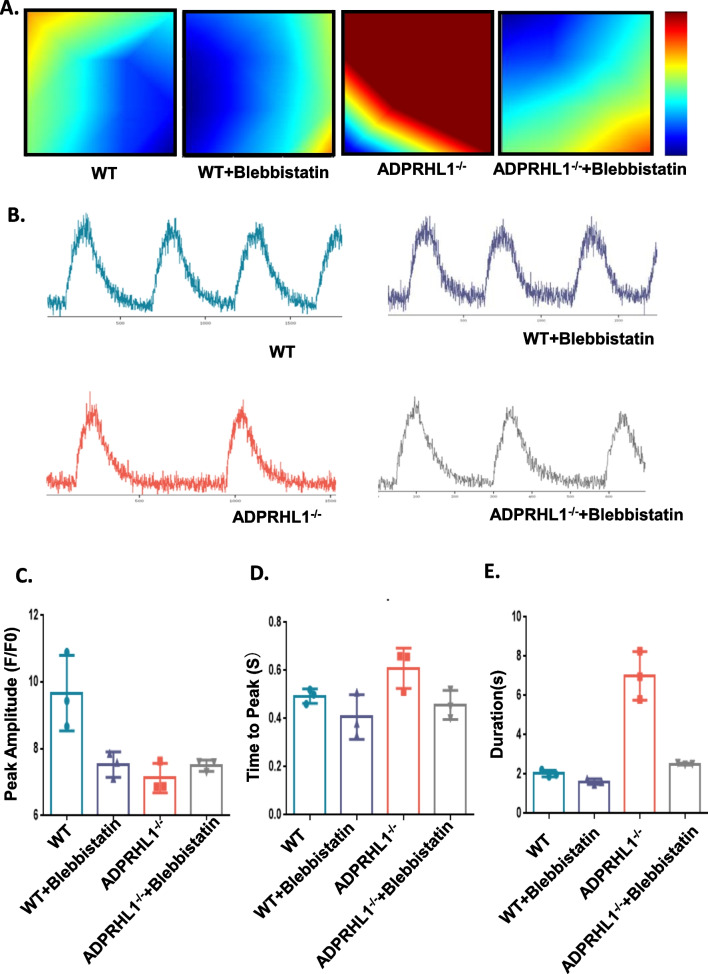
The results indicate that the absence of ADPRHL1 in cardiomyocytes led to adhered abnormally, as well as perturbations in calcium transients and electrophysiological activity. We also revealed that disruption of focal adhesion formation in these cardiomyocytes was due to an excessive upregulation of the ROCK-myosin II pathway. Notably, inhibition of ROCK and myosin II effectively restores focal adhesions in ADPRHL1-deficient cardiomyocytes and improved electrical conduction and calcium activity.
Our findings demonstrate that ADPRHL1 plays a critical role in maintaining the proper function of cardiomyocytes by regulating the ROCK-myosin II pathway, suggesting that it may serve as a potential drug target for the treatment of ADPRHL1-related diseases.
伪酶是活性酶中催化功能缺失的变体,具有广泛的调节功能。ADP-核糖基水解酶样 1(ADPRHL1)是一种属于一小类 ADP-核糖基水解酶的伪酶,缺乏催化活性所必需的氨基酸残基,根据积累的证据,它可能在心脏发育中发挥重要作用。然而,ADPRHL1 在这个过程中的具体功能尚未阐明。为了研究 ADPRHL1 在心脏中的作用,我们生成了第一个具有 ADPRHL1 敲除的体外人胚胎干细胞模型。
我们使用 CRISPR/Cas9 系统在人类胚胎干细胞(hESC)H9 系中生成 ADPRHL1 敲除。使用化学定义和无动物来源的方法将细胞分化为心肌细胞。我们使用共聚焦激光显微镜检测钙瞬变,使用微电极阵列(MEA)评估 ADPRHL1 缺乏型心肌细胞的电生理活性。此外,我们通过 Bulk RNA 测序和 Western blot 研究了 ADPRHL1 的细胞机制。
结果表明,心肌细胞中 ADPRHL1 的缺失导致细胞黏附异常,并扰乱钙瞬变和电生理活性。我们还揭示了这些心肌细胞中焦点黏附形成的破坏是由于 ROCK-肌球蛋白 II 途径的过度上调。值得注意的是,抑制 ROCK 和肌球蛋白 II 可有效恢复 ADPRHL1 缺陷型心肌细胞中的焦点黏附,并改善电传导和钙活性。
我们的研究结果表明,ADPRHL1 通过调节 ROCK-肌球蛋白 II 途径在维持心肌细胞的正常功能方面发挥着关键作用,提示它可能成为治疗 ADPRHL1 相关疾病的潜在药物靶点。