Department of Molecular Pathobiology, College of Dentistry, New York University, New York, NY 10010.
New York University Pain Research Center, New York, NY 10010.
Proc Natl Acad Sci U S A. 2023 Nov 21;120(47):e2305215120. doi: 10.1073/pnas.2305215120. Epub 2023 Nov 16.
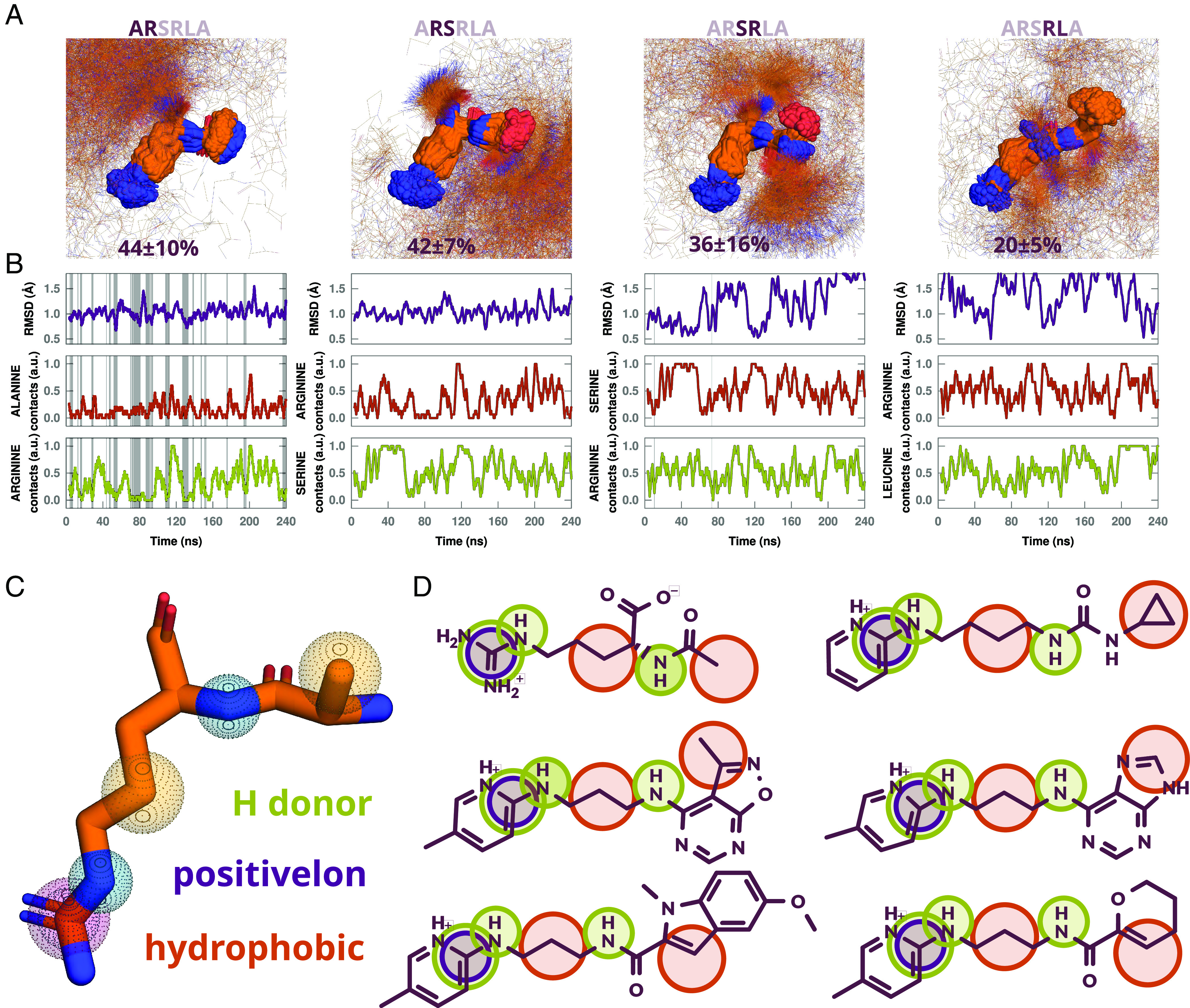
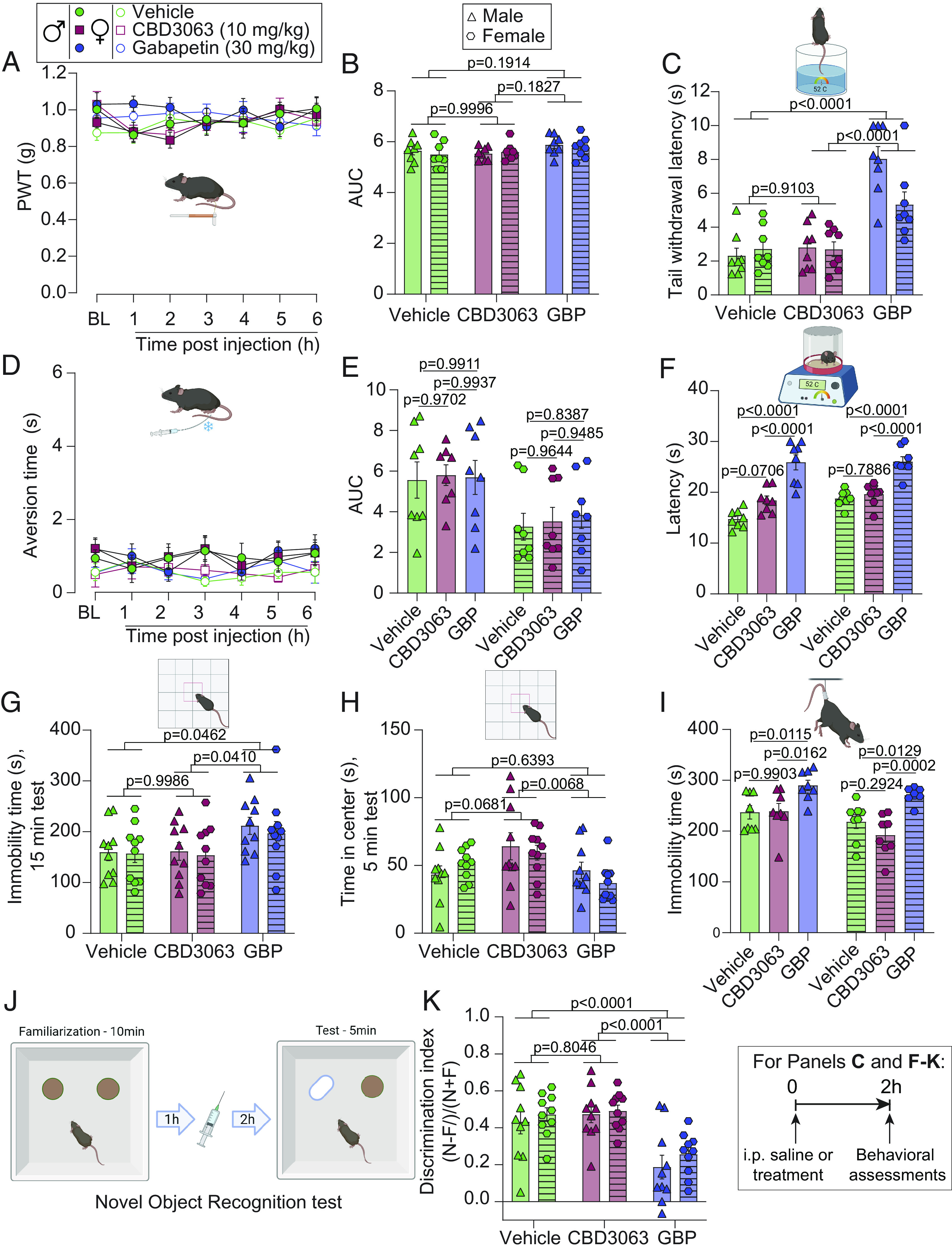
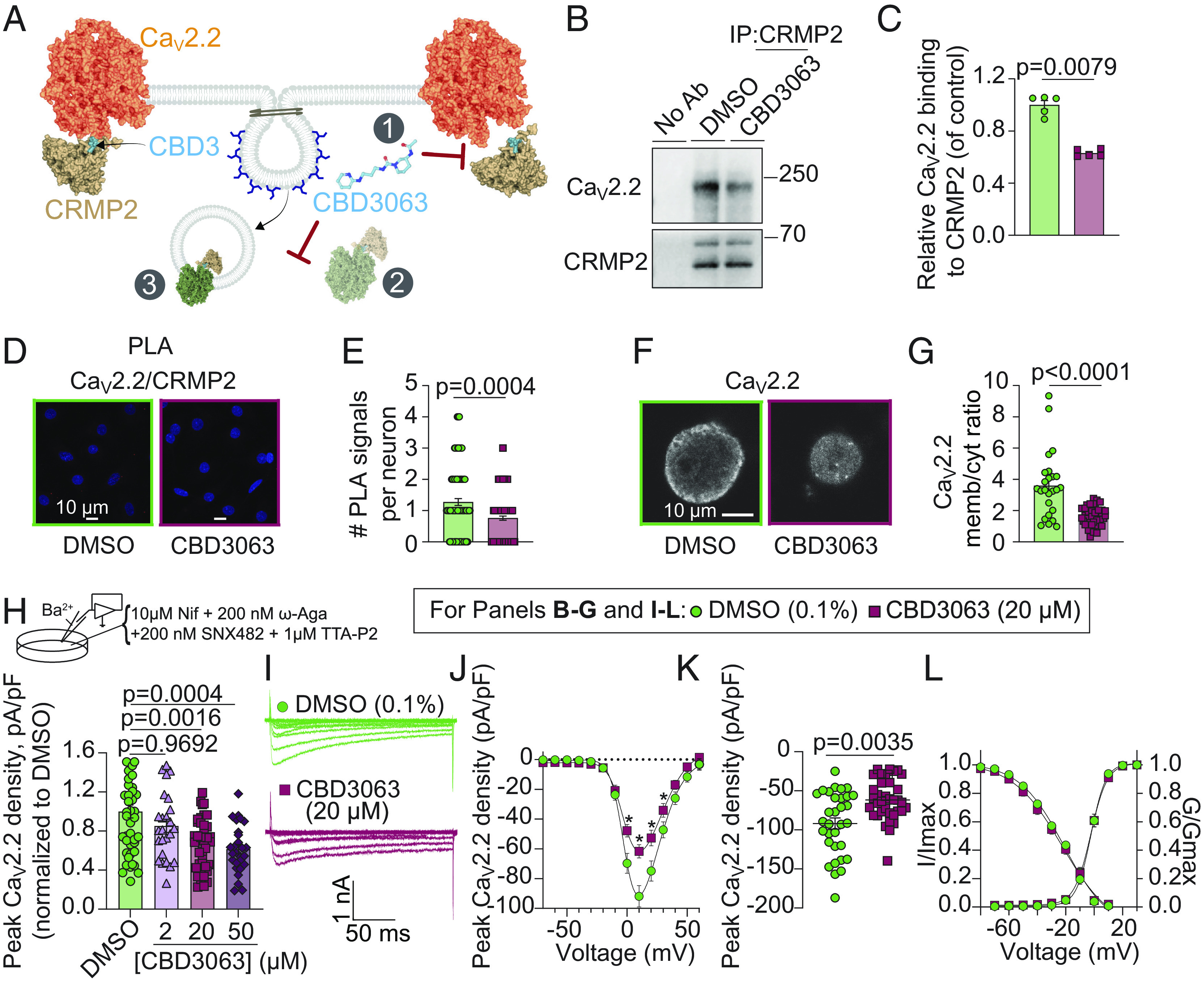
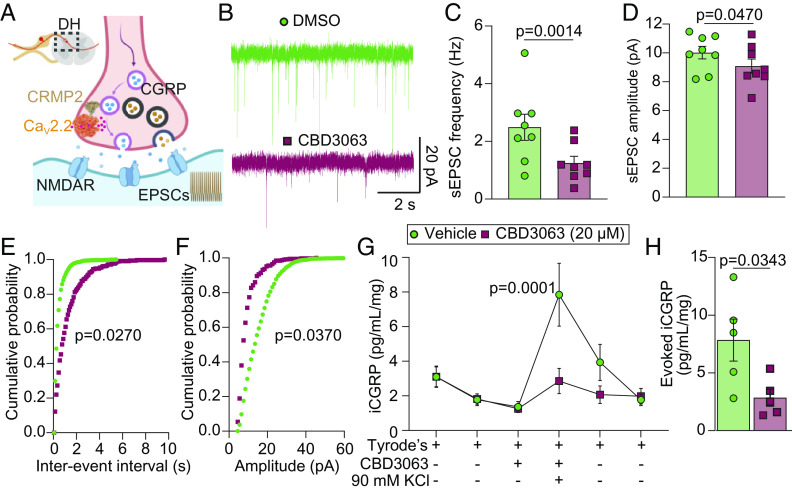
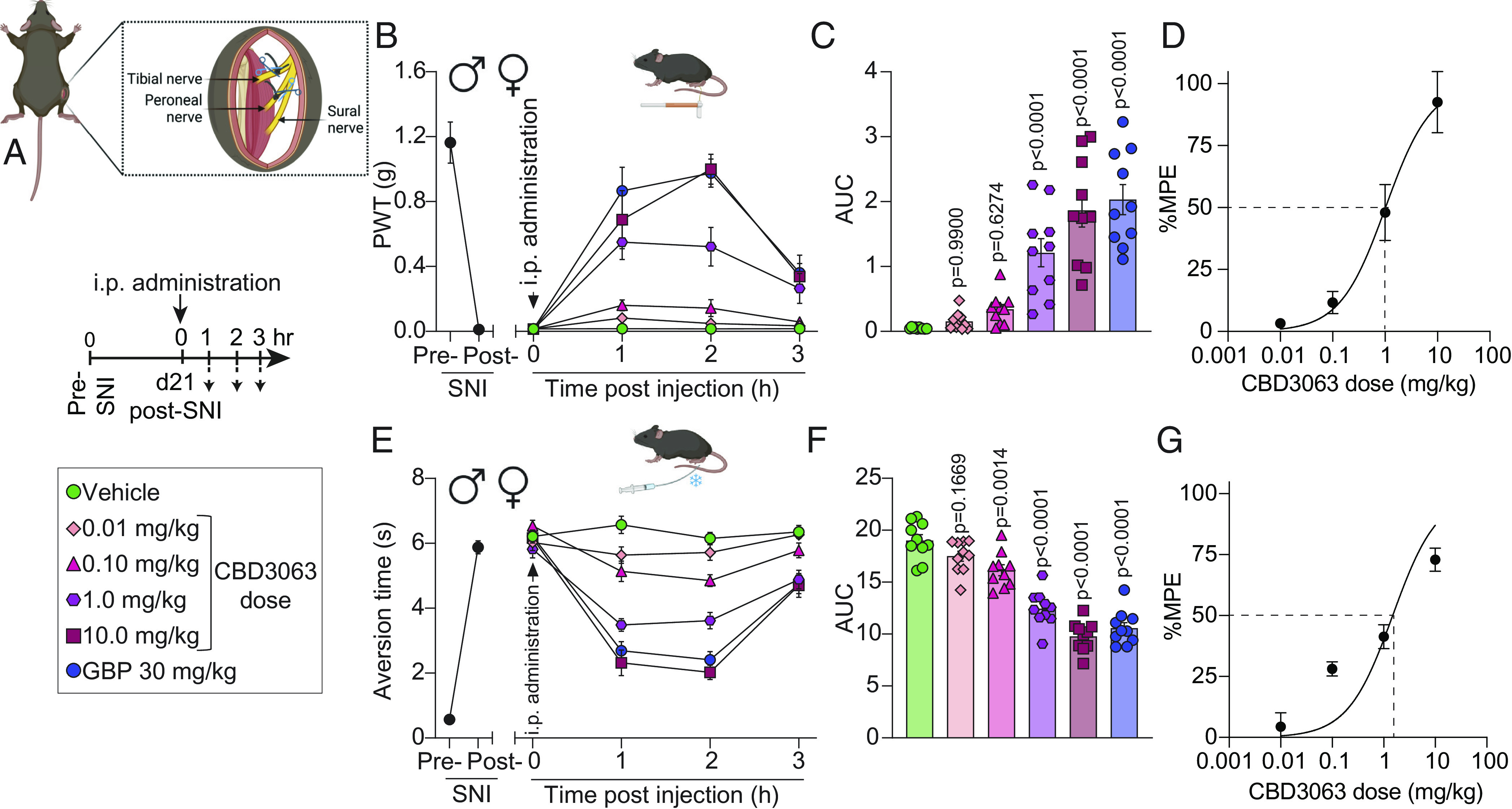
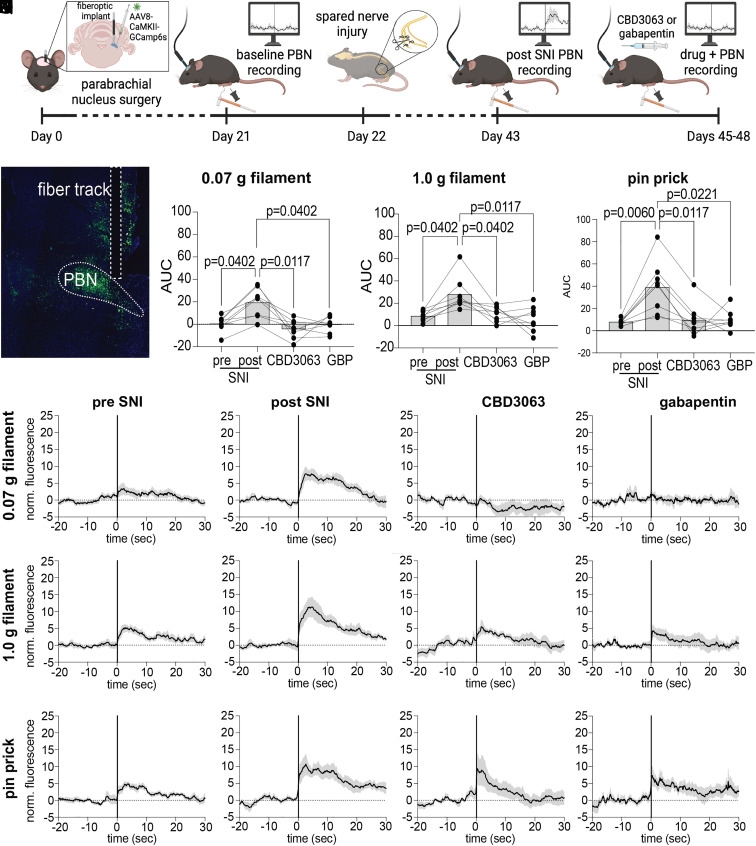
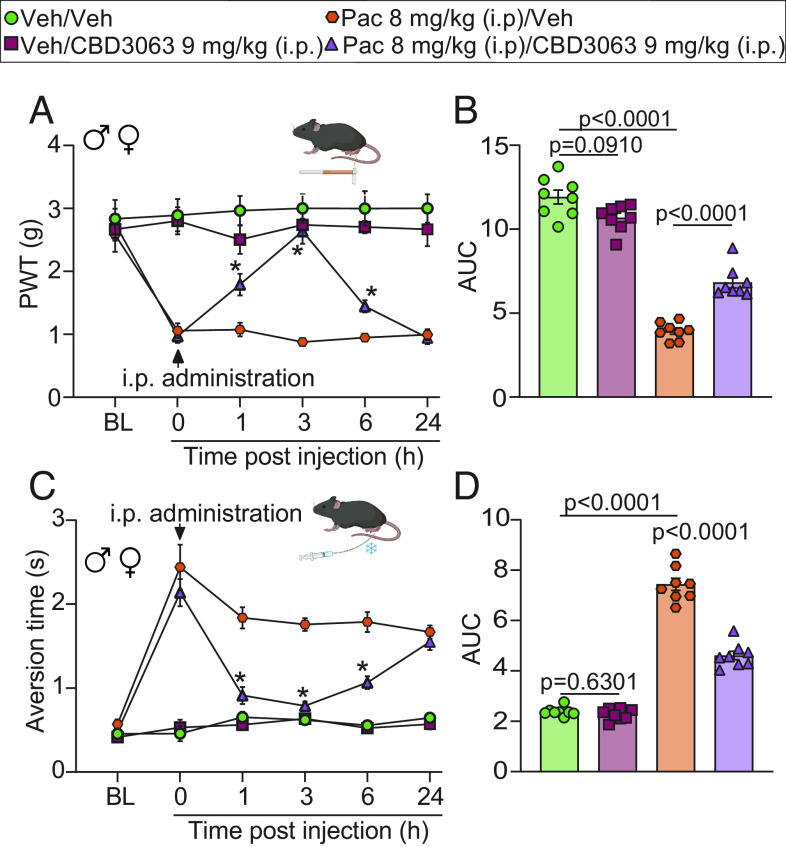
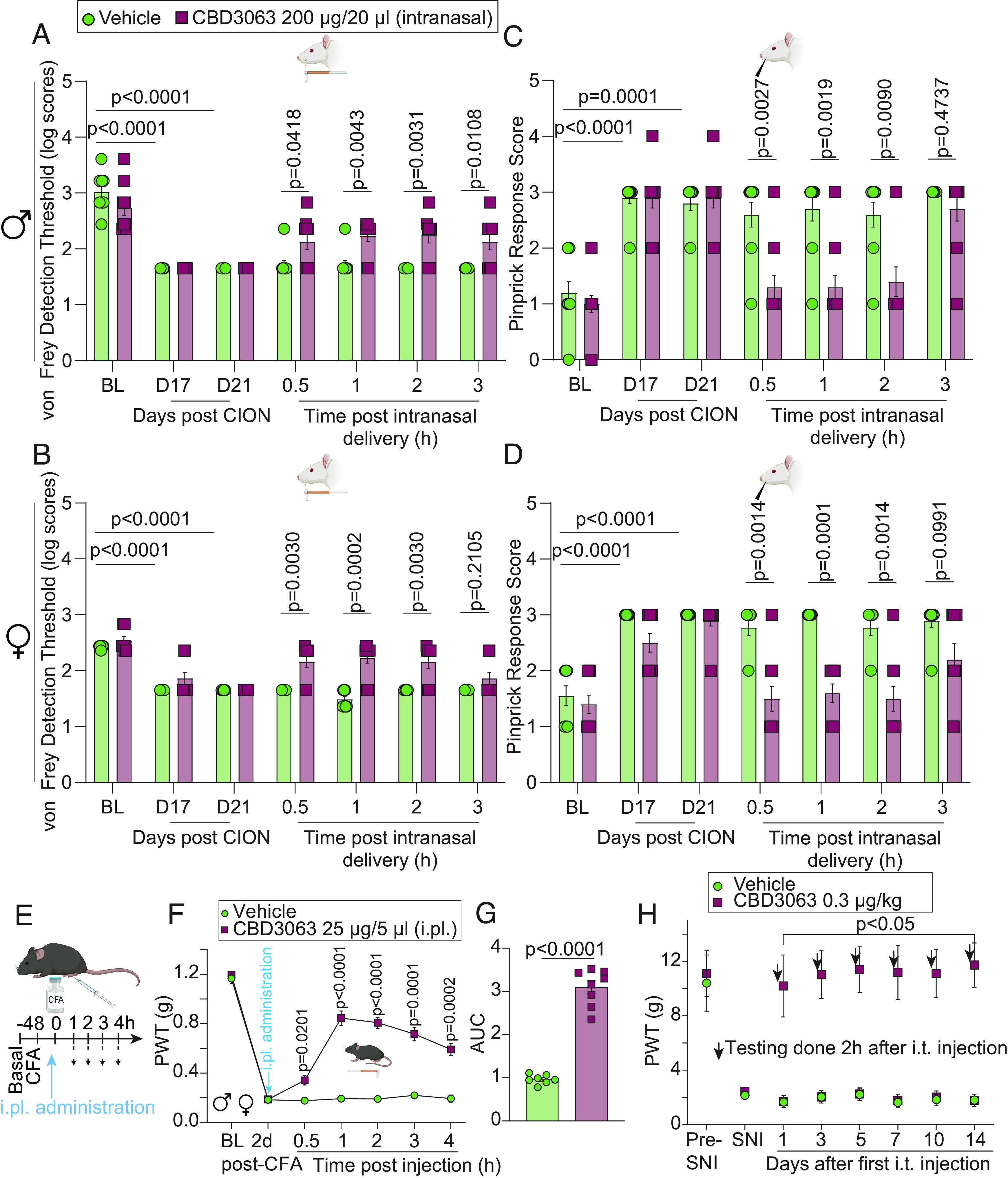
Transmembrane Ca2.2 (N-type) voltage-gated calcium channels are genetically and pharmacologically validated, clinically relevant pain targets. Clinical block of Ca2.2 (e.g., with Prialt/Ziconotide) or indirect modulation [e.g., with gabapentinoids such as Gabapentin (GBP)] mitigates chronic pain but is encumbered by side effects and abuse liability. The cytosolic auxiliary subunit collapsin response mediator protein 2 (CRMP2) targets Ca2.2 to the sensory neuron membrane and regulates their function via an intrinsically disordered motif. A CRMP2-derived peptide (CBD3) uncouples the Ca2.2-CRMP2 interaction to inhibit calcium influx, transmitter release, and pain. We developed and applied a molecular dynamics approach to identify the dipeptide in CBD3 as the anchoring Ca2.2 motif and designed pharmacophore models to screen 27 million compounds on the open-access server ZincPharmer. Of 200 curated hits, 77 compounds were assessed using depolarization-evoked calcium influx in rat dorsal root ganglion neurons. Nine small molecules were tested electrophysiologically, while one (CBD3063) was also evaluated biochemically and behaviorally. CBD3063 uncoupled Ca2.2 from CRMP2, reduced membrane Ca2.2 expression and Ca currents, decreased neurotransmission, reduced fiber photometry-based calcium responses in response to mechanical stimulation, and reversed neuropathic and inflammatory pain across sexes in two different species without changes in sensory, sedative, depressive, and cognitive behaviors. CBD3063 is a selective, first-in-class, CRMP2-based peptidomimetic small molecule, which allosterically regulates Ca2.2 to achieve analgesia and pain relief without negative side effect profiles. In summary, CBD3063 could potentially be a more effective alternative to GBP for pain relief.
跨膜 Ca2.2(N 型)电压门控钙通道在基因和药理学上均得到验证,是具有临床相关性的疼痛靶点。临床阻断 Ca2.2(例如,使用 Prialt/Ziconotide)或间接调节[例如,使用加巴喷丁类药物,如 Gabapentin(GBP)]可缓解慢性疼痛,但存在副作用和滥用倾向的问题。细胞质辅助亚基 collapsin 反应介质蛋白 2(CRMP2)将 Ca2.2 靶向感觉神经元膜,并通过无规卷曲基序调节其功能。CRMP2 衍生肽(CBD3)使 Ca2.2 与 CRMP2 解偶联,从而抑制钙内流、递质释放和疼痛。我们开发并应用了一种分子动力学方法来确定 CBD3 中的二肽是锚定 Ca2.2 基序,并设计了药效团模型来筛选开放访问服务器 ZincPharmer 上的 2700 万种化合物。在经过 200 次精心筛选后,有 77 种化合物在大鼠背根神经节神经元的去极化诱发钙内流中进行了评估。其中 9 种小分子进行了电生理测试,而一种(CBD3063)还进行了生化和行为评估。CBD3063 使 Ca2.2 与 CRMP2 解偶联,减少了膜 Ca2.2 表达和 Ca 电流,降低了神经递质释放,减少了基于纤维光度法的机械刺激引起的钙反应,并在两种不同物种的两性中逆转了神经性和炎性疼痛,而没有改变感觉、镇静、抑郁和认知行为。CBD3063 是一种选择性的、首创的基于 CRMP2 的肽模拟小分子,它通过变构调节 Ca2.2 来实现镇痛和缓解疼痛,而没有负面的副作用特征。总之,CBD3063 可能是一种比 GBP 更有效的疼痛缓解替代药物。