
较高播种量扩大了宽带播种对冬小麦冠层辐射捕获、分配及利用效率的影响。
Higher Seed Rates Enlarge Effects of Wide-Belt Sowing on Canopy Radiation Capture, Distribution, and Use Efficiency in Winter Wheat.
作者信息
Li Wen, Xiong Yulei, Tong Jin, Lin Wen, Xue Jianfu, Wang Yuechao, Gao Zhiqiang
机构信息
College of Agriculture, Shanxi Agricultural University, Jinzhong 030801, China.
出版信息
Plants (Basel). 2024 Mar 29;13(7):986. doi: 10.3390/plants13070986.
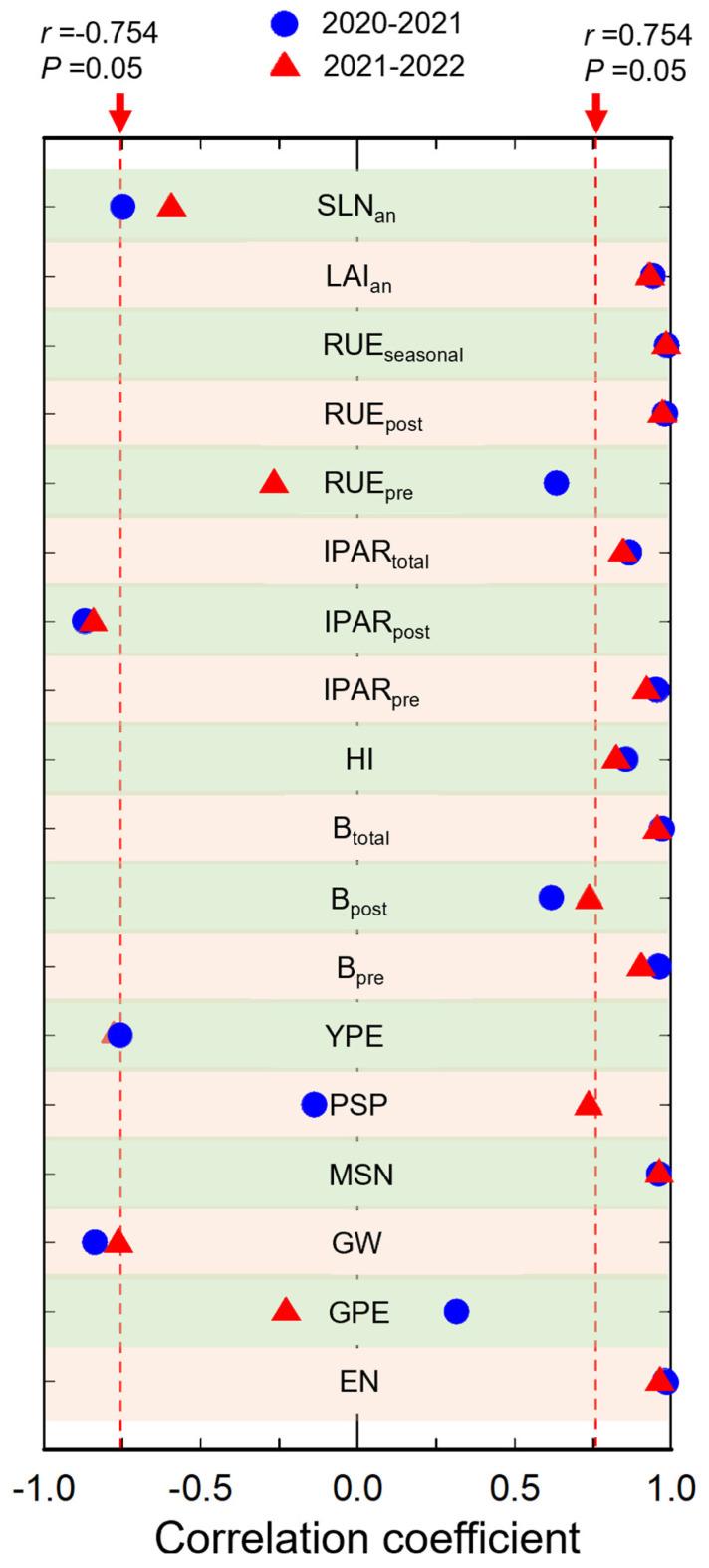
The optimized winter wheat sowing method comprising wide-belt sowing (WBS) can improve the ears number and biomass to increase the grain yield, compared with conventional narrow-drill sowing (NDS). The seed rate and the interaction between the sowing method and seed rate also affect yield formation. However, the effects of the sowing method and seed rate, as well as their interaction on biomass production, particularly the interception of solar radiation (ISR) and radiation use efficiency (RUE), are unclear. A field experiment was conducted for two seasons in southern Shanxi province, China, using a split-plot design with sowing method as the main plot (WBS and NDS) and seed rate as the sub-plot (100-700 m). Our results showed that while WBS had a significant and positive effect, increasing the yield by 4.7-15.4%, the mechanism differed between seed rates. Yield increase by WBS was mainly attributed to the increase in total biomass resulting from both the promoted pre- and post-anthesis biomass production, except that only the increase in post-anthesis biomass mattered at the lowest seed rate (100 m). The higher biomass was attributed to the increased ISR before anthesis. After anthesis, the increased ISR contributed mainly to the increased biomass at low seed rates (100 and 200 m). In contrast, the increased RUE, resulting from the enhanced radiation distribution within canopy and LAI, contributed to the higher post-anthesis biomass at medium and high seed rates (400 to 700 m). The greatest increases in total biomass, pre-anthesis ISR, and post-anthesis RUE by WBS were all achieved at 500 seed m, thereby obtaining the highest yield. In summary, WBS enhanced grain yield by increasing ISR before anthesis and improving RUE after anthesis, and adopting relatively higher seed rates (400-500 m) was necessary for maximizing the positive effect of WBS, and thus the higher wheat yield.
与传统窄条播(NDS)相比,包括宽带播种(WBS)在内的优化冬小麦播种方法能够增加穗数和生物量,从而提高籽粒产量。播种量以及播种方法与播种量之间的相互作用也会影响产量形成。然而,播种方法和播种量及其相互作用对生物量生产的影响,尤其是对太阳辐射截获量(ISR)和辐射利用效率(RUE)的影响尚不清楚。在中国山西省南部进行了为期两个季节的田间试验,采用裂区设计,以播种方法为主区(WBS和NDS),播种量为副区(100 - 700 m)。我们的结果表明,虽然WBS有显著的正向影响,使产量提高了4.7 - 15.4%,但其机制在不同播种量下有所不同。WBS导致的产量增加主要归因于抽穗前后生物量生产的促进,从而使总生物量增加,但在最低播种量(100 m)时,仅抽穗后生物量的增加起作用。较高的生物量归因于抽穗前ISR的增加。抽穗后,ISR的增加主要导致低播种量(100和200 m)下生物量的增加。相比之下,冠层内辐射分布和叶面积指数(LAI)的增强导致RUE增加,这促成了中高播种量(400至700 m)下抽穗后生物量的增加。WBS使总生物量、抽穗前ISR和抽穗后RUE增加最多的情况均出现在播种量为500粒/m时,从而获得了最高产量。总之,WBS通过增加抽穗前的ISR和提高抽穗后的RUE来提高籽粒产量,采用相对较高的播种量(400 - 500 m)对于最大化WBS的积极作用以及提高小麦产量是必要的。



 Zotero 插件