
性别确认阴道成形术中用于构建新阴道管的组织选择
Tissue Options for Construction of the Neovaginal Canal in Gender-Affirming Vaginoplasty.
作者信息
Bene Nicholas C, Ferrin Peter C, Xu Jing, Dy Geolani W, Dugi Daniel, Peters Blair R
机构信息
Division of Plastic and Reconstructive Surgery, Oregon Health and Science University, Portland, OR 97239, USA.
Transgender Health Program, Oregon Health and Science University, Portland, OR 97239, USA.
出版信息
J Clin Med. 2024 May 8;13(10):2760. doi: 10.3390/jcm13102760.
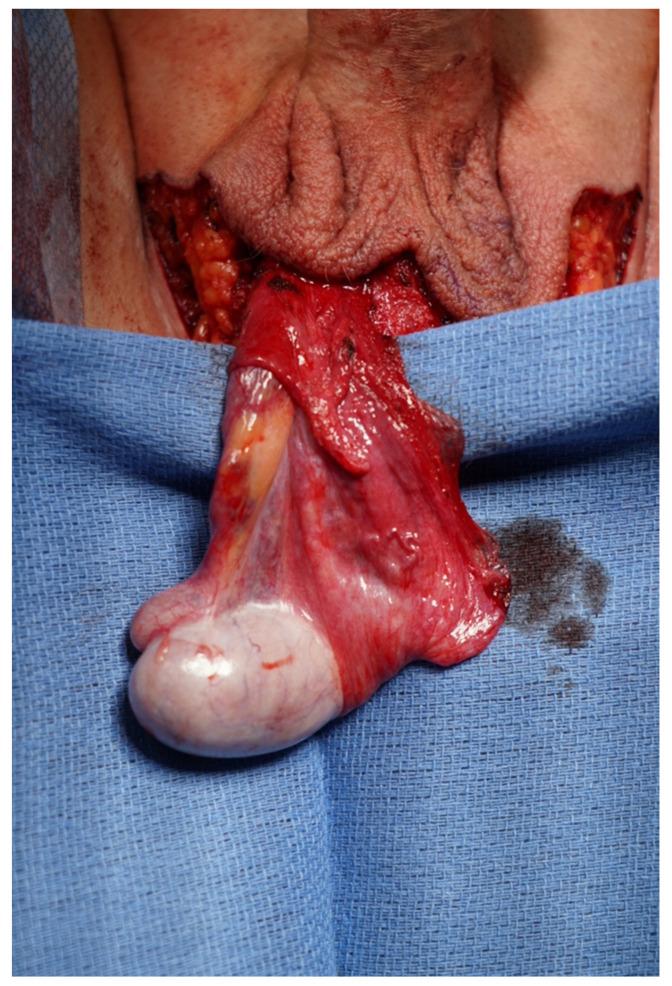
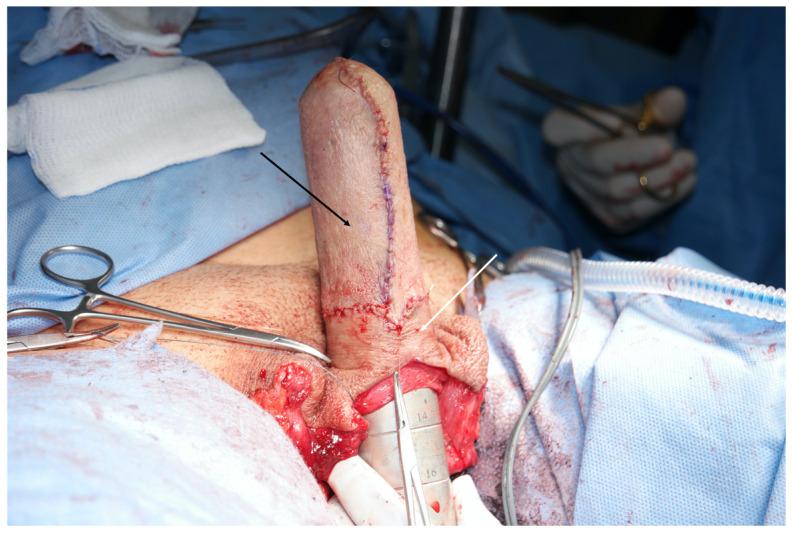
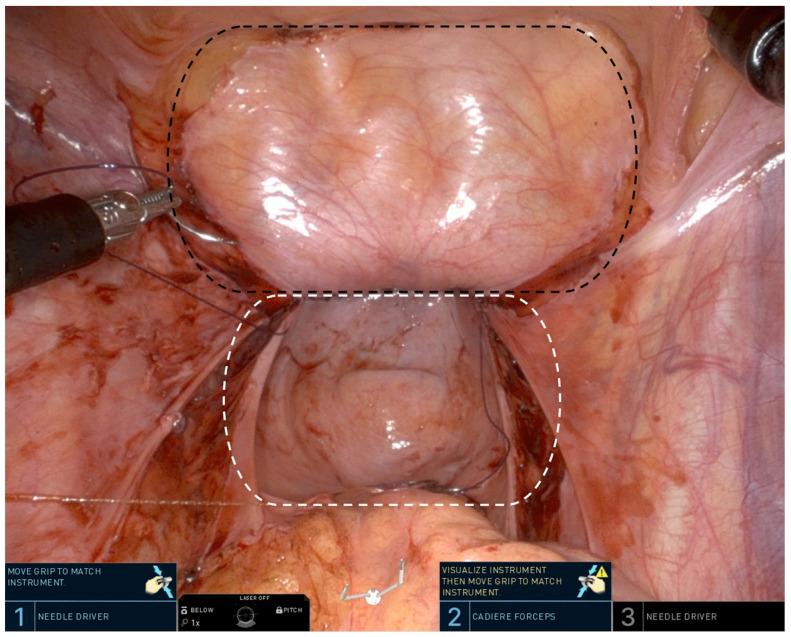
Gender-affirming vaginoplasty (GAV) comprises the construction of a vulva and a neovaginal canal. Although technical nuances of vulvar construction vary between surgeons, vulvar construction is always performed using the homologous penile and scrotal tissues to construct the corresponding vulvar structures. Therefore, the main differentiating factor across gender-affirming vaginoplasty techniques is the tissue that is utilized to construct the neovaginal canal. These tissue types vary markedly in their availability, histology, and ease of harvest and have different advantages and disadvantages to their use as neovaginal lining. In this narrative review, the authors provide a comprehensive overview of the tissue types and associated operative approaches used for construction of the neovagina in GAV. Tissue choice is guided by several factors, such as histological similarity to natal vaginal mucosa, tissue availability, lubrication potential, additional donor site morbidity, and the specific goals of each patient. Skin is used to construct the neovagina in most cases with a combination of pedicled penile skin flaps and scrotal and extra-genital skin grafts. However, skin alternatives such as peritoneum and intestine are increasing in use. Peritoneum and intestine are emerging as options for primary vaginoplasty in cases of limited genital skin or revision vaginoplasty procedures. The increasing number of gender-affirming vaginoplasty procedures performed and the changing patient demographics from factors such as pubertal suppression have resulted in rapidly evolving indications for the use of these differing vaginoplasty techniques. This review sheds light on the use of less frequently utilized tissue types described for construction of the neovaginal canal, including mucosal tissues such as urethral and buccal mucosa, the tunica vaginalis, and dermal matrix allografts and xenografts. Although the body of evidence for each vaginoplasty technique is growing, there is a need for large prospective comparison studies of outcomes between these techniques and the tissue types used to line the neovaginal canal to better define indications and limitations.
性别肯定性阴道成形术(GAV)包括外阴和新阴道管的构建。尽管不同外科医生在外阴构建的技术细节上存在差异,但外阴构建总是使用同源的阴茎和阴囊组织来构建相应的外阴结构。因此,性别肯定性阴道成形术技术之间的主要区别因素是用于构建新阴道管的组织。这些组织类型在可用性、组织学以及获取的难易程度上有显著差异,并且作为新阴道内衬使用时具有不同的优缺点。在这篇叙述性综述中,作者全面概述了用于GAV中新阴道构建的组织类型及相关手术方法。组织选择受多种因素指导,如与原生阴道黏膜的组织学相似性、组织可用性、润滑潜力、额外供体部位的发病率以及每位患者的特定目标。在大多数情况下,皮肤用于构建新阴道,采用带蒂阴茎皮瓣与阴囊及生殖器外皮肤移植相结合的方法。然而,诸如腹膜和肠道等皮肤替代物的使用正在增加。在生殖器皮肤有限或进行阴道成形术修复的情况下,腹膜和肠道正成为原发性阴道成形术的选择。性别肯定性阴道成形术手术数量的增加以及诸如青春期抑制等因素导致的患者人口统计学变化,使得这些不同阴道成形术技术的使用指征迅速演变。本综述阐明了用于构建新阴道管的较少使用的组织类型的应用,包括尿道和颊黏膜等黏膜组织、睾丸鞘膜以及真皮基质同种异体移植物和异种移植物。尽管每种阴道成形术技术的证据越来越多,但仍需要对这些技术与用于新阴道内衬的组织类型之间的结果进行大型前瞻性比较研究,以更好地确定指征和局限性。
 Zotero 插件