
小眼球合并内斜视的手术治疗
Surgery for Esotropia in a Case of Nanophthalmos.
作者信息
Negishi Takashi, Nakao Shintaro
机构信息
Department of Ophthalmology, Juntendo University Faculty of Medicine, Tokyo, JPN.
出版信息
Cureus. 2024 Jul 3;16(7):e63728. doi: 10.7759/cureus.63728. eCollection 2024 Jul.
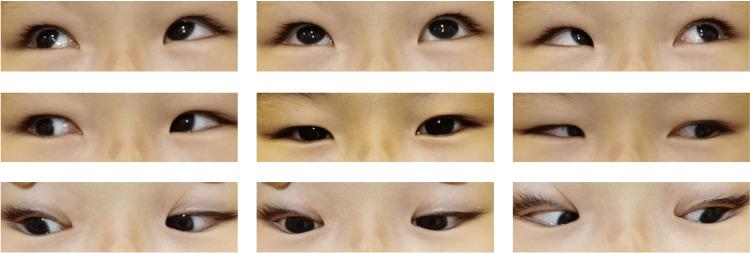
Nanophthalmos, characterized by an abnormally small ocular globe, presents significant challenges in the management of strabismus due to its unique anatomical constraints. This detailed case report highlights the intricacies and outcomes of strabismus surgery in a patient with nanophthalmos, providing valuable insights into the surgical considerations and adaptations required for this rare condition. The subject of this case, a young girl diagnosed with esotropia and high hyperopia, underwent unilateral medial rectus muscle recession in an attempt to correct her esotropia. Despite the careful surgical approach and postoperative management, a two-year follow-up revealed a limited response to the intervention, with improvements in visual acuity but continued presence of esotropia and lack of stereopsis development. This case sheds light on several key considerations in the surgical treatment of strabismus in nanophthalmos patients, including the potential for reduced surgical effectiveness due to the small globe size, the importance of accurate preoperative assessment, and the challenges in predicting surgical outcomes. Additionally, it discusses the implications of these findings for future surgical planning, the potential need for revision surgeries, and the broader research context, emphasizing the necessity for a deeper understanding of the biomechanical and anatomical particularities of nanophthalmos in the context of strabismus surgery. The report concludes with recommendations for improving surgical strategies and patient outcomes, advocating for more comprehensive studies and a tailored approach to treating strabismus in individuals with nanophthalmos.
小眼球症以眼球异常小为特征,由于其独特的解剖学限制,在斜视治疗中带来了重大挑战。这份详细的病例报告突出了一名小眼球症患者斜视手术的复杂性及结果,为这种罕见病症所需的手术考量和调整提供了宝贵见解。该病例的患者是一名被诊断为内斜视和高度远视的年轻女孩,接受了单侧内直肌后徙术以试图矫正她的内斜视。尽管手术操作谨慎且术后管理得当,但两年的随访显示干预效果有限,视力有所改善,但内斜视依然存在且缺乏立体视发育。该病例揭示了小眼球症患者斜视手术治疗中的几个关键考量因素,包括由于眼球过小可能导致手术效果降低、术前准确评估的重要性以及预测手术结果的挑战。此外,它还讨论了这些发现对未来手术规划、再次手术的潜在需求以及更广泛研究背景的影响,强调在斜视手术背景下深入了解小眼球症生物力学和解剖学特殊性的必要性。报告最后提出了改善手术策略和患者预后的建议,倡导进行更全面的研究以及采用量身定制的方法来治疗小眼球症患者的斜视。


 Zotero 插件