Cheng Junyao, Xu Linlin, Xuan Yanlu, Zhou Feifei, Huang Aidi, Zeng Shaopeng, Wang Hailong, Wang Yiting, Zhan Yuan, Yan Xiaohua, Luo Shiwen, Liu Yuan, Cheng Minzhang
Center for Experimental Medicine, The MOE Basic Research and Innovation Center for the Targeted Therapeutics of Solid Tumors, the First Affiliated Hospital, Jiangxi Medical College, Nanchang University, Nanchang, Jiangxi, China.
Jiangxi Provincial Key Laboratory of Respiratory Diseases, Jiangxi Institute of Respiratory Diseases, The Department of Respiratory and Critical Care Medicine, the First Affiliated Hospital, Jiangxi Medical College, Nanchang University, Nanchang, Jiangxi, China.
Cell Death Discov. 2024 Aug 20;10(1):369. doi: 10.1038/s41420-024-02147-4.
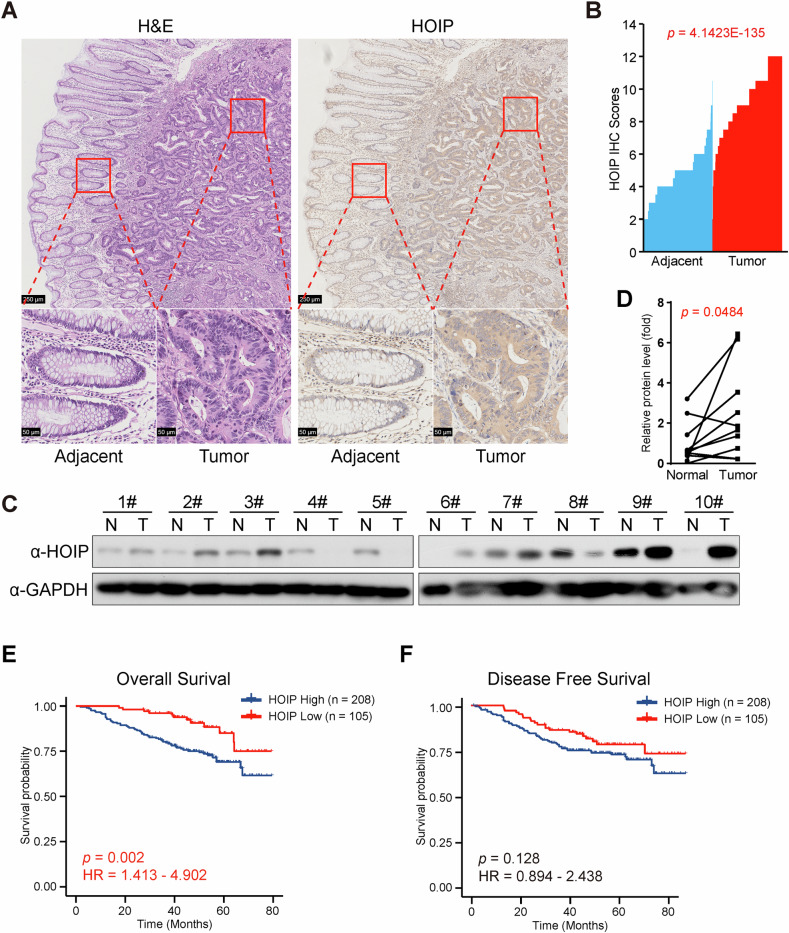
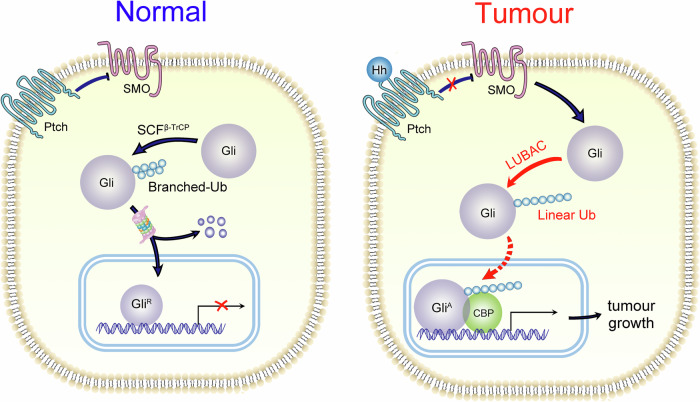
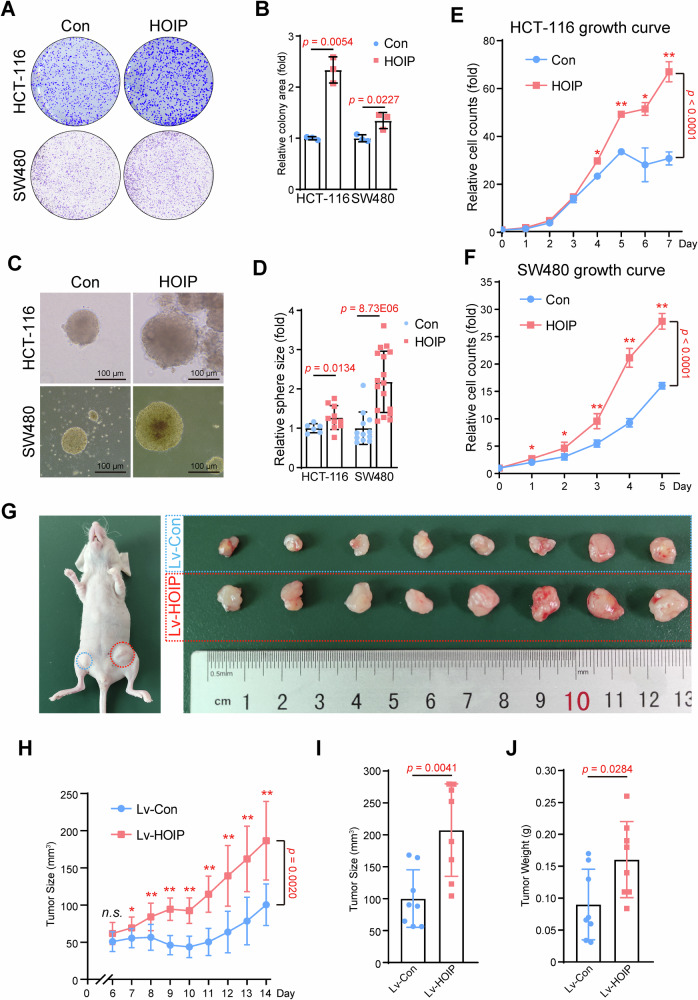
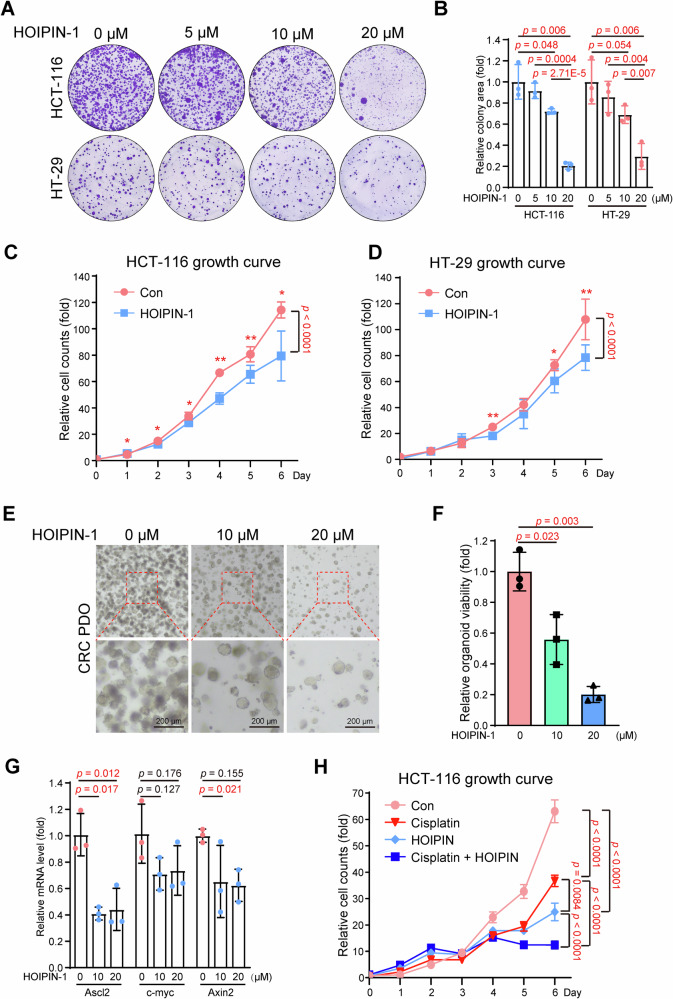
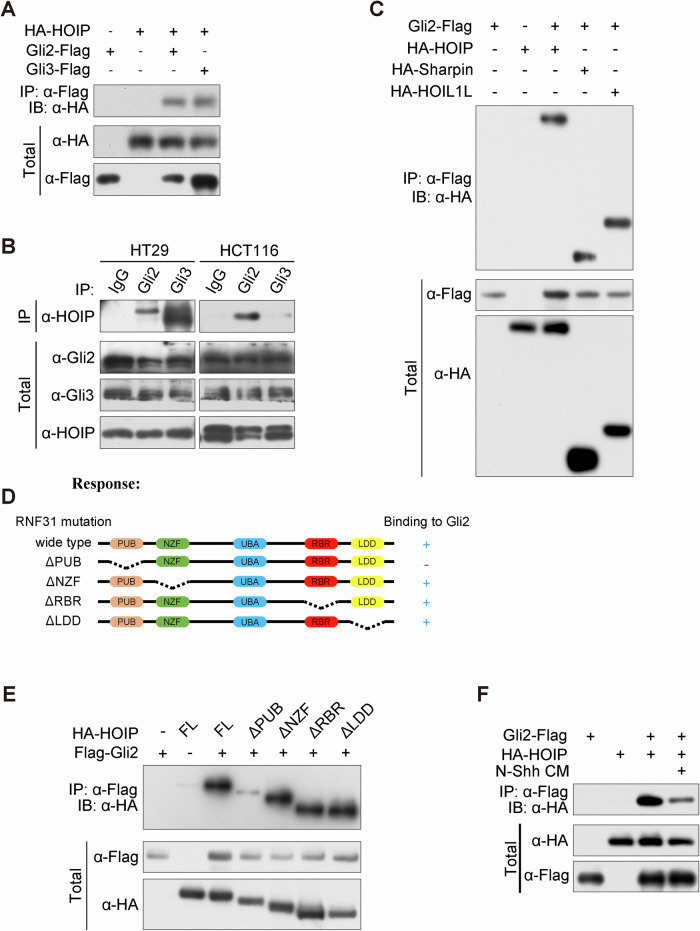
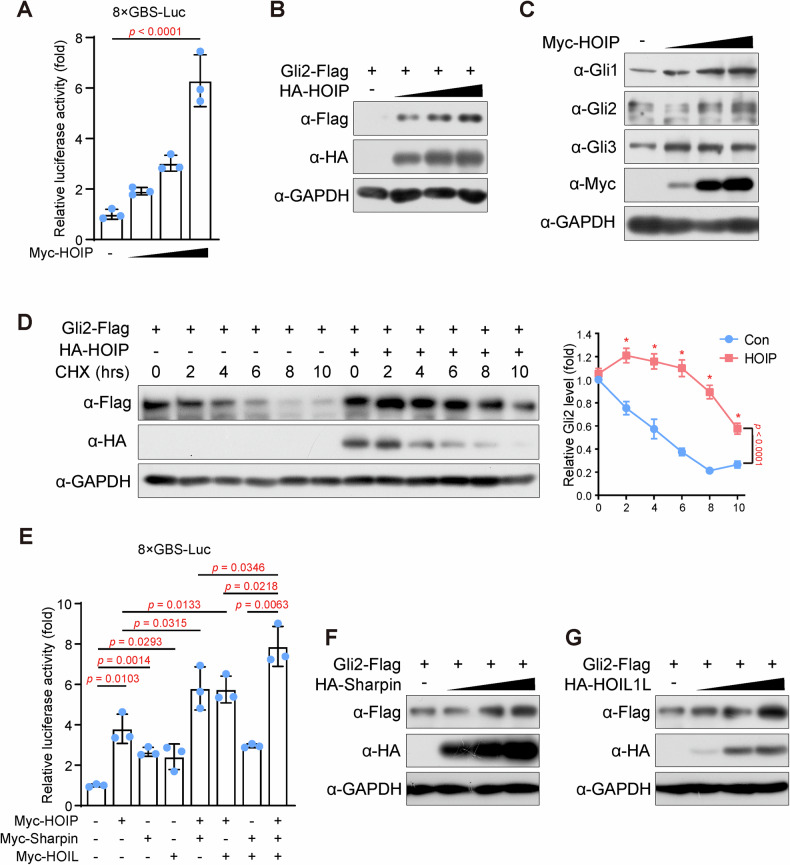
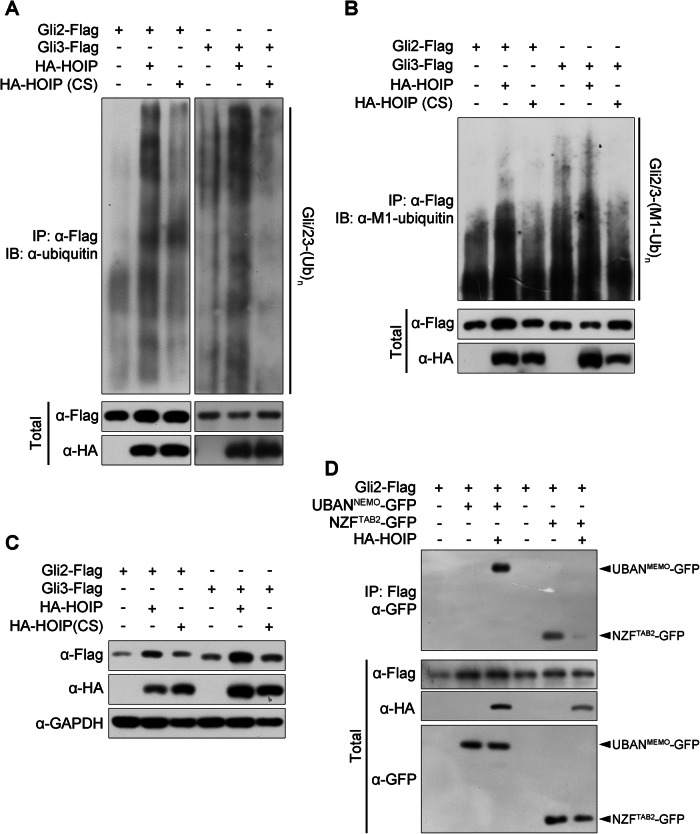
The linear ubiquitin chain assembly complex (LUBAC) mediates the linear ubiquitination of various proteins and is involved in NF-κB signaling and immune regulation. However, the function and mechanism of linear ubiquitination in regulating oncogenic signaling and tumor growth have remained poorly understood. Herein, we identified Gli proteins, key transcription factors in the Hedgehog (Hh) signaling pathway, as novel substrates of LUBAC. Linear ubiquitination stabilizes Gli proteins, leading to the noncanonical activation of Hh signaling in CRC cells. Furthermore, LUBAC facilitates tumor growth in CRC cells. Additionally, elevated expression of LUBAC components in CRC tissues was observed, and higher expression levels of these components correlated with poor prognosis in CRC patients. Interestingly, inhibition of LUBAC using either a small molecule agonist or RNA silencing specifically suppressed cell growth in CRC cells but had no effect on normal intestinal cells. Taken together, aberrant expression of LUBAC components activates Hh signaling noncanonically by mediating linear ubiquitination, promoting tumor growth in CRC, demonstrating the novel function of linear ubiquitination in regulating the protein stability of its substrates and highlighting the potential of targeting LUBAC as a therapeutic strategy in CRC.
线性泛素链组装复合体(LUBAC)介导多种蛋白质的线性泛素化,并参与核因子κB信号传导和免疫调节。然而,线性泛素化在调节致癌信号传导和肿瘤生长中的功能及机制仍知之甚少。在此,我们确定了刺猬(Hh)信号通路中的关键转录因子Gli蛋白是LUBAC的新底物。线性泛素化使Gli蛋白稳定,导致结直肠癌细胞中Hh信号通路的非经典激活。此外,LUBAC促进结直肠癌细胞的肿瘤生长。另外,观察到结直肠癌组织中LUBAC组分的表达升高,且这些组分的较高表达水平与结直肠癌患者的不良预后相关。有趣的是,使用小分子激动剂或RNA沉默抑制LUBAC可特异性抑制结直肠癌细胞的生长,但对正常肠细胞无影响。综上所述,LUBAC组分的异常表达通过介导线性泛素化非经典地激活Hh信号通路,促进结直肠癌的肿瘤生长,证明了线性泛素化在调节其底物蛋白质稳定性中的新功能,并突出了将靶向LUBAC作为结直肠癌治疗策略的潜力。