Department of Anthropology, The Pennsylvania State University, University Park, United States of America.
Laboratory of Archaeology, University of Georgia, Athens, United States of America.
Nat Commun. 2024 Sep 20;15(1):8245. doi: 10.1038/s41467-024-52597-8.
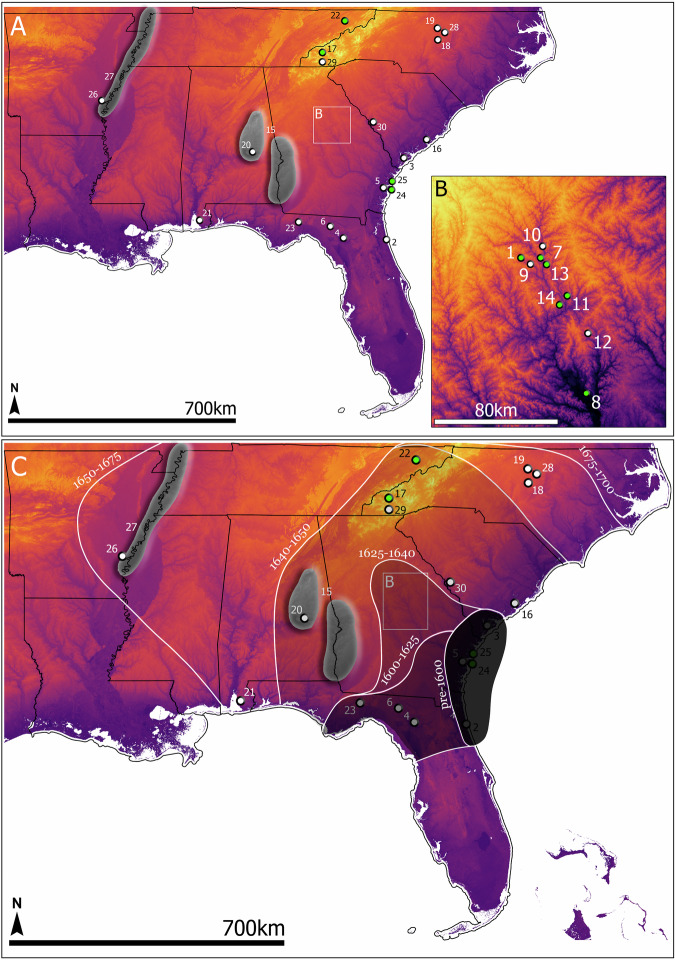
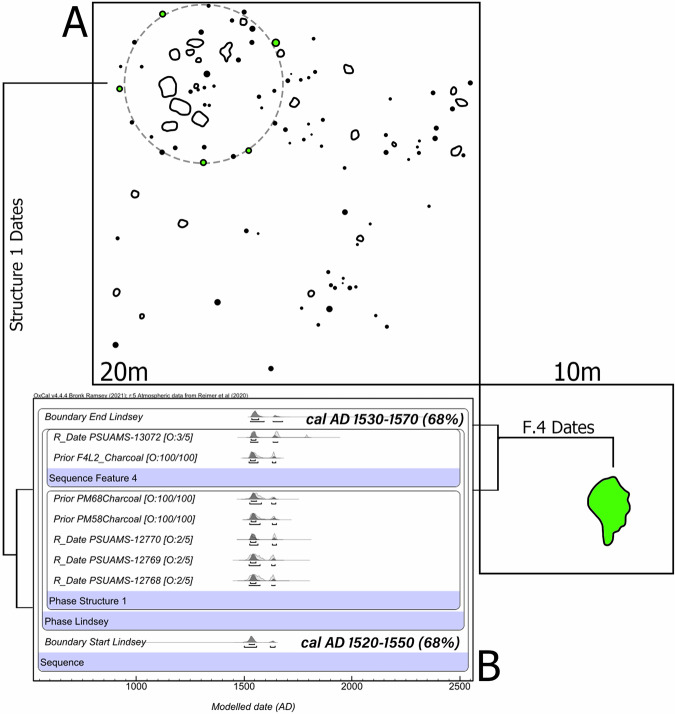
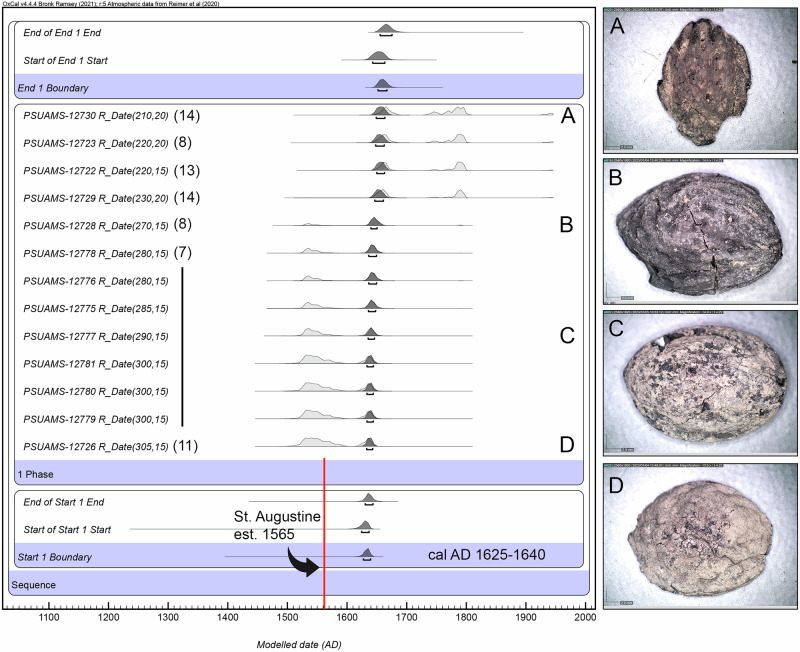
We conduct a synthetic archaeological and ethnohistoric dating program to assess the timing and tempo of the spread of peaches, the first Eurasian domesticate to be adopted across Indigenous eastern North America, into the interior American Southeast by Indigenous communities who quickly "Indigenized" the fruit. In doing so, we present what may be the earliest absolute dates for archaeological contexts containing preserved peach pits in what is today the United States in the early to mid-16 century. Along with our broader chronological modeling, these early dates suggest that peaches were likely in the interior prior to permanent Spanish settlement in the American Southeast and that peaches spread independently of interactions with Spanish colonizers. We further argue that that eventual spread of peaches was structured exclusively by Indigenous communities and the ecologies produced through long-term Indigenous land management and land use practices, highlighting and centering the agency of Indigenous societies in the socioecological process of colonization.
我们进行了一项综合考古学和民族历史学的年代测定计划,以评估桃子在北美东部原住民中的传播时间和速度,这些原住民社区迅速将这种水果“本土化”。桃子是第一个被引入到美国东南部的欧亚大陆的农作物。通过这种方式,我们提供了在 16 世纪早期至中期,美国境内可能是最早的含有保存完好的桃核的考古背景的绝对日期。结合我们更广泛的年代建模,这些早期的日期表明,在西班牙人永久定居美国东南部之前,桃子可能已经在内地存在,而且桃子的传播与与西班牙殖民者的互动是独立的。我们进一步认为,桃子的最终传播完全是由原住民社区以及通过长期的原住民土地管理和土地使用实践所产生的生态系统来构建的,这突出并强调了原住民社会在殖民化的社会生态过程中的能动性。