
通过污水测序进行具有空间分辨率的公共卫生监测。
Towards geospatially-resolved public-health surveillance via wastewater sequencing.
机构信息
Department of Physiology and Biophysics, Weill Cornell Medicine, New York, NY, USA.
The HRH Prince Alwaleed Bin Talal Bin Abdulaziz Alsaud Institute for Computational Biomedicine, Weill Cornell Medicine, New York, NY, USA.
出版信息
Nat Commun. 2024 Sep 27;15(1):8386. doi: 10.1038/s41467-024-52427-x.
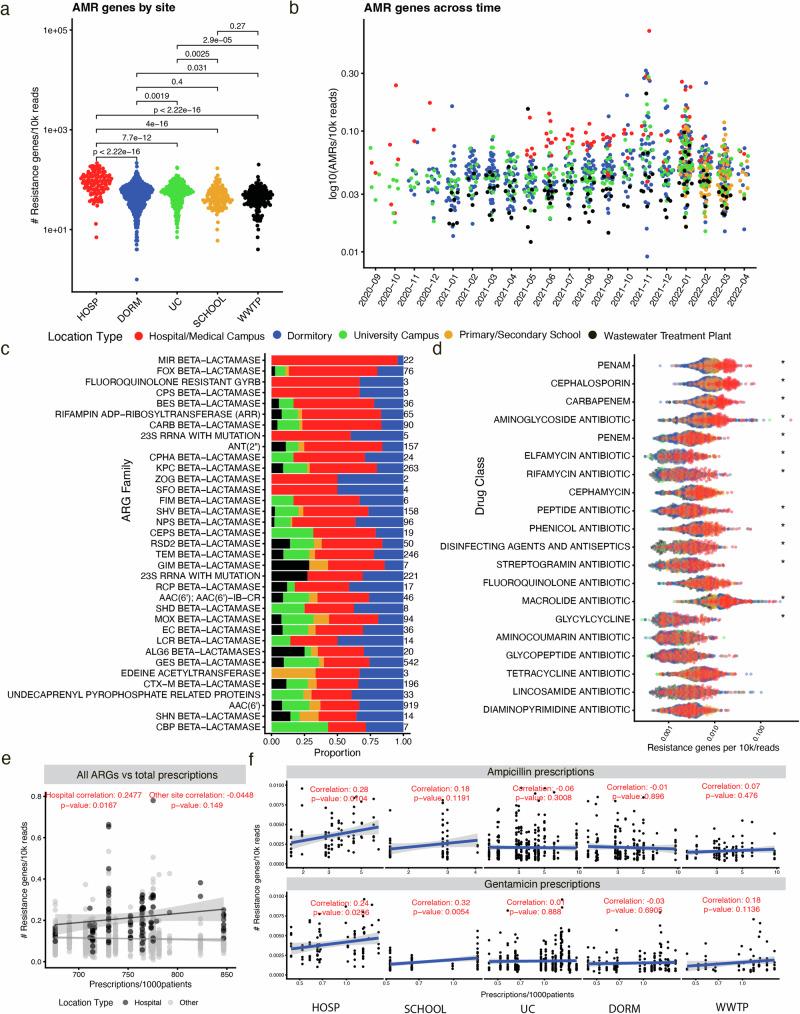
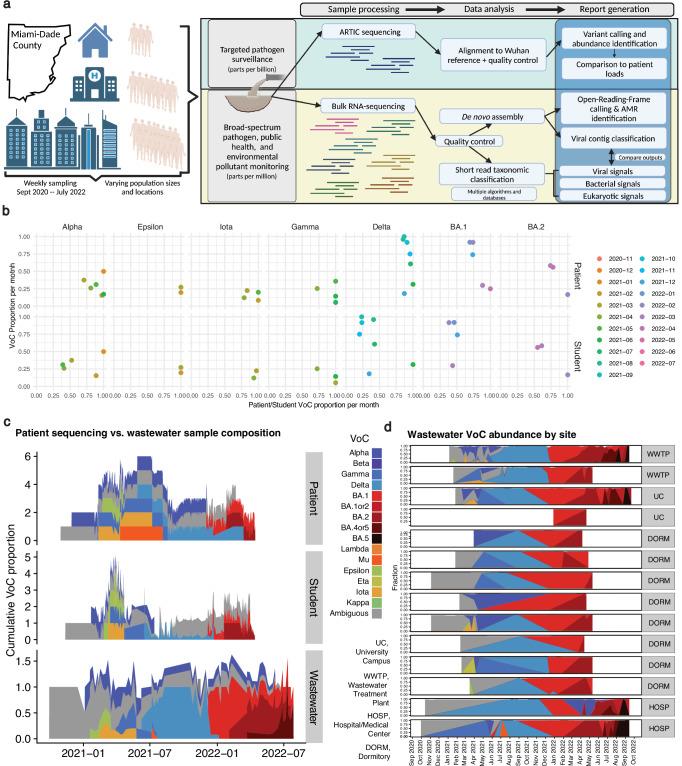
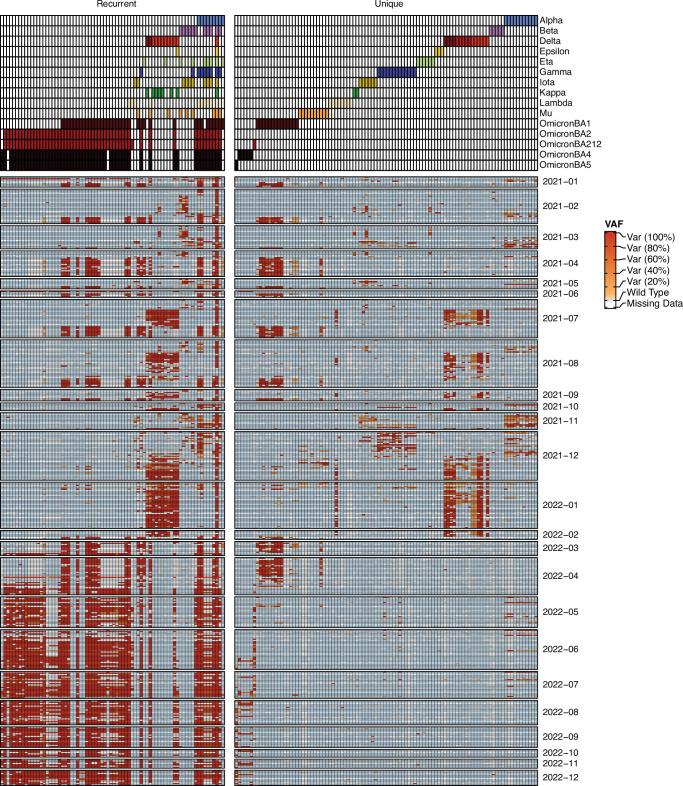
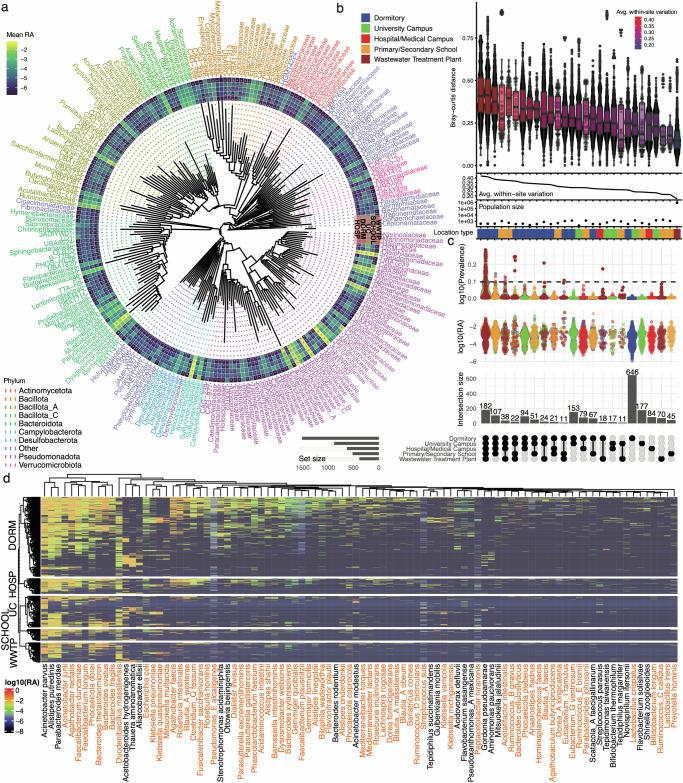
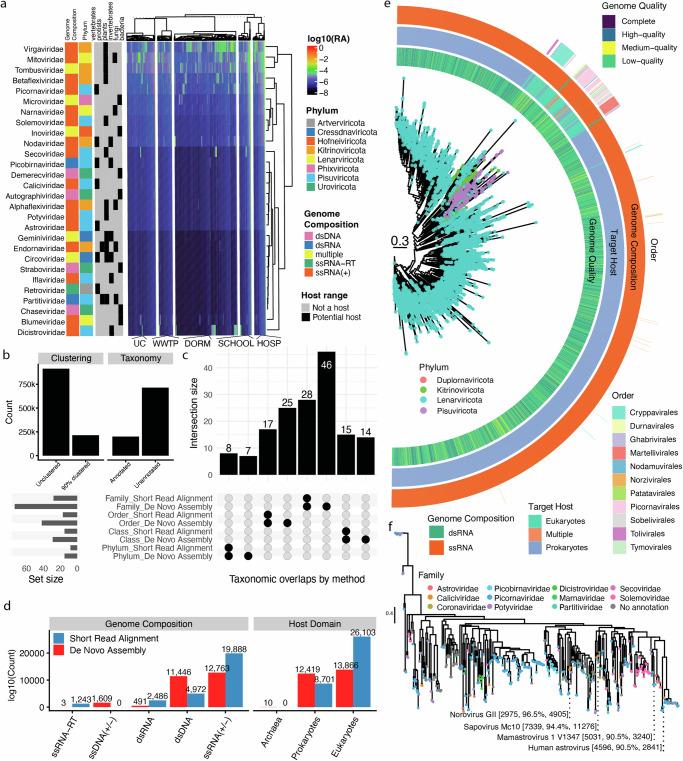
Wastewater is a geospatially- and temporally-linked microbial fingerprint of a given population, making it a potentially valuable tool for tracking public health across locales and time. Here, we integrate targeted and bulk RNA sequencing (N = 2238 samples) to track the viral, bacterial, and functional content over geospatially distinct areas within Miami Dade County, USA, from 2020-2022. We used targeted amplicon sequencing to track diverse SARS-CoV-2 variants across space and time, and we found a tight correspondence with positive PCR tests from University students and Miami-Dade hospital patients. Additionally, in bulk metatranscriptomic data, we demonstrate that the bacterial content of different wastewater sampling locations serving small population sizes can be used to detect putative, host-derived microorganisms that themselves have known associations with human health and diet. We also detect multiple enteric pathogens (e.g., Norovirus) and characterize viral diversity across sites. Moreover, we observed an enrichment of antimicrobial resistance genes (ARGs) in hospital wastewater; antibiotic-specific ARGs correlated to total prescriptions of those same antibiotics (e.g Ampicillin, Gentamicin). Overall, this effort lays the groundwork for systematic characterization of wastewater that can potentially influence public health decision-making.
污水是特定人群在地理和时间上相关的微生物指纹,因此它有可能成为追踪各地和不同时间公共卫生状况的有用工具。在这里,我们整合了靶向和批量 RNA 测序(N=2238 个样本),以追踪美国迈阿密戴德县 2020-2022 年不同地理区域的病毒、细菌和功能含量。我们使用靶向扩增子测序来追踪 SARS-CoV-2 变体在空间和时间上的多样性,我们发现它与大学生和迈阿密戴德医院患者的阳性 PCR 检测结果密切相关。此外,在批量宏转录组数据中,我们证明了为小人口服务的不同污水采样点的细菌含量可用于检测可能存在的、与宿主相关的微生物,这些微生物本身与人类健康和饮食有关。我们还检测到多种肠道病原体(例如诺如病毒),并描述了不同地点的病毒多样性。此外,我们观察到医院污水中抗生素耐药基因(ARGs)的富集;抗生素特异性 ARGs 与这些抗生素的总处方相关(例如氨苄西林、庆大霉素)。总的来说,这项工作为系统地描述污水奠定了基础,污水可能会影响公共卫生决策。
 Zotero 插件