
机器学习预测胶质瘤患者与铜死亡相关的 lncRNAs 和生存。
Machine learning predicts cuproptosis-related lncRNAs and survival in glioma patients.
机构信息
Department of Neurosurgery, General Hospital of Ningxia Medical University, Yinchuan, Ningxia, China.
Department of Neurosurgery, The First Dongguan Affiliated Hospital of Guangdong Medical University, Dongguan, Guangdong, China.
出版信息
Sci Rep. 2024 Sep 27;14(1):22323. doi: 10.1038/s41598-024-72664-w.
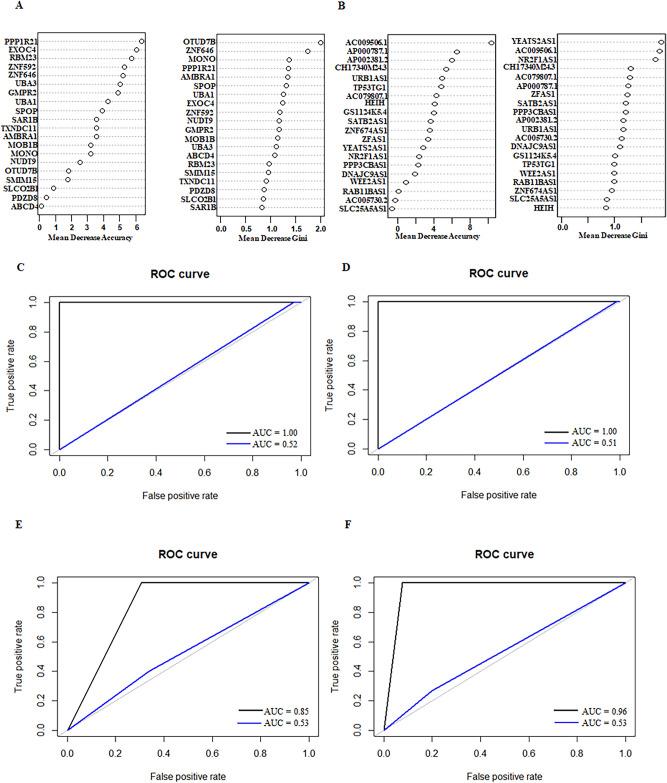
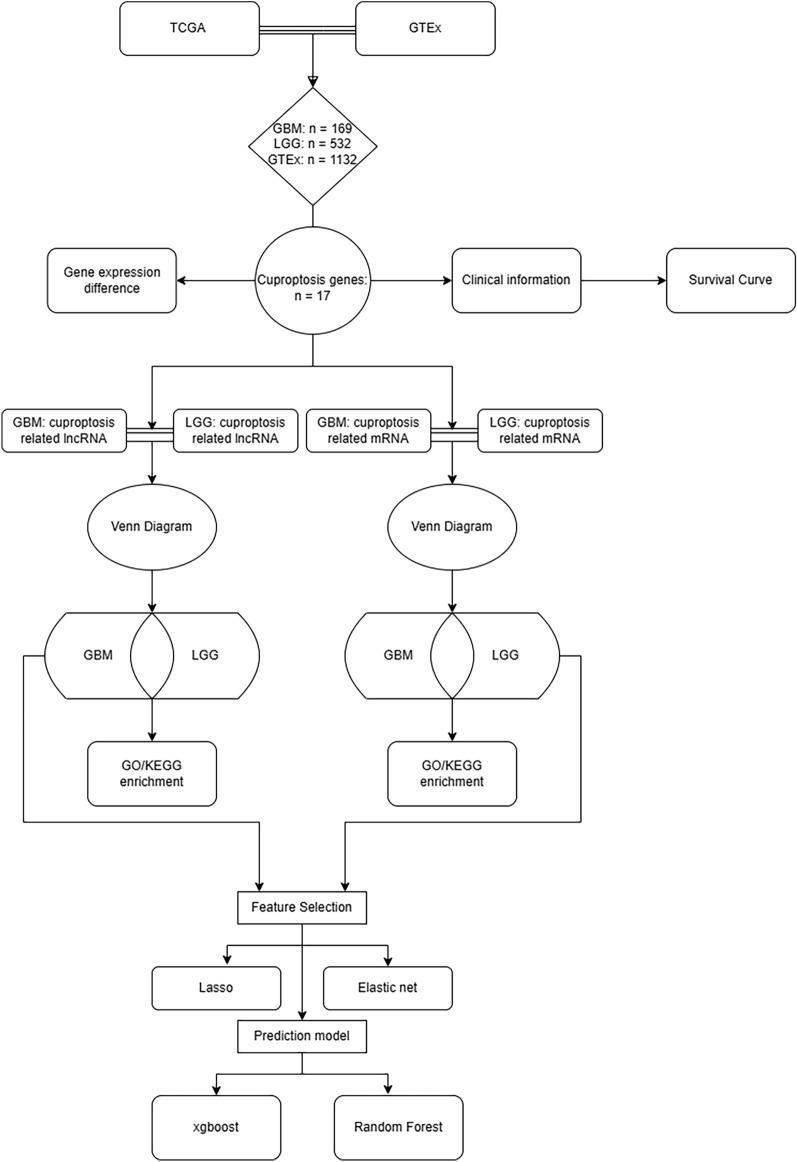
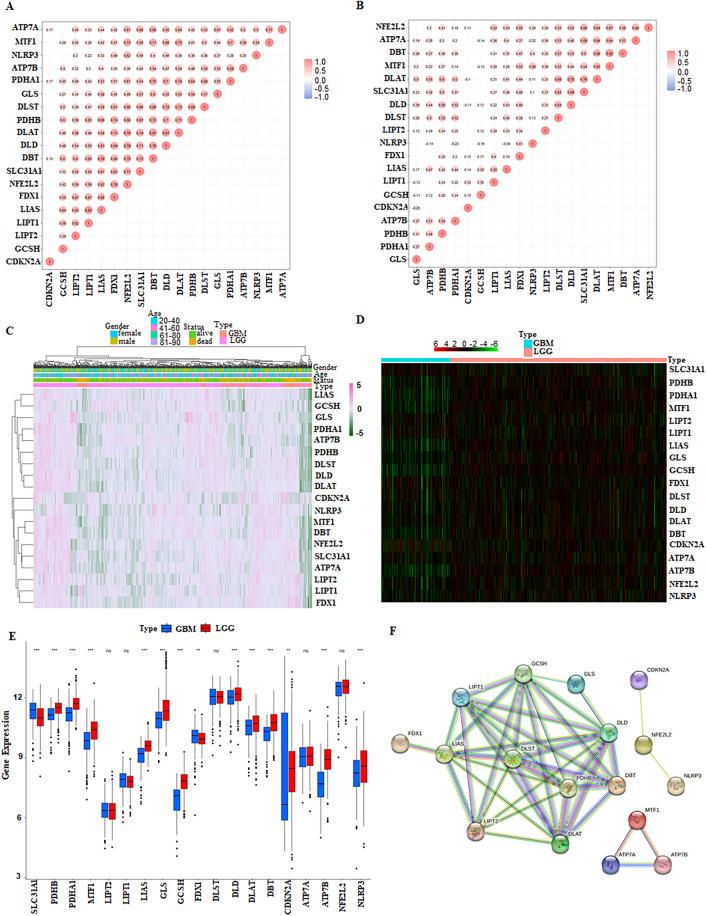
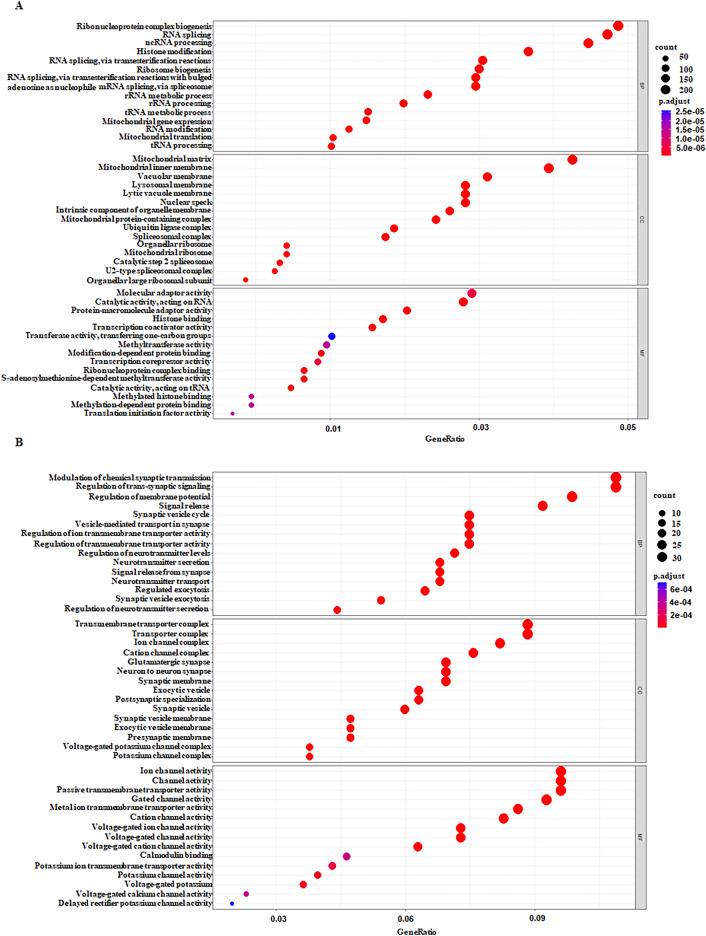
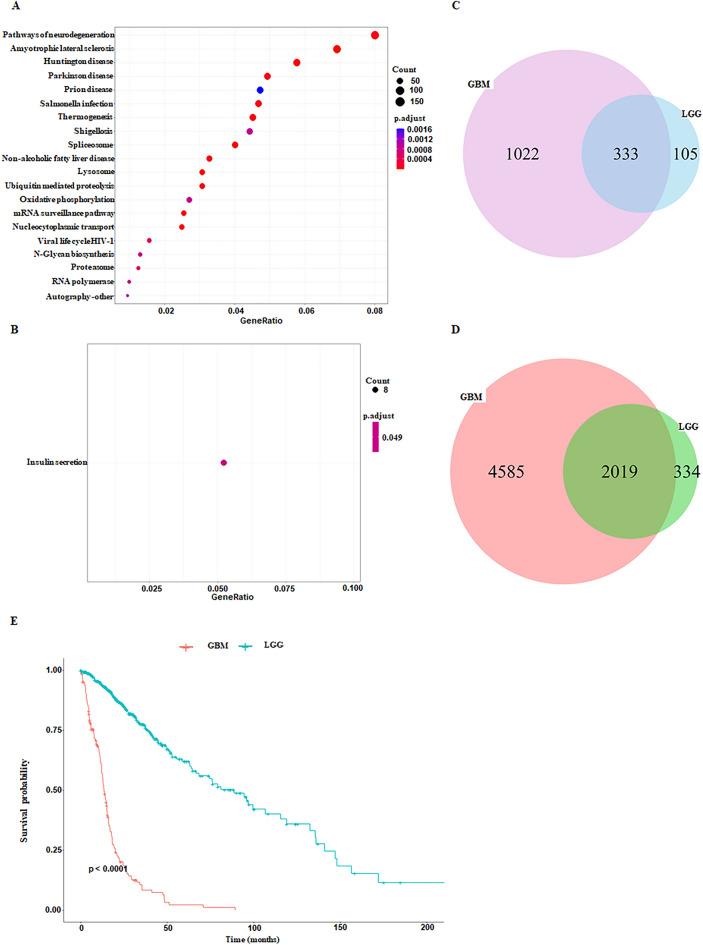
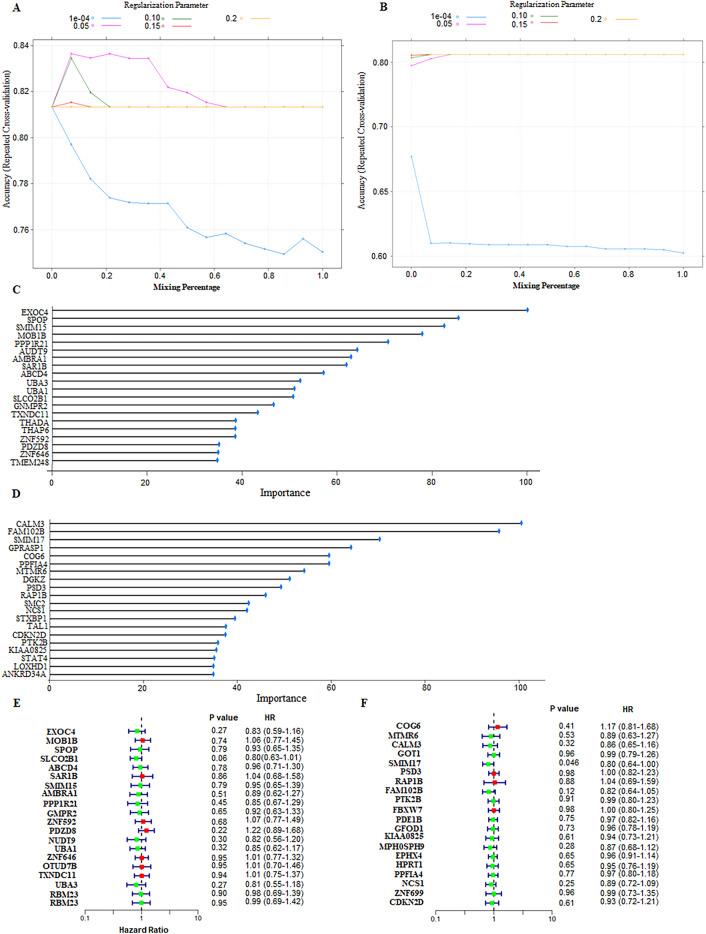
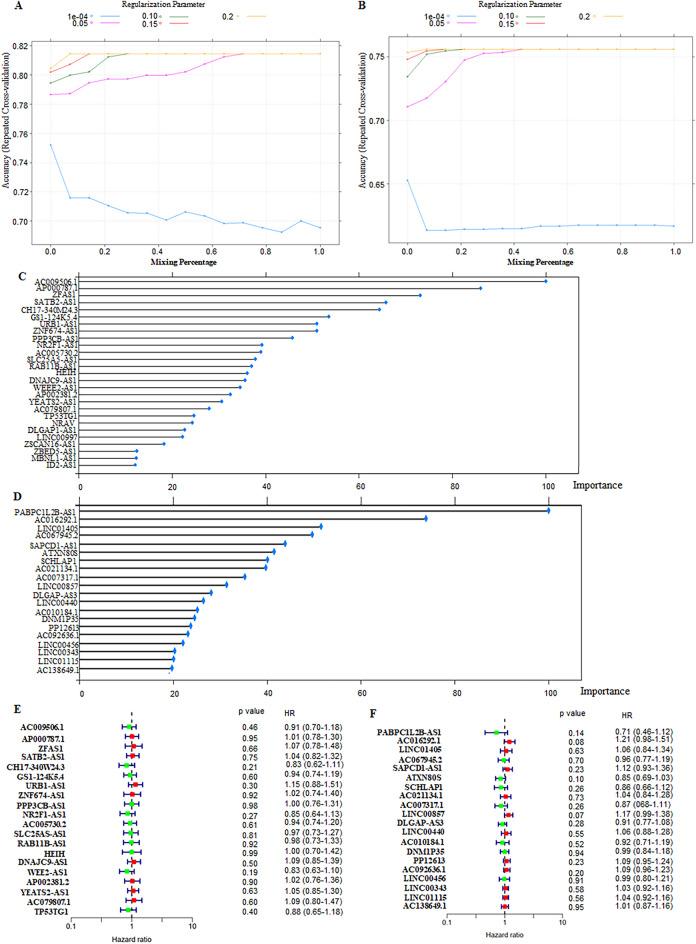
Gliomas are the most common tumor in the central nervous system in adults, with glioblastoma (GBM) representing the most malignant form, while low-grade glioma (LGG) is a less severe. The prognosis for glioma remains poor even after various treatments, such as chemotherapy and immunotherapy. Cuproptosis is a newly defined form of programmed cell death, distinct from ferroptosis and apoptosis, primarily caused by the accumulation of the copper within cells. In this study, we compared the difference between the expression of cuproptosis-related genes in GBM and LGG, respectively, and conducted further analysis on the enrichment pathways of the exclusive expressed cuproptosis-related mRNAs in GBM and LGG. We established two prediction models for survival status using xgboost and random forest algorithms and applied the ROSE algorithm to balance the dataset to improve model performance.
神经胶质瘤是成人中枢神经系统最常见的肿瘤,其中胶质母细胞瘤(GBM)是最恶性的形式,而低级别神经胶质瘤(LGG)则较为良性。即使经过化疗和免疫治疗等各种治疗,神经胶质瘤的预后仍然较差。铜死亡是一种新定义的细胞程序性死亡形式,与铁死亡和细胞凋亡不同,主要是由于细胞内铜的积累引起的。在这项研究中,我们比较了 GBM 和 LGG 中铜死亡相关基因表达的差异,并对 GBM 和 LGG 中独特表达的铜死亡相关 mRNAs 的富集途径进行了进一步分析。我们使用 xgboost 和随机森林算法建立了两个生存状态预测模型,并应用 ROSE 算法对数据集进行平衡,以提高模型性能。
 Zotero 插件