Unidad de Excelencia Instituto de Biología y Genética Molecular (IBGM), CSIC-Universidad de Valladolid, c/ Sanz y Forés 3, 47003, Valladolid, Spain.
Instituto de Biología Molecular y Celular del Cáncer (IBMCC), CSIC-Universidad de Salamanca, Campus Unamuno, 37007, Salamanca, Spain.
Biol Res. 2024 Sep 28;57(1):69. doi: 10.1186/s40659-024-00536-8.
The LYP tyrosine phosphatase presents a SNP (1858C > T) that increases the risk of developing autoimmune diseases such as type I diabetes and arthritis. It remains unclear how this SNP affects LYP function and promotes the development of these diseases. The scarce information about LYP substrates is in part responsible for the poor understanding of LYP function.
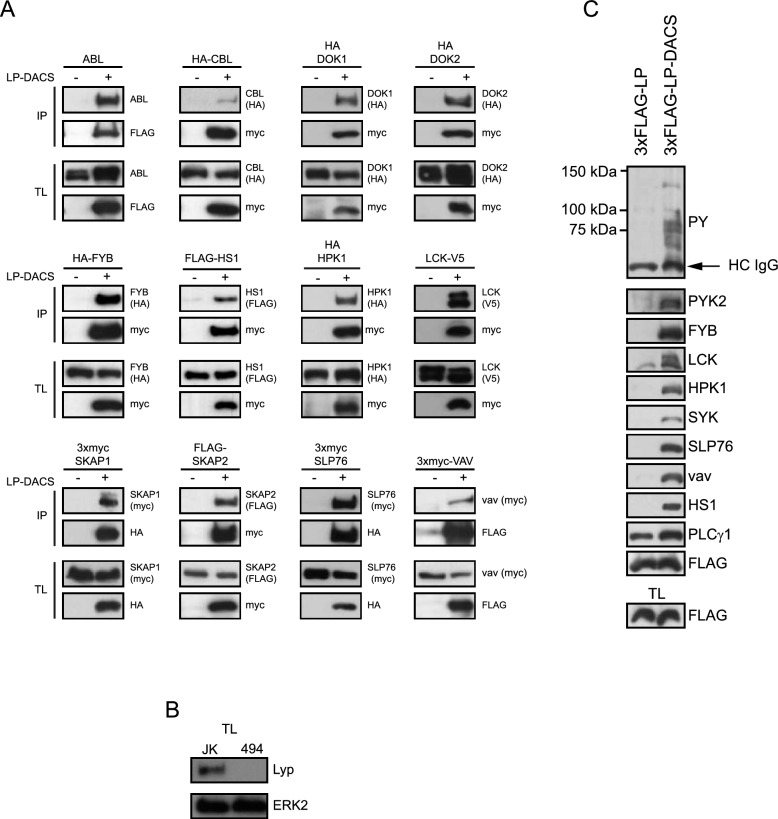
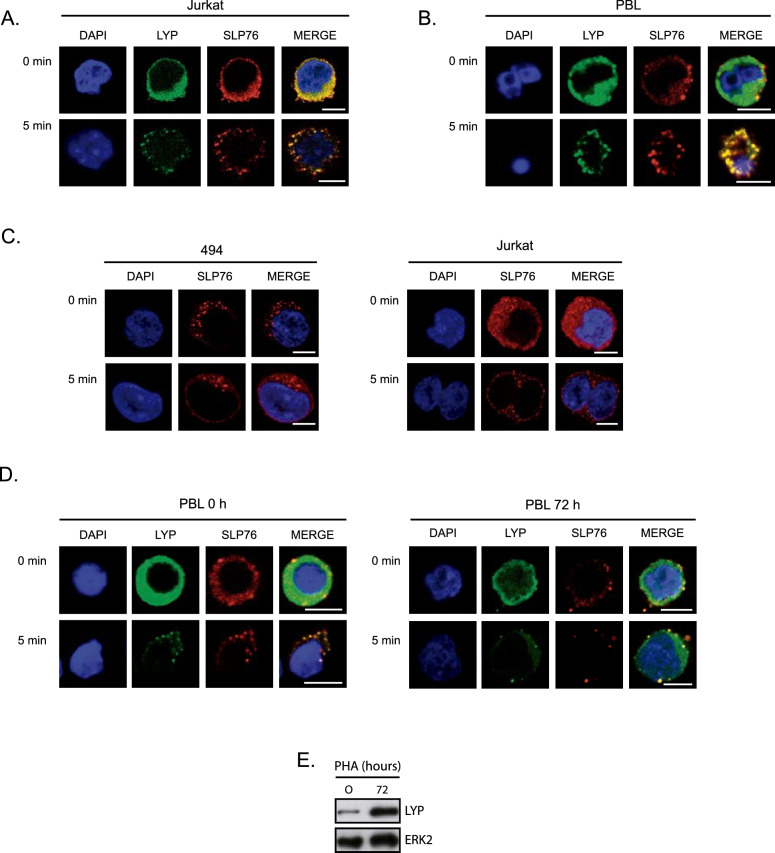
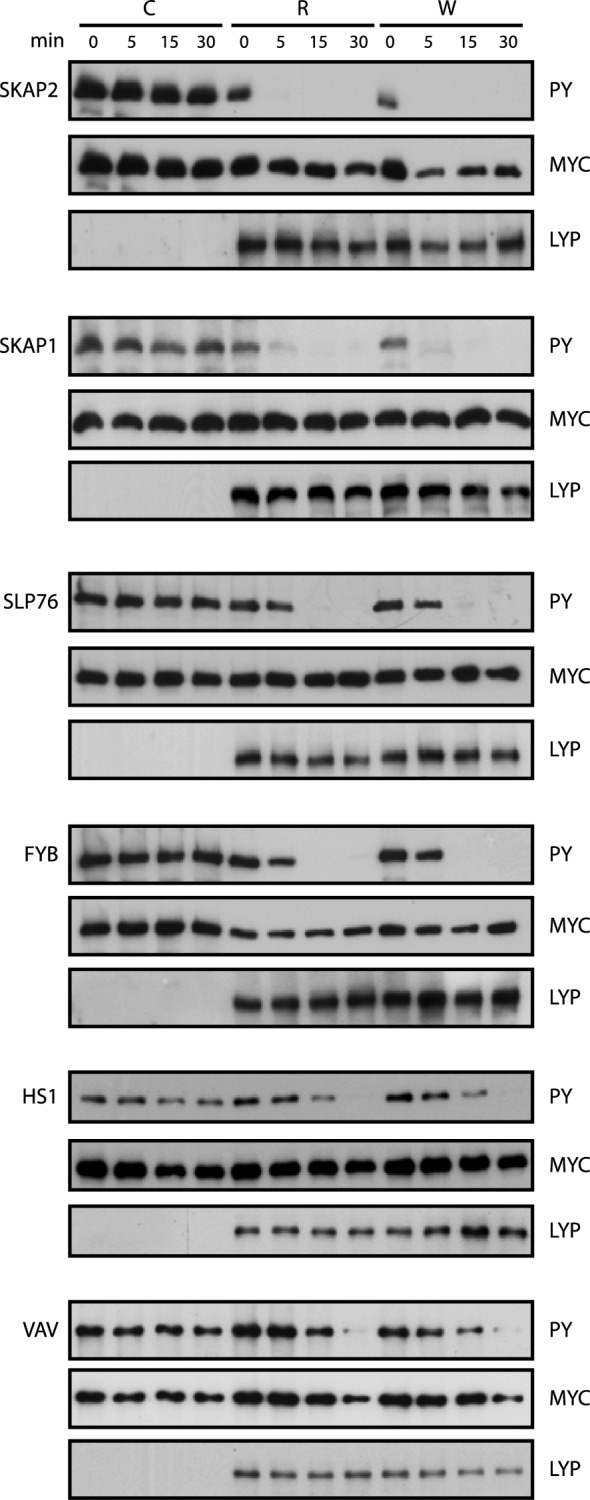
In this study, we identify in T lymphocytes several adaptor proteins as potential substrates targeted by LYP, including FYB, SLP-76, HS-1, Vav, SKAP1 and SKAP2. We also show that LYP co-localizes with SLP76 in microclusters, upon TCR engagement.
These data indicate that LYP may modulate T cell activation by dephosphorylating several adaptor proteins, such as FYB, SLP-76, HS-1, Vav, SKAP1 and SKAP2 upon TCR engagement.
LYP 酪氨酸磷酸酶存在一个 SNP(1858C>T),增加了患自身免疫性疾病(如 1 型糖尿病和关节炎)的风险。目前尚不清楚该 SNP 如何影响 LYP 的功能并促进这些疾病的发展。关于 LYP 底物的信息很少,这也是对 LYP 功能了解不足的部分原因。
在这项研究中,我们在 T 淋巴细胞中鉴定出几种衔接蛋白作为 LYP 的潜在底物,包括 FYB、SLP-76、HS-1、Vav、SKAP1 和 SKAP2。我们还表明,在 TCR 结合后,LYP 与 SLP76 共定位于微簇中。
这些数据表明,LYP 可能通过去磷酸化 FYB、SLP-76、HS-1、Vav、SKAP1 和 SKAP2 等几种衔接蛋白来调节 T 细胞的激活,而这些衔接蛋白在 TCR 结合后被磷酸化。