Department of Neurology, Uijeongbu Eulji Medical Center, Eulji University School of Medicine, Uijeongbu, Republic of Korea.
Graduate School of Medicine, Kangwon National University, Chuncheon, Republic of Korea.
J Med Case Rep. 2024 Oct 18;18(1):480. doi: 10.1186/s13256-024-04832-5.
Insertable cardiac monitor implantation is a simple and safe procedure commonly performed in patients with embolic stroke with undetermined source. Routine periprocedural antibiotic use is not recommended, because infection rate is very low, although some local infection or gram-positive bacteremia have been reported. We report a case of Pseudomonas monteilii sepsis immediately after insertable cardiac monitor implantation.
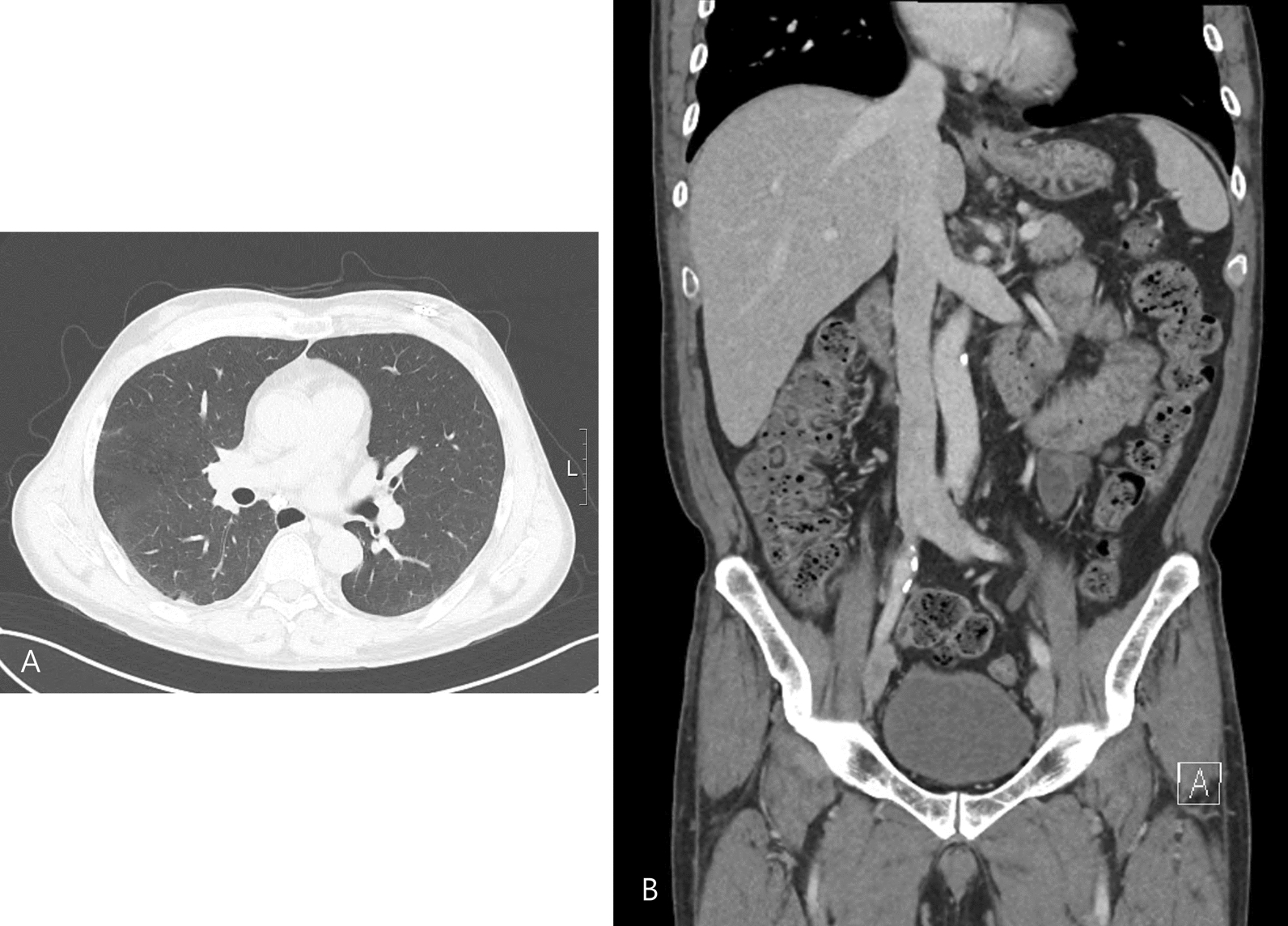
A 55-year-old Korean male with embolic stroke of undetermined source presented with gram-negative sepsis immediately after implantable cardiac monitor implantation as a first reported complication after the procedure. Pseudomonas monteilii was identified in the blood culture, and no other infection source was seen. He was treated with intravenous antibiotics without removing the device.
Prompt diagnosis and adequate management is required in such a patient with sepsis post-insertable cardiac monitor implantation procedure. It can be managed with adequate antibiotic treatment without device removal if there is no sign of inflammation at the insertion site. Further reports or studies should be investigated to reinforce this finding.
The infection rate after insertable cardiac monitor insertion is extremely low; however, sepsis may occur without pocket infections. Physicians should be aware of signs of systemic infection, particularly when the procedure is performed outside the catheterization room. Sepsis after insertable cardiac monitor implantation can be managed with adequate antibiotic treatment without device removal if there is no sign of inflammation at the insertion site.
可植入心脏监测器的植入是一项简单且安全的程序,通常在来源不明的栓塞性中风患者中进行。虽然有报道称存在局部感染或革兰阳性菌血症,但不建议常规围手术期使用抗生素,因为感染率非常低。我们报告了一例可植入心脏监测器植入后立即发生的粘质沙雷氏菌败血症。
一名 55 岁的韩国男性,患有来源不明的栓塞性中风,在植入可植入心脏监测器后立即出现革兰氏阴性菌败血症,这是该手术后首例报道的并发症。血液培养中鉴定出粘质沙雷氏菌,未发现其他感染源。他接受了静脉抗生素治疗,未取出设备。
对于这种在植入可植入心脏监测器后出现败血症的患者,需要及时诊断和充分管理。如果植入部位没有炎症迹象,可以通过适当的抗生素治疗而无需移除设备来进行管理。需要进一步的报告或研究来证实这一发现。
可植入心脏监测器插入后的感染率极低;然而,即使没有口袋感染,也可能发生败血症。医生应该注意全身感染的迹象,尤其是在导管室外进行该程序时。如果植入部位没有炎症迹象,在不取出设备的情况下,可以通过适当的抗生素治疗来管理植入可植入心脏监测器后的败血症。