
铜稳态与肿瘤免疫中的铜诱导细胞死亡:对癌症免疫治疗策略的启示
Copper homeostasis and copper-induced cell death in tumor immunity: implications for therapeutic strategies in cancer immunotherapy.
作者信息
Zhang Suhang, Huang Qibo, Ji Tuo, Li Qilin, Hu Chuanyu
机构信息
Department of Stomatology, Tongji Hospital, Tongji Medical College, Huazhong University of Science and Technology, Wuhan, 430030, China.
School of Stomatology, Tongji Medical College, Huazhong University of Science and Technology, Wuhan, 430030, China.
出版信息
Biomark Res. 2024 Oct 31;12(1):130. doi: 10.1186/s40364-024-00677-8.
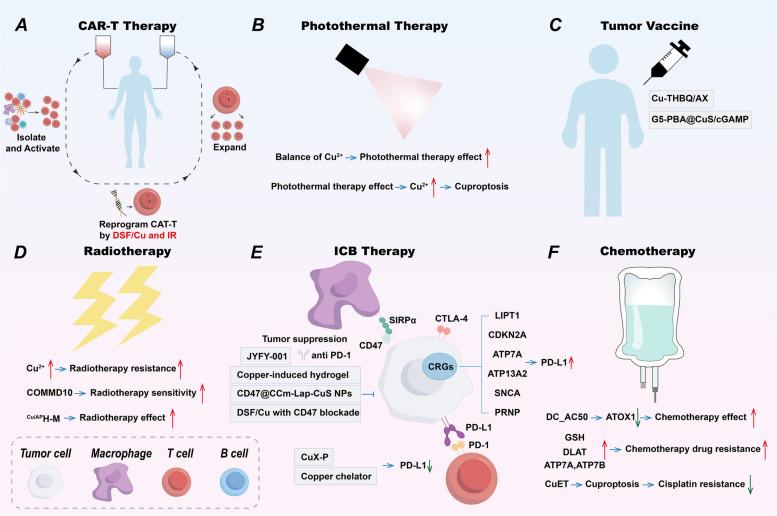
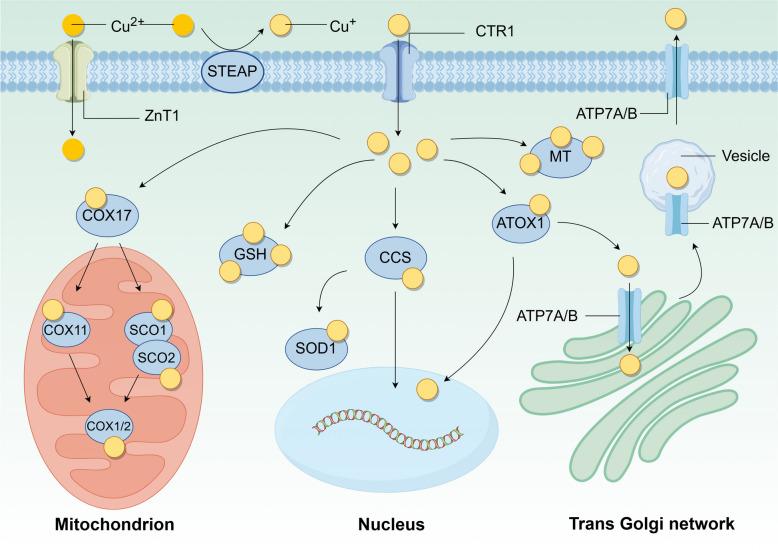
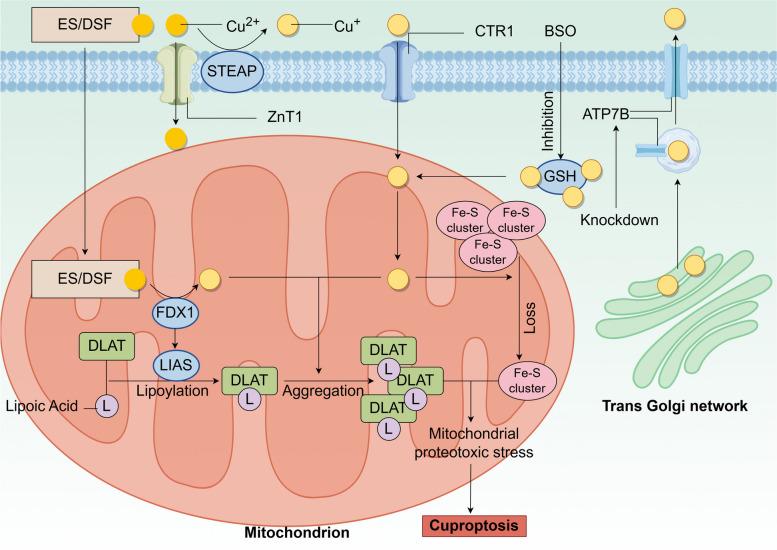
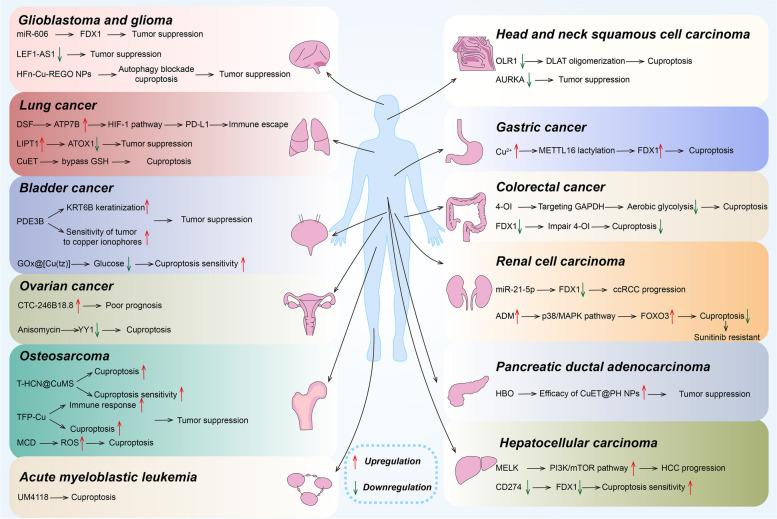
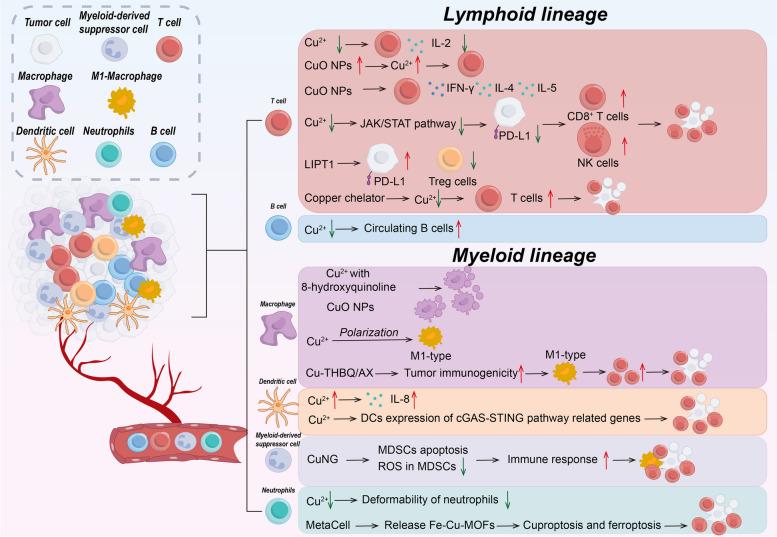
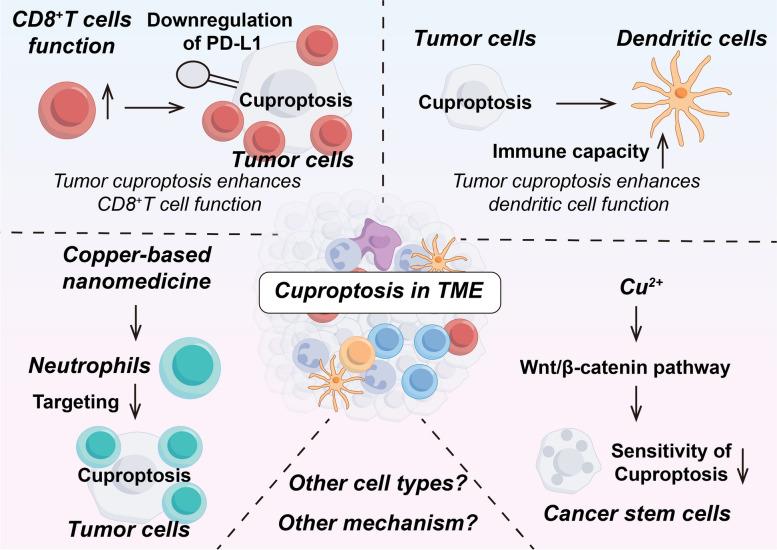
Copper is an important trace element for maintaining key biological functions such as cellular respiration, nerve conduction, and antioxidant defense. Maintaining copper homeostasis is critical for human health, and its imbalance has been linked to various diseases, especially cancer. Cuproptosis, a novel mechanism of copper-induced cell death, provides new therapeutic opportunities for metal ion regulation to interact with cell fate. This review provides insights into the complex mechanisms of copper metabolism, the molecular basis of cuproptosis, and its association with cancer development. We assess the role of cuproptosis-related genes (CRGs) associated with tumorigenesis, their importance as prognostic indicators and therapeutic targets, and the impact of copper homeostasis on the tumor microenvironment (TME) and immune response. Ultimately, this review highlights the complex interplay between copper, cuproptosis, and cancer immunotherapy.
铜是维持细胞呼吸、神经传导和抗氧化防御等关键生物学功能的重要微量元素。维持铜稳态对人类健康至关重要,其失衡与多种疾病尤其是癌症有关。铜死亡是一种新的铜诱导细胞死亡机制,为金属离子调控与细胞命运的相互作用提供了新的治疗机会。本文综述深入探讨了铜代谢的复杂机制、铜死亡的分子基础及其与癌症发生发展的关联。我们评估了与肿瘤发生相关的铜死亡相关基因(CRGs)的作用、它们作为预后指标和治疗靶点的重要性,以及铜稳态对肿瘤微环境(TME)和免疫反应的影响。最终,本文综述突出了铜、铜死亡和癌症免疫治疗之间的复杂相互作用。
 Zotero 插件