
针对2009年H1N1流感的蛋白质亚基疫苗研究进展
Advances in protein subunit vaccines against H1N1/09 influenza.
作者信息
Zhang Yu, Gao Jingyao, Xu Wenqi, Huo Xingyu, Wang Jingyan, Xu Yirui, Ding Wenting, Guo Zeliang, Liu Rongzeng
机构信息
Department of Immunology, College of Basic Medicine and Forensic Medicine, Henan University of Science and Technology, Luoyang, China.
Department of Medical Imaging, School of Medicine, Zhoukou Vocational and Technical College, Zhoukou, China.
出版信息
Front Immunol. 2024 Nov 22;15:1499754. doi: 10.3389/fimmu.2024.1499754. eCollection 2024.
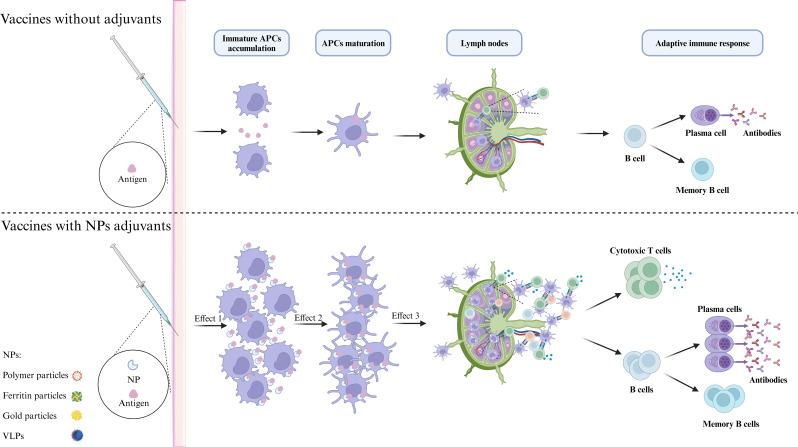
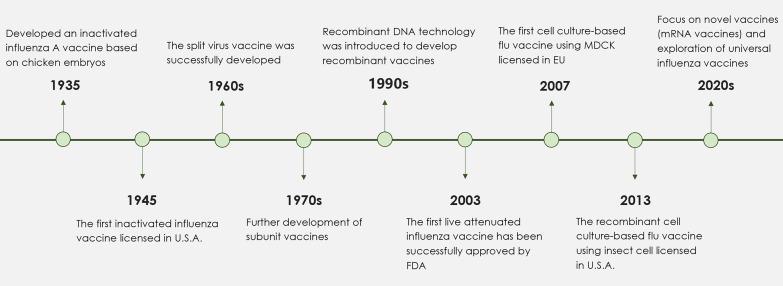
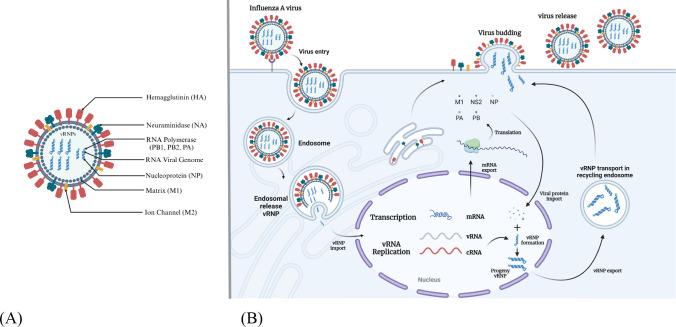
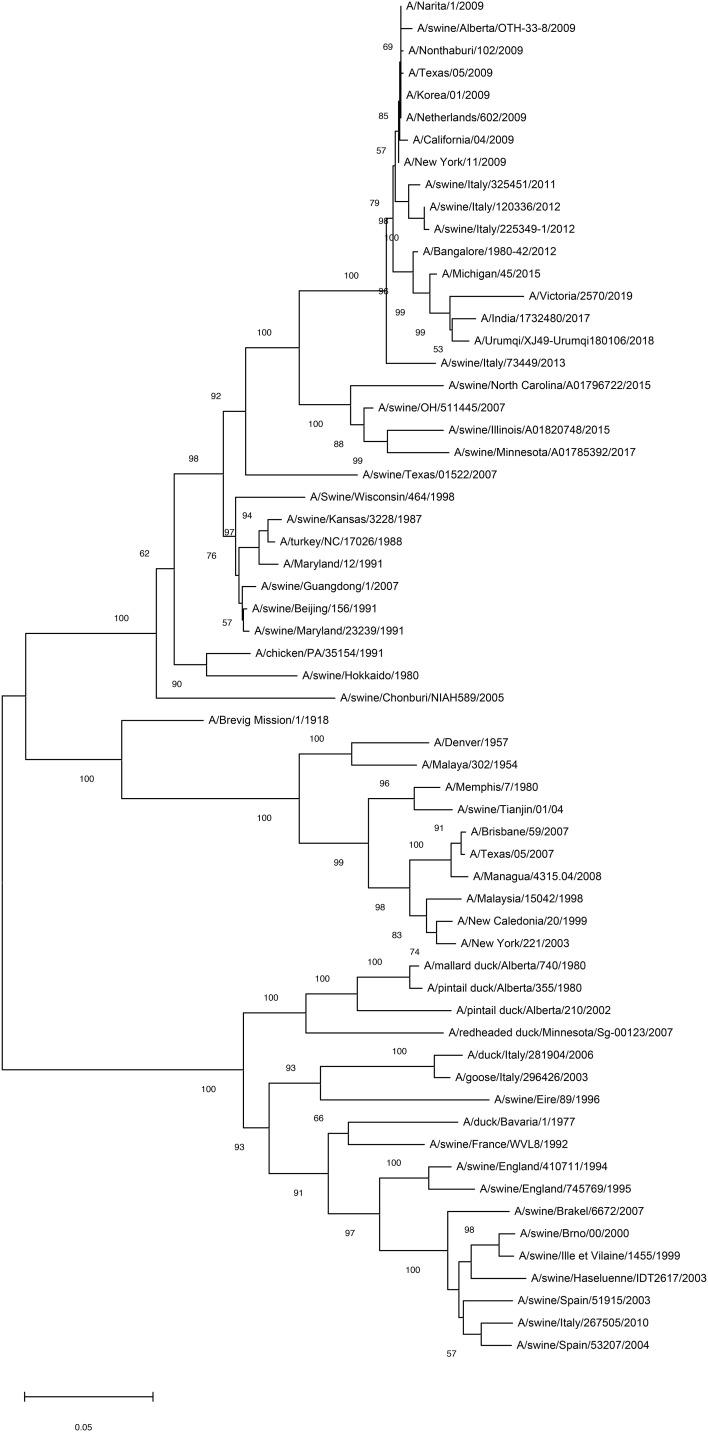
The A/H1N1pdm09 influenza virus, which caused the 2009 pandemic, has since become a recurring strain in seasonal influenza outbreaks. Given the ongoing threat of influenza, protein subunit vaccines have garnered significant attention for their safety and effectiveness. This review seeks to highlight the latest developments in protein subunit vaccines that specifically target the A/H1N1pdm09 virus. It will also examine the structure and replication cycle of influenza A viruses and compare different types of influenza vaccines. Additionally, the review will address key aspects of H1N1 protein subunit vaccine development, such as antigen selection, protein expression systems, and the use of adjuvants. The role of animal models in evaluating these vaccines will also be discussed. Despite challenges like antigenic variability and the complexities of vaccine production and distribution, protein subunit vaccines remain a promising option for future influenza prevention efforts.
引发2009年大流行的甲型H1N1pdm09流感病毒,此后已成为季节性流感爆发中的一种反复出现的毒株。鉴于流感的持续威胁,蛋白质亚单位疫苗因其安全性和有效性而备受关注。本综述旨在突出专门针对甲型H1N1pdm09病毒的蛋白质亚单位疫苗的最新进展。它还将研究甲型流感病毒的结构和复制周期,并比较不同类型的流感疫苗。此外,该综述将探讨H1N1蛋白质亚单位疫苗开发的关键方面,如抗原选择、蛋白质表达系统和佐剂的使用。还将讨论动物模型在评估这些疫苗中的作用。尽管存在抗原变异性以及疫苗生产和分发的复杂性等挑战,但蛋白质亚单位疫苗仍是未来流感预防工作的一个有前景的选择。
 Zotero 插件