Dai Zhengyu, Xie Bowen, Xie Chungang, Xiang Jinsuo, Wang Xinmei, Li Jing, Zheng Rongquan, Wang Yanni
College of Life Sciences, Zhejiang Normal University, Jinhua 321004, China.
Wildlife Protection and Management Station, Jinhua Municipal Bureau of Planning and Natural Resources, Jinhua 321052, China.
Animals (Basel). 2024 Dec 30;15(1):57. doi: 10.3390/ani15010057.
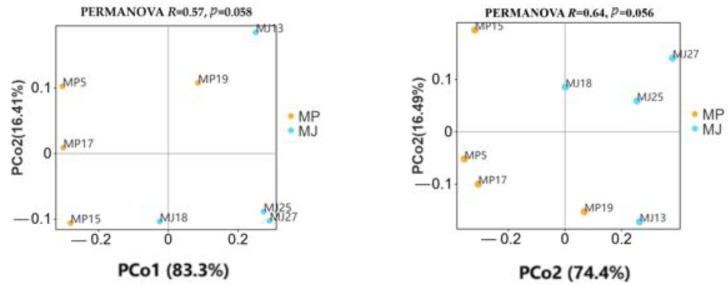
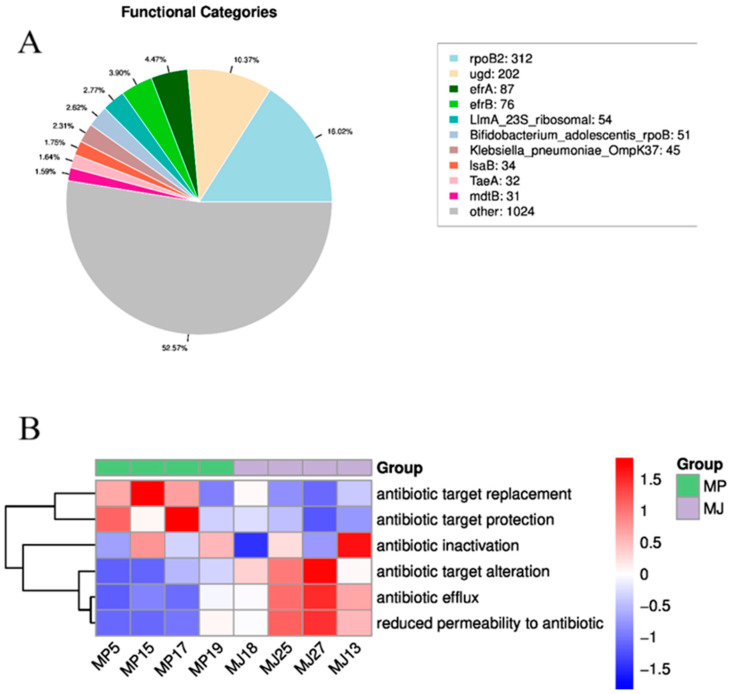
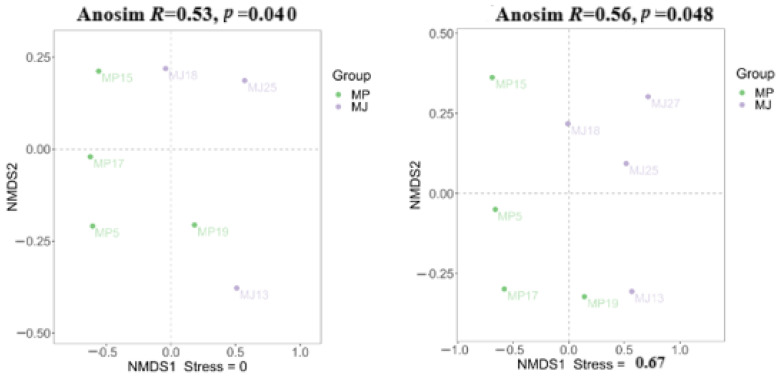
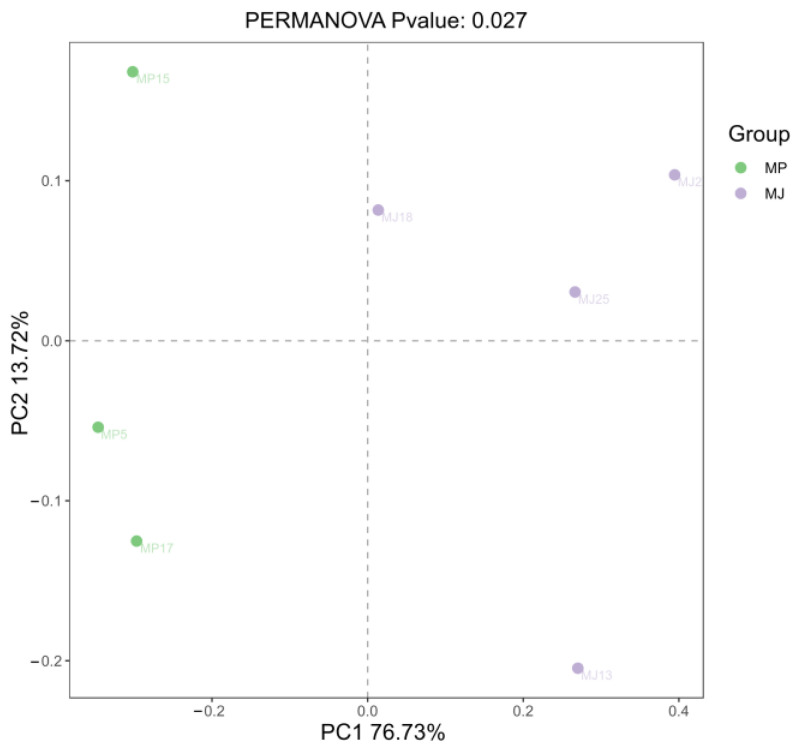
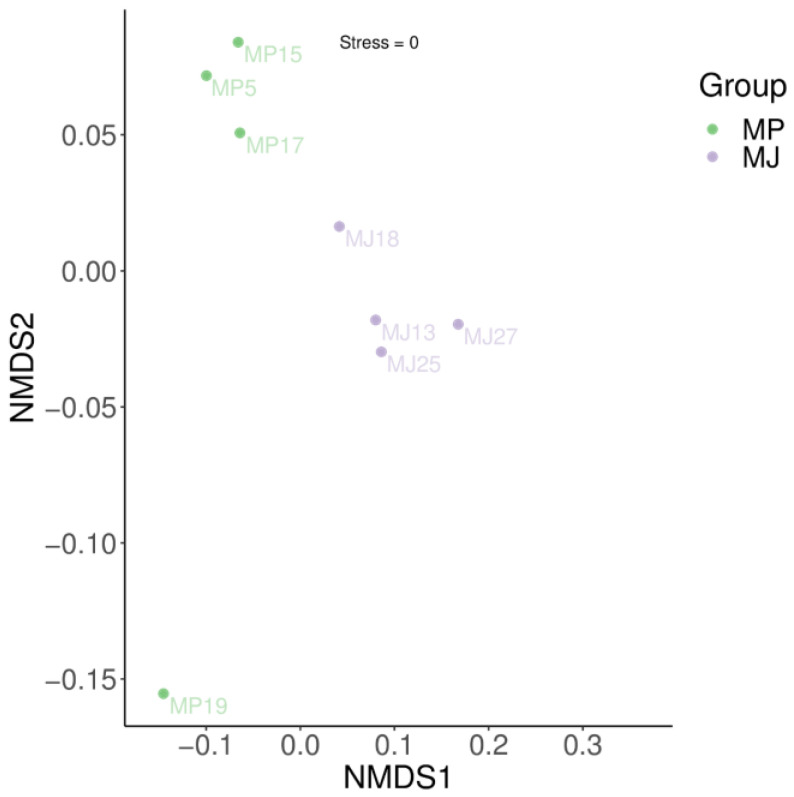
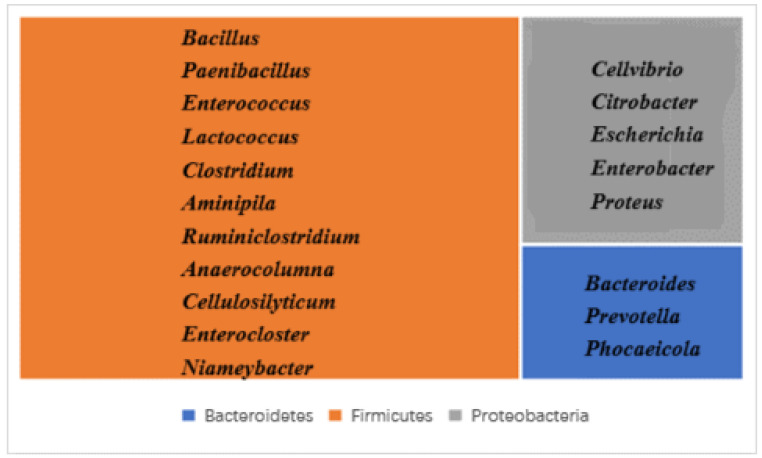
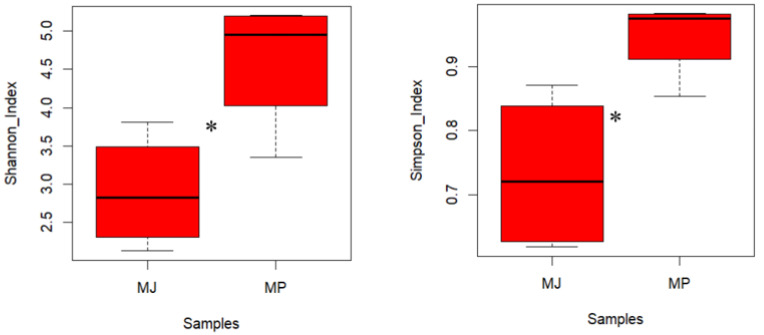
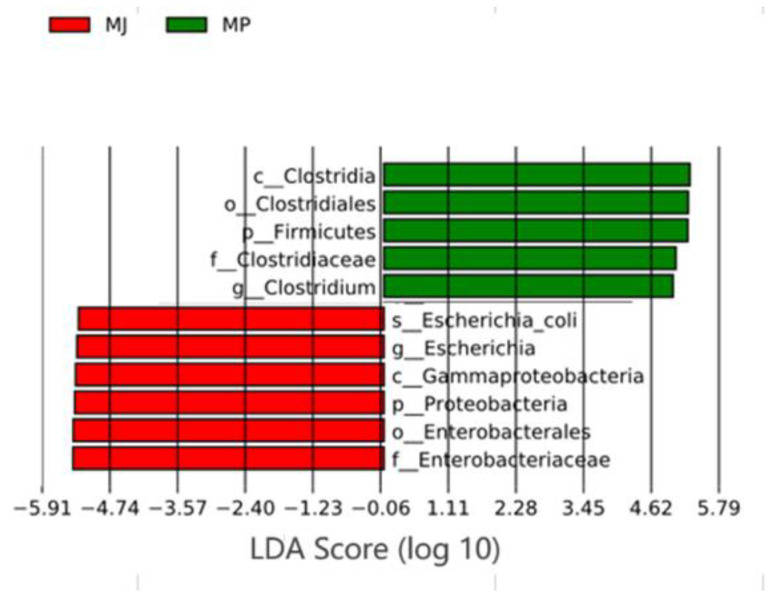
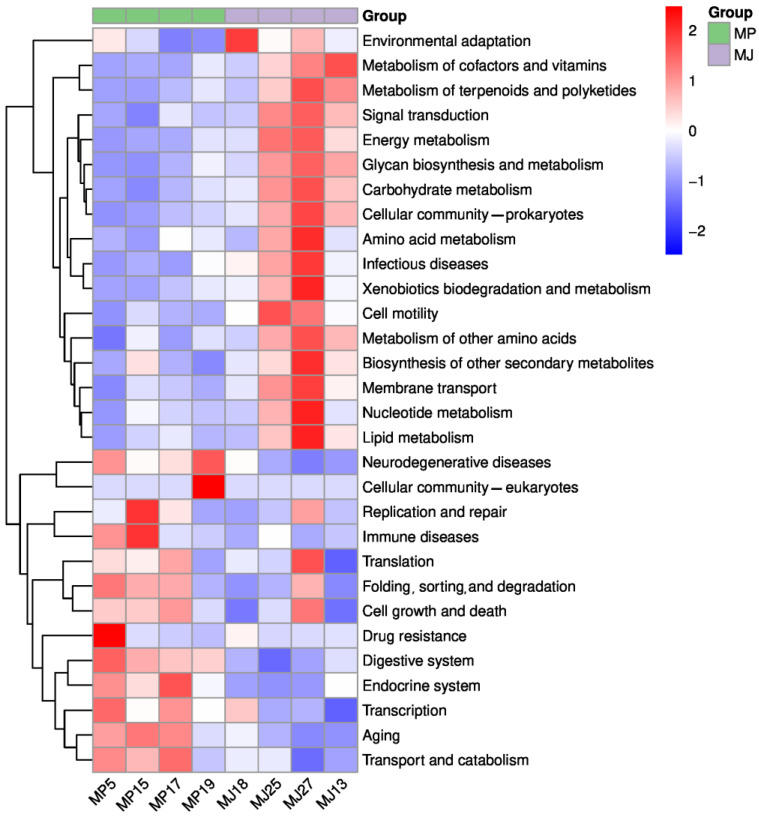
Pangolins, one of the most trafficked mammals, face significant health challenges in captivity, including digestive disorders and immune dysfunctions. These issues are closely linked to alterations in their gut microbiota, which play vital roles in the host metabolism, immunity, and overall health. This study investigated the differences in the gut microbiota composition and function between two pangolin species, Chinese pangolins () and Malayan pangolins (), under identical captive conditions to better understand their ecological adaptability and health implications. Using metagenomic sequencing, fecal samples from eight adult captive pangolins were analyzed, including four male Malayan pangolins and three male and one female Chinese pangolins. Comparative analyses of the alpha and beta diversities, microbial community structure, and functional profiles were performed. Both species harbored gut microbiota dominated by Firmicutes, Bacteroidetes, and Proteobacteria. However, the Chinese pangolins exhibited higher microbial diversity (Shannon index, = 0.042; Simpson index, = 0.037) and lower relative abundance of Proteobacteria compared with the Malayan pangolins. A functional analysis revealed significant differences in the metabolic pathways, where the Chinese pangolins demonstrated a higher potential for fiber degradation, whereas the Malayan pangolins exhibited elevated levels of antibiotic resistance genes and pathogenic taxa, such as . These findings suggest that captivity duration and environmental stress likely contribute to the observed differences, with the Malayan pangolins experiencing greater dysbiosis due to longer captivity periods. This study provides valuable insights into the role of gut microbiota in pangolin health and offers a foundation for improving conservation strategies and captive care protocols.
穿山甲是走私最为严重的哺乳动物之一,在圈养环境下面临着重大的健康挑战,包括消化紊乱和免疫功能失调。这些问题与它们肠道微生物群的改变密切相关,肠道微生物群在宿主代谢、免疫和整体健康中发挥着至关重要的作用。本研究调查了中华穿山甲()和马来穿山甲()这两种穿山甲在相同圈养条件下肠道微生物群组成和功能的差异,以更好地了解它们的生态适应性和对健康的影响。利用宏基因组测序技术,对8只成年圈养穿山甲的粪便样本进行了分析,其中包括4只雄性马来穿山甲以及3只雄性和1只雌性中华穿山甲。对α和β多样性、微生物群落结构及功能概况进行了比较分析。两种穿山甲的肠道微生物群均以厚壁菌门、拟杆菌门和变形菌门为主。然而,与马来穿山甲相比,中华穿山甲表现出更高的微生物多样性(香农指数,=0.042;辛普森指数,=0.037)以及更低的变形菌门相对丰度。功能分析显示,两种穿山甲在代谢途径上存在显著差异,中华穿山甲表现出更高的纤维降解潜力,而马来穿山甲的抗生素抗性基因和致病类群(如)水平较高。这些发现表明,圈养时间和环境压力可能导致了观察到的差异,马来穿山甲由于圈养时间较长而出现了更严重的生态失调。本研究为肠道微生物群在穿山甲健康中的作用提供了有价值的见解,并为改进保护策略和圈养护理方案奠定了基础。