
天然多酚与糖尿病肾病纤维化的相互关系
Interrelation of Natural Polyphenol and Fibrosis in Diabetic Nephropathy.
作者信息
Ma Ye, Wang Jiakun, Fan Juyue, Jia Huiyang, Li Jinyao
机构信息
School of Pharmaceutical Sciences and Institute of Materia Medica, Xinjiang University, Urumqi 830017, China.
Xinjiang Key Laboratory of Biological Resources and Genetic Engineering, College of Life Science and Technology, Xinjiang University, Urumqi 830017, China.
出版信息
Molecules. 2024 Dec 25;30(1):20. doi: 10.3390/molecules30010020.
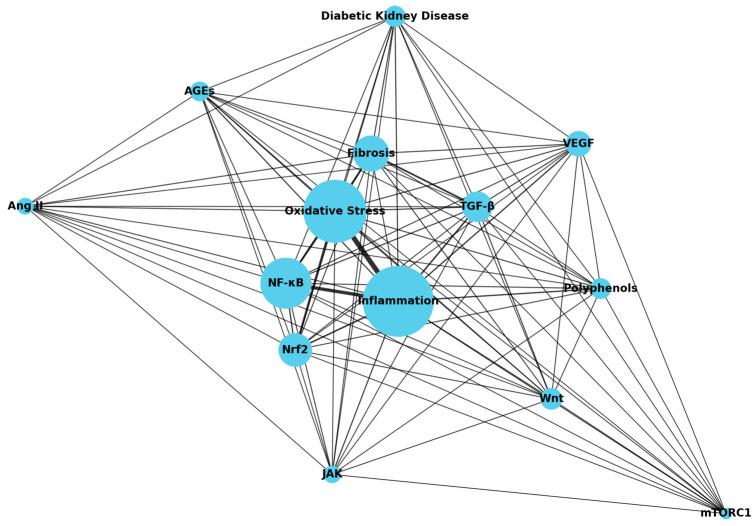
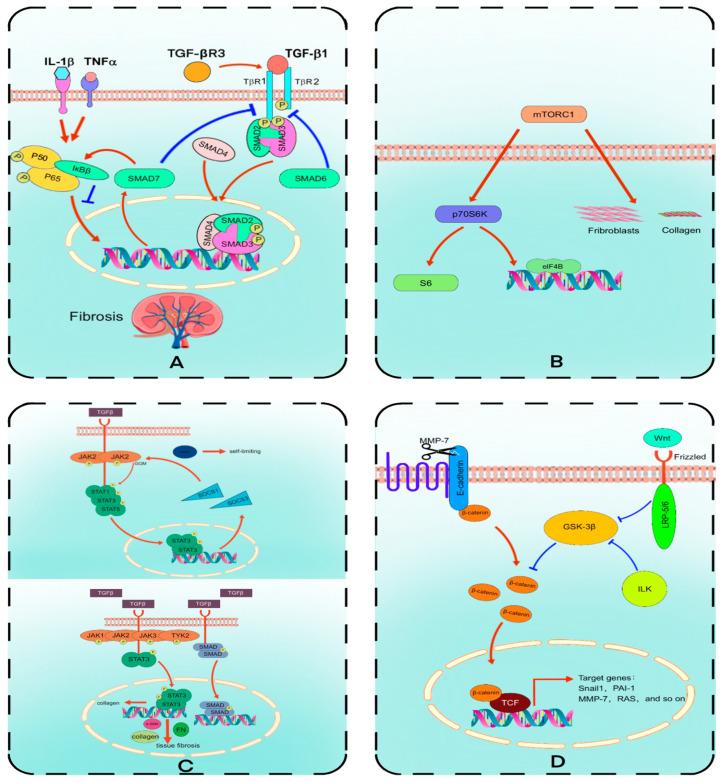
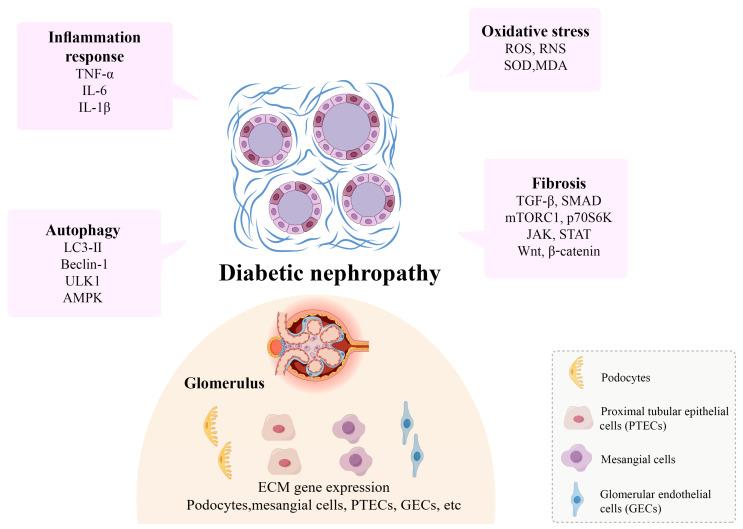
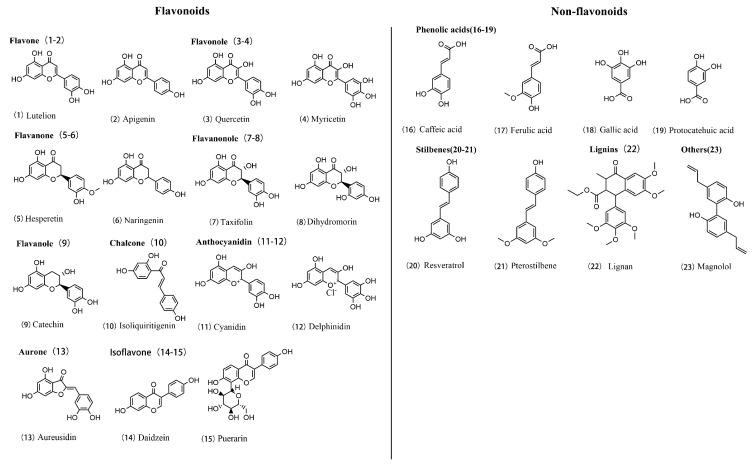
Diabetic nephropathy (DN) is a common and serious complication of diabetes mellitus and a major cause of end-stage renal disease (ESRD). Renal fibrosis, which corresponds to excessive deposition of extracellular matrix and leads to scarring, is a characteristic feature of the various progressive stages of DN. It can trigger various pathological processes leading to the activation of autophagy, inflammatory responses and a vicious circle of oxidative stress and inflammation. Although it is known that DN can be alleviated by mechanisms linked to antioxidants, reducing inflammation and improving autophagy, how to improve DN by reducing fibrosis using natural polyphenols needs to be studied further. Nowadays, natural polyphenolic compounds with excellent safety and efficacy are playing an increasingly important role in drug discovery. Therefore, this review reveals the multiple mechanisms associated with fibrosis in DN, as well as the different signaling pathways (including TGF-β/SMAD, mTORC1/p70S6K, JAK/STAT/SOCS and Wnt/β-catenin) and the potential role in the fibrotic niche. In parallel, we summarize the types of polyphenolic compounds and their pharmacodynamic effects, and finally evaluate the use of polyphenols to modulate relevant targets and pathways, providing potential research directions for polyphenols to improve DN. In summary, the problem of long-term monotherapy resistance can be reduced with natural polyphenols, while reducing the incidence of toxic side effects. In addition, potential targets and their inhibitors can be identified through these pathways, offering potential avenues of research for natural polyphenols in the pharmacological treatment of multisite fibrosis.
糖尿病肾病(DN)是糖尿病常见且严重的并发症,也是终末期肾病(ESRD)的主要原因。肾纤维化是DN各个进展阶段的特征性表现,其对应细胞外基质过度沉积并导致瘢痕形成。它可引发各种病理过程,导致自噬激活、炎症反应以及氧化应激和炎症的恶性循环。尽管已知DN可通过与抗氧化剂、减轻炎症和改善自噬相关的机制得到缓解,但如何利用天然多酚减少纤维化来改善DN仍需进一步研究。如今,具有出色安全性和有效性的天然多酚化合物在药物研发中发挥着越来越重要的作用。因此,本综述揭示了与DN纤维化相关的多种机制,以及不同的信号通路(包括TGF-β/SMAD、mTORC1/p70S6K、JAK/STAT/SOCS和Wnt/β-连环蛋白)及其在纤维化微环境中的潜在作用。同时,我们总结了多酚化合物的类型及其药效学作用,最后评估了多酚对相关靶点和通路的调节作用,为多酚改善DN提供潜在的研究方向。总之,天然多酚可降低长期单一疗法耐药性问题,同时减少毒副作用的发生率。此外,通过这些途径可确定潜在靶点及其抑制剂,为天然多酚在多部位纤维化的药物治疗中提供潜在的研究途径。


 Zotero 插件