Berbers Roos-Marijn, Paganelli Fernanda L, van Montfrans Joris M, Ellerbroek Pauline M, Viveen Marco C, Rogers Malbert R C, Salomons Moniek, Schuurmans Jaap, van Stigt Thans Martine, Vanmaris Remi M M, Brosens Lodewijk A A, van der Wal Maria Marlot, Dalm Virgil A S H, van Hagen P Martin, van de Ven Annick A J M, Uh Hae-Won, van Wijk Femke, Willems Rob J L, Leavis Helen L
Department of Medical Microbiology, University Medical Center Utrecht and Utrecht University, Utrecht, the Netherlands.
Department of Rheumatology and Clinical Immunology, University Medical Center Utrecht and Utrecht University, Utrecht, the Netherlands.
Microbiome. 2025 Jan 16;13(1):12. doi: 10.1186/s40168-024-01982-y.
Common variable immunodeficiency (CVID) is characterized by hypogammaglobulinemia and recurrent infections. Significant morbidity and mortality are caused by immune dysregulation complications (CVIDid), which affect around one-third of CVID patients and have a poorly understood etiology. Here, we investigate the hypothesis that gut microbial dysbiosis contributes to the inflammation underlying CVIDid.
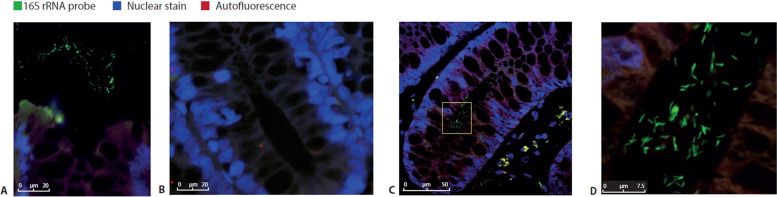
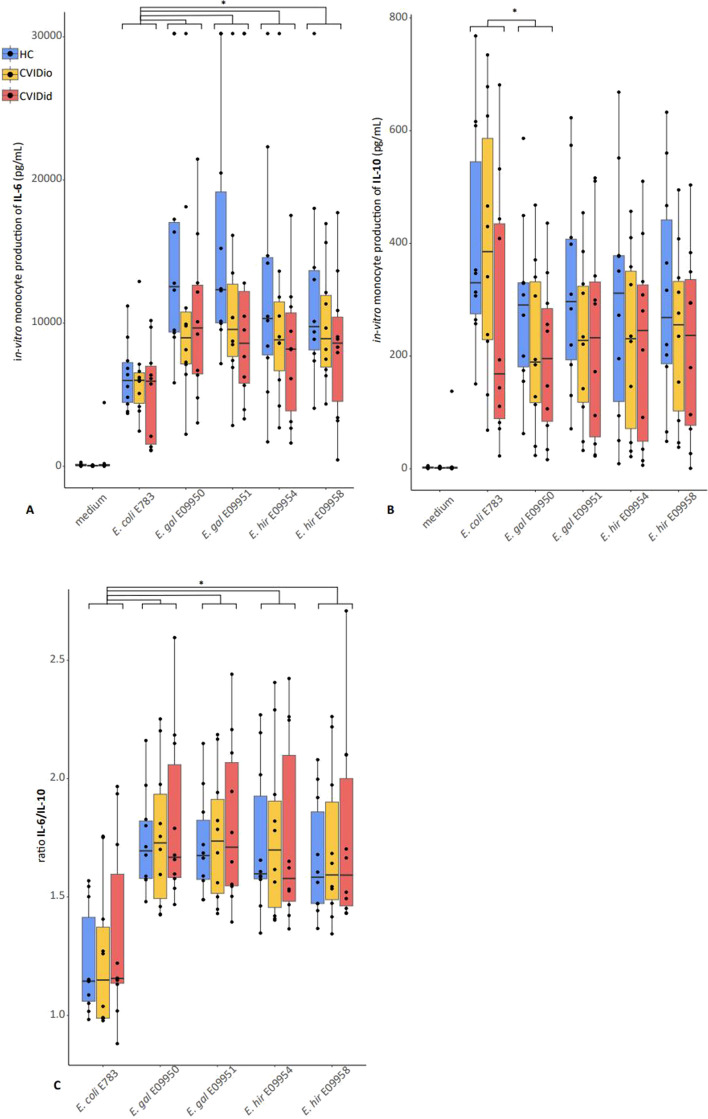
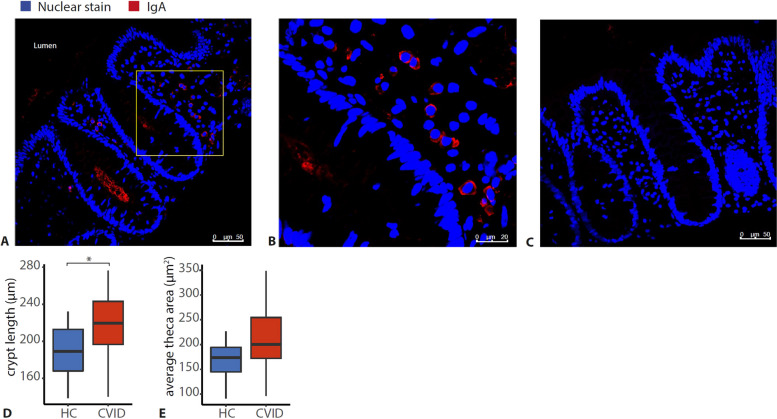
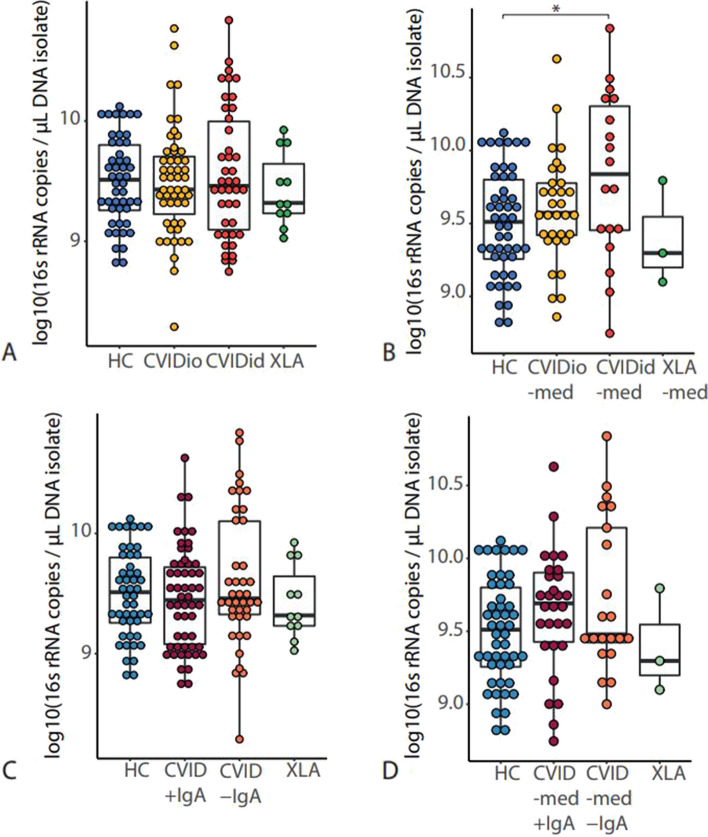
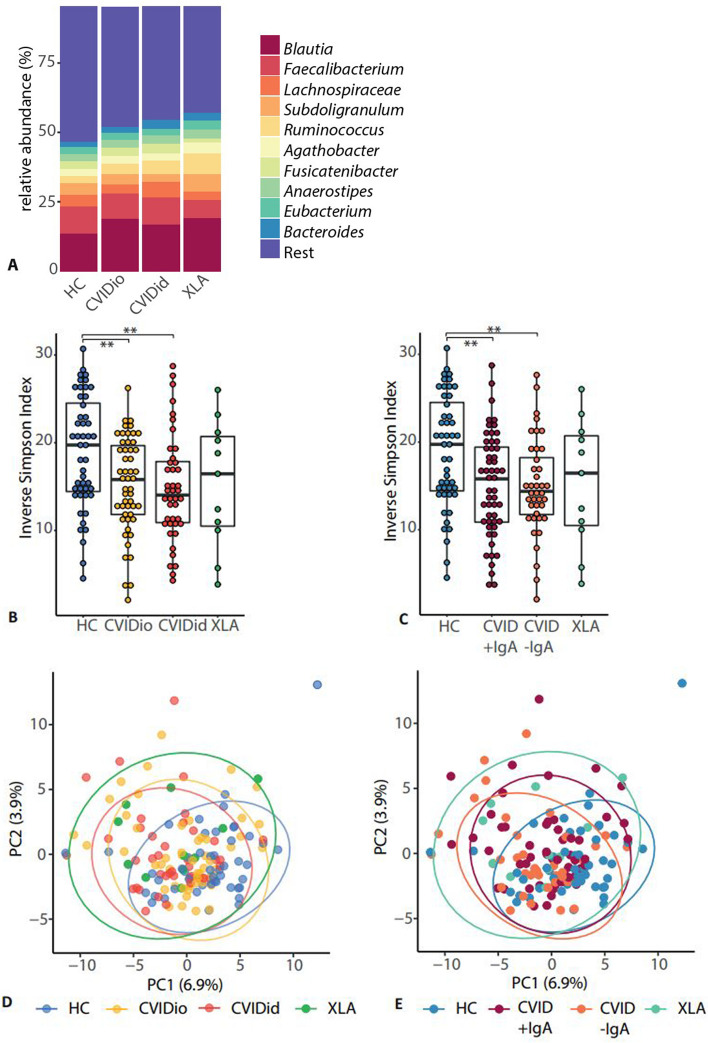
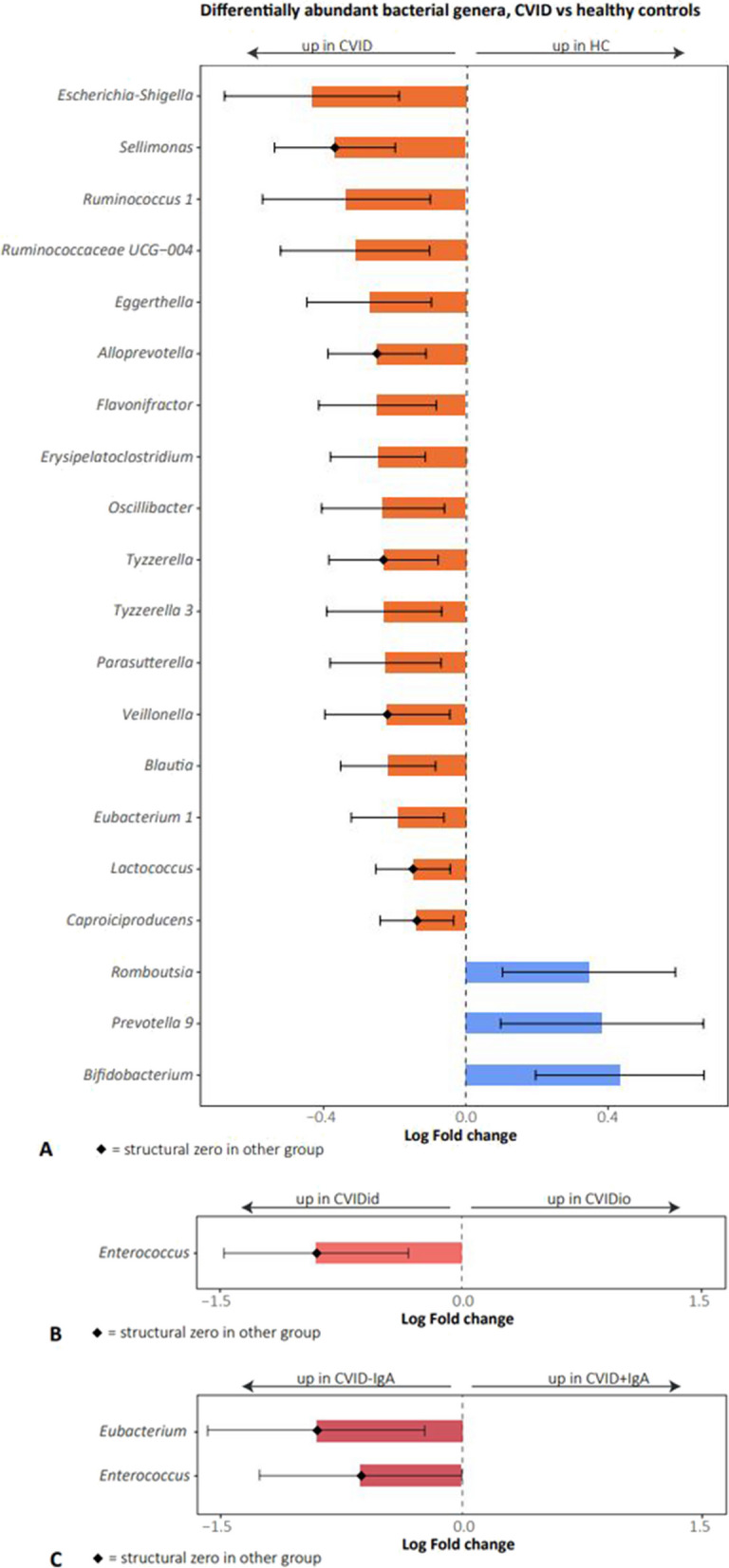
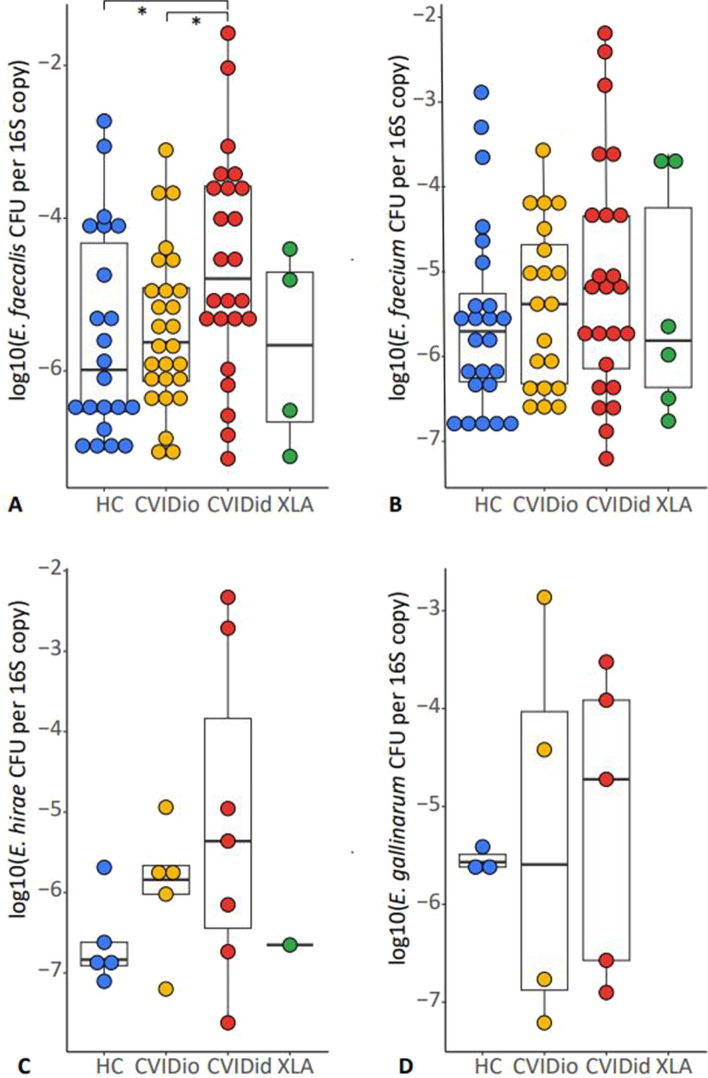
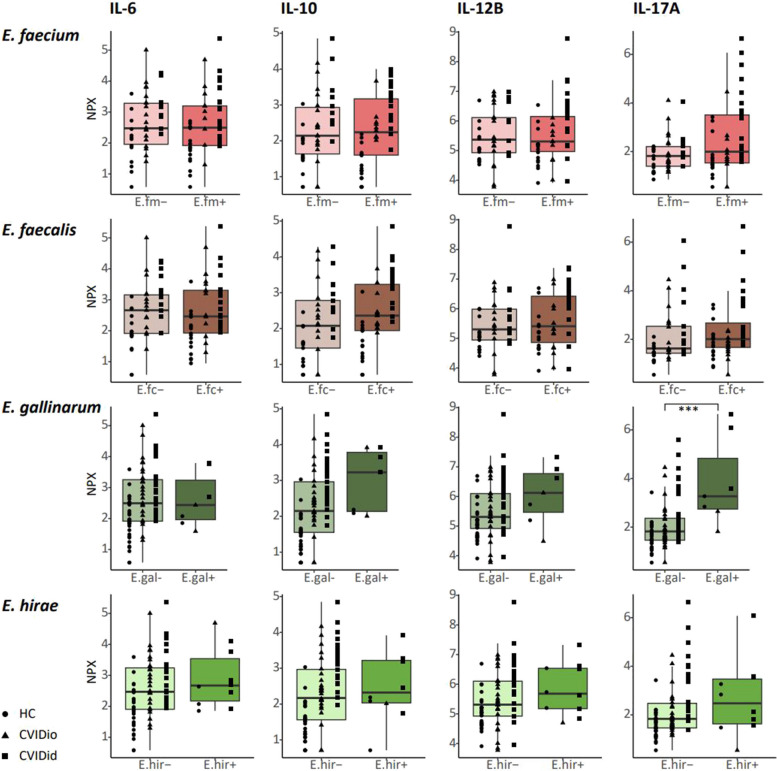
Bacterial invasion of colonic crypts was observed in CVID (3/15) and X-linked agammaglobulinemia (XLA, 1/3), but not in healthy control (HC, 0/9) biopsies. Fecal gut microbiota was characterized using 16S rRNA-targeted amplicon sequencing. Increased bacterial load, decreased alpha diversity and distinct beta diversity were observed in CVIDid (n = 42) compared to HC (n = 48), and similar results were seen in CVID with IgA deficiency (n = 40) compared to HC. CVIDid and CVID-IgA showed enrichment of the genus Enterococcus, and in vitro studies confirmed the inflammatory potential of Enterococcus gallinarum and Enterococcus hirae in patient monocytes.
This study further supports the hypothesis that a dysregulated gut microbiota, with IgA deficiency as an important driving factor, contributes to systemic inflammation in primary antibody deficiency, and introduces enterococci as potential pathobionts in CVIDid. Video Abstract.
常见变异型免疫缺陷(CVID)的特征为低丙种球蛋白血症和反复感染。免疫失调并发症(CVIDid)会导致显著的发病率和死亡率,约三分之一的CVID患者受其影响,但其病因尚不清楚。在此,我们研究肠道微生物群失调导致CVIDid潜在炎症的假说。
在CVID(3/15)和X连锁无丙种球蛋白血症(XLA,1/3)患者的结肠隐窝中观察到细菌侵袭,但在健康对照(HC,0/9)活检组织中未观察到。使用靶向16S rRNA的扩增子测序对粪便肠道微生物群进行了表征。与HC(n = 48)相比,CVIDid(n = 42)患者的细菌载量增加、α多样性降低且β多样性明显不同,与HC相比,IgA缺乏的CVID患者(n = 40)也出现了类似结果。CVIDid和CVID-IgA患者的肠球菌属富集,体外研究证实了鹑鸡肠球菌和平肠球菌对患者单核细胞的炎症诱导潜力。
本研究进一步支持了以下假说,即失调的肠道微生物群(IgA缺乏是重要驱动因素)导致原发性抗体缺陷中的全身炎症,并将肠球菌引入CVIDid的潜在致病共生菌。视频摘要。